Hiring a Roofing Contractor 7 Key Questions
Learn the 7 essential questions to ask before hiring a roofing contractor to ensure quality and reliability for your project.
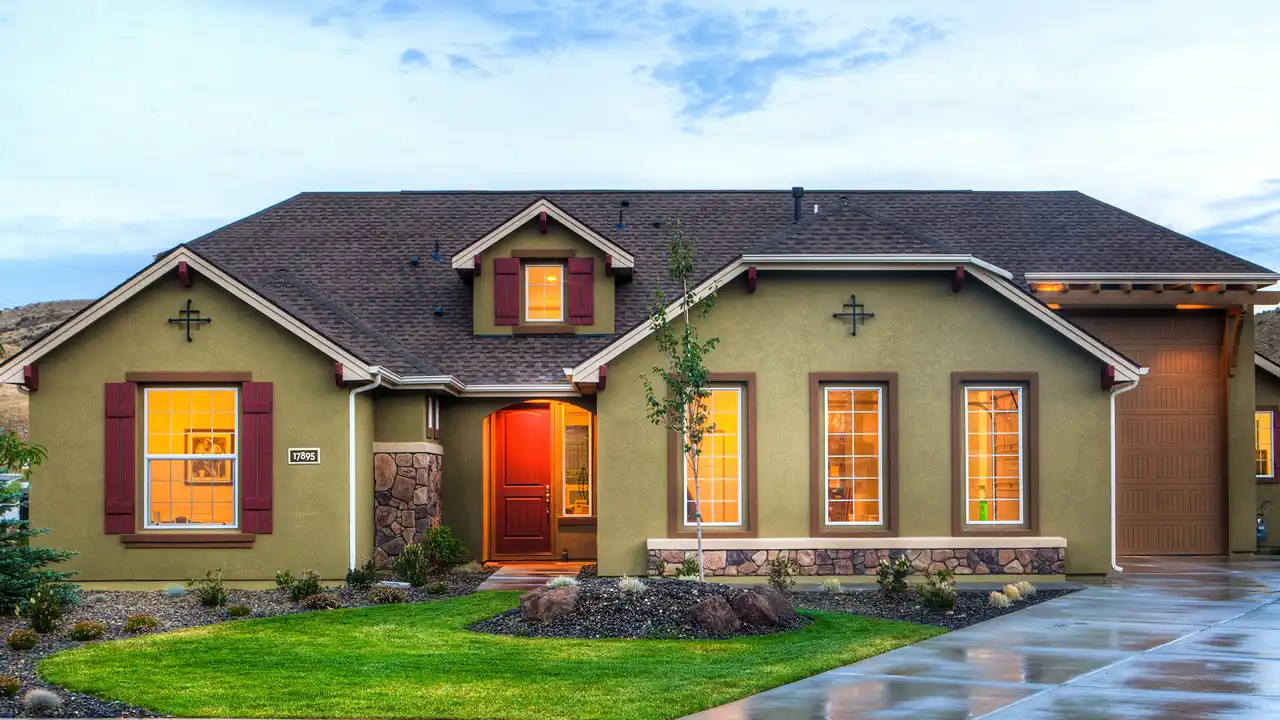
Learn the 7 essential questions to ask before hiring a roofing contractor to ensure quality and reliability for your project.
Hiring a Roofing Contractor 7 Key Questions
So, you're looking at getting some work done on your roof, huh? Whether it's a full-on replacement, a major repair, or even just some routine maintenance, choosing the right roofing contractor is probably one of the most critical decisions you'll make for your home. It's not just about finding someone who can nail shingles; it's about finding a reliable partner who understands your needs, delivers quality work, and stands behind their promises. In the US and Southeast Asia, the roofing market can be a bit of a wild west, with a huge range of contractors out there. Some are fantastic, true professionals who take pride in their craft. Others? Well, let's just say they might leave you with more headaches than a leaky roof. That's why we've put together this guide, focusing on seven absolutely essential questions you need to ask any potential roofing contractor before you even think about signing on the dotted line. These questions aren't just random; they're designed to help you vet contractors thoroughly, ensuring you get top-notch service, a durable roof, and peace of mind. Let's dive in!
Roofing Contractor Credentials and Licensing Verification
Alright, first things first: credentials. This isn't just a formality; it's your primary line of defense against shoddy work and fly-by-night operations. You wouldn't let an unlicensed doctor perform surgery, right? The same logic applies to your roof. So, the very first question you need to ask is: Are you licensed and insured?
Why Licensing Matters for Your Roofing Project
A license means the contractor has met specific requirements set by local or state authorities. These requirements often include passing exams, demonstrating a certain level of experience, and sometimes even financial stability. It shows they're legitimate and accountable. In the US, licensing requirements vary by state and even by county. For example, in Florida, a state known for its hurricanes, roofing contractors need a state-issued license, and they're pretty strict about it. In other states, it might be handled at a county level. Always check with your local building department to understand the specific licensing requirements in your area. In Southeast Asian markets, licensing can be a bit more fragmented. While some countries like Singapore have robust contractor registration systems, others might have less stringent regulations. It's crucial to do your homework and ask for proof, not just a verbal affirmation.
Understanding Roofing Contractor Insurance Coverage
Now, let's talk insurance. This is HUGE. There are two main types of insurance you need to be concerned about: General Liability and Workers' Compensation.
- General Liability Insurance: This protects you, the homeowner, from damages to your property caused by the contractor or their crew during the roofing project. Imagine a worker accidentally drops a bundle of shingles through your skylight. Without general liability insurance, you could be on the hook for those repair costs. Make sure the coverage amount is substantial enough for your project.
- Workers' Compensation Insurance: This covers the contractor's employees if they get injured on your property. If a worker falls off your roof and breaks a leg, and the contractor doesn't have workers' comp, that injured worker could potentially sue you, the homeowner, to cover their medical bills and lost wages. This is a risk you absolutely do not want to take.
Always ask for current certificates of insurance directly from the insurance provider, not just a copy from the contractor. This verifies that the policies are active and valid. A reputable contractor will be happy to provide this information without hesitation. If they hem and haw, that's a major red flag.
Roofing Contractor Experience and Project Portfolio
Okay, so they're licensed and insured. Great start! But now you need to dig into their experience. This isn't just about how long they've been in business, but also the type of work they've done. So, the second question is: How long have you been in business, and can you provide references and a portfolio of similar projects?
Assessing Years in Business for Roofing Expertise
While a brand-new company isn't necessarily bad, a contractor with a solid track record of several years (say, 5+ years) often indicates stability, experience, and a proven ability to weather economic ups and downs. They've likely encountered and successfully resolved a wider range of roofing challenges. For instance, a contractor who has been working in Florida for 10 years will have extensive experience with hurricane-resistant roofing techniques, which is invaluable. Similarly, in a region like the Philippines, a contractor with years of experience will understand the nuances of typhoon-proof roofing and materials that stand up to intense humidity.
Reviewing Roofing Project References and Portfolio
This is where the rubber meets the road. Ask for at least three recent references from clients whose projects were similar to yours. Don't just take the names; actually call them! Ask about their experience with the contractor:
- Was the project completed on time and within budget?
- Were there any unexpected issues, and how were they handled?
- How was communication throughout the project?
- Would they hire the contractor again?
A portfolio is also incredibly helpful. Look for photos of completed projects, especially those that showcase the type of roofing material and style you're considering. This gives you a visual representation of their craftsmanship. For example, if you're looking for a metal roof, ask to see their metal roofing installations. If you're in a tropical climate and considering clay tiles, ask to see their clay tile projects in similar settings. This helps you gauge their specific expertise.
Roofing Project Scope and Material Specifications
Now that you're comfortable with their credentials and experience, it's time to get down to the nitty-gritty of your actual project. This is where you ensure everyone is on the same page about what needs to be done and how. So, the third question is: Can you provide a detailed proposal outlining the scope of work, materials, and timeline?
Detailed Roofing Proposal Components
A good proposal isn't just a price tag. It's a comprehensive document that leaves no room for ambiguity. It should clearly state:
- Scope of Work: What exactly will be done? Will the old roof be completely torn off? Will there be any structural repairs to the decking? What about flashing, ventilation, and gutters? Every step should be itemized.
- Materials: This is crucial. The proposal should specify the exact brand, type, color, and grade of every material to be used. For example, instead of just saying 'asphalt shingles,' it should say 'GAF Timberline HDZ Architectural Shingles, Charcoal, Class A fire rating.' This prevents a contractor from substituting cheaper materials later on.
- Timeline: When will the project start? How long is it expected to take? What are the key milestones? While weather can always impact a roofing project, a contractor should be able to provide a realistic timeframe.
- Payment Schedule: How will payments be structured? A reputable contractor typically doesn't ask for 100% upfront. A common structure might be a deposit, progress payments, and a final payment upon satisfactory completion.
- Warranty Information: Both material warranties from the manufacturer and workmanship warranties from the contractor should be clearly outlined.
Specific Roofing Material Recommendations and Comparisons
This is where a good contractor shines. They should be able to discuss various material options suitable for your climate and budget, offering pros and cons for each. Let's look at some examples:
Asphalt Shingles: Versatility and Value
Description: Asphalt shingles are the most popular roofing material in the US, known for their affordability, ease of installation, and wide range of styles and colors. They are made from a fiberglass mat coated with asphalt and ceramic granules.
Use Cases: Ideal for most residential homes in temperate climates. They offer good protection against rain and moderate winds.
Product Recommendations:
- GAF Timberline HDZ: A leading architectural shingle.
- CertainTeed Landmark Pro: Another popular architectural shingle known for its durability and aesthetic appeal.
- Owens Corning Duration: Features SureNail Technology for enhanced wind resistance.
Comparison:
- Pros: Cost-effective, easy to repair, wide color selection, good fire resistance.
- Cons: Shorter lifespan (15-30 years) compared to other materials, can be susceptible to high winds and extreme temperatures over time.
- Estimated Cost (US): $4.00 - $7.00 per square foot installed.
- Estimated Cost (Southeast Asia): Varies widely, but generally more affordable than metal or tile.
Metal Roofing: Durability and Energy Efficiency
Description: Metal roofs are gaining popularity due to their exceptional durability, longevity, and energy efficiency. They come in various forms, including standing seam, metal shingles, and corrugated panels, made from steel, aluminum, copper, or zinc.
Use Cases: Excellent for homes in areas with extreme weather (heavy snow, high winds, intense sun), coastal regions, and those seeking long-term value and energy savings. Particularly good for tropical climates in Southeast Asia due to heat reflection.
Product Recommendations:
- Classic Metal Roofing Systems (Aluminum): Known for their aesthetic appeal and resistance to corrosion.
- Fabral (Steel): Offers a wide range of profiles and colors for residential and commercial applications.
- BHP Steel (Malaysia/SEA): A prominent regional supplier of quality steel roofing products.
Comparison:
- Pros: Very long lifespan (40-70+ years), highly durable, excellent wind and fire resistance, energy-efficient (reflects solar heat), low maintenance.
- Cons: Higher upfront cost, can be noisy during heavy rain/hail (though insulation helps), specialized installation required.
- Estimated Cost (US): $8.00 - $15.00+ per square foot installed.
- Estimated Cost (Southeast Asia): Generally higher than asphalt, but competitive with high-end tiles.
Clay and Concrete Tiles: Aesthetic Appeal and Longevity
Description: Tile roofs offer a distinctive aesthetic, often associated with Mediterranean or Spanish architectural styles. Clay tiles are made from natural clay, while concrete tiles are made from sand, cement, and water. Both are heavy and durable.
Use Cases: Popular in warm climates, coastal areas, and regions prone to high winds or fire. Very common in Southeast Asia due to their ability to withstand heat and heavy rain.
Product Recommendations:
- Boral Roofing (US): Offers a wide range of clay and concrete tile profiles.
- Eagle Roofing Products (US): Known for their concrete roof tiles.
- SCG Cement-Building Materials (Thailand/SEA): A major producer of concrete roof tiles in the region.
Comparison:
- Pros: Extremely long lifespan (50-100+ years), excellent fire resistance, good insulation properties, highly durable against harsh weather, beautiful aesthetic.
- Cons: Very heavy (may require structural reinforcement), high upfront cost, brittle (can break if walked on improperly), specialized installation.
- Estimated Cost (US): $10.00 - $25.00+ per square foot installed.
- Estimated Cost (Southeast Asia): Widely used, so costs can be competitive, but still a premium option.
Synthetic Roofing Materials: Modern Innovation
Description: Synthetic roofing materials, often made from recycled plastics and rubber, mimic the look of natural slate or wood shakes but offer enhanced durability, lighter weight, and lower maintenance.
Use Cases: Homeowners looking for the aesthetic of natural materials without the associated maintenance or weight, suitable for various climates.
Product Recommendations:
- DaVinci Roofscapes (US): High-quality synthetic slate and shake tiles.
- CeDUR (US): Synthetic cedar shakes with high fire ratings.
Comparison:
- Pros: Long lifespan (50+ years), lightweight, highly durable, resistant to rot, insects, and impact, often made from recycled materials.
- Cons: Higher upfront cost than asphalt, can sometimes look less authentic than natural materials up close.
- Estimated Cost (US): $10.00 - $18.00+ per square foot installed.
Your contractor should be able to walk you through these options, explaining which ones are best suited for your home's structure, local climate (e.g., typhoon resistance in the Philippines, hurricane resistance in Florida), and your budget. Don't be afraid to ask for samples!
Roofing Contractor Communication and Customer Service
A roofing project can be a big undertaking, and clear communication is key to a smooth process. You don't want to be left in the dark or struggling to get answers. So, the fourth question is: How will you communicate with me throughout the project, and what is your customer service policy?
Effective Communication Channels for Roofing Projects
Ask about their preferred method of communication. Will it be phone calls, text messages, emails, or a dedicated project manager? How often can you expect updates? A good contractor will establish clear communication channels from the outset. They should be proactive in providing updates, especially if there are any delays or unexpected issues. For example, if a material delivery is delayed, you should be informed promptly, not find out when no one shows up on site. In many Southeast Asian contexts, WhatsApp or other messaging apps are common for quick updates, while formal emails might be used for documentation.
Understanding Roofing Contractor Customer Service and Issue Resolution
Things can sometimes go wrong, even with the best contractors. What matters is how they handle it. Ask about their process for addressing concerns or resolving disputes. Do they have a dedicated customer service representative? Who is your primary point of contact if you have questions or issues? A reputable contractor will have a clear, transparent process for handling complaints and will prioritize customer satisfaction. Look for contractors who are responsive and willing to listen to your concerns. This also ties into their warranty; a good customer service policy means they'll honor their workmanship warranty if issues arise post-installation.
Roofing Project Safety Protocols and Site Management
Roofing is inherently dangerous work. You want to ensure the contractor prioritizes the safety of their crew and your property. So, the fifth question is: What safety protocols do you follow, and how do you manage the job site?
Ensuring Safety Standards on Your Roofing Site
A professional roofing contractor will have a comprehensive safety plan. Ask about:
- Fall Protection: Do they use harnesses, safety nets, and guardrails?
- Ladder Safety: Are ladders properly secured and inspected?
- Tool Safety: Are power tools used correctly and maintained?
- Personal Protective Equipment (PPE): Do all workers wear hard hats, safety glasses, and appropriate footwear?
In the US, OSHA (Occupational Safety and Health Administration) sets strict safety standards for construction. A reputable contractor will be familiar with and adhere to these. In Southeast Asia, while regulations might vary, a professional contractor will still implement robust safety measures to protect their workers and your property. Don't hesitate to ask for details on their safety training programs.
Effective Roofing Job Site Management and Cleanliness
A well-managed job site is a sign of a professional operation. Ask how they plan to:
- Protect Your Property: Will they use tarps to cover landscaping, driveways, and other vulnerable areas?
- Manage Debris: How will they handle the removal of old roofing materials and other construction waste? Will they use a dumpster? How often will it be emptied?
- Clean Up: What is their daily cleanup routine? How will they ensure all nails and debris are removed from your property at the end of the project? Many contractors use magnetic sweepers to pick up stray nails.
A messy, disorganized job site isn't just an eyesore; it's a safety hazard and can indicate a lack of professionalism. You want a contractor who treats your property with respect and leaves it as clean, if not cleaner, than they found it.
Roofing Project Warranty and After-Sales Support
A new roof is a significant investment, and you want to know that it's protected long after the crew has packed up. This brings us to the sixth question: What warranties do you offer, and what is your process for after-sales support?
Understanding Roofing Material and Workmanship Warranties
There are typically two types of warranties you need to consider:
- Manufacturer's Warranty (Material Warranty): This covers defects in the roofing materials themselves. The length and coverage can vary significantly by manufacturer and product. For example, architectural asphalt shingles might have a limited lifetime warranty, while basic 3-tab shingles might only have 20-25 years. Metal roofs often come with 30-50 year warranties. Make sure you understand what voids the warranty (e.g., improper installation).
- Contractor's Warranty (Workmanship Warranty): This covers the quality of the installation. Even the best materials won't perform if they're installed incorrectly. A good contractor will offer a workmanship warranty, typically ranging from 5 to 25 years. This is crucial because if a leak develops due to faulty installation, the manufacturer's warranty won't cover it, but the contractor's warranty should.
Ask for both warranties in writing and read them carefully. Understand what's covered, what's excluded, and the process for making a claim. Some manufacturers offer enhanced warranties if their products are installed by certified contractors, which can be a significant benefit.
Roofing Contractor After-Sales Service and Support
What happens if you notice a small leak a year after the roof is installed? How do you get in touch with them? A reputable contractor will have a clear process for after-sales support. This might include a dedicated phone number, email address, or even an online portal for service requests. Ask about their response time for warranty claims or service calls. You want to know that they'll be there to address any issues that arise, not disappear once the final check clears. This is especially important in regions with extreme weather, where post-storm inspections or minor repairs might be needed.
Roofing Contractor Payment Terms and Contract Details
Finally, let's talk money and the legal stuff. This is where you protect your financial interests and ensure everything is legally binding. So, the seventh and final question is: What are your payment terms, and can I review the full contract before signing?
Transparent Roofing Project Payment Schedules
As mentioned earlier, be wary of contractors who demand a large upfront payment (e.g., more than 30-50% of the total project cost). A common payment schedule might look like this:
- Deposit: 10-30% to secure materials and schedule the project.
- Progress Payments: Payments made at specific milestones (e.g., after tear-off, after materials are delivered, after installation of underlayment).
- Final Payment: The remaining balance paid only after the project is completed to your satisfaction and you've had a chance to inspect the work.
Never pay the full amount upfront. This leaves you with no leverage if the contractor doesn't complete the work or if there are issues. Discuss the payment schedule in detail and ensure it's clearly outlined in the contract.
Comprehensive Roofing Contract Review and Legal Protections
The contract is your legal protection. It should include everything discussed: the detailed scope of work, material specifications, timeline, payment schedule, warranty information, and any other agreements. Before you sign, make sure you:
- Read Every Word: Don't skim. Understand all the terms and conditions.
- Ask Questions: If anything is unclear, ask for clarification. Don't assume.
- Ensure Specificity: Make sure all verbal agreements are written into the contract. For example, if they promised to use a specific brand of underlayment, ensure it's listed.
- Check for Lien Waivers: In the US, ask for lien waivers from the contractor and any subcontractors or suppliers once they've been paid. This protects you from them placing a lien on your property if the contractor fails to pay them.
- Consider Legal Review: For very large or complex projects, it might be wise to have an attorney review the contract.
A reputable contractor will be transparent with their contract and allow you ample time to review it. If they pressure you to sign immediately or refuse to provide a written contract, walk away. Your home is too important to cut corners on legal protections.
Final Thoughts on Choosing Your Roofing Partner
Choosing a roofing contractor doesn't have to be a stressful ordeal. By asking these seven essential questions, you'll be well-equipped to identify a professional, reliable, and trustworthy partner for your roofing project. Remember, it's about more than just the lowest bid; it's about value, quality, and peace of mind. Take your time, do your due diligence, and don't be afraid to ask tough questions. Your roof protects your most valuable asset, so make sure you're entrusting it to the right hands. Happy roofing!
:max_bytes(150000):strip_icc()/277019-baked-pork-chops-with-cream-of-mushroom-soup-DDMFS-beauty-4x3-BG-7505-5762b731cf30447d9cbbbbbf387beafa.jpg)