Roofing in Extreme Heat How to Keep Cool
Strategies and materials for roofing in extreme heat to keep your home cool and reduce energy consumption.
Strategies and materials for roofing in extreme heat to keep your home cool and reduce energy consumption.
Roofing in Extreme Heat How to Keep Cool
Living in a region with extreme heat can be a real challenge, especially when it comes to keeping your home cool and comfortable without breaking the bank on air conditioning. Your roof plays a massive role in this battle against the heat. It’s the first line of defense against the scorching sun, absorbing a huge amount of solar radiation and transferring that heat directly into your attic and, subsequently, your living spaces. But don't sweat it! There are plenty of smart strategies and innovative roofing materials out there designed specifically to combat extreme heat, helping you keep your home cool, reduce energy consumption, and even extend the life of your roof. Let's dive into how you can turn your roof into a heat-fighting champion.
Understanding Heat Transfer and Your Roof's Role
Before we talk about solutions, it’s helpful to understand the problem. Heat transfer happens in a few ways: conduction, convection, and radiation. Your roof primarily deals with radiant heat from the sun. Dark-colored roofs, for instance, absorb a lot of this solar radiation, heating up significantly. This heat then conducts through the roofing material, radiates into your attic, and eventually makes its way into your home. The goal of a heat-resistant roofing system is to minimize this transfer, either by reflecting the sun's rays, preventing heat from conducting through the material, or allowing heat to escape from the attic.
Cool Roof Technologies Reflecting the Sun's Rays
One of the most effective ways to combat extreme heat is by using cool roof technologies. These aren't just a fancy name; they're roofs designed to reflect more sunlight and absorb less heat than traditional roofs. This is measured by two key properties: solar reflectance (how much solar energy is reflected) and thermal emittance (how much absorbed heat is radiated back into the atmosphere). Higher values for both mean a cooler roof.
Cool Roof Coatings Enhancing Existing Roofs
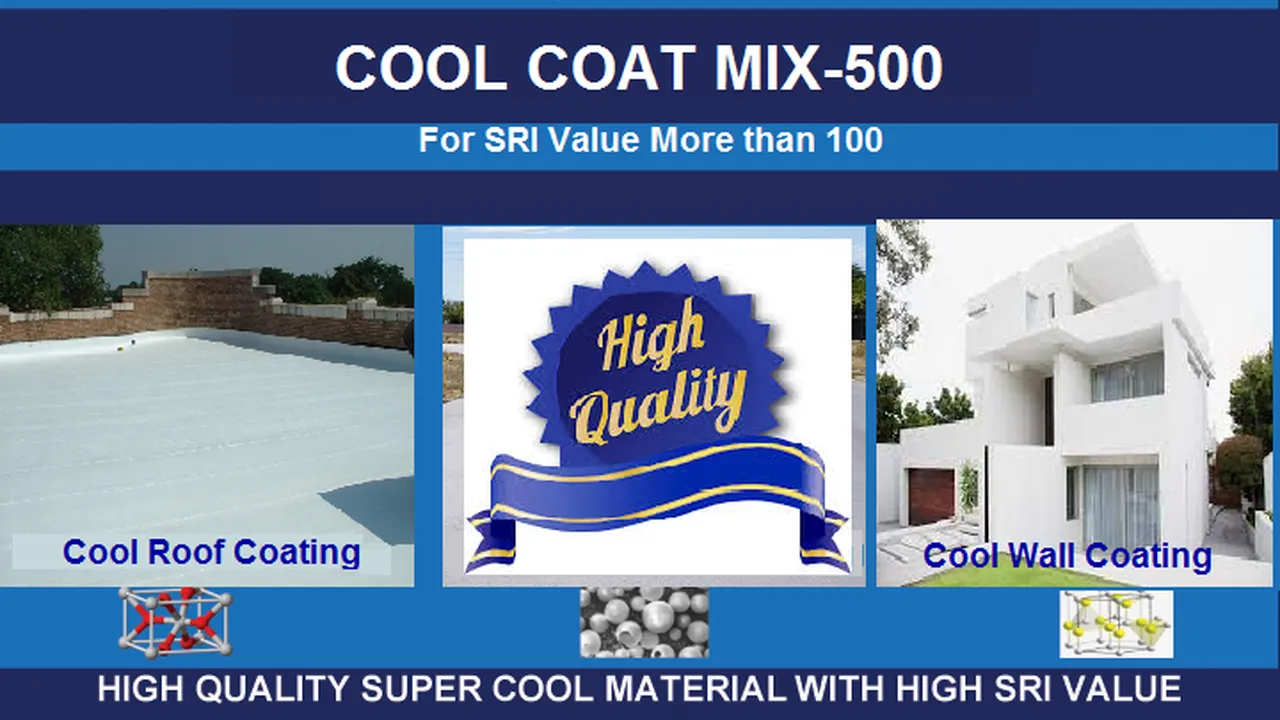
If you're not ready for a full roof replacement, cool roof coatings can be a fantastic option. These are special reflective paints or liquid-applied membranes that you can apply over your existing roof material. They typically come in light colors, often white, and are formulated with highly reflective pigments. They're a cost-effective way to significantly reduce your roof's surface temperature.
- Product Recommendation: Henry Tropi-Cool 887 Silicone Roof Coating
- Use Case: Ideal for low-slope or flat roofs, but can also be used on sloped roofs. Great for homeowners looking to improve energy efficiency without a full tear-off.
- Comparison: Many acrylic coatings are available, but silicone coatings like Tropi-Cool offer superior ponding water resistance and flexibility, making them more durable in extreme conditions. Acrylics are generally cheaper but might require more frequent reapplication.
- Price Range: Approximately $300-$500 per 5-gallon bucket, covering around 250-350 sq ft per coat.
- Product Recommendation: GacoFlex S20 Series Silicone Roof Coating
- Use Case: Excellent for commercial and residential flat roofs, metal roofs, and modified bitumen. Known for its long-term durability and ability to withstand harsh UV rays.
- Comparison: Similar to Henry Tropi-Cool in performance, GacoFlex is another industry leader. Both offer excellent reflectivity and emittance. GacoFlex might have a slightly higher initial cost but often boasts a longer warranty.
- Price Range: Around $350-$600 per 5-gallon bucket, covering similar square footage.
Cool Roof Materials Shingles and Tiles for Heat Resistance
For those considering a new roof or replacement, many roofing materials are now manufactured with cool roof properties built-in. These often use special granules or pigments to achieve high solar reflectance.
- Product Recommendation: GAF Timberline Cool Series Shingles
- Use Case: Perfect for residential pitched roofs where homeowners want the traditional look of asphalt shingles but with enhanced heat reflection.
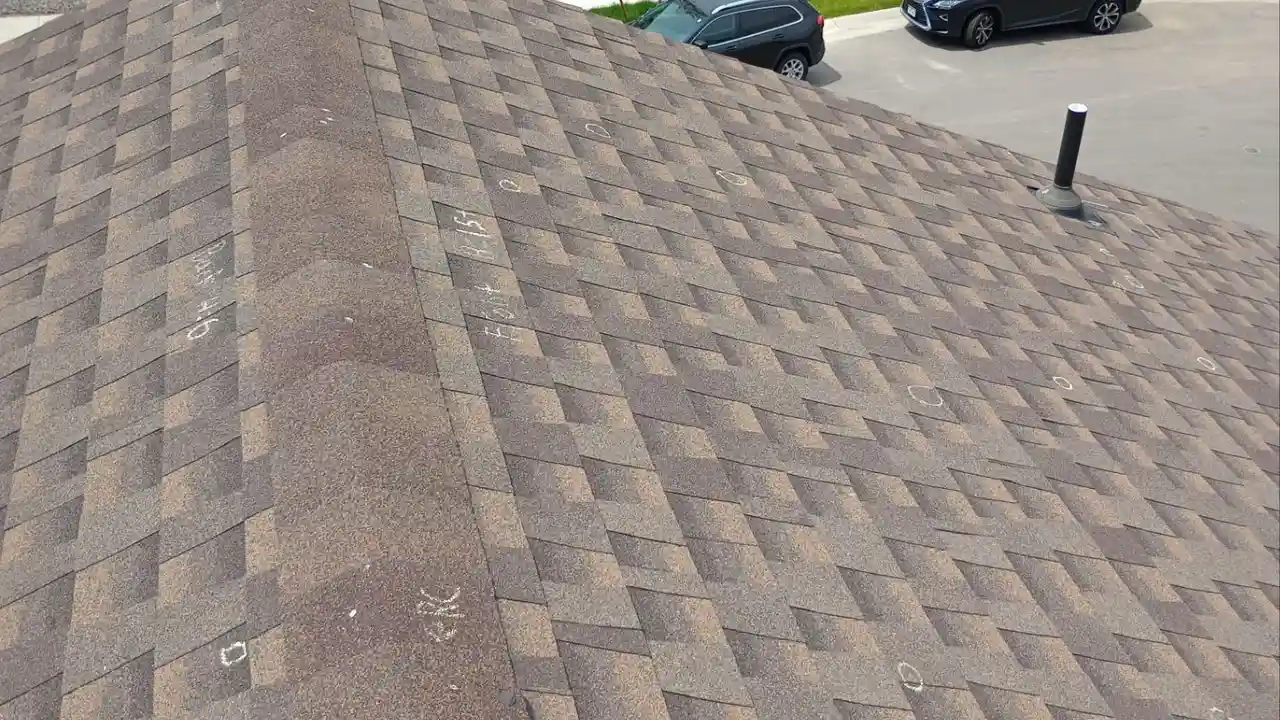
- Comparison: Standard asphalt shingles absorb a lot of heat. The Cool Series uses specially designed granules that reflect more sunlight, reducing attic temperatures by up to 15% compared to standard shingles. They come in various colors, not just white, thanks to advanced pigment technology.
- Price Range: Generally 10-20% more expensive than standard Timberline shingles, costing around $100-$150 per square (100 sq ft) for materials.
- Product Recommendation: Boral Steel Stone Coated Steel Roofing (Cool Roof Colors)
- Use Case: A premium option for homeowners seeking extreme durability, wind resistance, and excellent heat reflection, especially in regions prone to severe weather.
- Comparison: Stone-coated steel roofs are incredibly durable and lightweight. Boral offers specific 'Cool Roof' colors that meet energy efficiency standards. They outperform asphalt shingles significantly in terms of lifespan and heat reflection. While more expensive upfront, their longevity and energy savings can make them a worthwhile investment.
- Price Range: $400-$800 per square for materials, depending on the profile and finish.
- Product Recommendation: Eagle Roofing Products Concrete Tile (Cool Roof Tile Series)
- Use Case: Ideal for Mediterranean or Spanish-style homes, or any home where a tile aesthetic is desired. Concrete tiles are inherently durable and can be manufactured with cool roof properties.
- Comparison: Clay and concrete tiles are naturally good at shedding heat due to their mass and ventilation properties. Eagle's Cool Roof Tile Series takes this a step further with reflective pigments, offering superior performance to standard tiles in hot climates. They are heavier than shingles or metal, requiring a stronger roof structure.
- Price Range: $300-$600 per square for materials, varying by profile and color.
Ventilation The Key to a Cooler Attic
Even with the best cool roof materials, if your attic isn't properly ventilated, heat will still get trapped. A well-ventilated attic allows hot air to escape, drawing in cooler air from outside. This reduces the temperature in your attic, which in turn reduces the heat load on your home's interior.
Types of Roof Ventilation Systems
There are several types of ventilation systems, and often, a combination works best:
- Soffit Vents: These are intake vents located under the eaves of your roof, allowing cooler outside air to enter the attic.
- Ridge Vents: These are exhaust vents installed along the peak of your roof, allowing hot air to escape. They work in conjunction with soffit vents to create a continuous airflow.
- Gable Vents: Located on the gable ends of your house, these can act as either intake or exhaust, depending on wind direction.
- Powered Attic Fans: These fans actively pull hot air out of the attic. While effective, they do consume electricity, so consider solar-powered options for maximum energy savings.
- Whirlybirds (Turbine Vents): These spinning vents use wind to draw hot air out of the attic. They are passive and don't require electricity.
Optimizing Your Attic Ventilation System
The key is balanced ventilation: you need an equal amount of intake and exhaust. Without proper intake, exhaust vents can't work efficiently, and vice-versa. A professional roofer can assess your attic and recommend the best ventilation strategy for your specific home and climate.
Insulation Your Attic's Thermal Barrier
While ventilation helps remove heat, insulation acts as a barrier, preventing heat from transferring from your attic into your living spaces. Even if your attic gets hot, good insulation will keep that heat from penetrating your ceiling.
Types of Attic Insulation for Hot Climates
- Blown-in Fiberglass or Cellulose: These are common and effective. Blown-in insulation fills cavities and irregular spaces well, providing a good thermal barrier.
- Batt Insulation: Fiberglass or mineral wool batts are pre-cut panels that fit between joists.
- Spray Foam Insulation: This offers excellent R-value (a measure of thermal resistance) and also acts as an air seal, preventing air leakage. It's more expensive but highly effective.
- Radiant Barriers: These are reflective materials, often foil, installed in the attic to block radiant heat transfer. They are particularly effective in hot climates because they reflect heat away from the living space. They can be installed on the underside of the roof deck or on top of existing insulation.
Recommended R-Values for Hot Climates
The recommended R-value for attic insulation varies by climate zone. In extremely hot regions, you'll want a higher R-value. For many hot climates in the US and Southeast Asia, R-38 to R-60 is often recommended. Always check local building codes for specific requirements.
Other Strategies for Heat Reduction Maximizing Your Roof's Performance
Beyond materials, ventilation, and insulation, a few other strategies can help your roof perform better in extreme heat.
Roof Overhangs and Eaves Providing Shade
Generous roof overhangs and eaves can provide shade to your walls and windows, reducing the amount of direct sunlight hitting your home's exterior. This indirectly helps keep your interior cooler.
Landscaping and Shade Trees Natural Cooling
Strategically planted trees can provide significant shade for your roof, especially on the west and south sides of your home, which receive the most intense sun exposure. This natural shading can dramatically reduce your roof's surface temperature. Just make sure to keep branches trimmed away from the roof to prevent damage and debris buildup.
Regular Roof Maintenance Preventing Issues
A well-maintained roof performs better. Keep your roof clean of debris, moss, and algae, as these can trap heat and reduce the effectiveness of cool roof materials. Ensure gutters are clear to allow for proper drainage and prevent water from backing up under your roofing materials.
Considering Your Specific Climate and Region Tailored Solutions
While many of these strategies are universally beneficial, it's crucial to consider the specific characteristics of your climate, whether you're in the arid heat of Arizona or the humid tropics of Southeast Asia.
Arid Hot Climates Reflect and Insulate
In arid regions with intense sun and dry heat, maximizing solar reflectance and having excellent insulation are paramount. Radiant barriers are particularly effective here. Materials like light-colored metal roofs, cool asphalt shingles, and concrete tiles with reflective coatings are excellent choices.
Humid Hot Climates Ventilation and Moisture Control
In humid tropical climates, like much of Southeast Asia, while reflection is still important, ventilation becomes even more critical to prevent moisture buildup and mold growth in the attic. Materials that allow for good airflow underneath, such as some tile systems or elevated metal roofs, can be very beneficial. Coatings that resist mildew and algae growth are also a plus.
Making the Right Choice for Your Home A Professional's Insight
Choosing the right roofing strategy for extreme heat can feel overwhelming with so many options. The best approach is to consult with a reputable local roofing contractor who understands your specific climate and building codes. They can assess your current roof, attic, and home's structure to recommend the most effective and cost-efficient solutions for keeping your home cool and comfortable, even when the temperatures soar.
Investing in a heat-resistant roof isn't just about comfort; it's about long-term energy savings, extending the life of your HVAC system, and increasing your home's overall value. So, take the time to explore these options and make an informed decision that will keep you cool for years to come.
:max_bytes(150000):strip_icc()/277019-baked-pork-chops-with-cream-of-mushroom-soup-DDMFS-beauty-4x3-BG-7505-5762b731cf30447d9cbbbbbf387beafa.jpg)