Home Equity Loans for Roof Upgrades
Consider using a home equity loan to finance significant roof upgrades or replacements for your property.
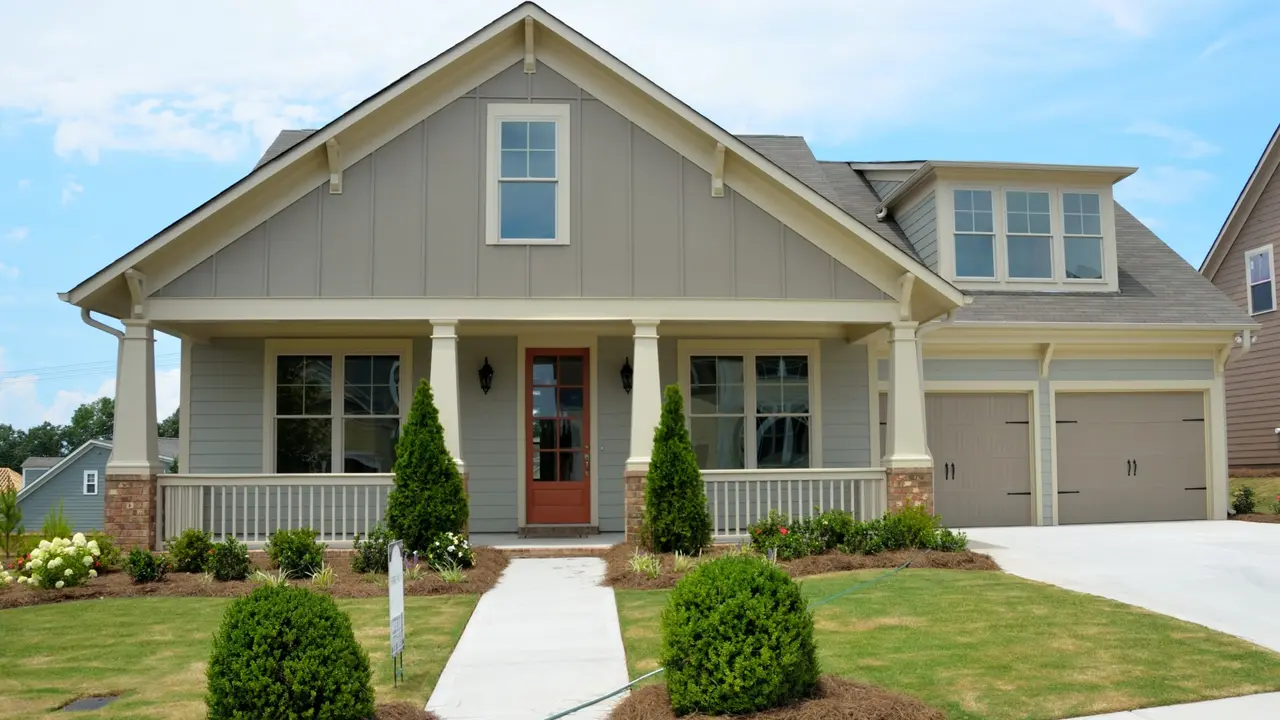
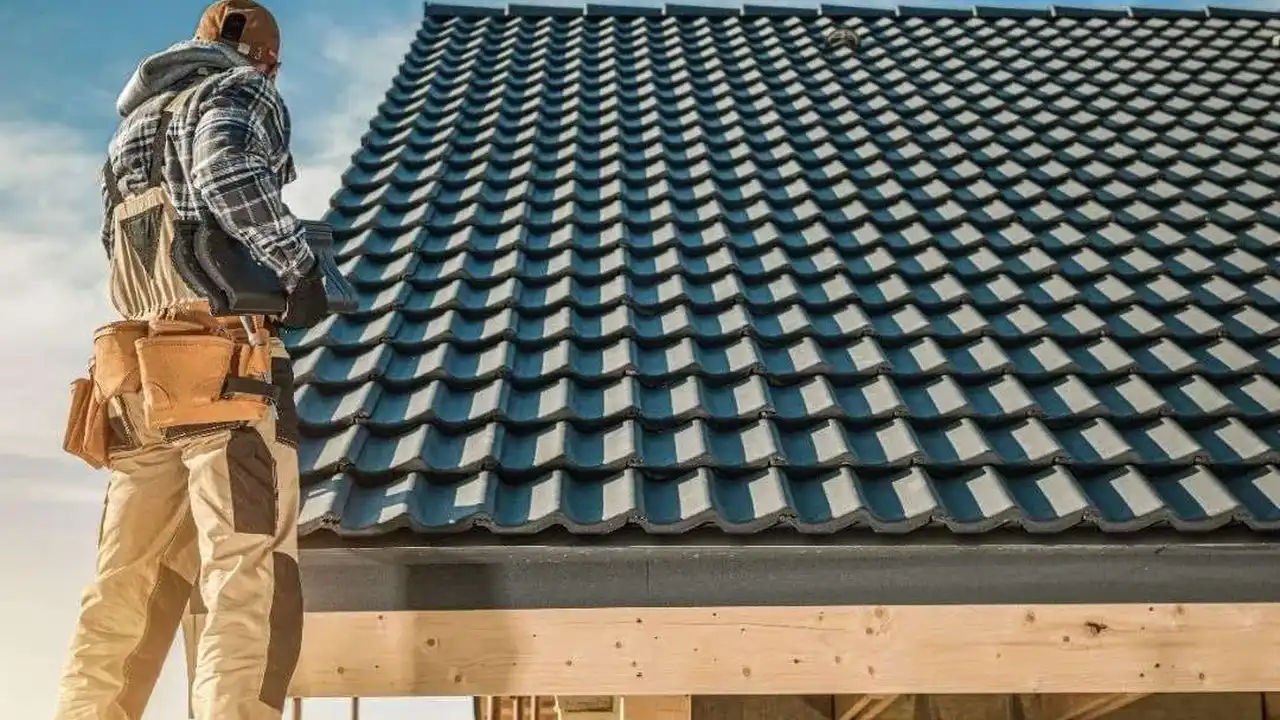
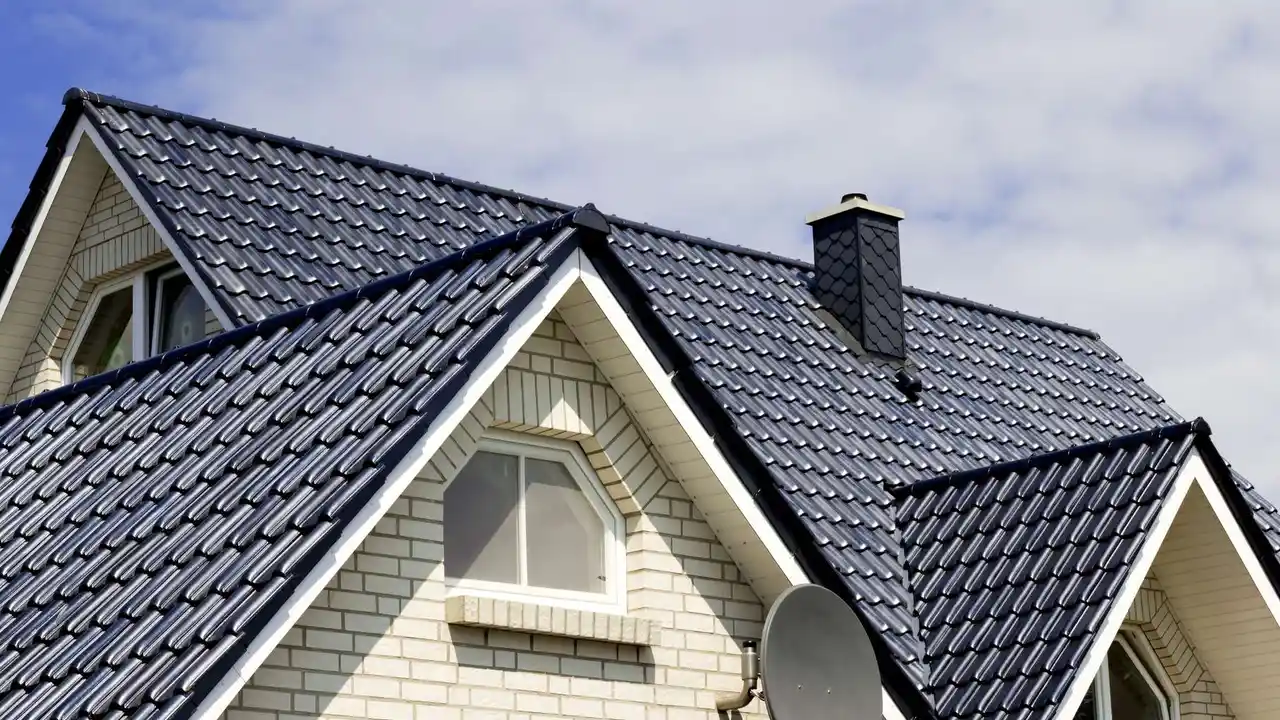
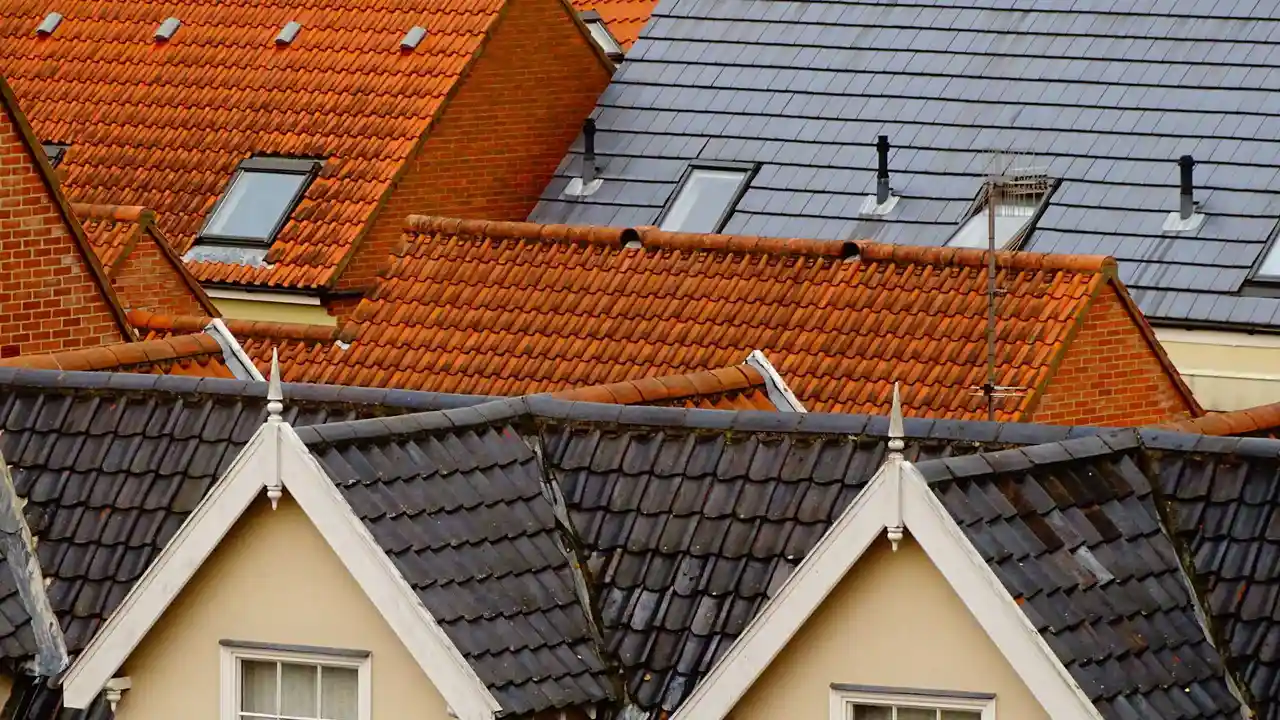
Consider using a home equity loan to finance significant roof upgrades or replacements for your property. If you're a homeowner, you know that maintaining your property is an ongoing process. Eventually, big-ticket items like your roof will need attention. A new roof isn't just about aesthetics; it's a critical component of your home's structural integrity, energy efficiency, and overall value. But let's be honest, a full roof replacement or a major upgrade can be a substantial investment, often running into tens of thousands of dollars. That's where financing options come into play, and one of the most popular and often advantageous methods is using a home equity loan.
Home Equity Loans for Roof Upgrades
A home equity loan, sometimes called a second mortgage, allows you to borrow a lump sum of money against the equity you've built up in your home. Equity is essentially the difference between your home's current market value and the amount you still owe on your mortgage. As you pay down your mortgage and as your home's value appreciates, your equity grows. This accumulated equity isn't just a number on paper; it's a valuable asset you can leverage for significant home improvements like a roof upgrade.
Understanding Home Equity Loans What Homeowners Need to Know
Before diving into specific products or scenarios, it's crucial to understand the mechanics of a home equity loan. When you take out a home equity loan, you receive the entire loan amount upfront, typically in a single disbursement. You then repay this loan over a fixed period, usually 5 to 20 years, with fixed monthly payments that include both principal and interest. The interest rate is generally fixed for the life of the loan, providing predictability in your budget. This type of loan uses your home as collateral, which means if you default on payments, the lender could foreclose on your property. While this sounds serious, it's also why home equity loans often come with lower interest rates compared to unsecured personal loans or credit cards, as the risk to the lender is reduced.
Why Choose a Home Equity Loan for Your Roof Project Exploring the Benefits
There are several compelling reasons why a home equity loan might be the ideal financing solution for your roof upgrade:
- Lower Interest Rates: Because your home serves as collateral, home equity loans typically offer significantly lower interest rates than other forms of consumer debt. This can save you thousands of dollars over the life of the loan.
- Fixed Payments: With a fixed interest rate and a set repayment schedule, your monthly payments remain consistent, making budgeting straightforward and predictable.
- Lump Sum Disbursement: You receive the full amount upfront, which is perfect for a large, one-time expense like a roof replacement. This ensures you have all the funds available to pay your contractor without delays.
- Potential Tax Deductibility: In some cases, the interest paid on a home equity loan used for home improvements can be tax-deductible. It's always wise to consult with a tax advisor to understand your specific eligibility.
- Increased Home Value: A new roof is a significant home improvement that almost always increases your home's value and curb appeal, making the investment worthwhile.
Comparing Home Equity Loans with Other Financing Options Making the Right Choice
While home equity loans are excellent for roof upgrades, it's good to know how they stack up against other common financing methods:
Home Equity Line of Credit HELOC Flexibility vs Predictability
A HELOC is another popular option that also uses your home equity. Unlike a home equity loan, a HELOC functions more like a credit card. You're approved for a maximum credit limit, and you can draw funds as needed during a 'draw period' (typically 10 years). During this period, you often only pay interest on the amount you've borrowed. After the draw period, the 'repayment period' begins, where you pay back both principal and interest. HELOCs usually have variable interest rates, meaning your payments can fluctuate. For a roof replacement, where you need a large sum all at once, a fixed-rate home equity loan might offer more predictability and peace of mind than a variable-rate HELOC.
Personal Loans Unsecured and Higher Rates
Personal loans are unsecured, meaning they don't require collateral. This makes them easier to obtain for some, but it also means higher interest rates to compensate the lender for the increased risk. While they offer quick access to funds, the higher interest can make them a more expensive option for a large roof project.
Credit Cards High Interest and Short Term
Using credit cards for a roof replacement is generally not recommended due to their very high interest rates. While a 0% introductory APR card might seem appealing, the balance must be paid off before the promotional period ends, or you'll face substantial interest charges. Credit cards are best for smaller, short-term expenses, not major home improvements.
Contractor Financing Convenience at a Cost
Many roofing contractors offer their own financing options, often through third-party lenders. These can be convenient, sometimes offering deferred interest or low introductory rates. However, always scrutinize the terms and conditions. The interest rates can sometimes be higher than a home equity loan, and you might have less flexibility in choosing your lender.
Eligibility and Application Process for Home Equity Loans Getting Started
To qualify for a home equity loan, lenders typically look at several factors:
- Sufficient Home Equity: Most lenders require you to have at least 15-20% equity in your home.
- Good Credit Score: A strong credit score (generally 680 or higher) will help you qualify for the best interest rates.
- Stable Income and Debt-to-Income Ratio: Lenders want to see that you have a stable income and a manageable debt-to-income (DTI) ratio, usually below 43%, to ensure you can comfortably make your payments.
- Property Appraisal: An appraisal will be conducted to determine your home's current market value.
The application process usually involves submitting an application, providing financial documentation (pay stubs, tax returns), and undergoing a home appraisal. The entire process can take a few weeks, so it's wise to start early if you have a specific timeline for your roof project.
Recommended Lenders and Products for Home Equity Loans Top Picks for Homeowners
When it comes to choosing a lender for a home equity loan, you have many options, from large national banks to local credit unions and online lenders. Here are a few examples of reputable lenders and what they typically offer:
1. Major Banks for Home Equity Loans Stability and Broad Reach
- Bank of America: Offers competitive fixed-rate home equity loans with various repayment terms. They often have online application processes and a wide network of branches for in-person assistance. Their rates are generally competitive, and they may offer discounts for existing customers.
- Wells Fargo: Provides fixed-rate home equity loans with flexible terms. They are known for their customer service and extensive branch network, which can be beneficial for those who prefer face-to-face interactions.
- Chase: Offers home equity loans with fixed rates and terms. Chase often has a streamlined application process and may provide rate discounts for customers with qualifying checking accounts.
Typical Scenario: A homeowner with excellent credit and a long-standing relationship with one of these banks might find the application process smoother and potentially qualify for better rates or reduced fees. These banks are good for those who value established institutions and comprehensive financial services.
2. Credit Unions for Home Equity Loans Member Focused Benefits
- Local Credit Unions (e.g., Navy Federal Credit Union, Alliant Credit Union): Credit unions are member-owned and often offer more personalized service and potentially lower interest rates or fees compared to larger banks. They might also be more flexible with eligibility requirements for members.
Typical Scenario: If you're already a member of a credit union, or if you're looking for a more community-focused lender with potentially better rates and personalized service, exploring credit unions is a great idea. They often prioritize member benefits over shareholder profits.
3. Online Lenders for Home Equity Loans Speed and Convenience
- Figure Technologies: Known for its entirely digital application process, Figure can often provide approval and funding much faster than traditional lenders. They offer fixed-rate home equity loans and HELOCs. Their process is highly efficient, making them a good choice if you need funds quickly.
- LightStream (a division of Truist): While primarily known for unsecured personal loans, LightStream also offers home improvement loans that can be used for roofing. They are known for competitive rates for borrowers with excellent credit and a fast funding process.
Typical Scenario: For tech-savvy homeowners who prefer a fully online experience and potentially faster funding, online lenders can be a strong contender. They often have competitive rates for well-qualified borrowers and a streamlined application process.
Estimated Costs and Interest Rates for Home Equity Loans What to Expect
The interest rate on a home equity loan can vary significantly based on several factors:
- Your Credit Score: Higher scores lead to lower rates.
- Loan-to-Value (LTV) Ratio: The lower your LTV (meaning more equity in your home), the better your rate.
- Loan Term: Shorter terms often have slightly lower rates but higher monthly payments.
- Lender: Different lenders offer different rates and fee structures.
- Market Conditions: Overall interest rates in the economy influence home equity loan rates.
As of late 2023/early 2024, fixed interest rates for home equity loans typically range from 6% to 10% for well-qualified borrowers. However, these are just estimates, and actual rates can fluctuate. Always get personalized quotes.
Example Cost Breakdown for a $25,000 Roof Upgrade:
Let's assume you need $25,000 for your roof replacement and secure a home equity loan with a 7% fixed interest rate over a 10-year term.
- Loan Amount: $25,000
- Interest Rate: 7% (fixed)
- Loan Term: 10 years (120 months)
- Estimated Monthly Payment: Approximately $290.30
- Total Interest Paid Over 10 Years: Approximately $9,836
- Total Repaid: Approximately $34,836
This example illustrates the total cost over the loan's life. Remember to factor in closing costs, which can range from 2% to 5% of the loan amount, though some lenders offer no-closing-cost options (often with a slightly higher interest rate).
Maximizing Your Home Equity Loan for Roof Upgrades Smart Strategies
To make the most of your home equity loan for your roof project:
- Shop Around: Don't just go with the first offer. Get quotes from at least three different lenders to compare rates, terms, and fees.
- Understand All Fees: Be aware of closing costs, appraisal fees, and any other charges associated with the loan.
- Borrow Only What You Need: While it might be tempting to borrow extra, only take out the amount necessary for your roof project to avoid unnecessary interest payments.
- Consider the Impact on Your Budget: Ensure the monthly payments fit comfortably within your financial plan.
- Work with Reputable Contractors: Get multiple bids from licensed and insured roofing contractors. A good contractor will provide a detailed estimate, which helps you determine the exact loan amount needed.
The Long-Term Value of a New Roof and Home Equity Investment Protecting Your Asset
Investing in a new roof with a home equity loan is not just about fixing a problem; it's about protecting and enhancing one of your most valuable assets. A well-maintained, high-quality roof:
- Protects Your Home: Prevents water damage, mold, and structural issues.
- Improves Energy Efficiency: Modern roofing materials and proper insulation can significantly reduce heating and cooling costs.
- Boosts Curb Appeal: A new roof dramatically improves the aesthetic appeal of your home, which is crucial if you plan to sell in the future.
- Increases Resale Value: Homebuyers are often willing to pay more for a home with a new roof, as it eliminates a major expense for them.
By using a home equity loan, you're leveraging your existing investment to make a smart, long-term improvement that pays dividends in comfort, safety, and financial return. It's a responsible way to ensure your home remains in top condition for years to come.
Final Thoughts on Home Equity Loans for Roofing Projects Your Smart Move
Ultimately, a home equity loan can be a powerful and cost-effective tool for financing your roof upgrade. With lower, fixed interest rates and predictable payments, it offers a stable financial solution for a significant home improvement. By carefully evaluating your options, understanding the terms, and choosing a reputable lender, you can confidently move forward with your roofing project, knowing you've made a sound financial decision for your home's future.
:max_bytes(150000):strip_icc()/277019-baked-pork-chops-with-cream-of-mushroom-soup-DDMFS-beauty-4x3-BG-7505-5762b731cf30447d9cbbbbbf387beafa.jpg)