Roof Deck Repair and Replacement
Understand the process of repairing or replacing your roof deck, a critical structural component of your roofing system.
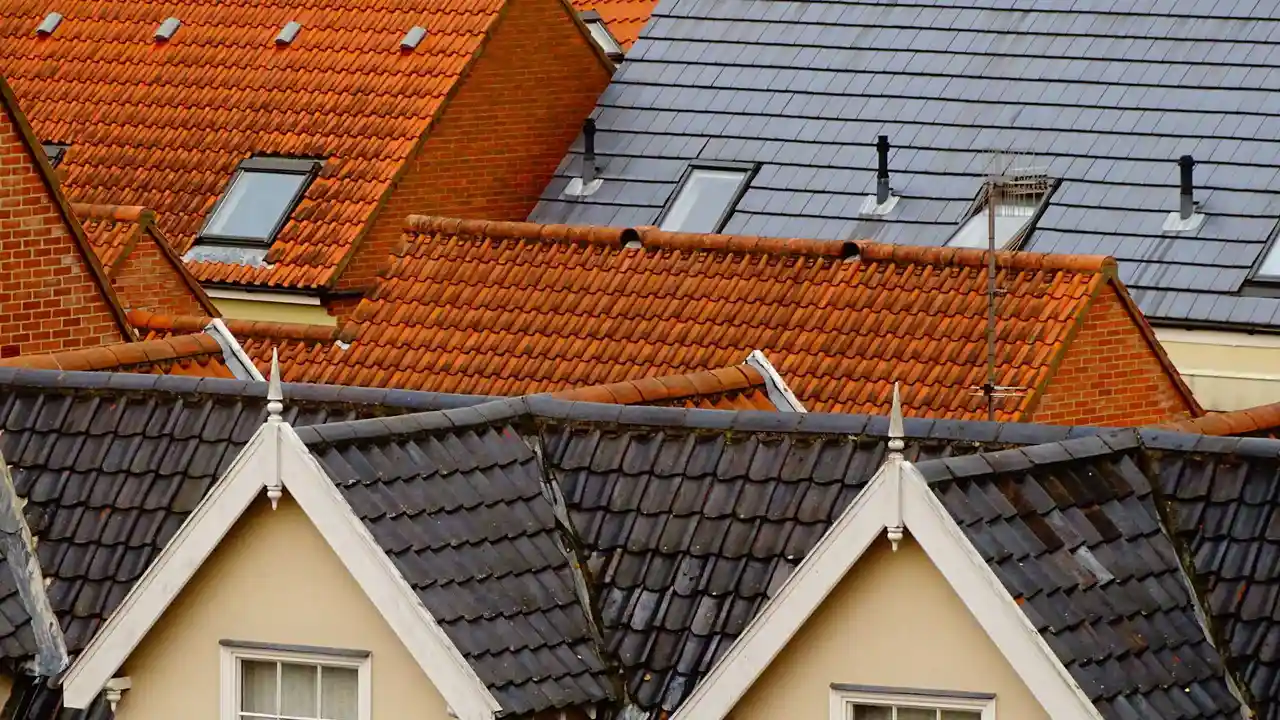
Understand the process of repairing or replacing your roof deck, a critical structural component of your roofing system.
Roof Deck Repair and Replacement A Comprehensive Guide
Hey there, homeowners! Let's talk about something super important but often overlooked when it comes to your roof: the roof deck. You might be thinking, 'What's a roof deck?' Well, it's essentially the foundation of your entire roofing system. Think of it as the sturdy platform that everything else – your underlayment, shingles, tiles, or metal panels – sits on. It's usually made of plywood or OSB (Oriented Strand Board) and is directly attached to your roof trusses or rafters. If your roof deck isn't in tip-top shape, even the most expensive, high-quality roofing materials won't perform as they should. A compromised roof deck can lead to sagging, leaks, and even structural instability for your entire home. So, understanding when and how to repair or replace it is crucial for the longevity and safety of your home.
Understanding Your Roof Deck What It Is and Why It Matters
Before we dive into repairs, let's get a clearer picture of what we're dealing with. Your roof deck is the structural layer that provides a continuous surface for your roofing materials. It's not just there to hold things up; it also contributes to the overall structural integrity of your home, helps distribute weight evenly, and provides a barrier against the elements. In most modern homes, you'll find either plywood or OSB. Plywood is made from thin layers of wood veneer glued together, while OSB is manufactured from compressed wood strands and adhesive. Both are common and effective, but they have slightly different characteristics regarding strength, moisture resistance, and cost.
Why does it matter so much? Imagine building a house on a shaky foundation. It wouldn't last, right? The same goes for your roof. A damaged or deteriorated roof deck can lead to a host of problems. It can cause your shingles to buckle or crack prematurely, create soft spots that are dangerous to walk on, and, most critically, allow water to penetrate into your attic and home, leading to mold, rot, and extensive structural damage. Regular roof inspections should always include a check of the roof deck's condition, especially during a full roof replacement.
Common Causes of Roof Deck Damage Identifying the Culprits
So, what typically causes a roof deck to go bad? Several factors can contribute to its deterioration:
- Water Damage and Leaks: This is by far the most common culprit. Persistent leaks, whether from damaged shingles, faulty flashing, or clogged gutters, can saturate the roof deck. Once wood gets wet and stays wet, it starts to rot, soften, and lose its structural integrity. This is particularly prevalent in areas with heavy rainfall or high humidity, like many parts of Southeast Asia.
- Poor Ventilation: Inadequate attic ventilation can trap heat and moisture in your attic. This humid environment can lead to condensation forming on the underside of your roof deck, slowly but surely causing it to rot and degrade over time. This is a silent killer for roof decks, often going unnoticed until significant damage has occurred.
- Pest Infestations: Termites, carpenter ants, and other wood-boring insects love to feast on damp or decaying wood. If your roof deck has been compromised by moisture, it becomes an open invitation for these pests to set up shop, further weakening the structure.
- Age and Wear and Tear: Like all building materials, roof decks have a lifespan. Over decades, exposure to temperature fluctuations, UV rays (even indirectly), and the constant stress of supporting the roofing materials can cause the wood to weaken, warp, or become brittle.
- Improper Installation: If the original roof deck was not installed correctly – for example, if the fasteners weren't spaced properly, or the panels weren't adequately supported – it can lead to premature failure and sagging.
- Storm Damage: High winds can lift and tear off roofing materials, exposing the roof deck to direct impact from rain and debris. Hail can also cause impact damage, especially to older or weaker decking.
Signs You Need Roof Deck Repair or Replacement What to Look For
How do you know if your roof deck needs attention? Here are some tell-tale signs:
- Sagging or Uneven Roof Surface: If you notice dips or sags in your roofline, either from the ground or from inside your attic, it's a strong indicator of a compromised roof deck. This is often due to water damage or structural weakening.
- Soft Spots When Walking on the Roof: During a roof inspection (which should always be done by a professional for safety reasons), if you feel soft or spongy areas underfoot, it means the decking beneath is likely rotted or severely weakened.
- Water Stains or Leaks in the Attic: Any signs of water intrusion in your attic – water stains on the ceiling, dripping water, or a musty smell – point to a leak that has likely affected your roof deck.
- Visible Mold or Mildew Growth: Mold or mildew on the underside of your roof deck or on attic insulation is a clear sign of excessive moisture, which will inevitably lead to deck deterioration.
- Damaged or Missing Shingles in Specific Areas: While missing shingles can be a standalone issue, if they are consistently coming off in the same area, or if the underlying deck appears soft or rotted when the shingles are removed, it's a deck problem.
- Pest Activity: If you find evidence of termites, carpenter ants, or other wood-destroying insects in your attic or around your roof structure, it's time to investigate the roof deck.
The Repair Process Step by Step What to Expect
When it comes to roof deck repair or replacement, it's almost always done in conjunction with a full roof replacement. It's incredibly rare to repair a roof deck without removing the existing roofing materials first. Here's a general overview of the process:
Step 1 Initial Inspection and Assessment
A qualified roofing contractor will conduct a thorough inspection of your entire roof, including the attic. They'll look for signs of damage, soft spots, water intrusion, and assess the overall condition of the existing roof deck. They'll determine the extent of the damage and whether spot repairs are feasible or if a full replacement of sections is necessary.
Step 2 Removal of Existing Roofing Materials
This is where the old roof comes off. Shingles, tiles, underlayment, and any other layers are carefully removed down to the bare roof deck. This allows the contractor full access to inspect and work on the decking.
Step 3 Identifying and Marking Damaged Areas
Once the old roofing is gone, the contractor can clearly see all damaged sections of the roof deck. They'll mark these areas for removal. Sometimes, the damage is localized to a few sheets, while other times, extensive sections or even the entire deck might need replacement.
Step 4 Cutting Out and Removing Damaged Decking
Using appropriate tools, the damaged sections of plywood or OSB are carefully cut out and removed. Care is taken to ensure that the cuts are clean and straight, typically along the center of the roof rafters or trusses to provide proper support for the new decking.
Step 5 Installing New Roof Decking Materials
New sheets of plywood or OSB are then cut to size and securely fastened to the roof rafters or trusses. The type of decking used will depend on local building codes and the specific requirements of your roofing system. Common thicknesses are 1/2 inch or 5/8 inch. Proper spacing between sheets (usually 1/8 inch) is crucial to allow for expansion and contraction due to temperature changes, preventing buckling. Fasteners (nails or screws) are driven at specific intervals to ensure maximum holding power.
Step 6 Addressing Ventilation and Other Issues
While the roof deck is exposed, it's an excellent opportunity to address any underlying issues like poor attic ventilation. The contractor might recommend installing additional soffit vents, ridge vents, or other ventilation solutions to prevent future moisture buildup and extend the life of your new roof deck.
Step 7 Installation of New Roofing System
Once the new roof deck is securely in place, the contractor will proceed with installing the new underlayment, flashing, and your chosen roofing material (shingles, tiles, metal, etc.), completing the entire roofing system.
Choosing the Right Roof Decking Material Plywood vs OSB
When replacing your roof deck, you'll typically choose between plywood and OSB. Both are excellent choices, but here's a quick comparison:
Plywood Advantages and Disadvantages
- Advantages: Plywood tends to be slightly more resistant to moisture damage than OSB, especially if it gets wet and dries out repeatedly. It also holds fasteners (nails) a bit better and is generally considered more durable in the long run. It's often preferred in areas with high humidity or frequent rain.
- Disadvantages: Plywood is typically more expensive than OSB.
OSB Advantages and Disadvantages
- Advantages: OSB is generally more affordable than plywood, making it a popular choice for budget-conscious homeowners. It's also very strong and consistent in its properties.
- Disadvantages: If OSB gets wet and stays wet, it can swell and lose its structural integrity more readily than plywood. It's crucial to ensure excellent waterproofing and ventilation if using OSB, especially in humid climates.
Your contractor will advise you on the best option based on your local climate, budget, and specific roofing system requirements. Always ensure the material meets local building codes.
Recommended Products and Brands for Roof Decking
While roof decking might not have the same brand recognition as shingles, there are reputable manufacturers known for quality. When discussing with your contractor, you might hear about these:
Plywood Brands
- Georgia-Pacific (GP): A very well-known name in building materials, GP offers a range of plywood products suitable for roof decking. Their CDX grade plywood is a common choice, offering good durability and moisture resistance.
- Weyerhaeuser: Another industry giant, Weyerhaeuser produces high-quality plywood and engineered wood products. Their panels are known for consistency and strength.
- Boise Cascade: Offers a variety of plywood options, including those specifically designed for structural applications like roof decking.
OSB Brands
- LP Building Solutions (LP TopNotch, LP Legacy): LP is a leading manufacturer of OSB. Their TopNotch series is popular for subflooring and roof decking, known for its strength and moisture resistance. LP Legacy is a premium OSB with enhanced moisture resistance.
- Huber Engineered Woods (AdvanTech): AdvanTech is a premium OSB product often used for subflooring but also suitable for high-performance roof decking. It's known for its superior moisture resistance and strength, making it a great choice for challenging climates.
- Norbord (TruFlor, TruRoof): Norbord is one of the largest OSB manufacturers globally, offering reliable and cost-effective OSB panels for various applications, including roofing.
Considerations for Product Selection
- Thickness: Most residential roof decks use 1/2 inch or 5/8 inch thick panels. The required thickness will depend on the spacing of your rafters/trusses and local building codes.
- Grade: For roof decking, you'll typically use CDX plywood (C-grade face, D-grade back, exterior glue) or an equivalent structural OSB.
- Moisture Resistance: In humid climates or areas prone to heavy rain, consider enhanced moisture-resistant OSB products like AdvanTech or premium plywood.
- Cost: Prices can vary significantly based on brand, material type, thickness, and local market conditions. Generally, OSB will be 10-20% less expensive than plywood of comparable thickness.
Cost Implications of Roof Deck Repair and Replacement Budgeting for the Unexpected
The cost of roof deck repair or replacement can vary widely depending on several factors:
- Extent of Damage: A few damaged sheets will be much cheaper to replace than an entire roof deck.
- Material Choice: Plywood is generally more expensive than OSB.
- Labor Costs: These vary by region and the complexity of the job.
- Accessibility: A steeply pitched roof or one with difficult access will incur higher labor costs.
- Disposal Fees: Removing and disposing of old decking adds to the overall cost.
On average, expect to pay anywhere from $50 to $100 per sheet for materials and labor to replace a damaged section of roof decking. If a significant portion or the entire roof deck needs replacement, this cost can add $1,000 to $5,000 or more to the total cost of a roof replacement project. For a full roof deck replacement on an average-sized home, you could be looking at an additional $3,000 to $10,000+ on top of the cost of the new roofing materials and installation.
It's important to get a detailed quote from your roofing contractor that clearly outlines the costs associated with roof deck repair or replacement. Don't shy away from asking for a breakdown of material and labor costs for this specific part of the job.
Preventative Measures Protecting Your Roof Deck for the Long Haul
The best way to deal with roof deck damage is to prevent it in the first place! Here are some key preventative measures:
- Regular Roof Inspections: Have your roof professionally inspected at least once a year, and after any major storm. Early detection of leaks or damage can save you a lot of money and hassle.
- Maintain Gutters and Downspouts: Keep your gutters clean and free-flowing. Clogged gutters can cause water to back up and seep under your roofing materials, directly onto your roof deck.
- Ensure Proper Attic Ventilation: Make sure your attic has adequate intake (soffit) and exhaust (ridge or static) ventilation. This prevents heat and moisture buildup, protecting your roof deck from condensation and rot.
- Address Leaks Promptly: If you notice any signs of a leak, no matter how small, get it repaired immediately. Even a tiny drip can lead to significant deck damage over time.
- Trim Overhanging Branches: Tree branches rubbing against your roof can wear down shingles and create entry points for water. Trim them back to prevent damage.
- Consider a High-Quality Underlayment: When replacing your roof, invest in a high-quality synthetic underlayment or an ice and water shield in vulnerable areas. These provide an extra layer of protection for your roof deck against moisture.
When to Call a Professional The Importance of Expertise
While some minor home repairs can be DIY projects, roof deck repair and replacement are definitely jobs for experienced professionals. Here's why:
- Safety: Working on a roof, especially a damaged one, is inherently dangerous. Professionals have the right safety equipment and training.
- Expertise: Identifying the extent of damage, choosing the right materials, and ensuring proper installation requires specialized knowledge and experience.
- Structural Integrity: The roof deck is a critical structural component. Improper repairs can compromise the entire roof and even your home's structure.
- Warranty: Professional installation often comes with warranties on both labor and materials, giving you peace of mind.
- Building Codes: Professionals are familiar with local building codes and ensure all work complies, which is important for insurance and resale value.
Don't hesitate to get multiple quotes from reputable roofing contractors. Look for those with good reviews, proper licensing, and insurance. Ask them to clearly explain their assessment of your roof deck and their proposed solutions. A well-maintained or properly replaced roof deck is an investment in the long-term health and safety of your home.
:max_bytes(150000):strip_icc()/277019-baked-pork-chops-with-cream-of-mushroom-soup-DDMFS-beauty-4x3-BG-7505-5762b731cf30447d9cbbbbbf387beafa.jpg)