Nanotechnology in Roofing Materials
An overview of how nanotechnology is enhancing the durability, self-cleaning, and energy efficiency of roofing materials.
An overview of how nanotechnology is enhancing the durability, self-cleaning, and energy efficiency of roofing materials.
Nanotechnology in Roofing Materials
What is Nanotechnology and Why Does it Matter for Your Roof
Alright, let's talk about something super cool that's changing the game for roofs: nanotechnology. You might hear 'nano' and think tiny robots or science fiction, but it's actually a very real and impactful field. Essentially, nanotechnology involves manipulating materials at an atomic or molecular level, typically in the range of 1 to 100 nanometers. To give you some perspective, a human hair is about 80,000 to 100,000 nanometers wide. So, we're talking incredibly, incredibly small. But don't let the size fool you; these tiny changes can lead to massive improvements in material properties.
For your roof, this means we're not just talking about making things a little bit better. We're talking about creating roofing materials that are significantly more durable, can clean themselves, are way more energy-efficient, and even have enhanced fire resistance. Imagine a roof that actively fights off moss and algae, or one that keeps your home cooler without you having to crank up the AC. That's the promise of nanotechnology in roofing. It's about building smarter, stronger, and more sustainable roofs from the ground up, or rather, from the molecule up.
Enhanced Durability and Longevity Nanocoatings for Roof Protection
One of the biggest headaches for homeowners is roof wear and tear. Sun, rain, wind, hail – they all take their toll. This is where nanotechnology really shines in boosting durability and extending the lifespan of your roof. We're talking about applying nanocoatings that act like an invisible shield, making your roofing materials much tougher.
UV Resistance and Weatherproofing with Nanoparticles
Traditional roofing materials can degrade over time due to constant exposure to ultraviolet (UV) radiation from the sun. This leads to fading, cracking, and a general weakening of the material. Nanoparticles, particularly those made of titanium dioxide (TiO2) or zinc oxide (ZnO), are fantastic at reflecting and absorbing UV light. When these nanoparticles are incorporated into paints, coatings, or even directly into the roofing material, they create a barrier that significantly reduces UV degradation. This means your roof maintains its structural integrity and aesthetic appeal for much longer, especially in sunny regions like parts of the US and Southeast Asia.
Beyond UV, these nanocoatings also offer superior weatherproofing. They can create a hydrophobic (water-repelling) surface, causing rainwater to bead up and roll off quickly, rather than soaking into the material. This reduces the risk of water damage, mold, and mildew growth. Some coatings even incorporate nanoparticles that fill microscopic pores in the material, making it less permeable to water and air, further enhancing its resistance to the elements.
Scratch and Abrasion Resistance Nanocomposites for Tougher Surfaces
Think about hail storms, falling branches, or even just foot traffic during maintenance. These can all cause scratches and abrasions that compromise your roof's surface. Nanocomposites, which are materials where nanoparticles are dispersed within a larger matrix, can dramatically improve the mechanical strength and scratch resistance of roofing materials. For example, adding carbon nanotubes or silica nanoparticles to polymers used in roofing membranes or coatings can make them significantly harder and more resistant to physical damage. This translates to fewer repairs and a longer-lasting roof, saving you money and hassle in the long run.
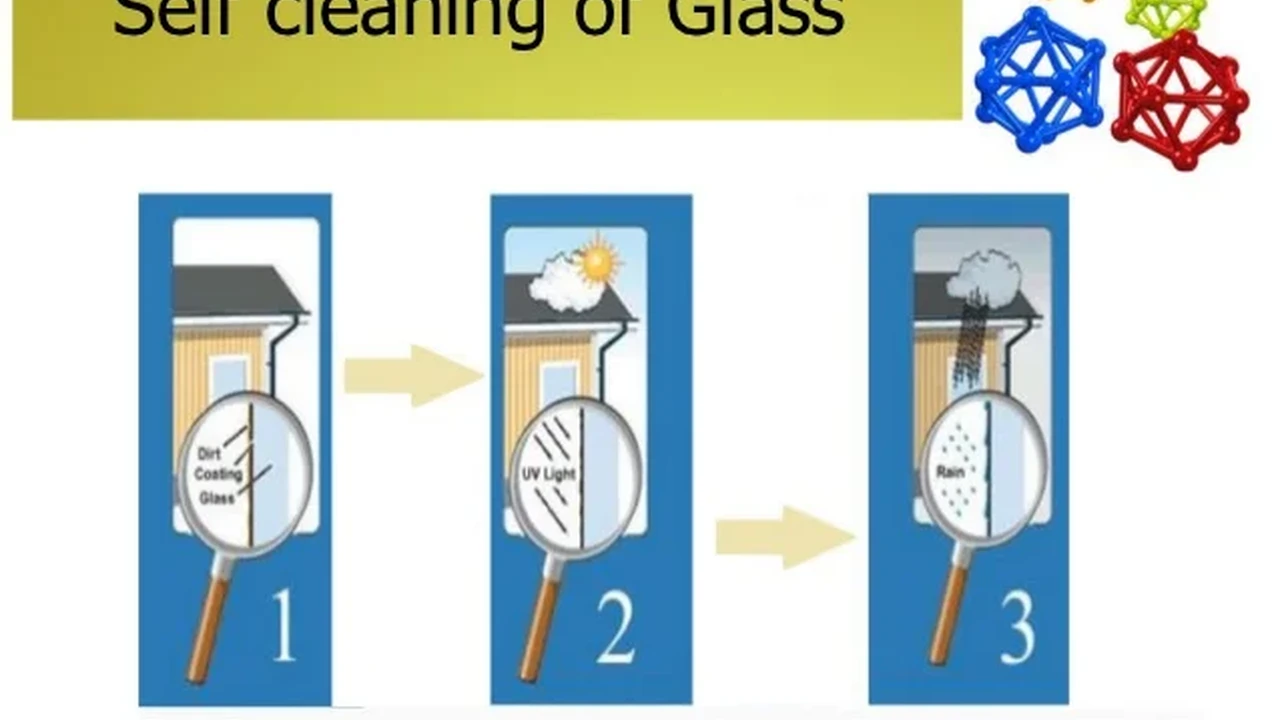
Self Cleaning Roofs The Magic of Photocatalysis and Hydrophobicity
Who wouldn't love a roof that cleans itself? Nanotechnology is making this dream a reality, primarily through two fascinating mechanisms: photocatalysis and superhydrophobicity.
Photocatalytic Coatings for Algae and Pollution Control
Certain nanoparticles, most notably titanium dioxide (TiO2), exhibit photocatalytic properties. This means that when exposed to sunlight, they react with moisture in the air to produce highly reactive oxygen species. These species then break down organic pollutants, such as dirt, grime, algae, moss, and even airborne pollutants like nitrogen oxides (NOx) from car exhaust. Essentially, your roof becomes an active air purifier and a self-cleaning surface. Rain then washes away the broken-down residue, leaving your roof looking fresh and clean without you lifting a finger. This is particularly beneficial in humid climates where algae and moss growth are common, and in urban areas with higher air pollution.
Superhydrophobic Surfaces for Dirt and Water Repellency
Imagine a lotus leaf – water just beads up and rolls right off, taking dirt with it. This is due to the leaf's superhydrophobic surface, which nanotechnology can replicate. By creating incredibly intricate, rough surface textures at the nanoscale, combined with low-surface-energy materials, engineers can make roofing surfaces that are extremely water-repellent. Water droplets have minimal contact with the surface, so they form perfect spheres and roll off easily, picking up any loose dirt or dust particles as they go. This not only keeps your roof cleaner but also prevents water from lingering, which can lead to mold, mildew, and material degradation.
Energy Efficiency and Thermal Management Nanomaterials for Cooler Homes
In places like the US Sun Belt or the sweltering heat of Southeast Asia, keeping your home cool can be a huge energy drain. Nanotechnology offers some brilliant solutions for making your roof a key player in thermal management, leading to significant energy savings.
Cool Roof Technology with Nanoparticle Enhanced Coatings
Traditional dark-colored roofs absorb a lot of solar radiation, transferring that heat into your attic and then into your living space. Cool roof technology aims to combat this by reflecting more sunlight and emitting absorbed heat more efficiently. Nanoparticle-enhanced coatings take this a step further. These coatings incorporate specialized nanoparticles that are highly reflective across the solar spectrum, including visible, infrared, and ultraviolet light. Even dark-colored coatings can be made 'cool' by using these nanoparticles, allowing you to have the aesthetic you want without the heat penalty.
For example, some coatings use hollow glass microspheres or specific metal oxide nanoparticles that scatter sunlight more effectively than conventional pigments. This means less heat is absorbed by the roof, leading to a cooler attic and reduced demand on your air conditioning system. This can translate to substantial savings on your electricity bills, especially during peak summer months.
Phase Change Materials PCM for Temperature Regulation
Another exciting application is the use of Phase Change Materials (PCMs) at the nanoscale. PCMs are substances that absorb and release large amounts of latent heat when they change phase (e.g., from solid to liquid or vice versa) at a specific temperature. When incorporated into roofing materials or insulation, nano-encapsulated PCMs can help regulate indoor temperatures. During the day, as the sun heats the roof, the PCM melts, absorbing heat and preventing it from entering the house. At night, as temperatures drop, the PCM solidifies, releasing the stored heat. This helps to stabilize indoor temperatures, reducing temperature swings and the need for constant heating or cooling.
Fire Resistance and Safety Nanocomposites for Enhanced Protection
Fire safety is a critical concern for any home, and nanotechnology is contributing to making roofs more resistant to fire, offering an extra layer of protection for your property and loved ones.
Flame Retardant Nanoparticles in Roofing Materials
Many traditional roofing materials, especially those made from organic compounds, can be flammable. Nanoparticles can be incorporated into these materials to significantly improve their flame retardancy. For instance, certain inorganic nanoparticles like layered silicates (clays), carbon nanotubes, or metal hydroxides can act as physical barriers, char formers, or radical scavengers when exposed to heat. They can create a protective char layer on the surface, reducing the spread of flames and limiting the release of combustible gases. This slows down the burning process, giving occupants more time to evacuate and firefighters more time to respond.
The beauty of using nanoparticles for flame retardancy is that they can often achieve high levels of protection with a relatively small amount of additive, sometimes without negatively impacting other material properties like flexibility or strength. This is a huge advantage over traditional flame retardants, which can sometimes compromise the material's performance or contain harmful chemicals.
Specific Nanotech Roofing Products and Their Applications
Alright, let's get down to some actual products you might encounter or hear about. While many nanotech applications are still emerging, several companies are already integrating these advanced materials into their roofing solutions. Keep in mind that pricing can vary wildly based on region, contractor, and project complexity.
1. Nanoskin Coatings for Existing Roofs
- Product Type: Transparent or pigmented liquid coatings.
- Application: Applied over existing asphalt shingles, metal roofs, concrete tiles, or even flat roofs.
- Key Features: These coatings often contain nanoparticles of TiO2, SiO2 (silica), or specialized polymers. They create a superhydrophobic surface for self-cleaning and water repellency, and some offer enhanced UV protection and thermal reflectivity.
- Use Case: Ideal for homeowners looking to extend the life of their current roof, improve its appearance, and boost energy efficiency without a full replacement. Great for regions with high humidity, frequent rain, or intense sun.
- Comparison: Unlike traditional sealants, nanoskin coatings often bond at a molecular level, offering longer-lasting protection and active self-cleaning properties. They are typically thinner and more breathable than thick elastomeric coatings.
- Estimated Cost: For professional application, expect to pay anywhere from $2 to $5 per square foot, depending on the product and roof condition. DIY kits might be available for less, but professional application ensures proper coverage and longevity.
- Example Product (Illustrative): While specific brand names can change, look for products marketed as 'nano-ceramic coatings' or 'self-cleaning roof sealants' from companies like Nanoskin, GrapheneCoat, or similar specialty coating manufacturers. Always check for independent testing and warranties.
2. Nano-Enhanced Asphalt Shingles
- Product Type: Standard asphalt shingles with integrated nanoparticles.
- Application: Installed just like regular asphalt shingles.
- Key Features: These shingles might incorporate nanoparticles into the granule coating or the asphalt matrix itself. Benefits include improved UV resistance, enhanced granule adhesion (reducing granule loss), better flexibility in extreme temperatures, and sometimes even photocatalytic properties for algae resistance.
- Use Case: For homeowners who prefer the traditional look and cost-effectiveness of asphalt shingles but want superior performance and longevity. Excellent for areas experiencing harsh weather cycles.
- Comparison: They offer a step up from premium asphalt shingles by providing molecular-level enhancements that improve durability and resistance to common issues like algae growth and UV degradation.
- Estimated Cost: Expect a 10% to 25% premium over standard architectural shingles. This could mean an additional $1 to $3 per square foot for materials.
- Example Product (Illustrative): CertainTeed, GAF, and Owens Corning are major shingle manufacturers that are actively researching and integrating advanced materials. Look for their premium lines that highlight 'advanced granule technology' or 'algae-resistant formulations' which often leverage nanotechnology. For instance, GAF's StainGuard Plus uses copper-containing granules that inhibit algae growth, a form of micro-level engineering.
3. Nano-Composite Metal Roofing
- Product Type: Metal roofing panels (steel, aluminum) with advanced nanocoatings.
- Application: Installed as standing seam, metal tiles, or corrugated panels.
- Key Features: These metal roofs feature multi-layered nanocoatings that provide exceptional corrosion resistance, scratch resistance, and often enhanced solar reflectivity. The coatings can include ceramic nanoparticles for hardness and specialized polymers for flexibility and adhesion.
- Use Case: Ideal for homeowners seeking the ultimate in durability, energy efficiency, and low maintenance. Particularly beneficial in coastal areas (for corrosion resistance) or regions with extreme temperature fluctuations.
- Comparison: While standard metal roofs are already durable, nano-composite versions push the boundaries of longevity and performance, offering superior protection against environmental stressors that can degrade even high-quality metals over time.
- Estimated Cost: Metal roofing is already a premium option. Nano-enhanced versions might add another 5% to 15% to the material cost, potentially ranging from $8 to $18+ per square foot installed, depending on the metal type and complexity.
- Example Product (Illustrative): Companies like Valspar (with their Fluropon coatings) and AkzoNobel (with their CERAM-A-STAR coatings) are leaders in high-performance coil coatings for metal roofing. These often incorporate ceramic or other inorganic nanoparticles to boost durability and color retention.
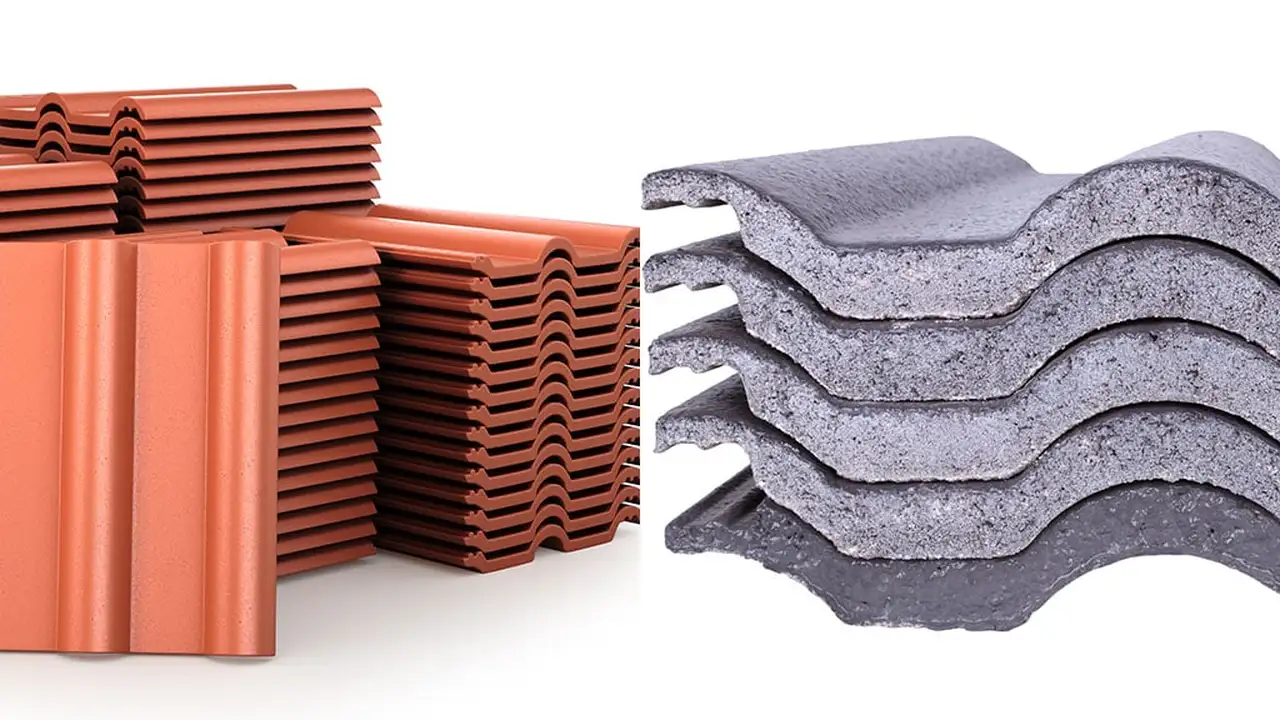
4. Nano-Enhanced Tile and Concrete Roofs
- Product Type: Clay, concrete, or synthetic tiles with surface treatments or integrated nanoparticles.
- Application: Installed as traditional tile roofing.
- Key Features: Nanoparticles can be added to the tile mix or applied as a post-production coating. This enhances water repellency, reduces efflorescence (white powdery deposits on concrete), improves resistance to moss and lichen growth, and can even boost impact resistance.
- Use Case: For homeowners who love the aesthetic and inherent durability of tile roofs but want to minimize maintenance and ensure long-term color stability. Excellent for Mediterranean or Spanish-style homes, or in regions prone to heavy rain and humidity.
- Comparison: These tiles offer superior resistance to biological growth and staining compared to untreated tiles, maintaining their aesthetic appeal with less effort.
- Estimated Cost: A 5% to 10% increase over standard high-quality tiles. Clay and concrete tiles themselves can range from $8 to $20+ per square foot installed, so the nano-enhancement adds a fraction to that.
- Example Product (Illustrative): Companies like Boral Roofing or Eagle Roofing Products might offer lines with advanced surface treatments. Look for terms like 'self-cleaning technology' or 'algae-resistant finish' in their product descriptions.
The Future is Nano What to Expect Next in Roofing
The field of nanotechnology is constantly evolving, and its application in roofing is only going to grow. We're just scratching the surface of what's possible. Here's a peek at what might be coming down the pipeline:
Smart Roofs with Integrated Sensors and Self-Healing Capabilities
Imagine a roof that not only cleans itself but also tells you when it needs attention. We're talking about integrating nanosensors directly into roofing materials that can monitor for moisture intrusion, structural stress, or even temperature fluctuations. These sensors could communicate with your smart home system, alerting you to potential issues before they become major problems. Even more futuristic are self-healing materials. Researchers are developing polymers and coatings that contain microcapsules filled with healing agents. When a crack forms, these capsules break, releasing the agent to repair the damage automatically. This could dramatically extend roof life and reduce maintenance needs.
Advanced Solar Energy Harvesting and Storage
While solar panels are common, nanotechnology is paving the way for more efficient and seamlessly integrated solar solutions. Think about transparent solar cells that could be part of your skylights or windows, or highly efficient thin-film solar materials that are indistinguishable from regular roofing shingles. Beyond generation, nanomaterials could also play a role in more compact and efficient energy storage solutions directly within the roof structure, making your home even more self-sufficient.
Environmental Benefits and Sustainability
Nanotechnology isn't just about making roofs better; it's also about making them greener. The self-cleaning properties reduce the need for harsh chemical cleaners. The enhanced durability means less material ends up in landfills. The improved energy efficiency reduces your carbon footprint. Furthermore, researchers are exploring ways to use nanomaterials to filter rainwater more effectively or even to capture carbon dioxide from the atmosphere. As we move towards a more sustainable future, nanotech-enabled roofs will play an increasingly vital role in creating eco-friendly homes and cities.
Considering Nanotech for Your Next Roof Project
So, should you jump on the nanotech bandwagon for your next roof? It's definitely something to consider, especially if you're looking for long-term value, reduced maintenance, and enhanced performance. While these advanced materials might come with a higher upfront cost, the benefits in terms of durability, energy savings, and extended lifespan can often outweigh the initial investment.
When talking to your roofing contractor, ask about products that incorporate advanced coatings or materials. Look for certifications and warranties that back up the claims of enhanced performance. As with any home improvement, doing your research and choosing reputable products and installers is key. Nanotechnology is no longer just a lab experiment; it's becoming a practical and powerful tool for building better roofs for homes across the US and Southeast Asia.
:max_bytes(150000):strip_icc()/277019-baked-pork-chops-with-cream-of-mushroom-soup-DDMFS-beauty-4x3-BG-7505-5762b731cf30447d9cbbbbbf387beafa.jpg)