Phase Change Materials for Roof Insulation
Explore the use of phase change materials in roof insulation to regulate indoor temperatures more effectively.
Explore the use of phase change materials in roof insulation to regulate indoor temperatures more effectively.
Phase Change Materials for Roof Insulation
Understanding Phase Change Materials PCM Technology in Roofing
Alright, let's talk about something super cool (pun intended!) that's making waves in the world of home insulation: Phase Change Materials, or PCMs. You might not have heard much about them, but these aren't your grandma's insulation. We're moving beyond just slowing down heat transfer; PCMs actively manage it, making your home more comfortable and energy-efficient. Think of it like this: traditional insulation is a thick blanket, keeping heat in or out. PCMs are more like a smart thermostat built right into your walls or roof, absorbing and releasing heat as needed.
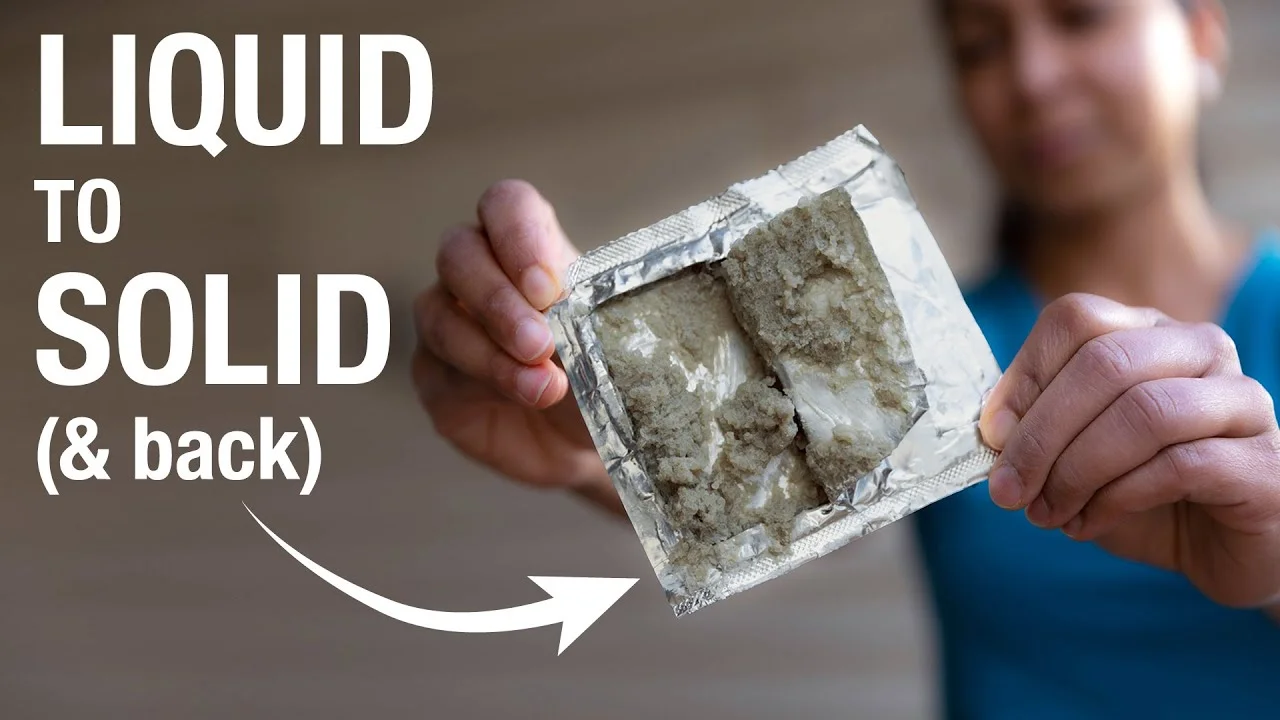
So, what exactly are PCMs? At their core, they're substances that can absorb and release large amounts of latent heat when they change their physical state, usually from solid to liquid and back again. The most common example you probably already know is water turning into ice. When water freezes, it releases a lot of heat (latent heat of fusion), and when ice melts, it absorbs a lot of heat. PCMs work on the same principle, but they're engineered to change phase at temperatures relevant to human comfort, typically between 68°F and 78°F (20°C and 26°C).
In roofing, PCMs are integrated into insulation layers, panels, or even directly into roofing materials. Their job is to act as a thermal battery. During the day, when the sun is beating down and your attic is heating up, the PCM in your roof insulation starts to melt, absorbing that excess heat. This prevents the heat from penetrating into your living space, keeping your home cooler. As the evening comes and temperatures drop, the PCM begins to solidify, releasing the stored heat. This can help to slightly warm your home during cooler nights or simply delay the onset of cooling needs.
The magic here is that PCMs absorb and release heat without a significant change in their own temperature. This is different from sensible heat, which is what you feel when something gets hotter or colder. Latent heat is 'hidden' heat, absorbed or released during a phase change. This unique property allows PCMs to store and release a lot of thermal energy in a relatively small volume, making them incredibly efficient for thermal management in buildings.
The benefits for homeowners are pretty clear: better indoor temperature stability, reduced reliance on HVAC systems, and ultimately, lower energy bills. For the US and Southeast Asian markets, where extreme temperatures are common (hot summers in the US, year-round heat and humidity in Southeast Asia), PCM technology offers a compelling solution for more comfortable and sustainable living.
How Phase Change Materials Work in Roof Insulation for Energy Efficiency
Let's dive a bit deeper into the 'how' of PCMs in roof insulation. Imagine a typical hot summer day. The sun is blazing, and your roof is absorbing a ton of solar radiation. Without PCMs, that heat quickly transfers through your roof and into your attic, then down into your living space. Your air conditioner kicks into overdrive, trying to fight this constant influx of heat.
Now, introduce PCMs into the equation. As the roof heats up, the PCM layer, strategically placed within your roof assembly (often in the attic or directly under the roofing material), starts to absorb that heat. It does this by undergoing a phase change – typically melting from a solid to a liquid. This process requires a significant amount of energy (the latent heat we talked about), which means the PCM is effectively 'soaking up' the heat before it can reach your home's interior. This delays and reduces the peak heat load on your air conditioning system.
Think of it like a sponge for heat. It absorbs heat when it's abundant and releases it when it's scarce. During the hottest part of the day, when your AC would normally be working hardest, the PCM is busy melting and absorbing heat, keeping your indoor temperatures more stable and comfortable. This 'thermal buffering' effect means your AC doesn't have to work as hard or as long, leading to noticeable energy savings.
As the evening approaches and outdoor temperatures start to drop, the PCM begins to solidify, releasing the stored heat. In some climates, this released heat can slightly warm your home during cooler nights, reducing the need for heating. In consistently hot climates like Southeast Asia, this release might simply mean a slower rise in temperature the next morning, giving your AC a head start.
The key to PCM effectiveness is selecting materials with appropriate melting points. For roof insulation, you want PCMs that change phase within the comfort zone of your home, typically around 70-75°F (21-24°C). This ensures they are actively working to regulate temperatures when it matters most.
Beyond just temperature regulation, PCMs can also help reduce temperature swings within your home. This creates a more consistent and comfortable indoor environment, reducing those annoying hot and cold spots. For homeowners in both the US and Southeast Asia, where energy costs can be a significant concern, the ability of PCMs to passively manage thermal energy translates directly into tangible savings and improved living quality.
Types of Phase Change Materials for Roofing Applications and Their Properties
When we talk about PCMs, it's not just one magical substance. There are several types, each with its own characteristics that make it suitable for different applications. For roofing, we primarily look at organic and inorganic PCMs.
Organic PCMs Paraffin and Fatty Acids
These are probably the most common types used in building applications. They're typically derived from petroleum (paraffins) or natural sources (fatty acids). They're great because they have a high latent heat storage capacity, meaning they can absorb and release a lot of energy. They also tend to be non-corrosive, chemically stable, and don't supercool much (supercooling is when a liquid cools below its freezing point without solidifying, which can reduce efficiency).
- Paraffin Waxes: These are hydrocarbons with various melting points, making them highly customizable for different climate zones. They're non-toxic, non-corrosive, and relatively inexpensive. They're often encapsulated in small spheres or integrated into building materials.
- Fatty Acids: These are also organic compounds, often derived from vegetable oils. They share many of the benefits of paraffins, including good thermal properties and chemical stability. They can be a more environmentally friendly option.
Pros: High latent heat, good thermal reliability, non-corrosive, chemically stable, wide range of melting points available. Cons: Can be flammable (especially paraffins, though fire retardants are often added), some can be more expensive than inorganic options.
Inorganic PCMs Salt Hydrates
These are salt solutions that contain water molecules within their crystal structure. When they melt, they absorb heat, and when they solidify, they release it. They also have high latent heat storage capacity and are non-flammable, which is a big plus for safety.
- Salt Hydrates: Examples include calcium chloride hexahydrate or sodium sulfate decahydrate. They are generally less expensive than organic PCMs and have high thermal conductivity.
Pros: Non-flammable, high latent heat, good thermal conductivity, relatively inexpensive. Cons: Can be corrosive to some metals, prone to supercooling (which can reduce their effectiveness if not properly managed), and can undergo phase separation over time, reducing their lifespan.
Eutectic Mixtures Blending for Optimal Performance
Sometimes, engineers create eutectic mixtures by combining two or more substances to achieve a specific, sharp melting point. This allows for fine-tuning the PCM's performance to match specific temperature requirements, which is crucial for optimizing energy savings in different climates.
When choosing a PCM for roofing, several factors come into play:
- Melting Temperature: This is critical. It needs to align with the desired indoor temperature range for maximum effectiveness.
- Latent Heat Capacity: How much energy can it store and release per unit mass? Higher is better.
- Thermal Conductivity: How quickly can it absorb and release heat? Good conductivity is important for efficient operation.
- Stability and Durability: Will it maintain its properties over many cycles of melting and freezing?
- Cost: The overall economic viability of the material.
- Safety: Non-flammability, non-toxicity, and non-corrosiveness are key considerations.
Manufacturers often encapsulate PCMs in various forms – microcapsules, macro-capsules, or integrated into panels – to ensure they remain stable and effective within the roofing system. This encapsulation prevents leakage and degradation, ensuring the PCM performs reliably for years.
Integrating Phase Change Materials into Roofing Systems Installation Methods and Best Practices
So, you're sold on the idea of PCMs. How do they actually get into your roof? It's not as simple as just pouring a liquid onto your attic floor. Integration is key, and manufacturers have developed several clever ways to incorporate PCMs into roofing systems.
PCM-Enhanced Insulation Panels
This is one of the most common and effective methods. Manufacturers create rigid insulation panels (like those made from polyisocyanurate or expanded polystyrene) that have PCM integrated directly into them. The PCM might be encapsulated in small pouches or microcapsules within the foam matrix. These panels are then installed just like regular insulation panels, either on top of the roof deck (above-deck insulation) or within the attic space.
- Installation: These panels are typically cut to size and fastened to the roof deck or rafters. They can be used in both new construction and retrofits.
- Best Practice: Ensure a continuous layer of PCM insulation to avoid thermal bridging. Proper sealing and ventilation are still crucial.
PCM-Infused Drywall or Ceiling Tiles
While not directly in the roof, these products are often used in conjunction with roof insulation to enhance thermal performance. Drywall sheets or ceiling tiles can be manufactured with PCM integrated into their core. When installed on the ceiling of the top floor, they act as a thermal buffer, absorbing heat that might penetrate the attic and preventing it from reaching the living space.
- Installation: Replaces standard drywall or ceiling tiles.
- Best Practice: Consider this as a complementary solution to roof-level PCM integration for enhanced effect.
PCM-Enhanced Radiant Barriers
Radiant barriers are designed to reflect radiant heat. Some advanced radiant barriers now incorporate PCMs. These are typically thin, reflective sheets with a layer of PCM. They can be installed in the attic, either on the underside of the roof deck or across the attic floor joists. The PCM helps to absorb any radiant heat that isn't reflected, providing a double layer of thermal protection.
- Installation: Stapled to the underside of rafters or laid over attic floor joists.
- Best Practice: Ensure the reflective surface faces the air space for maximum effectiveness.
PCM-Integrated Roofing Membranes or Underlayments
This is a more direct integration. Some manufacturers are developing roofing membranes or underlayments that have PCM embedded within them. This places the PCM very close to the exterior surface, allowing it to absorb heat directly from the sun before it even enters the roof structure.
- Installation: Installed as part of the roofing system, directly under the primary roofing material (shingles, tiles, etc.).
- Best Practice: Compatibility with the primary roofing material is essential.
Encapsulated PCM Modules
These are standalone units or pouches of PCM that can be placed in the attic space. They are often designed to be easily installed in existing attics without major renovation. They might be placed on top of existing insulation or suspended from rafters.
- Installation: Can be a DIY-friendly option for retrofits.
- Best Practice: Ensure even distribution for optimal thermal performance.
General Best Practices for PCM Integration:
- Climate Matching: Select PCMs with melting points appropriate for your specific climate and desired indoor temperature. A PCM that melts at 90°F won't do much good if you want your house at 75°F.
- Proper Ventilation: PCMs work best when they can release their stored heat. Good attic ventilation is still crucial to allow the PCM to re-solidify overnight and be ready for the next day's heat.
- Air Sealing: PCMs enhance insulation, but they don't replace good air sealing. Prevent air leaks to maximize the overall energy efficiency of your home.
- Professional Installation: While some PCM products are DIY-friendly, for integrated panels or membranes, professional installation ensures proper performance and warranty validity.
By carefully considering these integration methods and best practices, homeowners can effectively leverage PCM technology to create a more comfortable, energy-efficient, and sustainable living environment.
Recommended PCM Products for Roofing and Their Applications
Alright, let's get down to some specifics. While the PCM market is constantly evolving, here are a few examples of companies and product types that are leading the way in integrating PCMs into building materials, particularly for roofing and attic applications. Keep in mind that product availability and specific formulations can vary by region, especially between the US and Southeast Asia.
1. DuPont Energain PCM Panels
- Product Type: Rigid panels containing a proprietary organic PCM.
- Application: Primarily designed for interior walls and ceilings, but can be highly effective when installed on the attic ceiling (underside of the roof deck or over attic joists) to absorb heat before it enters the living space.
- Key Features: These panels are relatively thin (around 5.25mm or 0.2 inches) but pack a punch in terms of thermal storage. They help to flatten out temperature peaks and troughs, reducing the load on HVAC systems. They are lightweight and easy to install.
- Use Case: Excellent for retrofitting existing homes where adding bulky insulation might be difficult. Ideal for attics in both hot US climates (e.g., Florida, Texas) and the consistently warm, humid climates of Southeast Asia (e.g., Singapore, Malaysia, Thailand) to reduce daytime cooling loads.
- Comparison: Unlike traditional insulation that just resists heat flow, Energain actively absorbs and releases heat. It's a 'smart' thermal mass.
- Estimated Cost: Varies significantly by region and supplier, but expect these to be a premium product compared to standard drywall. A rough estimate might be in the range of $5-$10 per square foot for the material itself, not including installation.
2. Microtek Laboratories PCM Slurries and Microencapsulated PCMs
- Product Type: Microencapsulated PCMs (tiny spheres containing PCM) that can be integrated into various building materials, or PCM slurries (liquid suspensions of PCM).
- Application: These are not end-products themselves but rather components that other manufacturers use. They can be mixed into paints, coatings, insulation foams, concrete, or even textiles. For roofing, they could be integrated into roof coatings, insulation boards, or even specialized underlayments.
- Key Features: The microencapsulation protects the PCM and allows for its integration into a wide range of materials without leakage or degradation. This offers immense flexibility in product design.
- Use Case: A manufacturer might use Microtek's PCMs to create a 'smart' roof coating that absorbs heat, or an insulation board with enhanced thermal storage. This is more for manufacturers than direct homeowner purchase, but it's good to know the underlying technology.
- Comparison: Offers the most versatile integration, allowing PCMs to be part of the very fabric of building materials.
- Estimated Cost: Not directly applicable to homeowners, as it's a raw material for other products.
3. Rubitherm Technologies PCM Products
- Product Type: Rubitherm offers a wide range of organic and inorganic PCMs in various forms, including encapsulated panels, mats, and bulk materials. They have products specifically designed for building applications.
- Application: Their PCM panels (e.g., RT series) can be integrated into roof structures, attics, or walls. They also offer PCM-infused plaster or drywall solutions.
- Key Features: Rubitherm is known for its extensive range of PCMs with different melting points, allowing for precise climate matching. Their products are often designed for high thermal cycling stability.
- Use Case: Suitable for both new construction and deep energy retrofits. Their panels can be installed in ventilated attics or directly under the roof deck to manage heat gain. Particularly useful in regions with significant diurnal temperature swings, where the PCM can charge during the day and discharge at night.
- Comparison: A very established player in the PCM market, offering robust and well-tested solutions.
- Estimated Cost: Similar to DuPont Energain, these are premium products. Expect material costs in the range of $5-$15 per square foot depending on the specific product and thermal capacity.
4. Phase Change Energy Solutions BioPCM
- Product Type: Bio-based PCMs, often encapsulated in flexible mats or panels.
- Application: Designed to be installed in attics, walls, and ceilings. Their BioPCM mats can be laid over existing insulation or suspended from rafters.
- Key Features: Focus on sustainability, using renewable resources for their PCMs. They offer various melting points to suit different climates. The mats are flexible and easy to handle.
- Use Case: An excellent choice for environmentally conscious homeowners looking for a sustainable thermal management solution. Ideal for attic retrofits in both the US and Southeast Asia to reduce heat transfer.
- Comparison: Differentiates itself with its bio-based composition, offering a greener alternative to petroleum-derived PCMs.
- Estimated Cost: Likely in the mid-to-high range for PCM products, possibly $7-$12 per square foot for the mats, depending on thickness and thermal capacity.
Considerations for Homeowners:
- Climate Specificity: Always ensure the PCM's melting point is appropriate for your local climate and desired indoor temperature. A PCM designed for a cold climate won't be effective in a hot, humid one.
- Integration Method: Consider how the PCM product will integrate with your existing or planned roofing system. Some are easier for retrofits than others.
- Cost vs. Savings: While PCMs are an investment, calculate the potential energy savings over time to determine the payback period. In high-energy-cost regions, the ROI can be significant.
- Professional Advice: Consult with an energy auditor or a specialized roofing contractor who has experience with PCM technology to get tailored recommendations for your home.
These products represent the cutting edge of thermal management in buildings. By incorporating them into your roofing system, you're not just insulating; you're actively managing your home's thermal environment for superior comfort and efficiency.
Cost Benefit Analysis of PCM Roof Insulation Investment and ROI
Okay, let's talk numbers. Investing in PCM roof insulation isn't just about being fancy; it's about saving money and making your home more comfortable. But like any home improvement, you want to know if it's worth the upfront cost. This is where a good cost-benefit analysis comes in, looking at the initial investment versus the long-term return on investment (ROI).
Initial Investment Factors:
- Material Cost: As we discussed, PCM products are generally more expensive than traditional insulation materials. A basic R-30 fiberglass batt might cost $0.50-$1.00 per square foot, while PCM panels or mats could range from $5-$15 per square foot, depending on the type, thermal capacity, and manufacturer.
- Installation Cost: This can vary. If you're integrating PCM into new construction or a full roof replacement, the incremental installation cost might be lower as it's part of a larger project. For retrofits, especially if it involves opening up ceilings or complex attic work, installation costs can be higher. Professional installation is often recommended for optimal performance.
- System Complexity: Some PCM solutions are simpler (e.g., laying mats), while others are more integrated (e.g., PCM-infused panels that replace standard insulation). More complex systems might have higher initial costs.
Let's put some hypothetical numbers to it. For a 2,000 sq ft roof, a traditional insulation upgrade might cost $2,000 - $4,000 for materials and installation. A PCM-enhanced solution for the same area could easily be $10,000 - $30,000 or more, depending on the product and scope.
Benefits and Savings:
- Reduced Energy Bills: This is the big one. PCMs significantly reduce heat transfer, especially during peak demand hours. This means your air conditioning (and potentially heating) system runs less often and less intensely. Studies and real-world applications have shown energy savings ranging from 10% to 30% or even more, depending on climate, existing insulation, and PCM integration.
- Improved Comfort: While hard to put a dollar value on, a more stable and comfortable indoor temperature means less reliance on thermostats and a more pleasant living environment. This can be a huge benefit, especially in extreme climates.
- Downsizing HVAC: In new construction, the reduced peak load due to PCMs might allow for a smaller, less expensive HVAC system, offsetting some of the PCM cost.
- Extended HVAC Lifespan: When your HVAC system works less, it lasts longer, delaying costly replacement.
- Environmental Impact: Lower energy consumption means a smaller carbon footprint, contributing to environmental sustainability.
- Increased Home Value: An energy-efficient home with advanced thermal management can be a significant selling point, potentially increasing its market value.
Calculating ROI and Payback Period:
To calculate your ROI, you'll need to estimate your annual energy savings. Let's say your current annual energy bill for heating and cooling is $2,500. If PCMs can save you 20%, that's $500 per year. If your PCM investment was $15,000, your simple payback period would be $15,000 / $500 = 30 years. This might seem long, but several factors can shorten it:
- Higher Energy Costs: In regions with very high electricity prices (common in parts of the US and many Southeast Asian cities), the annual savings will be greater, leading to a faster payback.
- Extreme Climates: Homes in very hot or very cold climates will see greater benefits from PCMs, as the thermal buffering effect is more pronounced.
- Rebates and Incentives: Look for local, state, or federal tax credits, rebates, or grants for energy-efficient home improvements. These can significantly reduce your upfront cost.
- Combined with Other Upgrades: If you're already doing a roof replacement or a major renovation, integrating PCMs can be more cost-effective as labor costs are shared.
It's also important to consider the 'lifetime' ROI. A PCM system is designed to last for decades, providing continuous savings over its lifespan. Even if the simple payback period is 15-20 years, the system will continue to generate savings for many years beyond that.
For homeowners in the US, especially in states like California, Arizona, or Florida, where cooling costs are high, the ROI can be quite attractive. Similarly, in Southeast Asia, where air conditioning is a necessity for much of the year, the consistent energy savings can make PCM a very smart investment. Always get detailed quotes and energy savings estimates from reputable contractors to make an informed decision.
Challenges and Future Outlook for PCM in Roofing Sustainable Solutions
While Phase Change Materials offer incredible potential for making our homes more energy-efficient and comfortable, they're not without their challenges. But don't worry, the future looks bright as researchers and manufacturers are constantly working to overcome these hurdles.
Current Challenges:
- Cost: As we just discussed, PCMs are generally more expensive than traditional insulation. This higher upfront cost can be a barrier for some homeowners, even with the promise of long-term savings.
- Integration Complexity: While there are various ways to integrate PCMs, ensuring optimal performance often requires careful design and installation. It's not always a simple 'add-on' and might require specialized knowledge.
- Thermal Cycling Stability: PCMs need to undergo thousands of melt/freeze cycles over their lifespan without degrading. Some early PCMs had issues with phase separation or loss of latent heat capacity over time. Modern PCMs are much better, but it's still a consideration.
- Supercooling: Especially with some inorganic PCMs, supercooling can be an issue. This is when the material cools below its freezing point but doesn't solidify, meaning it won't release its stored heat until it finally crystallizes. This reduces its effectiveness. Nucleating agents are often added to mitigate this.
- Flammability (for some organic PCMs): While fire retardants are commonly added, the flammability of some organic PCMs (like paraffins) needs to be managed, especially in building applications.
- Limited Awareness: Many homeowners and even some contractors aren't fully aware of PCM technology or its benefits, which slows adoption.
- Regional Specificity: The optimal melting point for a PCM varies significantly by climate. A product perfect for a hot, dry climate might be less effective in a humid, temperate one, requiring careful product selection.
Future Outlook and Innovations:
Despite these challenges, the future of PCMs in roofing and building applications is incredibly promising. Here's what we can expect:
- Cost Reduction: As production scales up and research continues, the cost of PCMs is expected to decrease, making them more accessible to a wider market.
- Improved Performance: Ongoing R&D is leading to PCMs with higher latent heat capacities, better thermal conductivity, and enhanced long-term stability. We'll see more robust materials that can withstand countless cycles without degradation.
- Bio-based and Sustainable PCMs: There's a strong push towards developing PCMs from renewable, bio-based sources, reducing reliance on petroleum products and improving their environmental profile. Companies like Phase Change Energy Solutions are already leading the way here.
- Multi-functional Materials: Expect to see PCMs integrated into more multi-functional building materials. Imagine roofing shingles that not only protect your home but also actively manage its temperature, or paints that absorb heat.
- Smart PCM Systems: Future systems might incorporate sensors and smart controls that can optimize the PCM's performance based on real-time weather data and indoor conditions, maximizing energy savings.
- Enhanced Encapsulation: Better encapsulation techniques will improve the durability, safety, and integration of PCMs into various products, preventing leakage and ensuring consistent performance.
- Increased Adoption: As awareness grows and costs come down, PCMs will become a more standard component in energy-efficient building design, especially in regions with high energy costs and extreme climates like the US and Southeast Asia.
- Integration with Renewables: PCMs can work synergistically with solar panels and other renewable energy systems, helping to store excess solar heat or cool during peak generation times, further enhancing overall building efficiency.
The drive towards more sustainable and energy-efficient buildings is only going to accelerate. PCMs, with their unique ability to passively manage thermal energy, are poised to play a significant role in this future. They offer a pathway to homes that are not only more comfortable but also significantly reduce their environmental impact and operating costs. It's an exciting time for thermal innovation in roofing!
:max_bytes(150000):strip_icc()/277019-baked-pork-chops-with-cream-of-mushroom-soup-DDMFS-beauty-4x3-BG-7505-5762b731cf30447d9cbbbbbf387beafa.jpg)