Wood Shakes and Shingles A Classic Choice
Explore the timeless appeal and considerations of wood shakes and shingles for your home's roofing.
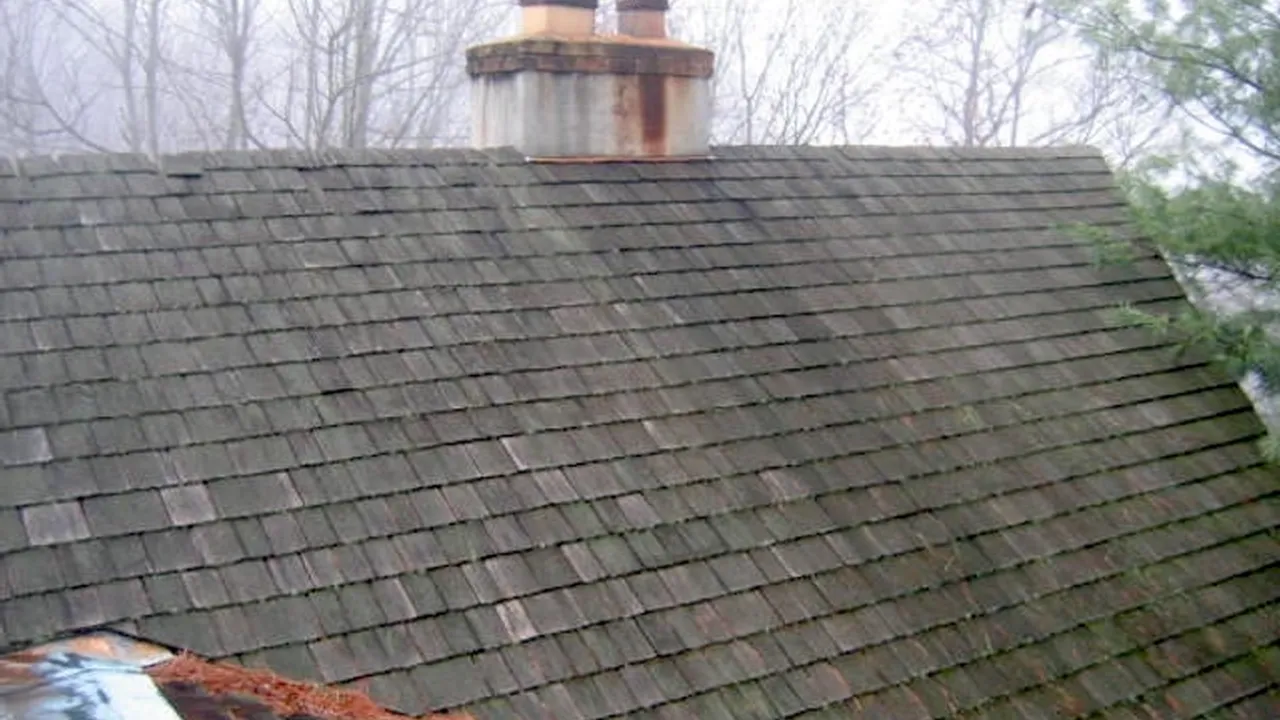
Explore the timeless appeal and considerations of wood shakes and shingles for your home's roofing.
Wood Shakes and Shingles A Classic Choice
Hey there, homeowners! Ever found yourself admiring a roof that just screams character and natural beauty? Chances are, you were looking at a wood shake or shingle roof. These aren't just any roofing materials; they're a nod to tradition, offering a unique aesthetic that modern materials often struggle to replicate. If you're in the US or Southeast Asia and thinking about a roofing upgrade that combines rustic charm with solid performance, wood shakes and shingles might just be your perfect match. Let's dive deep into what makes them so special, what to consider, and whether they're the right fit for your home.
Understanding the Difference Shakes vs Shingles
First things first, let's clear up the common confusion: what's the difference between wood shakes and wood shingles? While both are made from natural wood, typically cedar, redwood, or cypress, their manufacturing process and appearance set them apart.
Wood Shingles Precision and Uniformity
Wood shingles are typically sawn on both sides, giving them a smoother, more uniform appearance. They're usually thinner and have a more consistent thickness, creating a sleek, tailored look on your roof. Think of them as the more refined cousin in the wood roofing family. They lay flatter and offer a more traditional, almost colonial, aesthetic.
Wood Shakes Rustic and Rugged
Wood shakes, on the other hand, are split from logs, often by hand, which results in a much rougher, more textured surface. They tend to be thicker than shingles, with varying thicknesses and irregular edges. This gives them a distinctive, rugged, and rustic appearance that many homeowners adore. If you're going for that charming, weathered cabin look, shakes are definitely the way to go.
Why Choose Wood Roofing Benefits and Advantages
So, beyond just looking good, what are the real perks of opting for wood shakes or shingles?
Unmatched Aesthetic Appeal Curb Appeal Enhancement
This is probably the biggest draw. Wood roofs have a natural beauty that ages gracefully, developing a beautiful silver-gray patina over time. They add significant curb appeal and can dramatically increase the perceived value of your home. For homes with a traditional, craftsman, or rustic architectural style, wood roofing is often the ideal complement.
Natural Insulation Energy Efficiency
Wood is a natural insulator. This means a wood roof can help keep your home cooler in the summer and warmer in the winter, potentially leading to lower energy bills. This is particularly beneficial in regions with extreme temperatures, both hot and cold.
Durability and Longevity Long-Lasting Roofing
When properly installed and maintained, a high-quality wood shake or shingle roof can last a very long time – often 30 to 50 years, sometimes even longer. This longevity rivals or even surpasses many other roofing materials. The natural oils in cedar, for example, provide inherent resistance to insects and decay.
Wind Resistance Storm Protection
Due to their individual fastening and natural flexibility, wood shakes and shingles can offer good resistance to high winds, especially when installed correctly with appropriate fasteners and underlayment. This makes them a viable option in areas prone to strong gusts.
Environmentally Friendly Sustainable Materials
Many wood roofing products come from sustainably managed forests, making them a renewable resource. At the end of their life cycle, they are biodegradable, reducing landfill waste. This makes them an attractive option for environmentally conscious homeowners.
Key Considerations Before Installation Maintenance and Cost
While the benefits are compelling, it's crucial to be aware of the potential downsides and specific requirements of wood roofing.
Cost Initial Investment and Long-Term Value
Let's be upfront: wood shake and shingle roofs are generally more expensive than asphalt shingles, both in terms of material cost and installation. The labor involved in installing them is more specialized and time-consuming. However, their longevity and aesthetic value can offer a strong return on investment over time. Expect to pay anywhere from $8 to $15 per square foot installed, depending on the wood type, shake/shingle type, and regional labor costs. This can be significantly higher in some areas or for premium materials.
Maintenance Requirements Upkeep for Longevity
Wood roofs require more maintenance than, say, a metal or asphalt shingle roof. This includes regular cleaning to prevent moss, algae, and mildew growth, which can trap moisture and accelerate decay. You'll also need to replace individual damaged or split shakes/shingles as needed. Proper ventilation is also critical to prevent moisture buildup underneath the roof.
Fire Resistance and Treatments Safety Considerations
Historically, wood roofs have had a reputation for being a fire hazard. However, modern wood shakes and shingles are often treated with fire retardants to meet Class A, B, or C fire ratings, making them much safer. It's essential to ensure any wood roofing you choose meets local fire codes, especially in wildfire-prone areas.
Climate Suitability Regional Performance
While wood roofs can perform well in many climates, they are particularly susceptible to moisture. In very wet or humid environments (like parts of Southeast Asia), extra care must be taken with installation and maintenance to prevent rot and fungal growth. Good ventilation and proper spacing between shakes/shingles are paramount. In very dry climates, they can be prone to cracking or splitting if not properly maintained.
Installation Expertise Finding the Right Contractor
Installing a wood shake or shingle roof is an art form. It requires specialized skills and experience. Choosing a contractor who is highly experienced in wood roofing is non-negotiable. A poorly installed wood roof will not last, regardless of the quality of the materials.
Popular Wood Types for Roofing Material Selection
When it comes to wood roofing, the type of wood makes a big difference in appearance, durability, and cost.
Western Red Cedar The Gold Standard
Western Red Cedar is by far the most popular choice for wood shakes and shingles. It's naturally resistant to rot, decay, and insects due to its inherent oils. It's also lightweight, dimensionally stable, and ages beautifully to a silvery-gray. It's readily available in both shake and shingle forms.
Alaskan Yellow Cedar Durability and Density
Alaskan Yellow Cedar is denser and harder than Western Red Cedar, offering even greater durability and resistance to wear. It has a finer grain and a more uniform color, often aging to a lighter gray. It's a premium option, often used in areas requiring extra resilience.
Cypress Water Resistance for Humid Climates
Cypress is another excellent choice, particularly known for its exceptional water resistance. This makes it a strong contender for homes in very humid or wet climates. It's also naturally resistant to insects and decay.
Redwood Classic Beauty and Longevity
Redwood offers a rich, reddish-brown hue that ages beautifully. It's known for its durability and resistance to insects and decay. However, due to conservation efforts, redwood roofing can be more expensive and less readily available than cedar.
Recommended Products and Brands for Your Home
When you're ready to choose, here are a few reputable brands and product types to look out for. Keep in mind that availability can vary by region, especially between the US and Southeast Asia.
Cedar Shakes and Shingles BCS Products
Brand/Product: BCS Products Certi-Sawn Tapersawn Shakes
- Description: These are a hybrid between a shake and a shingle, sawn on both sides like a shingle but with a thicker butt end like a shake. They offer a clean, uniform look with the added dimension of a shake.
- Material: Western Red Cedar.
- Typical Use: Residential homes seeking a refined yet textured wood roof.
- Pros: Excellent durability, consistent quality, good insulation.
- Cons: Higher cost than standard shingles.
- Approximate Price Range (US): $10-$14 per square foot (materials only, before installation).
Brand/Product: Waldun Cedar Shakes and Shingles
- Description: Waldun is a well-respected name, offering a wide range of cedar shakes (hand-split and resawn) and shingles. Their products are known for their quality and consistency.
- Material: Western Red Cedar, sometimes Alaskan Yellow Cedar.
- Typical Use: High-end residential, historical restorations, or any project demanding top-tier wood roofing.
- Pros: Premium quality, wide selection of grades and cuts, excellent longevity.
- Cons: Can be among the most expensive options.
- Approximate Price Range (US): $12-$18+ per square foot (materials only).
Fire Retardant Treated Wood Roofing Safety First
Brand/Product: Koppers MicroPro Treated Shakes and Shingles
- Description: Koppers offers pressure-treated wood shakes and shingles with fire retardants, often achieving Class A or B fire ratings. This is crucial for meeting building codes in many areas.
- Material: Western Red Cedar.
- Typical Use: Homes in wildfire-prone regions or where local codes mandate fire-rated roofing.
- Pros: Enhanced fire safety, still retains natural wood aesthetic.
- Cons: Treatment can add to the cost; some debate on the long-term effectiveness of treatments.
- Approximate Price Range (US): $11-$16 per square foot (materials only).
Synthetic Wood Alternatives For Low Maintenance
While not traditional wood, it's worth mentioning synthetic alternatives for those who love the look but want less maintenance and better fire resistance.
Brand/Product: DaVinci Roofscapes Bellaforté Shake
- Description: These are composite shakes designed to mimic the look of natural cedar shakes but are made from engineered polymers. They offer superior fire resistance, impact resistance, and require virtually no maintenance.
- Material: Virgin resins, UV and thermal stabilizers.
- Typical Use: Homeowners wanting the aesthetic of wood without the maintenance, or in areas with strict fire codes.
- Pros: Class A fire rating, 50-year warranty, highly durable, low maintenance, wide range of colors.
- Cons: Higher upfront cost than natural wood, not truly natural wood.
- Approximate Price Range (US): $12-$18 per square foot (materials only).
Brand/Product: CeDUR Synthetic Shakes
- Description: CeDUR offers a lightweight, durable synthetic shake that replicates the look of heavy cedar shakes. They are Class A fire rated and highly resistant to impact.
- Material: Polyurethane.
- Typical Use: Similar to DaVinci, for those prioritizing durability, fire resistance, and low maintenance over natural wood.
- Pros: Excellent fire and impact ratings, lightweight, realistic appearance.
- Cons: Premium price point, not natural wood.
- Approximate Price Range (US): $13-$20+ per square foot (materials only).
Installation Best Practices for Longevity and Performance
The success of a wood roof hinges significantly on proper installation. Here are some key practices:
Proper Underlayment and Ventilation Moisture Management
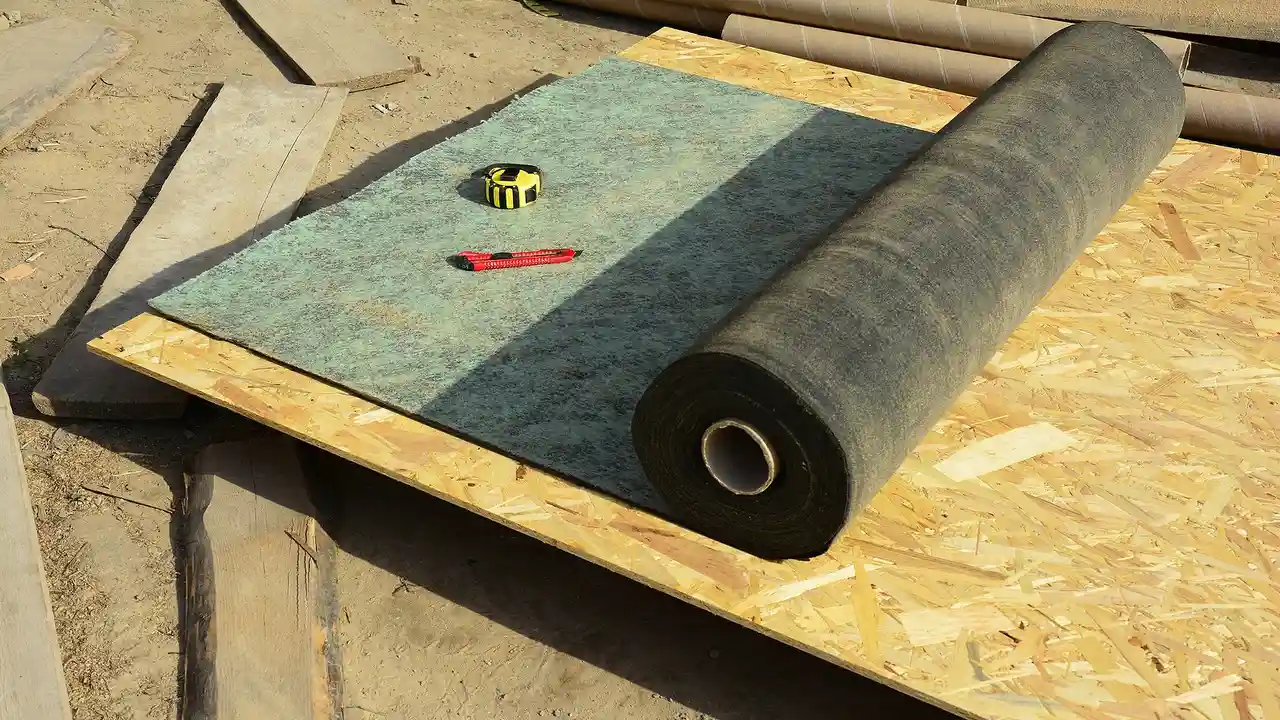
A high-quality breathable underlayment is essential to protect the roof deck from moisture. Equally important is excellent attic ventilation. This prevents heat and moisture buildup, which can lead to premature decay of the wood and ice dam formation in colder climates.
Spacing and Fastening Critical Details
Wood shakes and shingles need proper spacing between them to allow for expansion and contraction due to moisture changes. They should be fastened with corrosion-resistant nails (stainless steel is ideal) to prevent rust stains and ensure long-term hold. Double-layer felt interlayment is often used between courses of shakes to provide additional weather protection.
Flashing and Details Leak Prevention
Just like any roof, meticulous attention to flashing around chimneys, skylights, valleys, and vents is crucial. Copper or galvanized steel flashing is commonly used and should be installed by experienced professionals to prevent leaks.
Maintenance Tips Keeping Your Wood Roof Beautiful
To ensure your wood roof lasts its full lifespan and retains its beauty, follow these maintenance guidelines:
Regular Cleaning Moss and Algae Removal
Periodically inspect your roof for moss, algae, and lichen growth. These organisms trap moisture and can accelerate wood decay. Gentle cleaning with a soft brush and a diluted, eco-friendly cleaning solution (specifically designed for wood roofs) can help. Avoid high-pressure washing, which can damage the wood fibers.
Debris Removal Preventing Moisture Traps
Keep your roof free of leaves, pine needles, and other debris, especially in valleys and around chimneys. This debris can hold moisture against the wood, leading to rot. Trim overhanging branches to reduce debris accumulation and shade, which promotes moss growth.
Repair and Replacement Timely Interventions
Inspect your roof annually for damaged, cracked, or missing shakes/shingles. Replace them promptly to prevent water intrusion. Small repairs are much cheaper and easier than dealing with extensive water damage.
Re-Oiling and Preservatives Wood Protection
Some homeowners choose to apply wood preservatives or re-oiling treatments to extend the life of their cedar roof, especially in harsh climates. Consult with a roofing professional to determine if this is necessary for your specific roof and climate.
Wood Roofing in Southeast Asia Climate Considerations
For homeowners in Southeast Asia, wood roofing presents unique challenges and opportunities. The high humidity, heavy rainfall, and intense sun require careful consideration.
Humidity and Moisture Management Tropical Climate Solutions
In tropical climates, excellent ventilation is even more critical to prevent mold, mildew, and rot. Wider spacing between shakes/shingles can aid in drying. Using naturally water-resistant woods like Cypress or treated cedar is highly recommended.
Insect and Pest Resistance Tropical Pest Control
Tropical regions often have a higher prevalence of wood-boring insects. Choosing woods with natural insect resistance (like cedar) or using treated wood can help mitigate this risk. Regular inspections are key.
UV Protection Sun Damage Prevention
The intense UV radiation in Southeast Asia can accelerate the weathering process. While the silver-gray patina is desirable, excessive sun exposure can lead to premature drying and cracking. Proper installation and potentially protective treatments can help.
Making the Right Choice for Your Home Final Thoughts
Choosing a wood shake or shingle roof is a significant investment, but one that can pay dividends in terms of beauty, longevity, and home value. It's a choice that speaks to a desire for natural materials and a classic aesthetic. While it demands a bit more attention than some other roofing types, the unique character and performance it offers are truly unparalleled.
Before you commit, get multiple quotes from experienced wood roofing contractors. Ask to see examples of their work and check references. Understand the maintenance commitment and ensure you're comfortable with it. Whether you're in the US or Southeast Asia, a well-chosen and expertly installed wood roof can be a crowning glory for your home, standing strong and looking stunning for decades to come.
:max_bytes(150000):strip_icc()/277019-baked-pork-chops-with-cream-of-mushroom-soup-DDMFS-beauty-4x3-BG-7505-5762b731cf30447d9cbbbbbf387beafa.jpg)