Rainwater Harvesting Roof Design
Learn about roof designs optimized for efficient rainwater harvesting, a sustainable solution for water management.
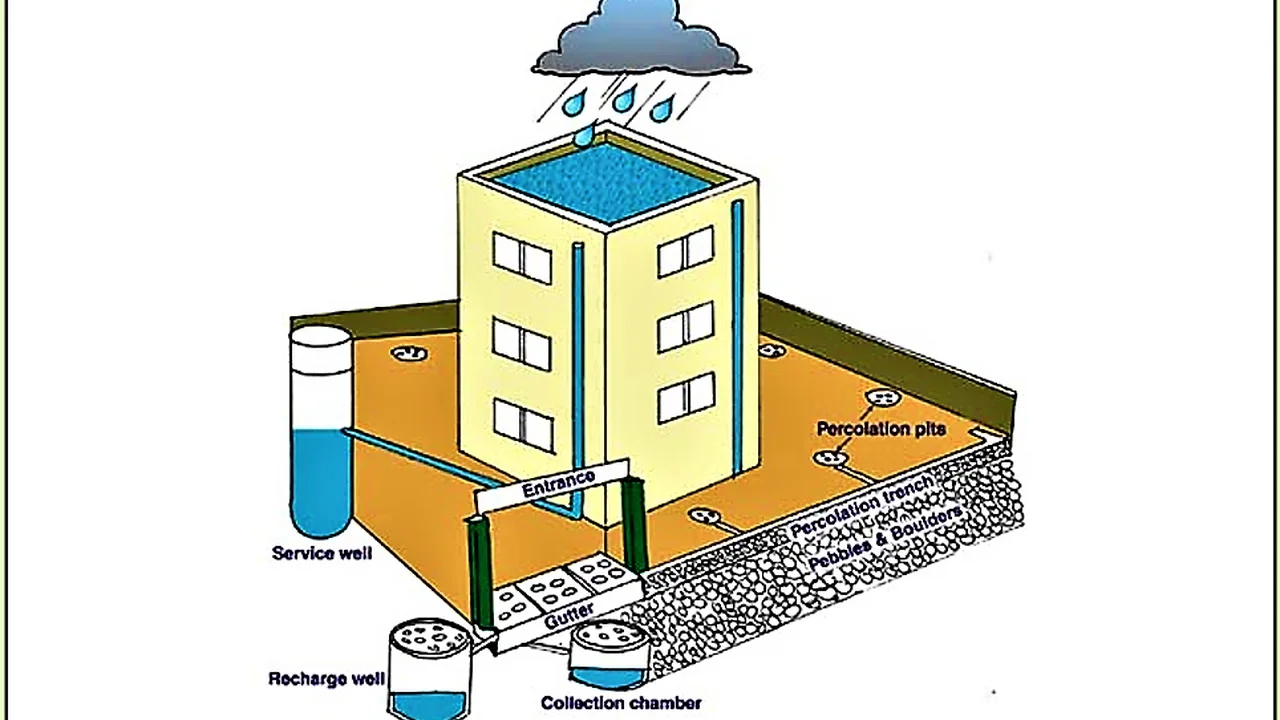
Learn about roof designs optimized for efficient rainwater harvesting, a sustainable solution for water management.
Rainwater Harvesting Roof Design A Comprehensive Guide
Understanding Rainwater Harvesting Systems and Their Benefits
Hey there! Ever thought about how much free water literally falls on your roof? It’s a lot, and with the right setup, you can actually put that water to good use. We’re talking about rainwater harvesting, a super sustainable solution for managing water, especially in areas where water conservation is key or where municipal water is expensive or unreliable. This isn't just some niche, eco-warrior thing anymore; it's becoming a mainstream practice for homeowners looking to save money, reduce their environmental footprint, and even gain a bit of independence from public utilities. Imagine using rainwater for your garden, flushing toilets, or even for laundry. Pretty cool, right?
The basic idea is simple: collect rainwater from your roof, store it, and then use it for various purposes. But the 'how' can get a bit more involved, especially when we start talking about optimizing your roof design for maximum efficiency. We'll dive deep into everything from the components of a good system to specific roof types that work best, and even some product recommendations to get you started. So, let's get into it and see how you can turn your roof into a personal water source!
Key Components of an Efficient Rainwater Harvesting System
Before we talk about roof design, let's quickly break down what makes a rainwater harvesting system tick. Knowing these parts will help you understand why certain roof features are more beneficial than others.
Catchment Area Your Roof Surface
This is where it all begins! Your roof acts as the primary collection surface. The larger and cleaner your roof, the more water you can collect. We'll discuss ideal roof materials and slopes in detail.
Gutters and Downspouts The Water Highway
Once the rain hits your roof, it needs a way to get to your storage. That's where gutters and downspouts come in. They channel the water from the roof edge down to the next stage. Proper sizing and installation are crucial here to prevent overflow and ensure efficient flow.
Leaf Screens and Debris Filters Keeping it Clean
Nobody wants leaves, twigs, or bird droppings in their water tank. Leaf screens on gutters and first-flush diverters are essential pre-filtration steps. A first-flush diverter, for example, sends the initial dirty runoff from the roof away, ensuring only cleaner water enters your storage tank.
Storage Tanks The Reservoir
This is where your collected rainwater lives. Tanks come in various sizes, materials, and shapes – from slimline tanks that fit against a wall to large underground cisterns. The size you need depends on your roof area, local rainfall, and intended water usage.
Pumping and Filtration Systems For Usage
Depending on how you plan to use the water, you might need a pump to move it and a filtration system to purify it. For irrigation, a simple pump might suffice. For indoor use, more advanced filtration (including UV sterilization) is necessary to ensure safety.
Ideal Roof Designs and Materials for Rainwater Collection
Now, let's get to the nitty-gritty: how your roof itself can be optimized for rainwater harvesting. Not all roofs are created equal when it comes to collecting clean, usable water.
Roof Pitch and Slope Maximizing Runoff
Generally, a steeper roof pitch is better for rainwater harvesting. Why? Because it encourages faster runoff, which means less standing water and less opportunity for debris to settle. A good slope also helps in self-cleaning, as the water flow can wash away dust and light debris. While flat roofs can collect water, they often require more maintenance to keep clean and ensure proper drainage to collection points.
Roof Material Choices For Purity and Efficiency
This is a big one. The material of your roof directly impacts the quality of the collected water and the efficiency of your system. Here are some of the best and worst options:
Best Roof Materials for Rainwater Harvesting
- Metal Roofing (e.g., Steel, Aluminum, Copper): These are arguably the best. They're smooth, non-porous, and don't shed particles. Water runs off easily, and they're generally very clean. Plus, many metal roofs are coated with inert finishes that won't contaminate the water.
- Clay or Concrete Tiles (Glazed): Glazed tiles are excellent because their smooth, non-porous surface prevents debris accumulation and chemical leaching. Unglazed tiles can be okay, but they might be more porous and could potentially shed some material over time.
- Slate: Similar to glazed tiles, slate is very dense and non-porous, making it a great choice for clean water collection. It's also incredibly durable.
- Fiber Cement (Smooth Finish): If it has a smooth, sealed finish, fiber cement can be a good option. Avoid rough or unsealed versions that might shed fibers.
Roof Materials to Approach with Caution or Avoid
- Asphalt Shingles: These are very common but not ideal for potable (drinking) water collection. They shed granules, especially when new or old, which can clog filters and contaminate water. For non-potable uses like irrigation, they can be acceptable with good filtration.
- Wood Shakes or Shingles: These are generally not recommended. They can leach tannins and other organic compounds into the water, and they tend to harbor moss and algae, which can further contaminate the runoff.
- Tar and Gravel Roofs: Definitely avoid these for rainwater harvesting. They are designed to hold water and debris, and the tar can leach chemicals.
- Roofs Treated with Biocides or Heavy Metals: If your roof has been treated with chemicals to prevent moss or algae growth, or if it contains lead or copper components (unless it's a pure copper roof), it's best to avoid collecting water for anything other than very basic irrigation, and even then, be cautious.
Roof Coatings and Treatments Impact on Water Quality
Be mindful of any coatings or treatments applied to your roof. Some sealants or paints might contain chemicals that could leach into your collected water. Always check if a product is 'potable water safe' if you intend to use the water for anything beyond irrigation. For instance, some cool roof coatings are designed to reflect sunlight and reduce heat, which is great for energy efficiency, but you need to ensure they don't contain harmful substances that could contaminate your water supply.
Optimizing Gutter and Downspout Systems for Collection
Your gutters and downspouts are the unsung heroes of your rainwater harvesting system. They need to be up to the task of efficiently channeling all that precious water.
Sizing Your Gutters and Downspouts
Undersized gutters will overflow during heavy downpours, wasting water and potentially causing damage to your home's foundation. The size you need depends on your roof's square footage and the maximum rainfall intensity in your area. A professional roofer or rainwater harvesting specialist can help you calculate the appropriate size. Generally, 5-inch or 6-inch K-style gutters are common for residential homes, but larger may be needed in high-rainfall regions.
Gutter Guards and Screens Essential Pre-Filtration
Installing gutter guards or screens is non-negotiable. They prevent leaves, twigs, and other large debris from entering your gutters and downspouts, which can cause blockages and contaminate your water. There are various types, from simple mesh screens to more advanced hooded systems. Choose one that's effective for the type of debris common in your area.
First-Flush Diverters The Clean Start
This is a smart device that diverts the first few gallons of rainwater that wash off your roof. Why? Because this initial runoff often contains the highest concentration of dust, pollen, bird droppings, and other pollutants that have accumulated on your roof between rainfalls. By diverting this 'first flush,' you ensure that cleaner water enters your storage tank. These are relatively inexpensive and make a huge difference in water quality.
Specific Product Recommendations and Comparisons
Alright, let's talk about some actual products you might consider for your rainwater harvesting setup. Keep in mind that prices can vary widely based on location, supplier, and installation complexity.
Rainwater Storage Tanks
1. Bushman Slimline Water Tanks
- Description: These are fantastic for urban or suburban homes where space is at a premium. They are designed to sit flush against a wall, taking up minimal footprint. Made from food-grade polyethylene, they are UV-stabilized and come in various colors.
- Sizes: Typically range from 200 to 1,000 gallons (approx. 750 to 3,785 liters).
- Use Case: Ideal for residential properties with limited yard space, perfect for garden irrigation, toilet flushing, and laundry.
- Pros: Space-saving, aesthetically pleasing, durable, easy to install.
- Cons: Lower capacity compared to round tanks, can be more expensive per gallon.
- Estimated Price: $500 - $2,000+ depending on size.
2. Norwesco Horizontal Leg Tanks
- Description: While often used for agricultural purposes, smaller versions can be adapted for residential use, especially if you have more open space. They are robust, made from high-density polyethylene, and designed for transport or stationary storage.
- Sizes: From 100 gallons up to several thousand gallons.
- Use Case: Good for larger properties, rural settings, or if you need to store a significant amount of water for extensive irrigation or backup supply.
- Pros: Very durable, high capacity options, often more cost-effective per gallon for larger sizes.
- Cons: Less aesthetically pleasing for residential yards, requires more space.
- Estimated Price: $300 - $5,000+ depending on size.
3. Underground Cisterns (e.g., Roth MultiTank)
- Description: These tanks are buried underground, making them completely invisible and saving valuable yard space. Roth MultiTanks are popular, made from virgin high-grade polyethylene, and designed for both potable and non-potable water storage. They often come with multiple access ports.
- Sizes: Typically 300 to 1,700 gallons (approx. 1,135 to 6,435 liters) for residential models.
- Use Case: Best for homeowners who want to maximize yard space, maintain aesthetics, or live in areas with freezing temperatures (as underground storage prevents freezing).
- Pros: Invisible, protects water from UV light and temperature fluctuations, ideal for cold climates.
- Cons: Higher installation cost due to excavation, difficult to access for maintenance, requires professional installation.
- Estimated Price: $1,500 - $5,000+ for the tank itself, plus significant installation costs ($2,000 - $10,000+).
Gutter Guards and Filtration
1. Gutterglove Pro
- Description: A high-quality micro-mesh gutter guard system. It uses a fine stainless steel mesh to block even small debris like shingle grit and pine needles, allowing only water to pass through.
- Use Case: Excellent for all roof types, especially those prone to shedding small debris or in areas with heavy tree cover.
- Pros: Very effective at keeping debris out, durable, long lifespan, good for maintaining water quality.
- Cons: Higher upfront cost compared to simpler screens, professional installation often recommended.
- Estimated Price: $10 - $20 per linear foot, installed.
2. Flex-Drain First Flush Diverter
- Description: A simple yet effective device that diverts the initial dirty rainwater away from your storage tank. It typically consists of a chamber that fills with the first flush, then seals off, allowing subsequent cleaner water to flow to the tank.
- Use Case: Essential for improving the quality of collected rainwater, especially if using for indoor purposes or if your roof is prone to accumulating dust and debris.
- Pros: Significantly improves water quality, easy to install, low maintenance.
- Cons: Requires occasional cleaning of the diversion chamber.
- Estimated Price: $50 - $150 per unit.
Pumps and Filtration Systems
1. Davey RainBank Automatic Rainwater Controller
- Description: This is a smart system that automatically switches between rainwater and mains (municipal) water. When it rains and your tank has water, it uses rainwater. When the tank is low, it automatically switches to mains water, ensuring you always have a supply. It integrates a pump.
- Use Case: Ideal for homes wanting to use rainwater for internal applications (toilets, laundry) but also need a reliable backup from the mains.
- Pros: Fully automatic, seamless transition between water sources, saves mains water.
- Cons: Higher initial cost, requires professional plumbing and electrical installation.
- Estimated Price: $800 - $1,500 (unit only, installation extra).
2. Pentair Whole House Water Filter System
- Description: For potable water use, you'll need a robust filtration system. Pentair offers various multi-stage filtration systems that can remove sediment, chlorine, odors, and even bacteria and viruses (with UV add-ons).
- Use Case: Absolutely necessary if you plan to use collected rainwater for drinking, cooking, or showering.
- Pros: Provides safe, clean water, customizable filtration stages.
- Cons: Requires regular filter replacement, can be complex to install, significant upfront cost.
- Estimated Price: $500 - $2,000+ depending on stages and flow rate, plus ongoing filter costs.
Installation Considerations and Best Practices
Even with the best components, a poorly installed system won't perform optimally. Here are some key installation considerations:
Professional Installation vs DIY
While some aspects like installing a simple rain barrel can be DIY, a full-scale rainwater harvesting system, especially one integrated with your home's plumbing, is best left to professionals. This ensures proper sizing, correct plumbing, electrical safety (for pumps), and compliance with local building codes. Improper installation can lead to leaks, contamination, or system failure.
Location of Storage Tanks
Consider accessibility for maintenance, proximity to downspouts, and sun exposure. Tanks should ideally be placed in a shaded area to prevent algae growth and keep the water cooler. If above ground, ensure the foundation is level and strong enough to support the weight of a full tank (water is heavy!).
Overflow Management
What happens when your tank is full? Your system needs an overflow mechanism to safely divert excess water away from your home's foundation. This could be directed to a storm drain, a rain garden, or simply away from the house.
Pest and Insect Control
Ensure all openings to your tank (inlets, outlets, overflow) are screened with fine mesh to prevent mosquitoes, rodents, and other pests from entering. This is crucial for maintaining water quality and preventing health hazards.
Regular Maintenance Schedule
Rainwater harvesting systems aren't set-it-and-forget-it. Regular maintenance is key:
- Clean gutters and downspouts: At least twice a year, more if you have many trees.
- Check leaf screens and first-flush diverters: Clean them regularly to ensure proper function.
- Inspect tanks: Periodically check for sediment buildup at the bottom of the tank. Some tanks have a drain valve for easy flushing.
- Filter replacement: Follow manufacturer guidelines for replacing filters in your purification system.
- Pump inspection: Check pumps for proper operation and wear.
Rainwater Harvesting in Different Climates and Regions
The effectiveness and design of your system will vary depending on your local climate, especially if you're in the US or Southeast Asia.
US Climate Considerations
- Arid Regions (e.g., Southwest US): Every drop counts here! Larger storage tanks are often necessary to capture infrequent but heavy rainfall events. Focus on maximizing roof catchment area.
- Temperate Regions (e.g., Northeast, Midwest US): Freezing temperatures are a concern. Tanks need to be insulated or, ideally, buried underground to prevent water from freezing and damaging the system. Pipes also need to be protected.
- High Rainfall Regions (e.g., Pacific Northwest, Southeast US): Sizing gutters and downspouts correctly is paramount to handle large volumes of water. Overflow management is also critical.
Southeast Asia Climate Considerations
- Monsoon Climates: These regions experience intense, seasonal rainfall. Very large storage capacities are often needed to last through dry seasons. Robust guttering and efficient first-flush diverters are crucial due to the heavy debris often washed off roofs during initial monsoon rains.
- High Humidity and Heat: Algae growth in tanks can be a bigger issue. Ensure tanks are opaque and ideally shaded to prevent sunlight from reaching the water, which encourages algae. Regular tank cleaning might be more frequent.
- Tropical Storms and Typhoons: Systems need to be securely installed to withstand high winds. Tanks should be anchored, and gutters firmly attached.
Integrating Rainwater Harvesting with Sustainable Living
Rainwater harvesting isn't just about saving water; it's a cornerstone of a more sustainable lifestyle. By reducing your reliance on municipal water, you're lessening the energy used for water treatment and transportation. It also helps reduce stormwater runoff, which can contribute to erosion and pollution in local waterways. Think about combining your rainwater system with other sustainable practices like a rain garden (for overflow), native plant landscaping (which requires less water), or even solar panels on your roof to power your pump. It all ties together to create a more resilient and eco-friendly home.
So, whether you're looking to water your prize-winning orchids in Thailand, flush your toilets in California, or simply reduce your water bill in Florida, optimizing your roof design for rainwater harvesting is a smart move. It's an investment that pays dividends in both environmental benefits and financial savings. Happy harvesting!
:max_bytes(150000):strip_icc()/277019-baked-pork-chops-with-cream-of-mushroom-soup-DDMFS-beauty-4x3-BG-7505-5762b731cf30447d9cbbbbbf387beafa.jpg)