Repairing Damaged Fascia and Soffit
A guide to identifying and repairing damaged fascia and soffit, crucial components of your roof system.
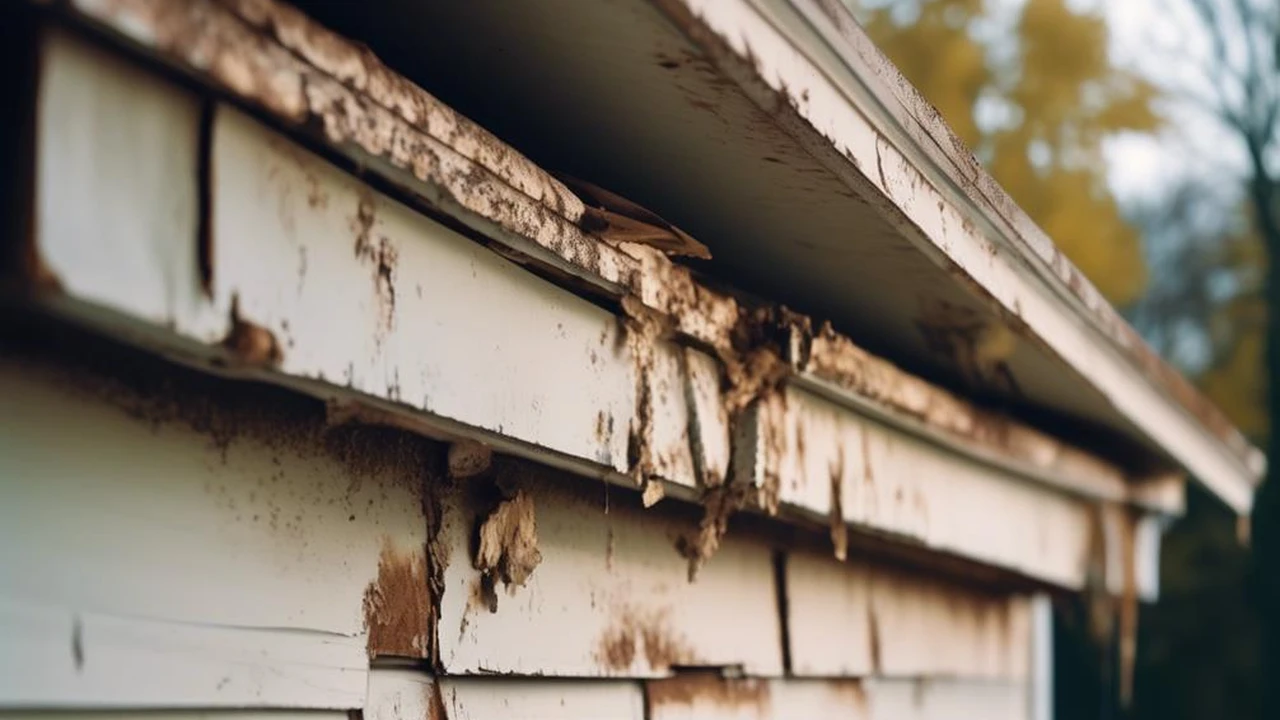
A guide to identifying and repairing damaged fascia and soffit, crucial components of your roof system.
Repairing Damaged Fascia and Soffit A Comprehensive Guide
Understanding Fascia and Soffit The Unsung Heroes of Your Roof System
When you think about your roof, what usually comes to mind? Shingles, tiles, maybe the gutters, right? But there are two often-overlooked components that play a massive role in protecting your home and enhancing its curb appeal: the fascia and the soffit. These aren't just decorative elements; they're integral parts of your roof system, working tirelessly to keep your home safe and sound. Let's dive into what they are, why they're so important, and what happens when they get damaged.
What Exactly is Fascia and Soffit?
Imagine your roof as a hat. The fascia board is like the trim around the edge of that hat, running horizontally along the roofline. It's the board that your gutters are typically attached to. Soffit, on the other hand, is the material that forms the underside of your roof's overhang, bridging the gap between the siding and the fascia board. Think of it as the ceiling of your eaves.
Why Are Fascia and Soffit So Important for Your Home's Protection and Aesthetics?
These components do a lot more than just look good. The fascia board serves several critical functions:
- Supports Gutters: It provides a sturdy surface for attaching your gutters, which are essential for directing rainwater away from your home's foundation.
- Protects Rafters: It acts as a barrier, protecting the ends of your roof rafters from weather damage, moisture, and pests.
- Enhances Curb Appeal: A well-maintained fascia gives your home a clean, finished look, significantly contributing to its overall aesthetic.
The soffit also has vital roles:
- Ventilation: Many soffits are vented, allowing air to circulate in your attic. This is crucial for preventing heat buildup in summer and moisture accumulation in winter, which can lead to mold, mildew, and wood rot. Proper ventilation also helps extend the life of your roof.
- Pest Deterrent: It closes off the underside of your eaves, preventing birds, squirrels, insects, and other critters from nesting in your attic.
- Aesthetic Finish: Like fascia, soffit provides a smooth, finished appearance to the underside of your eaves, hiding the exposed rafters.
Common Causes of Fascia and Soffit Damage Identifying the Warning Signs
Because fascia and soffit are constantly exposed to the elements, they're susceptible to various types of damage. Knowing what to look for can help you catch problems early and prevent more extensive, costly repairs down the line.
What are the Main Culprits Behind Fascia and Soffit Deterioration?
- Water Damage: This is by far the most common cause. Leaky gutters, overflowing gutters, or even just consistent rain can saturate the fascia and soffit, leading to rot, warping, and discoloration. If your gutters aren't draining properly, water can sit against the fascia board, causing it to deteriorate rapidly.
- Pest Infestations: Birds, squirrels, raccoons, and insects (especially termites and carpenter ants) love to chew through or nest in damaged or soft wood. Once they gain entry, they can cause significant structural damage to your roof system and attic.
- Poor Ventilation: If your soffit isn't properly vented, or if the vents are blocked, moisture can build up in your attic. This trapped moisture can lead to mold, mildew, and wood rot on the soffit and surrounding structures.
- Sun Exposure and UV Damage: Constant exposure to harsh sunlight can cause paint to peel, wood to crack, and vinyl or aluminum materials to become brittle and discolored over time.
- Age and Wear and Tear: Like all building materials, fascia and soffit have a lifespan. Over decades, they naturally degrade due to continuous exposure to weather cycles, temperature fluctuations, and general wear.
- Improper Installation: If the fascia or soffit wasn't installed correctly in the first place, it might not be adequately protected from moisture or might not be securely fastened, leading to premature failure.
How to Spot Damaged Fascia and Soffit What to Look For During Your Home Inspection
Regular visual inspections are key. Here’s what you should be looking for:
- Peeling Paint or Discoloration: This is often an early sign of moisture damage or prolonged sun exposure.
- Soft or Spongy Wood: Gently poke the wood with a screwdriver. If it feels soft or crumbles, it's likely rotting.
- Cracks or Gaps: These can indicate warping due to moisture or age, and they provide entry points for pests and water.
- Sagging or Drooping Sections: This is a clear sign of significant structural damage, often due to extensive water saturation.
- Pest Activity: Look for nests, droppings, chew marks, or actual pests entering or exiting the eaves.
- Missing or Damaged Vents: If your soffit vents are clogged, broken, or missing, your attic ventilation is compromised.
- Water Stains: Stains on the fascia or soffit, or on the siding directly below them, indicate water overflow from gutters or roof leaks.
- Gutter Issues: If your gutters are pulling away from the fascia, it could mean the fascia board is rotting and can no longer hold the fasteners securely.
Repairing Damaged Fascia and Soffit A Step by Step Guide for Homeowners
Once you've identified damage, it's time to consider repairs. The approach depends on the extent and type of damage. For minor issues, a DIY approach might be feasible, but for extensive damage, calling a professional is always recommended.
Assessing the Damage and Deciding on Repair vs. Replacement for Your Eaves
Before you grab your tools, thoroughly assess the damage:
- Minor Damage (Small sections of rot, peeling paint): These can often be repaired by scraping, patching, and repainting.
- Moderate Damage (Larger sections of rot, significant cracks): You might be able to cut out and replace only the damaged sections.
- Extensive Damage (Widespread rot, structural compromise, pest infestation): Full replacement of the fascia and/or soffit sections, or even the entire run, is usually necessary. This is often the case if the damage extends to the rafters.
Consider the underlying cause. If it's a leaky gutter, fix that first, or the new fascia will suffer the same fate.
Tools and Materials You'll Need for Fascia and Soffit Repair
Here’s a basic list:
- Safety Gear: Ladder, safety glasses, gloves, dust mask.
- Measuring and Marking: Tape measure, pencil, speed square.
- Cutting Tools: Circular saw, miter saw (for precise cuts), utility knife.
- Prying and Removal: Pry bar, hammer, drill/driver.
- Fasteners: Galvanized nails or exterior-grade screws.
- Sealants and Adhesives: Exterior caulk, wood filler (for minor repairs), construction adhesive.
- Finishing: Sandpaper, primer, exterior paint.
- Replacement Materials: Wood (cedar, treated pine), vinyl, aluminum, fiber cement fascia/soffit boards.
Step-by-Step DIY Repair Process for Fascia and Soffit
Let's break down a typical repair scenario:
1. Preparation and Safety First
- Set up your ladder securely on a stable, level surface.
- Wear all necessary safety gear.
- If gutters are attached to the damaged fascia, you might need to temporarily remove or support them.
2. Removing Damaged Sections
- For wood fascia: Use a pry bar to carefully remove the damaged section. If it's severely rotted, it might come off easily. If you're replacing a section, use a circular saw to cut out the damaged part, ensuring your cuts are straight and square. Cut back to solid, healthy wood.
- For vinyl or aluminum soffit: These are usually held in place by J-channels or F-channels and fasteners. Carefully pry open the channels and slide out the damaged panels.
3. Inspecting Underlying Structure
- Once the damaged fascia/soffit is removed, inspect the rafter tails and sub-fascia (the board behind the fascia). If they are also rotted, they must be repaired or replaced before installing new fascia/soffit. This is crucial for structural integrity.
4. Repairing or Replacing Fascia
- For minor wood rot: Clean out the rotted wood. Apply a wood hardener to strengthen the remaining wood. Fill the void with exterior-grade wood filler or epoxy putty. Sand smooth once dry.
- For section replacement: Measure and cut a new piece of fascia board to fit precisely. Use exterior-grade wood (e.g., treated pine, cedar, or a composite material). Secure it to the rafter tails and sub-fascia with galvanized nails or exterior screws. Ensure it's flush and level.
- For full replacement: Remove the entire run of fascia. Install new boards, ensuring proper alignment and secure fastening.
5. Repairing or Replacing Soffit
- For minor damage (e.g., small holes, cracks in wood soffit): Clean the area, apply wood filler, sand, prime, and paint.
- For section replacement (wood soffit): Cut out the damaged section. Measure and cut a new piece of wood soffit. Secure it in place with nails or screws. Ensure proper ventilation if it's a vented section.
- For vinyl/aluminum soffit panels: Slide the new panel into the existing channels. If channels are damaged, replace them too. Ensure new panels are vented if the original ones were.
6. Finishing Touches
- Caulk any gaps or seams with exterior-grade caulk to prevent water intrusion.
- Prime all new or repaired wood surfaces.
- Apply at least two coats of high-quality exterior paint, matching your home's existing color.
- Reattach gutters if they were removed.
Choosing the Right Materials for Fascia and Soffit Durability and Aesthetics
The material you choose for your fascia and soffit can significantly impact their longevity, maintenance requirements, and overall appearance. Let's look at the most popular options and some specific product recommendations.
Comparing Different Fascia and Soffit Materials Wood, Vinyl, Aluminum, and Fiber Cement
1. Wood Fascia and Soffit The Traditional Choice
- Pros: Classic look, easily paintable to match any home color, relatively easy to repair small sections.
- Cons: Requires regular painting and maintenance, susceptible to rot, pests, and warping if not properly maintained.
- Common Types: Pine (often pressure-treated), cedar, redwood.
- Cost: Moderate.
- Best Use: Homes where a traditional aesthetic is desired, or where matching existing wood trim is important.
2. Vinyl Fascia and Soffit Low Maintenance and Versatile
- Pros: Very low maintenance (no painting needed), resistant to rot and pests, available in various colors and styles, often vented for attic airflow.
- Cons: Can become brittle in extreme cold, may fade over time, can be damaged by impact, less rigid than other options.
- Common Brands/Products:
- CertainTeed Vinyl Soffit: Offers a wide range of styles, including solid, fully vented, and partially vented options. Known for durability and color retention.
- Georgia-Pacific Vinyl Soffit: Good balance of quality and affordability, with various textures and colors.
- Alside Vinyl Soffit: Provides excellent ventilation options and a clean finish.
- Cost: Moderate to High.
- Best Use: Homeowners looking for a low-maintenance solution, especially in areas with high humidity or frequent rain.
3. Aluminum Fascia and Soffit Durable and Protective
- Pros: Extremely durable, resistant to rot, pests, and fire, requires minimal maintenance, available in many colors, excellent for protecting wood fascia underneath.
- Cons: Can dent easily, difficult to repair if damaged (often requires replacement of the entire section), can be more expensive to install.
- Common Brands/Products:
- Alcoa/Arconic Aluminum Fascia and Soffit: A leading brand known for high-quality, pre-finished aluminum products that offer superior protection.
- Rollex Soffit and Fascia: Offers a wide selection of aluminum products with durable finishes and good ventilation.
- Mastic by Ply Gem Aluminum Soffit: Known for its robust construction and variety of colors.
- Cost: High.
- Best Use: Homes in harsh climates, or where maximum durability and minimal maintenance are priorities. Often installed over existing wood fascia for added protection.
4. Fiber Cement Fascia and Soffit The Robust Alternative
- Pros: Extremely durable, resistant to rot, pests, fire, and impact, holds paint very well, offers a wood-like appearance without the maintenance.
- Cons: Heavier and more difficult to install (often requires specialized tools), more expensive than wood or vinyl.
- Common Brands/Products:
- James Hardie HardieTrim Fascia Boards: A very popular choice, known for its exceptional durability, weather resistance, and long-lasting finish. Comes pre-primed or pre-painted.
- Allura Fiber Cement Soffit: Offers similar benefits to Hardie, with good ventilation options and a strong warranty.
- Cost: High.
- Best Use: High-end homes, areas prone to severe weather, or homeowners seeking the ultimate in durability and low maintenance with a traditional look.
Pricing Considerations for Fascia and Soffit Materials and Installation
Prices can vary significantly based on material, labor costs in your region, and the complexity of the job. Here's a general idea (these are rough estimates and can fluctuate wildly):
- Wood: $5 - $15 per linear foot for materials, $15 - $30 per linear foot installed.
- Vinyl: $3 - $10 per linear foot for materials, $10 - $25 per linear foot installed.
- Aluminum: $4 - $12 per linear foot for materials, $12 - $30 per linear foot installed.
- Fiber Cement: $6 - $18 per linear foot for materials, $20 - $40+ per linear foot installed.
Remember, these are just material costs. Installation labor, removal of old materials, and any necessary repairs to underlying structures will add to the total cost. Always get multiple quotes from reputable contractors.
When to Call a Professional Roofing Contractor for Fascia and Soffit Repairs
While some minor repairs can be a DIY project, there are many situations where calling in the experts is the smartest and safest choice.
Complex Damage and Safety Concerns Why Professional Help is Essential
- Extensive Rot or Structural Damage: If the damage extends beyond the fascia and soffit to the rafter tails, sub-fascia, or other structural components of your roof, professional intervention is crucial. They have the expertise to properly assess and repair structural issues.
- High or Steep Roofs: Working on ladders, especially at significant heights or on steep pitches, is inherently dangerous. Professionals have the right safety equipment and training to work safely.
- Pest Infestations: If you suspect a significant pest infestation (termites, carpenter ants, rodents), a professional can not only repair the damage but also help eradicate the pests and prevent future entry.
- Matching Existing Materials: If you need to perfectly match existing, perhaps older, fascia or soffit materials, a professional might have better access to specialized suppliers or custom fabrication.
- Time Constraints or Lack of Experience: If you don't have the time, tools, or experience for a proper repair, a professional will ensure the job is done correctly and efficiently, saving you potential headaches and costly re-dos.
- Warranty Concerns: Many roofing and siding warranties require professional installation or repair to remain valid.
Questions to Ask Your Roofing Contractor Before Hiring for Fascia and Soffit Work
Choosing the right contractor is key to a successful repair. Here are some questions to ask:
- Are you licensed and insured? Always verify this. Insurance protects you in case of accidents or damage.
- Do you specialize in fascia and soffit repair/replacement? Look for contractors with specific experience in this area.
- Can you provide references? Speak to previous clients about their experience.
- What materials do you recommend and why? A good contractor will explain the pros and cons of different options for your specific home and climate.
- What is your warranty on labor and materials? Understand what's covered and for how long.
- What is the estimated timeline for the project?
- How will you protect my property during the work?
- Will you provide a detailed written estimate? This should include materials, labor, and any potential additional costs.
Preventative Maintenance for Long-Lasting Fascia and Soffit Protecting Your Investment
Once your fascia and soffit are repaired or replaced, proactive maintenance is essential to extend their lifespan and prevent future damage.
Regular Inspections and Cleaning Tips for Your Eaves
- Annual Inspections: Make it a habit to inspect your fascia and soffit at least once a year, preferably in the spring and fall. Look for any of the warning signs mentioned earlier.
- Gutter Maintenance: This is paramount! Keep your gutters clean and free of debris. Ensure they are properly sloped and draining away from your home. Repair any leaks promptly. Consider installing gutter guards to reduce clogging.
- Clean Fascia and Soffit: Periodically wash your fascia and soffit with a mild detergent and water to remove dirt, grime, and mildew. This not only keeps them looking good but also prevents buildup that can trap moisture.
- Trim Trees: Keep tree branches trimmed away from your roofline. Overhanging branches can drop leaves and debris into gutters, scratch fascia, and provide pathways for pests.
Ensuring Proper Attic Ventilation and Pest Control for Your Roof System
- Check Soffit Vents: Ensure your soffit vents are clear and unobstructed. If they're clogged with paint, dust, or insulation, clean them out. Proper attic ventilation is critical for preventing moisture buildup and extending the life of your roof and its components.
- Seal Entry Points: Regularly check for any small gaps or holes in your soffit or fascia that could serve as entry points for pests. Seal them with appropriate materials like caulk, expanding foam, or wire mesh.
- Professional Pest Control: If you've had previous pest issues, consider regular pest control treatments around your eaves to deter future infestations.
By understanding the importance of fascia and soffit, knowing how to spot damage, and taking proactive steps for maintenance, you can ensure these vital components continue to protect and beautify your home for years to come. Whether you tackle minor repairs yourself or call in a professional for more extensive work, investing in the health of your fascia and soffit is an investment in the overall well-being of your home.
:max_bytes(150000):strip_icc()/277019-baked-pork-chops-with-cream-of-mushroom-soup-DDMFS-beauty-4x3-BG-7505-5762b731cf30447d9cbbbbbf387beafa.jpg)