Discover safe and effective roof cleaning methods tailored for various roofing materials to maintain appearance and prevent damage.
Discover safe and effective roof cleaning methods tailored for various roofing materials to maintain appearance and prevent damage. Keeping your roof clean isn't just about curb appeal; it's a crucial part of its long-term health and performance. Over time, roofs can accumulate dirt, debris, algae, moss, and even lichen, especially in humid climates like those found in parts of the US and throughout Southeast Asia. These growths don't just look unsightly; they can actually degrade your roofing materials, leading to premature wear, leaks, and costly repairs. But here's the thing: not all roofs are created equal, and what works for an asphalt shingle roof might be disastrous for a clay tile roof. That's why understanding the right cleaning method for your specific roofing material is super important.
Roof Cleaning Methods for Different Materials
Why Roof Cleaning Matters for Your Home's Longevity and Curb Appeal
Let's be real, nobody wants a dirty roof. But beyond aesthetics, a clean roof is a healthy roof. Algae, moss, and lichen thrive in damp, shaded areas. When they grow on your roof, they can trap moisture against the roofing material, leading to rot, granule loss on shingles, and even structural damage over time. Moss, in particular, can lift shingles, making them vulnerable to wind and water penetration. In humid regions, this problem is exacerbated, making regular cleaning even more critical. A well-maintained, clean roof also significantly boosts your home's curb appeal, which is a big plus if you're ever thinking about selling. Plus, some insurance companies might even require regular roof maintenance to keep your policy valid, especially in areas prone to severe weather.
Asphalt Shingle Roof Cleaning The Gentle Approach
Asphalt shingles are one of the most common roofing materials, especially in the US. They're durable, relatively affordable, and come in a wide range of colors. However, they're also susceptible to black streaks caused by a type of algae called *Gloeocapsa magma*, as well as moss and lichen. The key to cleaning asphalt shingles is to be gentle. High-pressure washing can strip away the protective granules, significantly shortening the life of your roof. This is a big no-no.
Soft Washing for Asphalt Shingles Your Best Bet
Soft washing is the preferred method for asphalt shingles. It involves using a low-pressure sprayer (similar to a garden hose pressure) to apply a cleaning solution, typically a mix of bleach (sodium hypochlorite), water, and a surfactant (like dish soap) to help the solution stick. The bleach kills the algae, moss, and lichen, and the surfactant helps lift the grime. After letting the solution sit for a bit (usually 15-30 minutes, depending on the severity of the growth), you rinse it off with low pressure. The results are usually pretty dramatic, and your roof will look brand new.
Recommended Products for Asphalt Shingle Cleaning
* Wet & Forget Outdoor: This is a popular, easy-to-use product. You simply mix it with water and spray it on. It's a 'set it and forget it' type of cleaner, meaning you don't need to rinse it off. It works over time with rain to clean the roof. It's great for light to moderate growth and for maintenance. A 1-gallon concentrate typically costs around $25-$35 and covers a large area, making it cost-effective for DIY. It's widely available in hardware stores and online.
* Spray & Forget: Similar to Wet & Forget, this product is also a no-rinse, biodegradable cleaner. It uses a different active ingredient but achieves similar results over time. Expect to pay around $30-$40 for a gallon concentrate. Good for ongoing maintenance and preventing regrowth.
* DIY Bleach Solution: For more immediate results or heavier growth, a homemade solution of 50% household bleach, 50% water, and a splash of dish soap can be very effective. You'll need a pump sprayer and a garden hose for rinsing. Be extremely careful to protect surrounding plants and landscaping by pre-wetting them and rinsing them thoroughly after application. This is the most budget-friendly option, costing just a few dollars for the ingredients.
Application Tips for Asphalt Shingles
Always work from the top of the roof downwards. Make sure the roof is dry before applying the solution for best absorption. Protect your plants and shrubs by covering them or thoroughly wetting them down before and after applying the cleaning solution. Wear appropriate safety gear, including non-slip shoes, gloves, and eye protection. If you're not comfortable on a ladder or roof, it's always best to hire a professional.
Metal Roof Cleaning Maintaining Shine and Durability
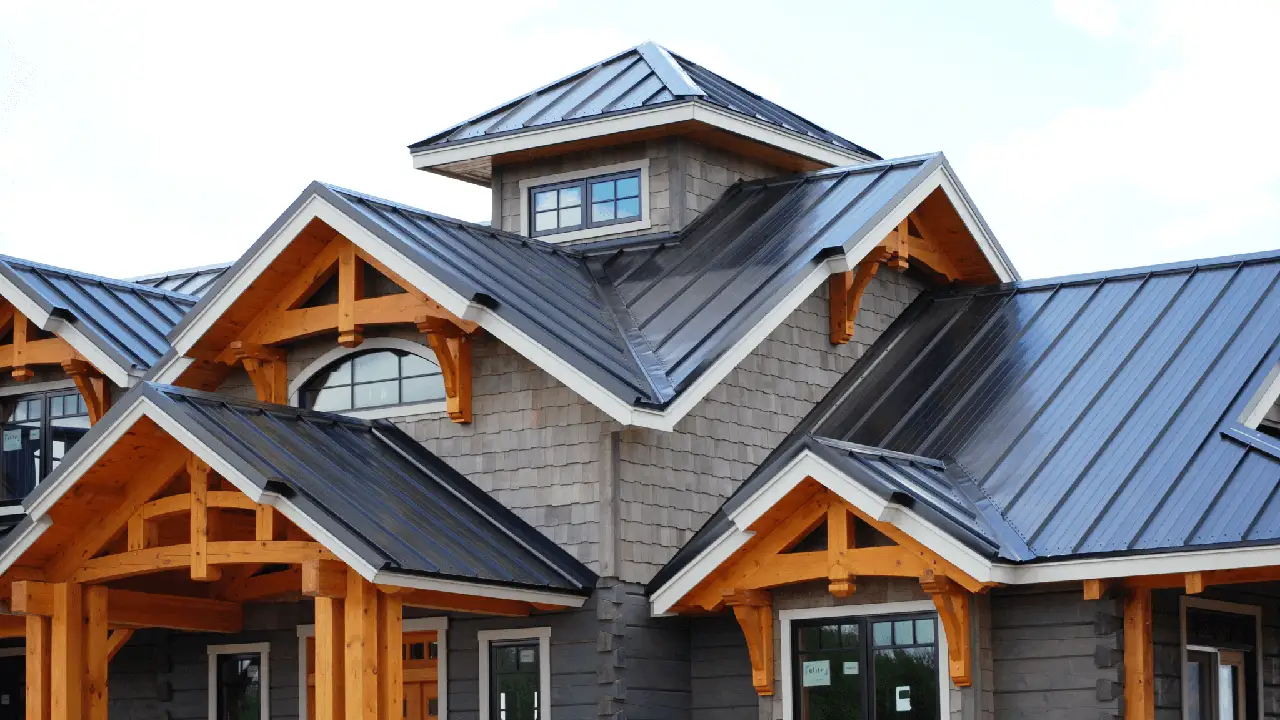
Metal roofs are known for their durability, longevity, and sleek appearance. They're also less prone to moss and algae growth than asphalt shingles, but they can still accumulate dirt, grime, and sometimes even mildew, especially in shaded or humid areas. The good news is that metal roofs are generally easier to clean than shingles, but you still need to be careful not to damage the protective coatings.
Gentle Washing for Metal Roofs
For most metal roofs, a simple wash with a mild detergent and water is sufficient. You can use a soft-bristle brush or a low-pressure washer. Avoid abrasive cleaners or harsh chemicals that could scratch the surface or strip the paint/coating. If you have stubborn stains or mildew, a diluted solution of household cleaner or even a very mild bleach solution (e.g., 1 part bleach to 10 parts water) can be used, but always test it on an inconspicuous area first.
Recommended Products for Metal Roof Cleaning
* Simple Green All-Purpose Cleaner: This biodegradable, non-toxic cleaner is excellent for general dirt and grime on metal roofs. Mix it according to the instructions for heavy-duty cleaning and apply with a soft brush or low-pressure sprayer. A gallon concentrate costs around $15-$20.
* Mild Dish Soap (e.g., Dawn): For light cleaning, a few squirts of dish soap in a bucket of water can do the trick. It's super affordable and readily available.
* Specialized Metal Roof Cleaners: Brands like 'Roof Cleaner for Metal Roofs' (various manufacturers) are formulated to be safe for metal coatings. These might be a bit pricier, around $20-$40 per gallon, but offer peace of mind. Always check the product's compatibility with your specific metal roof type (e.g., galvanized, aluminum, copper).
Application Tips for Metal Roofs
Always rinse thoroughly to prevent streaking or residue buildup. Work in sections, especially on larger roofs, to ensure the cleaning solution doesn't dry before rinsing. Be mindful of the roof's slope and your footing, as metal roofs can be slippery when wet.
Tile Roof Cleaning Clay and Concrete Tiles
Clay and concrete tiles are popular in many parts of the world, including Southeast Asia, due to their aesthetic appeal, durability, and ability to withstand harsh weather. However, their porous nature and often textured surfaces make them prime candidates for moss, algae, and lichen growth, especially in damp, shaded environments. Cleaning tile roofs requires a delicate touch to avoid breakage and discoloration.
Low-Pressure Washing and Specialized Solutions for Tiles
Similar to asphalt shingles, high-pressure washing is generally not recommended for tile roofs as it can damage the tiles, dislodge them, or strip their protective coatings. Soft washing is again the preferred method. A diluted bleach solution (similar to asphalt shingles) or specialized tile roof cleaners are effective. For stubborn moss, a soft brush can be used, but be extremely careful not to chip or break the tiles.
Recommended Products for Tile Roof Cleaning
* Wet & Forget Outdoor: As mentioned for asphalt shingles, this product works well on tiles too, especially for preventing regrowth and light cleaning. Its gentle, no-rinse formula is ideal for delicate tiles. Cost is similar, around $25-$35 per gallon concentrate.
* Bio-Shield Roof & Exterior Cleaner: This is a popular choice in regions with significant moss and lichen issues. It's a non-toxic, biodegradable concentrate that you dilute and spray on. It works over time to kill and remove growth without scrubbing or high pressure. A 5-liter container can cost around $60-$80 but covers a very large area.
* DIY Bleach Solution: Again, a 50/50 bleach and water solution with a surfactant can be used. Be very cautious with rinsing and protecting surrounding areas. This is the most economical option.
Application Tips for Tile Roofs
Walk carefully on tile roofs, distributing your weight evenly to avoid breakage. Use a roof ladder or walk boards if necessary. Always rinse thoroughly to remove all cleaning solution. If you have glazed tiles, ensure the cleaning solution is safe for the glaze. For unglazed, porous tiles, consider applying a sealant after cleaning to inhibit future growth.
Wood Shake and Shingle Roof Cleaning Preserving Natural Beauty
Wood shakes and shingles offer a rustic, natural look that many homeowners love. However, being organic materials, they are highly susceptible to moss, algae, mildew, and rot, especially in damp climates. Cleaning them is essential for their longevity, but it must be done with extreme care to avoid damage.
Specialized Cleaning for Wood Roofs
High-pressure washing is a definite no-go for wood roofs as it can splinter the wood, remove protective oils, and force water into the underlying structure. Soft washing with specialized wood-safe cleaners is the way to go. Oxygen bleach (sodium percarbonate) is often preferred over chlorine bleach for wood, as it's less harsh and won't discolor the wood as much. It works by releasing oxygen to break down organic growth.
Recommended Products for Wood Roof Cleaning
* Defy Wood Cleaner: This oxygen bleach-based cleaner is specifically designed for wood surfaces, including roofs. It effectively removes dirt, grime, mold, and mildew without damaging the wood fibers. A 2.25 lb tub costs around $20-$30 and covers a good area. It needs to be mixed with water and applied with a sprayer or brush, then rinsed.
* Wash Safe Roof Cleaner: Another oxygen bleach product, Wash Safe is formulated to be safe for all roofing materials, including wood. It's biodegradable and environmentally friendly. A 5-gallon bucket of concentrate can cost around $100-$150, but it's a professional-grade product for larger jobs.
* Concrobium Mould Control: While not a primary cleaner, this product can be used after cleaning to prevent mold and mildew regrowth on wood. It's non-toxic and leaves an invisible barrier. A gallon costs around $20-$30.
Application Tips for Wood Roofs
Always test the cleaner on an inconspicuous area first. Work in small sections and rinse thoroughly. After cleaning, consider applying a wood preservative or sealant specifically designed for roofing to protect against moisture and UV damage, and to inhibit future growth. Regular inspections are key to catching issues early.
Flat Roof Cleaning EPDM TPO PVC
Flat roofs, often found on commercial buildings or modern residential designs, typically use materials like EPDM (rubber), TPO (thermoplastic polyolefin), or PVC (polyvinyl chloride). These materials are generally very durable and resistant to organic growth, but they can accumulate dirt, dust, and environmental pollutants, especially in urban areas. Cleaning them is usually straightforward but still requires attention to detail.
Simple Washing for Flat Roof Materials
For EPDM, TPO, and PVC roofs, a mild detergent and water solution, applied with a soft brush or mop, is usually sufficient. Low-pressure washing can also be used, but avoid high pressure that could damage seams or the membrane itself. For stubborn stains, specialized cleaners designed for these materials are available.
Recommended Products for Flat Roof Cleaning
* EPDM Rubber Roof Cleaner (various brands): These cleaners are specifically formulated to clean EPDM membranes without degrading the rubber. They typically cost around $20-$40 per gallon. Apply with a soft brush and rinse thoroughly.
* TPO/PVC Membrane Cleaners: Similar to EPDM cleaners, these are designed to be safe and effective for thermoplastic membranes. Brands like 'Mule-Hide TPO Cleaner' or 'Carlisle Sure-Weld Cleaner' are common. Prices range from $30-$50 per gallon.
* Simple Green All-Purpose Cleaner: Again, this versatile cleaner can be used for general dirt and grime on TPO and PVC roofs. It's a cost-effective and environmentally friendly option.
Application Tips for Flat Roofs
Ensure proper drainage on flat roofs before and after cleaning to prevent standing water. Inspect seams and flashing regularly, as these are common areas for leaks. Be careful not to puncture the membrane with sharp objects or abrasive brushes. If you have a gravel-surfaced flat roof, cleaning is more complex and often involves specialized equipment to remove debris without disturbing the gravel.
Safety First Essential Precautions for Any Roof Cleaning Project
No matter what type of roof you're cleaning, safety should always be your top priority. Working on a roof can be dangerous, especially if you're not experienced or if the roof is steep or wet.
Key Safety Measures
* Ladder Safety: Use a sturdy ladder, ensure it's properly secured, and always maintain three points of contact. Have someone spot you.
* Fall Protection: For steep roofs, consider using a safety harness and rope system. If you're uncomfortable, hire a professional.
* Non-Slip Footwear: Wear shoes with good grip. Roofs can be incredibly slippery, especially when wet or covered in algae.
* Personal Protective Equipment (PPE): Always wear gloves, eye protection, and long sleeves/pants to protect your skin from cleaning solutions and debris.
* Weather Conditions: Only clean your roof on a dry, calm day. Avoid windy conditions or extreme heat.
* Electrical Hazards: Be aware of power lines and electrical components on or near your roof.
* Protect Landscaping: Always pre-wet plants and shrubs, and rinse them thoroughly after applying cleaning solutions to prevent damage.
* Professional Help: If you have a very steep roof, extensive growth, or are simply uncomfortable with heights, hiring a professional roof cleaner is always the safest option. They have the right equipment, expertise, and insurance.
When to Call a Professional Roof Cleaner
While many homeowners can tackle light roof cleaning, there are definitely times when calling in the pros is the smartest move. If your roof is very steep, if you have extensive moss or lichen growth that's deeply embedded, or if you're simply not comfortable working at heights, a professional can save you time, effort, and potential injury. They also have access to specialized equipment and stronger, professional-grade cleaning solutions that might not be available to the average homeowner. Plus, a reputable professional will be insured, giving you peace of mind in case of any accidental damage. They can also spot potential issues you might miss, like damaged flashing or loose shingles, and recommend repairs before they become bigger problems.
Maintaining Your Clean Roof Preventing Future Growth
Once your roof is sparkling clean, you'll want to keep it that way! Prevention is key to extending the time between major cleanings.
Prevention Strategies
* Trim Overhanging Branches: Trees provide shade and drop debris, both of which encourage moss and algae growth. Trimming branches away from your roof can significantly reduce these issues.
* Ensure Proper Drainage: Make sure your gutters are clean and functioning correctly. Standing water on or near your roof is an invitation for growth.
* Install Zinc or Copper Strips: These strips, installed along the ridge of your roof, release microscopic particles when it rains. These particles are toxic to algae and moss, preventing their growth down the roof surface. This is a long-term, low-maintenance solution.
* Regular Inspections: Periodically inspect your roof for early signs of growth. Catching it early makes cleaning much easier.
* Apply Preventative Treatments: Products like Wet & Forget or other no-rinse treatments can be applied periodically to inhibit regrowth.
By understanding your roof material and applying the correct cleaning and maintenance strategies, you can ensure your roof not only looks great but also lasts for its full intended lifespan, protecting your home for years to come. Happy cleaning!
:max_bytes(150000):strip_icc()/277019-baked-pork-chops-with-cream-of-mushroom-soup-DDMFS-beauty-4x3-BG-7505-5762b731cf30447d9cbbbbbf387beafa.jpg)