Solar Roof Tiles Are They Worth the Investment
Evaluate the benefits and costs of integrating solar roof tiles into your home for energy generation and aesthetics.
Evaluate the benefits and costs of integrating solar roof tiles into your home for energy generation and aesthetics.
Solar Roof Tiles Are They Worth the Investment
Hey there, homeowners! Ever looked up at your roof and thought, 'What if this could do more than just keep the rain out?' Well, you're not alone. Solar roof tiles, often called solar shingles, are becoming a hot topic, especially for those of us in the US and Southeast Asia looking to embrace renewable energy without sacrificing curb appeal. But let's be real, the big question on everyone's mind is: are they actually worth the investment? We're going to dive deep into everything you need to know, from how they work to the real costs and benefits, helping you decide if solar roof tiles are the right fit for your home.
Understanding Solar Roof Tiles How They Work and Their Appeal
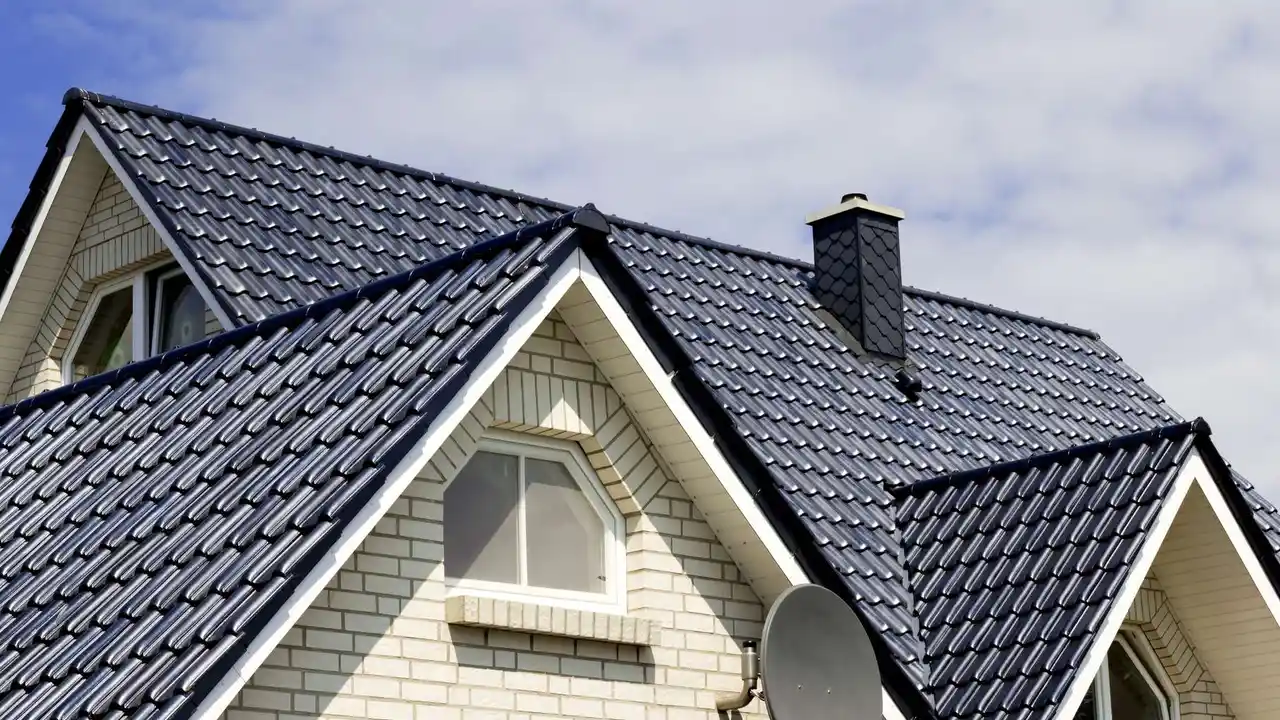
First things first, what exactly are solar roof tiles? Imagine your regular roof shingles, but instead of just being a protective layer, they're also miniature solar panels. Pretty neat, right? These aren't the bulky, traditional solar panels you see mounted on top of roofs. Solar tiles are designed to blend seamlessly with your existing roof structure, offering a much more aesthetically pleasing solution. They convert sunlight into electricity, just like traditional panels, but they do it in a way that maintains the architectural integrity of your home. This integrated design is a huge draw for many homeowners, especially those who might be put off by the look of conventional solar panels. They're particularly appealing in regions like the US, where homeowners often prioritize property aesthetics, and in Southeast Asia, where modern, sustainable living is gaining traction.
The Technology Behind Solar Shingles Photovoltaic Integration
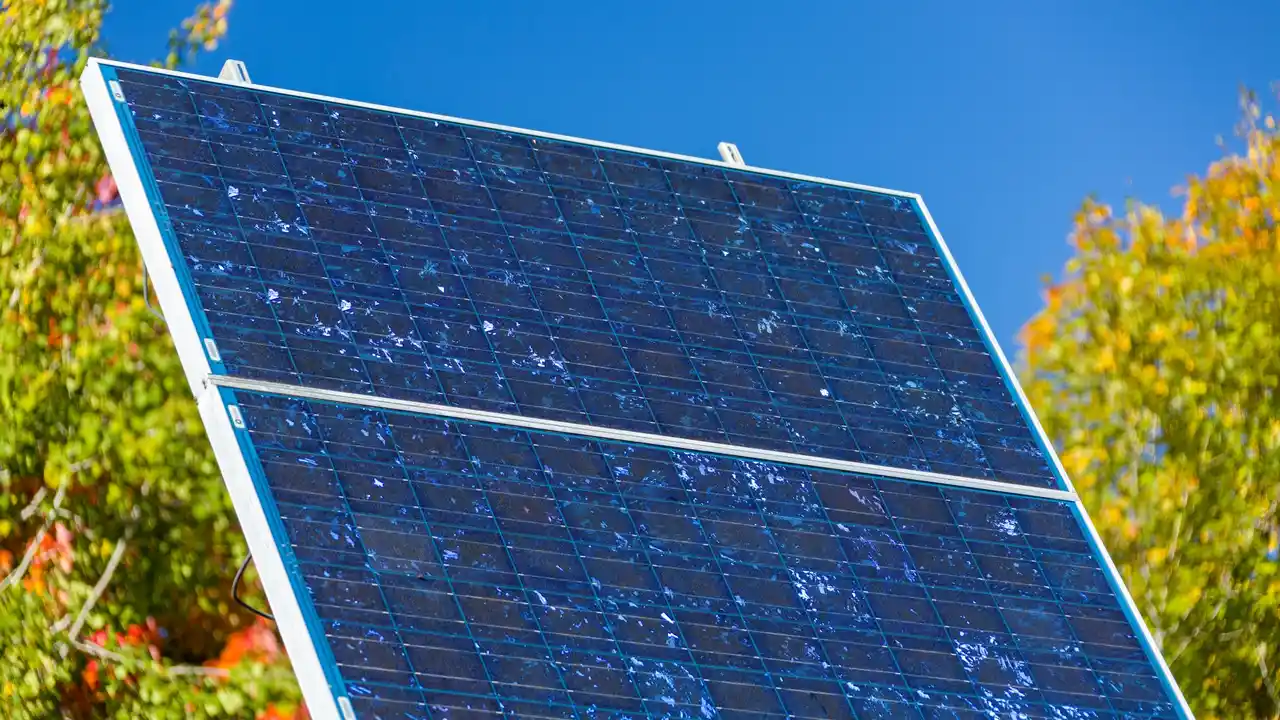
At their core, solar roof tiles use photovoltaic (PV) technology. Each tile contains small PV cells that capture sunlight and convert it into direct current (DC) electricity. This DC electricity then flows to an inverter, which transforms it into alternating current (AC) electricity – the kind of power your home appliances use. The beauty of these systems is their modularity. You can install as many or as few as you need to meet your energy demands, and they're often designed to be installed alongside conventional roofing materials, making them a versatile option for various roof sizes and shapes. Some systems even integrate microinverters directly into each tile, optimizing energy production from individual tiles and improving overall system efficiency, especially in cases of partial shading.
Comparing Solar Roof Tiles vs Traditional Solar Panels Aesthetics and Performance
This is where the rubber meets the road for many homeowners. When you're weighing solar roof tiles against traditional solar panels, you're essentially looking at a trade-off between aesthetics and, often, upfront cost and raw power output. Traditional panels are typically more efficient at converting sunlight into electricity per square foot, and their installation costs can be lower because they're simpler to mount. However, they sit on top of your roof, which some people find less appealing. Solar roof tiles, on the other hand, are designed to be virtually indistinguishable from regular roofing materials. They offer a sleek, integrated look that can significantly enhance your home's curb appeal. While their individual efficiency might be slightly lower than a top-tier traditional panel, the overall system can still generate substantial power, especially when covering a larger roof area. For homes where aesthetics are a top priority, or in neighborhoods with strict architectural guidelines, solar roof tiles often win out.
Key Differences in Installation and Maintenance for Solar Roofing
Installation for solar roof tiles is generally more complex and time-consuming than for traditional panels. Since they are part of the roof structure itself, they require specialized roofing and electrical expertise. This often means a longer installation period and higher labor costs. However, once installed, maintenance is pretty similar to a regular roof – occasional cleaning to remove debris and ensure optimal sunlight exposure. Traditional panels, being mounted, can sometimes be easier to access for cleaning or repairs, but they also introduce additional penetrations into your roof, which need to be properly sealed to prevent leaks. With solar tiles, the entire system acts as your roof, potentially reducing the number of separate components to worry about.
The Financial Aspect Cost Savings and Return on Investment for Solar Roofs
Let's talk money. The upfront cost of solar roof tiles is generally higher than a traditional solar panel system of comparable wattage. This is due to the integrated design, specialized materials, and more complex installation process. However, the long-term savings can be substantial. By generating your own electricity, you'll significantly reduce or even eliminate your monthly electricity bills. This is a huge benefit, especially in regions with high electricity rates like parts of the US, or in Southeast Asia where energy demand is rapidly growing. The return on investment (ROI) for solar roof tiles comes from these energy savings over the lifespan of the system, which can be 25-30 years or more. Plus, there are often government incentives, tax credits, and rebates available that can significantly offset the initial cost, making the investment even more attractive. For example, in the US, the federal solar tax credit can cover a significant percentage of the system cost. Many states and local utilities also offer additional incentives. In Southeast Asian countries, while incentives might vary, the rising cost of electricity and a growing focus on sustainability are making solar solutions increasingly viable.
Government Incentives and Rebates for Sustainable Roofing Solutions
Don't forget to research the incentives available in your specific area! These can make a massive difference in the overall cost. In the United States, the federal Investment Tax Credit (ITC) is a big one, offering a percentage of the cost of your solar system as a tax credit. Many states also have their own programs, like net metering, which allows you to sell excess electricity back to the grid, or state-specific rebates. For homeowners in Southeast Asia, the landscape of incentives is evolving. Countries like Thailand, Vietnam, and the Philippines are increasingly promoting renewable energy through various schemes, including feed-in tariffs or tax breaks for solar installations. It's crucial to check with your local energy authorities or a reputable solar installer to understand what financial benefits you might be eligible for. These incentives are designed to encourage the adoption of clean energy and can significantly shorten the payback period for your solar roof tile investment.
Top Solar Roof Tile Brands and Products A Market Overview
The solar roof tile market is growing, and several key players are leading the charge. Here's a look at some of the prominent brands and their offerings, along with typical use cases, comparisons, and estimated pricing. Keep in mind that prices are estimates and can vary widely based on location, installer, system size, and specific project requirements.
Tesla Solar Roof The Premium Integrated Solution
Product: Tesla Solar Roof Description: Tesla's Solar Roof is perhaps the most well-known and visually integrated solar tile system. It completely replaces your existing roof with solar-generating glass tiles and non-solar glass tiles that match perfectly. It's designed for maximum aesthetic appeal, making it virtually indistinguishable from a high-end traditional roof. The tiles are extremely durable, rated for hail, wind, and fire, and come with a 25-year tile warranty and a 25-year power generation warranty. Use Case: Ideal for new home constructions or complete roof replacements where aesthetics are paramount, and homeowners desire a premium, fully integrated solar solution. It's particularly popular in upscale residential areas in the US. Comparison: Offers superior aesthetics and durability compared to most competitors. The integration with Tesla's Powerwall battery storage system is a significant advantage for energy independence. However, it typically has a higher upfront cost and a more complex installation process. Estimated Pricing: Tesla's pricing model is complex and depends heavily on roof size, complexity, and energy needs. Historically, estimates have ranged from $20 to $25 per square foot for the entire roof (including solar and non-solar tiles), which can translate to a total system cost of $50,000 to $100,000+ for an average-sized home before incentives. This includes the cost of the roof itself and the solar generation capabilities.
GAF Energy Timberline Solar The Shingle-Integrated Approach
Product: GAF Energy Timberline Solar Description: GAF, a leading roofing manufacturer, entered the solar tile market with Timberline Solar. This product is unique because it's a nailable solar shingle that integrates directly into a traditional GAF Timberline shingle roof. It's designed to be installed by regular roofers, making the installation process potentially more streamlined and accessible than some other integrated systems. It offers a sleek, low-profile look that blends well with asphalt shingles. Use Case: Excellent for homeowners who are already planning an asphalt shingle roof replacement and want to add solar without the bulky appearance of traditional panels. It's a strong contender for the mass market in both the US and potentially Southeast Asia due to its familiarity with asphalt roofing. Comparison: More affordable and easier to install than Tesla's Solar Roof, as it leverages existing roofing installation techniques. While not as completely seamless as Tesla, it offers a much cleaner look than rack-mounted panels. Its efficiency is competitive for a shingle-based system. Estimated Pricing: GAF Energy aims for a price point that is competitive with a new asphalt roof plus traditional solar panels. Estimates suggest the solar shingles themselves might add $10,000 to $20,000+ to the cost of a new GAF roof, depending on the system size, bringing total costs for a solar-enabled roof into the $30,000 to $60,000+ range before incentives.
CertainTeed Apollo II and Apollo Tile II The Versatile Options
Product: CertainTeed Apollo II (for asphalt shingles) and Apollo Tile II (for tile roofs) Description: CertainTeed offers two distinct solar tile solutions. The Apollo II system is designed to integrate with asphalt shingle roofs, providing a low-profile, aesthetically pleasing solar solution. The Apollo Tile II is specifically engineered to blend with concrete or clay tile roofs, which are very common in Southeast Asia and some parts of the US. Both systems are known for their durability and ease of installation compared to some other integrated options. Use Case: Apollo II is great for homeowners with asphalt roofs looking for a less intrusive solar option. Apollo Tile II is a fantastic choice for homes with existing tile roofs, offering a way to go solar without disrupting the traditional look, making it highly relevant for the Southeast Asian market. Comparison: Offers good versatility with options for both shingle and tile roofs. While not as 'invisible' as Tesla, they provide a very clean, integrated look. They are generally more accessible and potentially less expensive than Tesla, offering a good balance of aesthetics and cost. Estimated Pricing: Pricing for CertainTeed systems can vary, but they are generally positioned as a mid-range option. For an average home, a full system might range from $25,000 to $50,000+ before incentives, depending on the specific product (shingle vs. tile), system size, and installation complexity.
SunPower Equinox System with InvisiMount The Near-Invisible Panel
Product: SunPower Equinox System with InvisiMount Description: While not strictly a 'solar tile' in the same vein as Tesla or GAF, SunPower's Equinox system with InvisiMount technology deserves a mention for its incredibly sleek and low-profile design. It uses high-efficiency solar panels that are mounted very close to the roof surface, with hidden hardware, giving a near-integrated look. SunPower is renowned for its high-efficiency panels and comprehensive warranty. Use Case: For homeowners who want the highest possible energy output from a limited roof space, but still prioritize aesthetics over traditional rack-mounted systems. It's a premium option for those who want top-tier performance with a clean look. Comparison: Offers superior efficiency per square foot compared to most true solar tiles, meaning you might need fewer panels to achieve your energy goals. The aesthetics are excellent for a panel-based system, though not as fully integrated as a Tesla Solar Roof. Generally, a higher upfront cost than standard panels but potentially lower than a full solar tile replacement. Estimated Pricing: SunPower systems are premium. A typical residential system with InvisiMount could range from $30,000 to $60,000+ before incentives, depending on the size and specific panel efficiency chosen.
The Installation Process What to Expect from Your Solar Roof Project
Getting solar roof tiles isn't quite like getting a regular roof, but it's also not as mysterious as it might seem. The process typically starts with a detailed consultation and site assessment. A solar roofing specialist will evaluate your home's energy needs, roof condition, sun exposure, and local building codes. They'll design a system tailored to your specific requirements and provide a comprehensive quote. Once you approve, the installation begins. This usually involves removing your old roof (if it's a replacement), making any necessary repairs to the roof deck, and then installing the solar tiles along with any non-solar matching tiles. Electrical work, including wiring the tiles to an inverter and connecting to your home's electrical panel and the grid, is a critical part of the process. Finally, there's inspection and commissioning, where local authorities and your utility company approve the system for operation. It's a multi-step process that requires coordination between roofing and electrical professionals, so choosing an experienced installer is key.
Choosing the Right Installer for Your Integrated Solar Roofing System
This is perhaps one of the most crucial decisions you'll make. Because solar roof tiles combine roofing and electrical work, you need an installer with expertise in both. Look for companies that specialize in integrated solar solutions and have a proven track record. Ask for references, check their licensing and insurance, and read reviews. A good installer will walk you through every step, explain the technology, detail the costs and incentives, and provide a solid warranty on both the product and the installation. Don't just go for the cheapest quote; prioritize experience, reputation, and comprehensive service. This is a long-term investment, so you want to ensure it's done right the first time.
Long Term Benefits and Considerations for Solar Roof Tiles
Beyond the immediate energy savings, solar roof tiles offer several long-term advantages. They can significantly increase your home's value, as buyers are increasingly looking for energy-efficient and sustainable features. The durability of many solar tile systems means they can last for decades, often outliving traditional roofing materials. This translates to fewer roof replacements over time. Environmentally, you'll be reducing your carbon footprint by relying on clean, renewable energy. However, there are also considerations. If a single tile needs repair or replacement, it can be more complex than replacing a single traditional shingle or even a traditional solar panel, as it's integrated into the roof system. Also, while efficiency has improved, some solar tiles might not generate as much power per square foot as the most efficient traditional panels, so a larger roof area might be needed to meet high energy demands. It's all about balancing these factors with your personal priorities and budget.
Maintenance and Durability Expectations for Integrated Solar Roofs
Once installed, solar roof tiles are generally low maintenance. Regular cleaning to remove leaves, dirt, or other debris will help ensure optimal performance. Most manufacturers offer robust warranties, often covering both the product and its power output for 20-30 years. This gives homeowners peace of mind regarding the longevity and performance of their investment. The durability of these systems is often superior to traditional roofing materials, as they are designed to withstand harsh weather conditions, including high winds, hail, and extreme temperatures. This makes them particularly suitable for diverse climates found in the US and the often-challenging weather patterns of Southeast Asia. However, it's always a good idea to have periodic professional inspections to catch any potential issues early and ensure your system is operating at peak efficiency.
Making the Decision Is a Solar Roof Tile System Right for Your Home
So, after all this, are solar roof tiles worth the investment for you? The answer, as with most big home improvement projects, depends on your specific situation. If you're planning a roof replacement anyway, prioritize aesthetics, and are looking for a long-term investment in sustainable energy that enhances your home's value, then solar roof tiles are definitely worth serious consideration. They offer a premium, integrated look that traditional panels simply can't match, and the long-term energy savings can be substantial, especially with available incentives. However, if your budget is extremely tight, or if you're not concerned about the appearance of traditional panels, a standard solar panel system might offer a quicker payback period due to lower upfront costs. For homeowners in both the US and Southeast Asia, the trend towards cleaner energy and smarter homes makes solar roof tiles an increasingly attractive and viable option. Do your research, get multiple quotes, and weigh the pros and cons carefully. Your roof could be doing so much more than just keeping you dry!
:max_bytes(150000):strip_icc()/277019-baked-pork-chops-with-cream-of-mushroom-soup-DDMFS-beauty-4x3-BG-7505-5762b731cf30447d9cbbbbbf387beafa.jpg)