The Best Time of Year for Roof Replacement
Determine the optimal time of year for roof replacement to ensure ideal weather conditions and contractor availability.

Determine the optimal time of year for roof replacement to ensure ideal weather conditions and contractor availability.
The Best Time of Year for Roof Replacement
So, you've decided it's time for a new roof. Maybe your current one is showing its age, you've had some storm damage, or you're just looking to boost your home's curb appeal and value. Whatever the reason, one of the biggest questions homeowners face is: when is the best time to replace my roof? It's not as simple as picking a random weekend. The timing can significantly impact the cost, quality, and efficiency of your roofing project. Let's dive into the ideal seasons and what to consider for your specific situation, whether you're in the sunny US or the humid climes of Southeast Asia.
Understanding Seasonal Impact on Roof Replacement Projects
The weather plays a huge role in roofing. Extreme temperatures, heavy rain, strong winds, or even excessive humidity can all complicate a roof replacement. This isn't just about contractor comfort; it affects material performance, installation quality, and even safety. For instance, many roofing materials, like asphalt shingles, need certain temperatures to properly seal and adhere. If it's too cold, they won't seal correctly, leading to potential issues down the line. If it's too hot, they can become too pliable and easily damaged during installation. Understanding these nuances is key to a successful project.
Spring Roof Replacement Pros and Cons
Ah, spring! The birds are singing, flowers are blooming, and many homeowners start thinking about home improvement projects. Spring is often considered one of the best times for roof replacement, especially in temperate regions of the US. The weather is generally mild, with temperatures that are neither too hot nor too cold. This allows roofing materials to perform optimally during installation and gives sealants and adhesives ample time to cure properly.
Advantages of Spring Roofing
- Mild Temperatures: Ideal for material handling and adhesive curing.
- Increased Contractor Availability (Early Spring): Before the peak summer rush, you might find contractors more readily available and potentially offer better rates.
- Good for Material Adhesion: Asphalt shingles need warmth to seal, and spring provides that without the extreme heat that can make them too soft.
- Longer Daylight Hours: More time for work, potentially speeding up the project.
Disadvantages of Spring Roofing
- Spring Showers: Unpredictable rain can cause delays. Contractors will need to take extra precautions to protect your home during unexpected downpours.
- Peak Season for Some: As spring progresses, demand for roofers increases, which can lead to longer wait times and potentially higher prices.
Summer Roof Replacement Considerations
Summer is another popular time for roof replacement, especially in regions with long, dry summers. The consistent warm weather means fewer rain delays, and the long daylight hours allow crews to work efficiently. However, summer also brings its own set of challenges, particularly intense heat.
Advantages of Summer Roofing
- Consistent Dry Weather: Less chance of rain delays, which is a big plus.
- Long Daylight Hours: Maximizes working time for roofing crews.
- Optimal for Material Sealing: Warm temperatures help asphalt shingles seal quickly and effectively.
Disadvantages of Summer Roofing
- Extreme Heat: Can be uncomfortable and even dangerous for roofing crews. It can also make some materials, like asphalt shingles, too soft and prone to damage during installation.
- Peak Season Demand: Contractors are often booked solid, leading to longer wait times and potentially higher costs.
- Higher Energy Bills: Your home will be exposed to the elements during the replacement, potentially leading to higher AC usage.
Fall Roof Replacement The Sweet Spot
Many roofing professionals and homeowners consider fall to be the absolute best time for roof replacement. As summer heat gives way to cooler, crisp air, conditions become nearly perfect for roofing projects.
Advantages of Fall Roofing
- Ideal Temperatures: Warm enough for materials to seal properly, but cool enough for crews to work comfortably and efficiently.
- Fewer Rain Delays (Generally): While some regions experience more rain in fall, it's often less unpredictable than spring showers.
- Contractor Availability Improves: As the peak summer rush subsides, you might find more flexibility in scheduling.
- Preparation for Winter: Getting a new roof before winter ensures your home is well-protected against cold weather, snow, and ice.
Disadvantages of Fall Roofing
- Falling Leaves: Can be a minor nuisance, requiring extra cleanup.
- Shorter Daylight Hours (Late Fall): As winter approaches, daylight decreases, potentially extending project timelines.
Winter Roof Replacement Challenges and Solutions
Winter is generally the least ideal time for roof replacement, especially in regions with freezing temperatures, snow, and ice. However, sometimes an emergency roof replacement can't wait, or you might find a contractor with more availability and potentially lower prices during the off-season.
Advantages of Winter Roofing
- Lower Demand: Contractors are less busy, potentially offering more competitive pricing and faster scheduling.
- No Heat Issues: Materials won't get too soft from extreme heat.
Disadvantages of Winter Roofing
- Cold Temperatures: Many roofing materials, especially asphalt shingles, struggle to seal properly in cold weather. This can lead to blow-offs and leaks.
- Snow and Ice: Can cause significant delays, make working conditions dangerous, and hide underlying issues.
- Shorter Daylight Hours: Limits working time.
- Increased Heating Costs: Your home will be exposed to cold air during the replacement.
- Material Brittleness: Some materials can become brittle in extreme cold, making them more prone to cracking during installation.
If you must replace your roof in winter, ensure your contractor uses cold-weather installation techniques and materials designed for lower temperatures. For example, some manufacturers offer cold-weather adhesives or require hand-sealing shingles in freezing conditions.
Roof Replacement in Southeast Asia Specific Considerations
For homeowners in Southeast Asia, the seasonal considerations are quite different from temperate climates. The region typically experiences a tropical climate with distinct wet (monsoon) and dry seasons. This significantly impacts the best time for roof replacement.
Dry Season Roofing Advantages
The dry season (roughly November to April, though this varies by country) is generally the most favorable time for roof replacement in Southeast Asia. You'll experience:
- Minimal Rain Delays: Consistent dry weather means fewer interruptions and faster project completion.
- Optimal for Material Curing: While not as critical for sealing as asphalt shingles, many sealants and coatings benefit from dry conditions to cure properly.
- Easier Logistics: Transporting materials and managing debris is simpler without constant rain.
Wet Season Roofing Challenges
The wet season (monsoon season, roughly May to October) presents significant challenges:
- Heavy Rainfall: Frequent and intense downpours can halt work for extended periods, leading to delays and increased costs.
- Humidity: High humidity can affect the performance of some adhesives and coatings.
- Safety Concerns: Wet surfaces are slippery and dangerous for roofing crews.
- Risk of Water Damage: If your roof is exposed during a heavy downpour, your home is vulnerable to water intrusion.
If an emergency roof replacement is needed during the wet season, contractors will need to take extreme precautions, including extensive tarping and working in smaller sections to minimize exposure.
Factors Beyond Seasonality When to Replace Your Roof
While seasons are a major factor, other elements should influence your timing decision:
Contractor Availability and Scheduling
Good roofing contractors are often booked months in advance, especially during peak seasons. If you have a specific contractor in mind, inquire about their availability early. Booking in the off-season (late winter or early spring in temperate zones, or early dry season in tropical zones) might give you more flexibility and potentially better rates.
Budget and Financing Options
Roof replacement is a significant investment. Consider your financial situation and whether you'll be paying cash, using a home equity loan, or financing through the contractor. Some financing options might have specific timelines or approval processes that could influence when you can start the project.
Material Availability and Lead Times
Certain specialized roofing materials might have longer lead times for ordering and delivery. If you're set on a particular type of tile or metal roofing, confirm its availability with your contractor well in advance. Supply chain issues can sometimes cause unexpected delays, so planning ahead is crucial.
Emergency Situations
Sometimes, you don't have the luxury of choosing the ideal season. Severe storm damage, a sudden major leak, or structural issues might necessitate an immediate roof replacement, regardless of the weather. In these cases, focus on finding a reputable contractor who can prioritize emergency repairs and ensure your home is protected as quickly as possible.
Recommended Roofing Products for Different Seasons and Climates
The type of roofing material you choose can also influence the best installation time, as some are more forgiving of extreme weather than others. Here are a few popular options and their seasonal considerations:
Asphalt Shingles The Versatile Choice
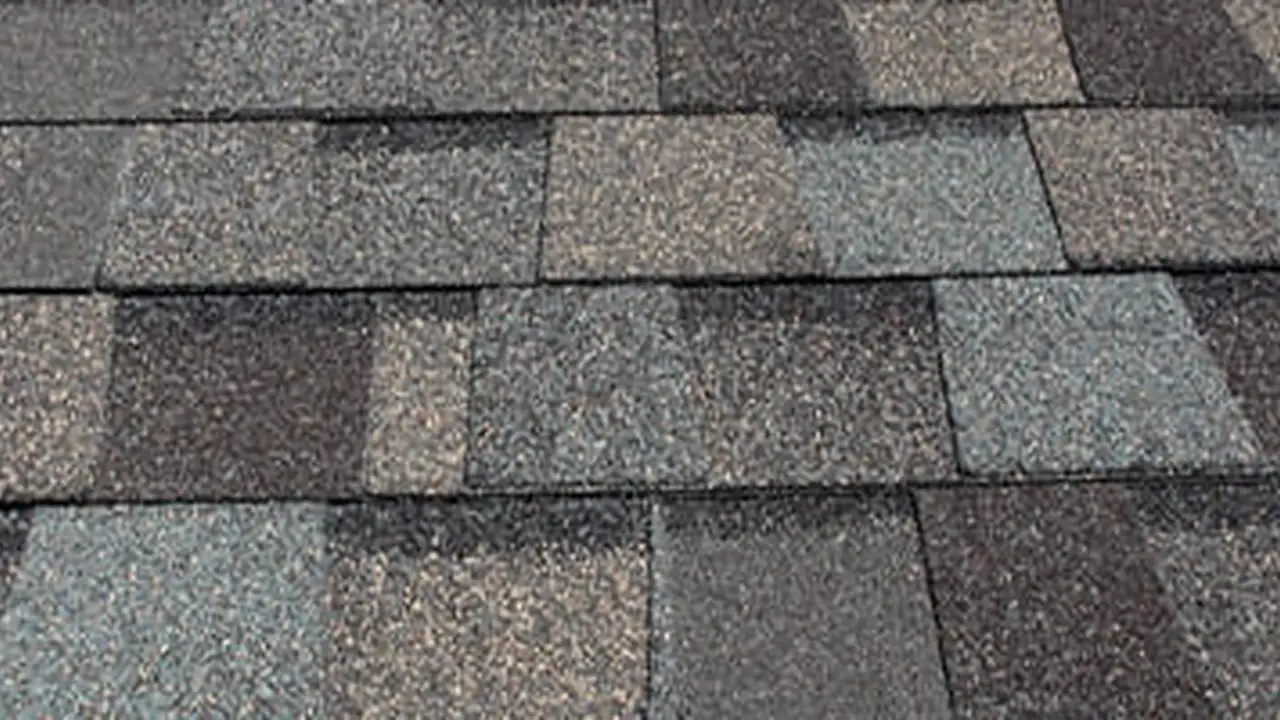
Asphalt shingles are the most common roofing material in the US due to their affordability and versatility. They come in various styles and colors, offering good protection for most climates. However, their installation is temperature-sensitive.
- Ideal Installation: Spring and Fall (temperatures between 40°F and 85°F or 4°C and 29°C).
- Why: The sun's warmth is needed to activate the adhesive strips on the shingles, creating a strong seal against wind and water. In cold weather, they won't seal, and in extreme heat, they can become too soft and easily damaged.
- Recommended Products:
- GAF Timberline HDZ: A popular choice known for its high definition look and excellent wind resistance. Features LayerLock Technology for enhanced shingle-to-shingle adhesion. Typical Cost: $100-$150 per square (100 sq ft) for materials.
- CertainTeed Landmark Pro: Offers a heavier shingle with a richer, more vibrant color palette. Known for its durability and aesthetic appeal. Typical Cost: $110-$160 per square for materials.
- Owens Corning Duration Series: Features SureNail Technology for superior gripping power, making it a good option for windy areas. Typical Cost: $95-$145 per square for materials.
- Use Case: Residential homes in most temperate climates.
Metal Roofing The Durable Option
Metal roofs are gaining popularity for their exceptional durability, longevity, and energy efficiency. They are less sensitive to temperature fluctuations during installation than asphalt shingles.
- Ideal Installation: Can be installed year-round, but spring and fall are still preferred for crew comfort and efficiency. Winter installation is more feasible than with shingles, provided there's no heavy snow or ice.
- Why: Metal panels are mechanically fastened, so they don't rely on temperature-sensitive adhesives. However, extreme cold can make metal brittle, and extreme heat can make it very hot to handle.
- Recommended Products:
- Standing Seam Metal Roof (e.g., from Sheffield Metals or Fabral): Offers a sleek, modern look with hidden fasteners, providing superior weather protection. Available in steel, aluminum, and copper. Typical Cost: $300-$600+ per square for materials, depending on material and gauge.
- Corrugated Metal Roof (e.g., from Metal Sales or McElroy Metal): A more economical option, often used for agricultural buildings but also for modern residential designs. Exposed fasteners. Typical Cost: $150-$300 per square for materials.
- Use Case: Homes in all climates, especially those seeking long-term durability, energy efficiency, or a modern aesthetic. Excellent for high-wind areas.
Tile Roofing Clay and Concrete for Warm Climates
Tile roofs, including clay and concrete, are highly durable, fire-resistant, and excellent for warm, sunny climates, particularly common in parts of the US (like Florida or California) and throughout Southeast Asia. They offer excellent thermal mass, helping to keep homes cool.
- Ideal Installation: Dry season in tropical climates; spring, summer, or fall in temperate zones.
- Why: Tiles are heavy and require a robust roof structure. Installation is less sensitive to temperature but benefits greatly from dry conditions to prevent slippery surfaces and ensure proper mortar curing (if used).
- Recommended Products:
- Boral Roofing (now Westlake Royal Roofing Solutions) Clay Tiles: Offers a wide range of styles, colors, and profiles, known for their natural beauty and longevity. Typical Cost: $300-$800+ per square for materials.
- Eagle Roofing Products Concrete Tiles: A more affordable alternative to clay, offering similar benefits in terms of durability and aesthetics. Available in various profiles and colors. Typical Cost: $200-$500 per square for materials.
- Use Case: Homes in hot, sunny climates, coastal areas, or those seeking a Mediterranean or Spanish architectural style. Very popular in Southeast Asia.
Synthetic Roofing Materials The Modern Alternative
Synthetic or composite roofing materials mimic the look of natural slate or wood shakes but offer enhanced durability, lighter weight, and often better fire resistance. They are generally more flexible with installation temperatures.
- Ideal Installation: Most seasons, avoiding extreme cold or heavy precipitation.
- Why: These materials are engineered for stability across a range of temperatures and don't rely on thermal sealing.
- Recommended Products:
- DaVinci Roofscapes (Synthetic Slate or Shake): High-performance polymer tiles that replicate the look of natural slate or cedar shakes without the maintenance. Excellent impact and fire resistance. Typical Cost: $400-$1000+ per square for materials.
- CeDUR Roofing Shakes (Synthetic Wood Shake): Made from a proprietary polyurethane material, offering the authentic look of heavy cedar shakes with superior durability and fire resistance. Typical Cost: $500-$1200+ per square for materials.
- Use Case: Homeowners wanting the aesthetic of natural materials with superior performance and lower maintenance, suitable for various climates.
Planning Your Roof Replacement Project Step by Step
Once you've considered the best time and materials, here's a quick roadmap to planning your project:
Step 1 Initial Roof Inspection and Assessment
Start with a thorough inspection of your current roof. Look for signs of wear, damage, or leaks. This will help you determine if a full replacement is truly necessary or if repairs might suffice for now. A professional roofer can provide a detailed assessment.
Step 2 Research and Select Roofing Materials
Based on your climate, budget, aesthetic preferences, and desired lifespan, research different roofing materials. Consider the pros and cons of asphalt, metal, tile, synthetic, and other options. Don't forget to factor in energy efficiency and local building codes.
Step 3 Get Multiple Quotes from Reputable Contractors
This is crucial. Contact at least three licensed and insured roofing contractors. Ask for detailed quotes that include material costs, labor, tear-off and disposal, permits, and warranty information. Compare not just prices, but also the scope of work, materials proposed, and contractor reputation.
Step 4 Check References and Reviews
Before making a final decision, check references from previous clients and read online reviews. Look for contractors with a strong track record of quality work, good communication, and customer satisfaction.
Step 5 Understand the Contract and Warranty
Carefully review the contract before signing. Ensure all agreed-upon terms, materials, timelines, and payment schedules are clearly outlined. Understand both the manufacturer's warranty on the materials and the contractor's warranty on their workmanship.
Step 6 Schedule Your Project Strategically
Once you've chosen your contractor and materials, work with them to schedule the project during the optimal time of year for your region. Book well in advance, especially if you're aiming for a peak season.
Step 7 Prepare Your Home for Installation
Before the crew arrives, take steps to prepare your home. Clear the perimeter of any obstacles, protect landscaping, move vehicles, and secure any loose items in your attic or on walls that might be affected by vibrations. Inform your neighbors about the upcoming work.
By carefully considering the seasonal factors, material requirements, and planning steps, you can ensure your roof replacement project goes smoothly, efficiently, and results in a durable, long-lasting roof that protects your home for years to come.
:max_bytes(150000):strip_icc()/277019-baked-pork-chops-with-cream-of-mushroom-soup-DDMFS-beauty-4x3-BG-7505-5762b731cf30447d9cbbbbbf387beafa.jpg)