The Evolution of Roofing Underlayment
Trace the advancements in roofing underlayment materials, offering superior protection and performance.
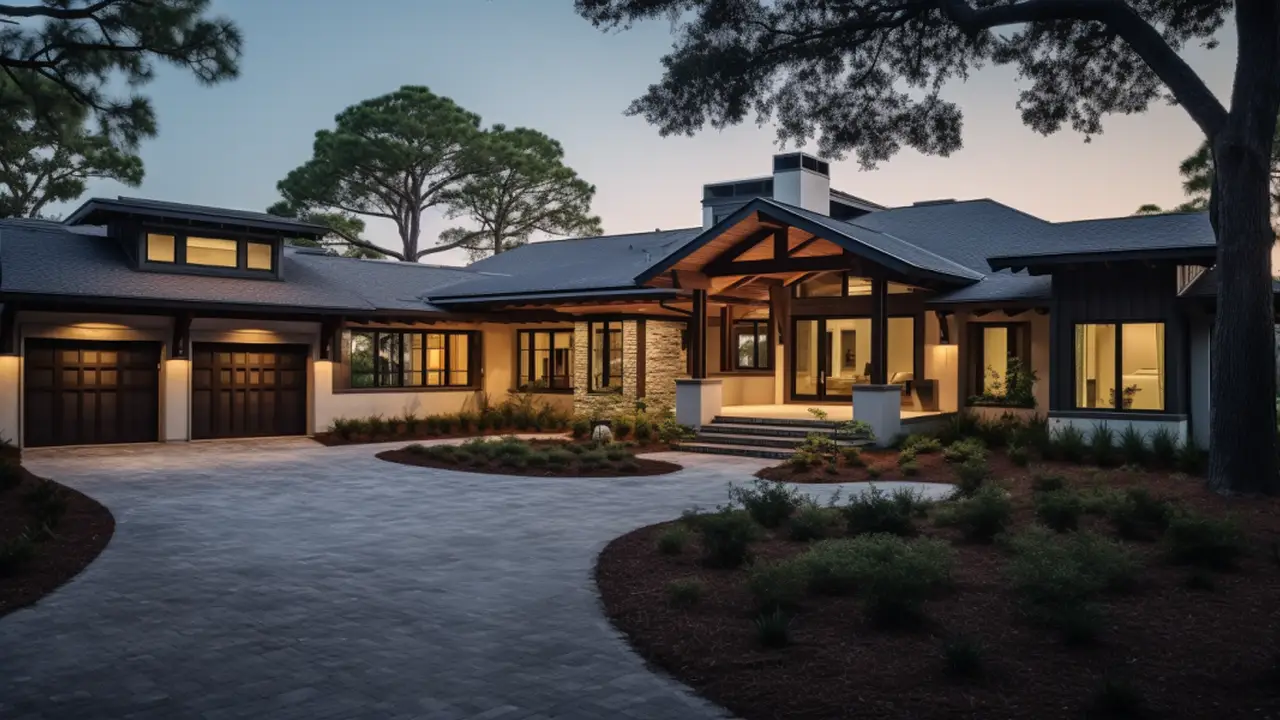
Trace the advancements in roofing underlayment materials, offering superior protection and performance.
The Evolution of Roofing Underlayment From Felt to High Tech Synthetics
Hey there, homeowners and roofing enthusiasts! Let's talk about something that often gets overlooked but is absolutely crucial for the longevity and performance of your roof: underlayment. Think of it as the unsung hero beneath your shingles, tiles, or metal panels. For decades, roofing felt was the go-to, but boy, have things changed! We've seen a massive leap from those traditional asphalt-saturated felt papers to some seriously high-tech synthetic materials. This journey isn't just about new products; it's about better protection, easier installation, and ultimately, a more durable roof over your head. So, let's dive into the fascinating evolution of roofing underlayment and see what today's market has to offer.
Understanding Roofing Underlayment What It Is and Why It Matters
Before we get into the nitty-gritty of different types, let's quickly cover the basics. What exactly is roofing underlayment? In simple terms, it's a protective layer installed directly onto your roof deck before the final roofing material goes on. Its primary job is to act as a secondary barrier against water penetration. While your shingles or tiles are the first line of defense, underlayment catches anything that gets past them – whether it's wind-driven rain, melting snow, or even a stray hailstone that dislodges a shingle. It also provides a temporary weather barrier during installation, protecting your home until the main roofing material is applied. Without proper underlayment, your roof deck is vulnerable to moisture, which can lead to rot, mold, and structural damage. So, yeah, it's a pretty big deal!
The Old Guard Traditional Asphalt Saturated Felt Underlayment
For a long time, if you talked about roofing underlayment, you were almost certainly talking about asphalt-saturated felt. This material, often referred to as 'tar paper,' has been a staple in the roofing industry for over a century. It's essentially a mat of organic fibers (like wood cellulose) or fiberglass, saturated with asphalt to make it water-resistant. You'll typically find it in two main weights: 15-pound felt and 30-pound felt. The 30-pound felt is thicker and more durable, offering better protection, but also costing a bit more.
Pros of Asphalt Felt Underlayment
- Cost-Effective: It's generally the most budget-friendly option, making it attractive for projects with tight budgets.
- Proven Track Record: It's been used for a very long time, so its performance characteristics are well understood.
- Breathability: Traditional felt can allow some moisture vapor to escape from the attic, which can be beneficial in certain climates.
Cons of Asphalt Felt Underlayment
- Tears Easily: It's prone to tearing during installation, especially in windy conditions or if walked on carelessly.
- Absorbs Moisture: While water-resistant, it can absorb some moisture, which can cause it to wrinkle or buckle, potentially affecting the flatness of the finished roof.
- UV Degradation: Prolonged exposure to UV rays before the final roofing material is installed can degrade its performance.
- Weight: It's heavier than synthetic alternatives, which can make handling and installation more labor-intensive.
- Shorter Lifespan: Its lifespan is generally shorter than that of synthetic underlayments.
Popular Asphalt Felt Products and Pricing
You'll find brands like GAF FeltBuster (though GAF also has synthetics) or generic ASTM D226 Type I (15#) and Type II (30#) felt. A roll of 15# felt (typically 400 sq ft) might cost you around $30-$50, while 30# felt (200 sq ft) could be $40-$70. Prices vary by region and supplier, of course.
The New Era Synthetic Roofing Underlayment
Enter synthetic underlayment, the modern marvel that has largely replaced felt in many applications. These products are typically made from polypropylene or polyethylene, often woven or spun-bonded, and coated with polymers to enhance their water resistance. They are incredibly lightweight, strong, and offer superior performance compared to traditional felt.
Pros of Synthetic Underlayment
- Superior Strength: Synthetics are far more tear-resistant than felt, making them easier to install and less prone to damage during construction.
- Lightweight: A single roll of synthetic underlayment can cover significantly more area than a roll of felt, yet weigh much less, making it easier to transport and handle on the roof.
- Water Resistance: They offer excellent water resistance, often being completely waterproof, providing a robust secondary barrier.
- UV Resistance: Many synthetic underlayments are designed to withstand prolonged UV exposure, allowing for longer exposure times before the final roof covering is installed.
- Slip Resistance: Most synthetics have a textured surface, providing better foot traction for installers, enhancing safety.
- Mold and Mildew Resistant: Unlike felt, synthetics do not absorb moisture, making them impervious to mold and mildew growth.
- Longer Lifespan: They are designed to last as long as or even longer than the primary roofing material.
Cons of Synthetic Underlayment
- Higher Upfront Cost: Synthetics are generally more expensive per roll than felt, though their larger coverage area can sometimes offset this.
- Less Breathable: Some synthetics are less breathable than felt, which might be a consideration in certain attic ventilation scenarios.
Popular Synthetic Underlayment Products and Pricing
This is where the market really opens up with a lot of great options. Here are a few top contenders:
- Titanium UDL30 / UDL50 (InterWrap): These are very popular, known for their strength and slip-resistant surface. UDL30 is a good all-around choice, while UDL50 offers enhanced durability. A 10-square roll (1000 sq ft) of UDL30 might range from $100-$150, and UDL50 slightly more.
- RhinoRoof U20 (GAF): GAF's entry into the synthetic market, offering a lightweight, durable, and slip-resistant option. A 10-square roll typically costs around $90-$130.
- Deck-Armor (GAF): A premium breathable synthetic underlayment from GAF, designed for superior protection and ventilation. Expect to pay $150-$200 for a 10-square roll.
- RoofRunner (Owens Corning): Owens Corning's synthetic underlayment, known for its durability and ease of installation. A 10-square roll is usually in the $100-$140 range.
- ProArmor (Atlas Roofing): Another strong contender, offering excellent tear resistance and a textured surface for safety. Pricing is competitive with other major brands.
Specialized Underlayments Ice and Water Shield
Beyond standard felt and synthetic underlayments, there's a crucial category known as 'ice and water shield' or 'self-adhering underlayment.' This isn't just water-resistant; it's completely waterproof and self-sealing around fasteners. It's typically made from rubberized asphalt or butyl-based compounds with a polyethylene or polypropylene film on top. The adhesive backing sticks directly to the roof deck, creating an impenetrable barrier.
Why You Need Ice and Water Shield
Ice and water shield is absolutely essential in areas prone to ice dams (where melting snow refreezes at the eaves, backing up water under shingles) or in regions with heavy rainfall and strong winds. Building codes in many cold climates actually mandate its use along eaves, valleys, and around penetrations like skylights and chimneys. It's also highly recommended in low-slope areas where water might pool.
Pros of Ice and Water Shield
- Complete Waterproofing: Provides the highest level of water protection, especially against ice dams and wind-driven rain.
- Self-Sealing: The material seals around nails and other fasteners, preventing water from penetrating through the holes.
- Adhesive Backing: Sticks directly to the roof deck, creating a continuous, seamless barrier.
Cons of Ice and Water Shield
- Higher Cost: Significantly more expensive than felt or standard synthetic underlayment.
- Installation Difficulty: Can be trickier to install due to its adhesive nature; once it sticks, it's hard to reposition.
- Less Breathable: It's a vapor barrier, so proper attic ventilation is even more critical when using it.
Popular Ice and Water Shield Products and Pricing
These products are usually sold in smaller rolls (typically 2 squares or 200 sq ft) due to their weight and specialized application.
- StormGuard (GAF): A popular choice for ice and water protection, known for its strong adhesion and flexibility. A 2-square roll might cost $70-$100.
- WeatherWatch (GAF): Similar to StormGuard but often with a granular surface for better traction. Pricing is comparable.
- Grace Ice & Water Shield (Carlisle): Considered a premium product and often the industry standard, known for its exceptional performance. A 2-square roll can range from $90-$130.
- CertainTeed WinterGuard: Another high-quality option from a major manufacturer, offering excellent protection. Pricing is similar to GAF and Grace.
Choosing the Right Underlayment for Your Home and Climate
So, with all these options, how do you pick the right one? It really boils down to a few key factors:
Climate Considerations
- Cold Climates with Snow and Ice: Ice and water shield is a non-negotiable for eaves, valleys, and penetrations. A high-quality synthetic underlayment for the rest of the roof is also highly recommended for its durability and water resistance.
- Hot, Humid Climates (like Southeast Asia): Breathability can be a factor to prevent moisture buildup. Some synthetics are designed to be more breathable. Ice and water shield is still valuable in valleys and around penetrations to guard against heavy monsoon rains. UV resistance is also crucial due to intense sun exposure.
- Windy Regions: The tear resistance of synthetic underlayments is a huge advantage here, as they are less likely to be damaged by strong winds during installation or if the primary roofing material is compromised.
Roofing Material Compatibility
Most underlayments are compatible with common roofing materials like asphalt shingles, metal, and tiles. However, always check the manufacturer's recommendations. For instance, some metal roofing systems might recommend specific types of underlayment to prevent corrosion or provide a smoother surface.
Budget vs. Performance
While felt is cheaper upfront, synthetic underlayments offer superior performance, durability, and ease of installation, which can save you money in the long run by preventing costly repairs. Ice and water shield is an investment, but it's a critical one for preventing severe water damage in vulnerable areas.
Installation Considerations
If you're a DIYer, synthetics are generally easier to handle and less prone to tearing. However, installing ice and water shield requires careful attention to detail to avoid wrinkles and ensure proper adhesion.
The Future of Underlayment Smart and Sustainable Options
The evolution isn't stopping! We're seeing continuous innovation in underlayment technology. Some manufacturers are exploring underlayments with integrated sensors for moisture detection, allowing homeowners to be alerted to potential leaks early on. There's also a growing focus on sustainable options, with underlayments made from recycled materials or those designed for enhanced energy efficiency. As roofing technology advances, expect underlayments to become even smarter, stronger, and more environmentally friendly, playing an even more integral role in the overall performance of your home's protective shell.
So, next time you're thinking about your roof, remember the silent guardian beneath it. Choosing the right underlayment isn't just about meeting code; it's about investing in the long-term health and protection of your home. Don't skimp on this vital layer – it's truly the foundation of a resilient roof.
:max_bytes(150000):strip_icc()/277019-baked-pork-chops-with-cream-of-mushroom-soup-DDMFS-beauty-4x3-BG-7505-5762b731cf30447d9cbbbbbf387beafa.jpg)