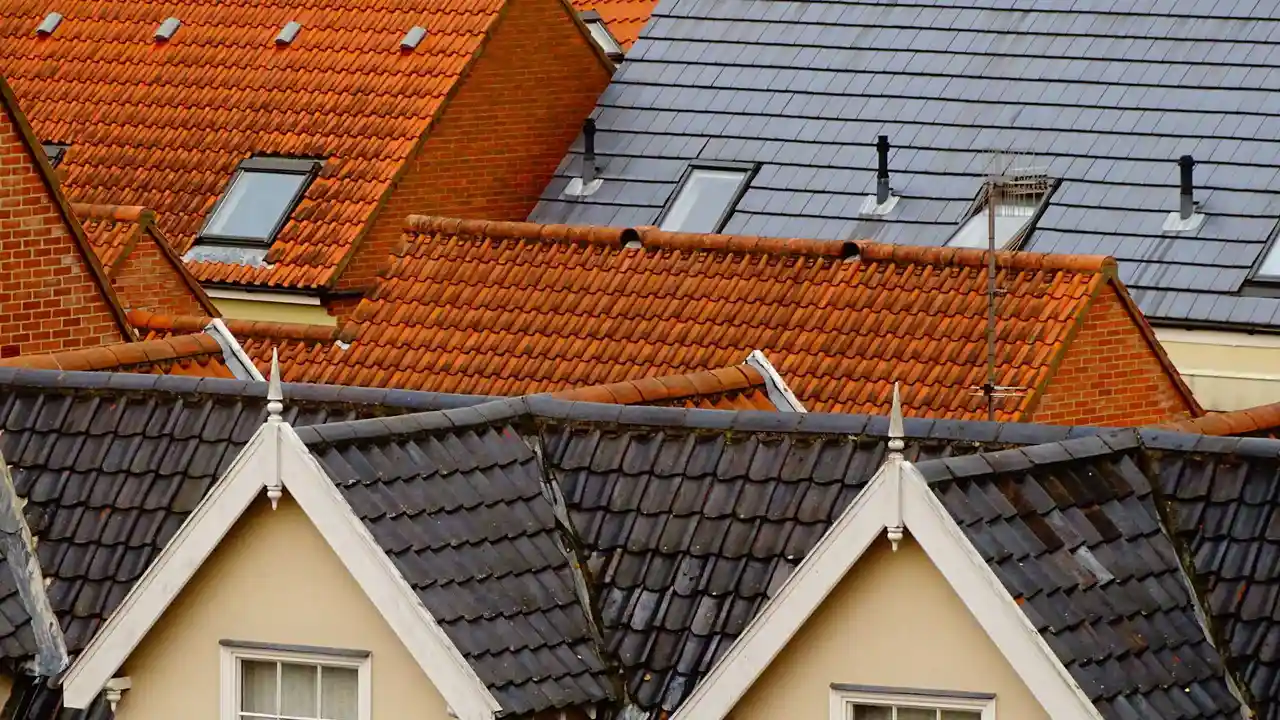
Fiber Cement Roofing Benefits and Drawbacks
Understand the pros and cons of fiber cement roofing as a durable and fire-resistant option for your property.
Understand the pros and cons of fiber cement roofing as a durable and fire-resistant option for your property.
Fiber Cement Roofing Benefits and Drawbacks
Hey there, homeowners! Are you on the hunt for a roofing material that’s tough, looks great, and won’t break the bank? You might have stumbled upon fiber cement roofing. It’s been gaining a lot of traction lately, and for good reason. But like anything else, it’s got its ups and downs. Today, we’re going to dive deep into everything you need to know about fiber cement roofing, from its fantastic benefits to its potential drawbacks, and even look at some specific products, their uses, and what they might cost you. So, let’s get started!
What is Fiber Cement Roofing and Why Should You Care
First things first, what exactly is fiber cement roofing? Imagine a material that combines the strength of cement with the flexibility of cellulose fibers, often mixed with sand and water. That’s fiber cement for you! It’s engineered to be incredibly durable and versatile, mimicking the look of more expensive materials like wood shakes, slate, or even clay tiles, but often at a fraction of the cost and with superior performance in certain areas. This makes it a really attractive option for homeowners looking for both aesthetics and functionality.
Why should you care? Well, if you’re in a region prone to harsh weather, looking for fire resistance, or simply want a roof that lasts a long time without constant fuss, fiber cement could be your answer. It’s a modern solution to many traditional roofing problems, offering a blend of old-world charm and new-age resilience.
The Fantastic Benefits of Fiber Cement Roofing Durability and Fire Resistance
Let’s kick things off with the good stuff – the benefits! Fiber cement roofing brings a lot to the table, making it a strong contender for your next roofing project.
Exceptional Durability and Longevity for Your Home
One of the biggest selling points of fiber cement is its incredible durability. This stuff is built to last! We’re talking about a lifespan that can easily stretch to 50 years or even more with proper installation and maintenance. That’s significantly longer than many asphalt shingle roofs, which typically last 20-30 years. This long lifespan means fewer replacements over the decades, saving you money and hassle in the long run. It stands up well to various weather conditions, from scorching sun to heavy rain and even hail.
Unmatched Fire Resistance Protecting Your Property
This is a huge one, especially if you live in an area prone to wildfires or just want extra peace of mind. Fiber cement is inherently non-combustible. It has a Class A fire rating, which is the highest possible. This means it won't ignite when exposed to flames, nor will it contribute to the spread of fire. For homeowners in wildfire-prone regions of the US, or even in densely populated areas of Southeast Asia where fire safety is a concern, this feature alone can be a game-changer for protecting your home and family.
Pest and Rot Resistance A Low Maintenance Solution
Unlike wood, fiber cement isn't a tasty snack for termites or other pests. It's also impervious to rot and fungal growth, which can be a major issue for other roofing materials, especially in humid climates. This resistance to biological threats means less worry about infestations and structural damage, contributing to its low-maintenance profile.
Weather Resistance Standing Up to the Elements
Fiber cement is a champion against the elements. It handles extreme temperatures, both hot and cold, without cracking or warping. It’s also highly resistant to strong winds, making it a good choice for coastal areas or regions with frequent storms. Its density helps it resist impact from hail and falling debris better than some lighter materials. This all-around weather resilience means your roof will continue to perform and look good, no matter what Mother Nature throws at it.
Versatile Aesthetics Mimicking High End Materials
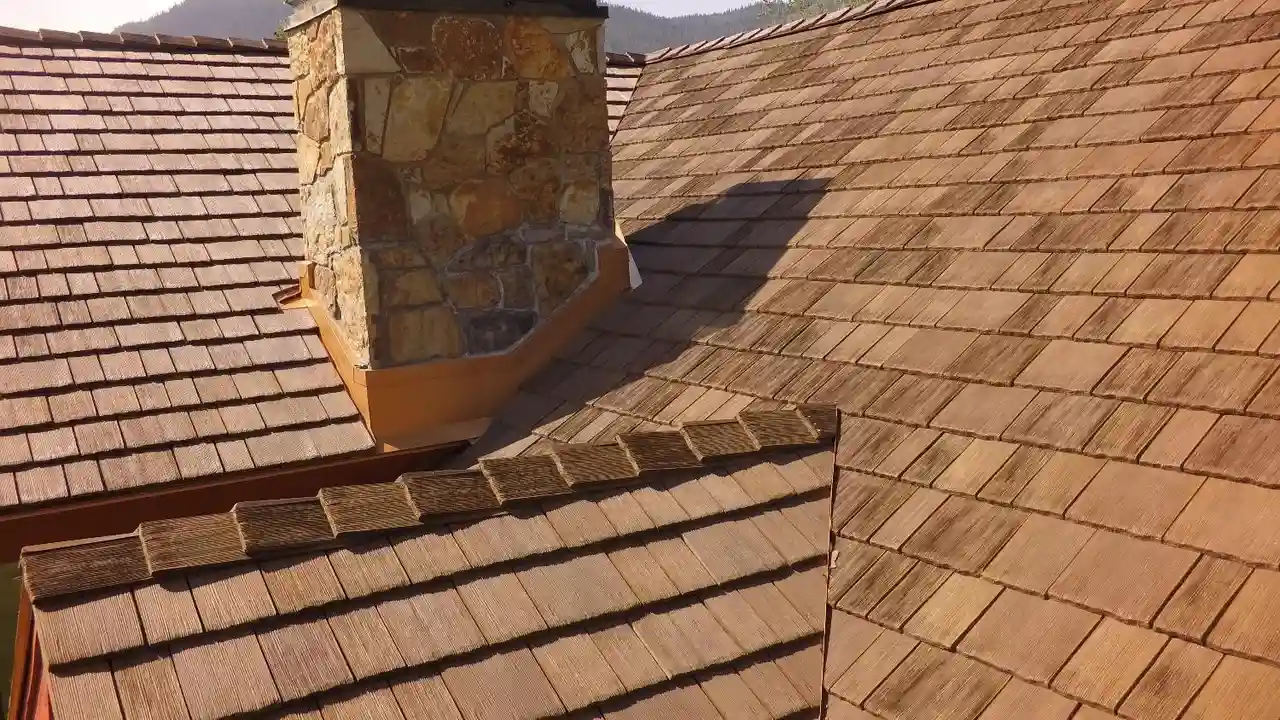
Who says durable can't be beautiful? Fiber cement is incredibly versatile when it comes to aesthetics. It can be manufactured to convincingly replicate the look of natural wood shakes, elegant slate tiles, or even Mediterranean clay tiles. This means you can achieve a high-end, custom look for your home without the premium price tag or the maintenance demands of the natural materials. It comes in a wide range of colors and textures, allowing you to perfectly match your home's architectural style.
Energy Efficiency and Insulation Benefits
While not as inherently insulating as some other materials, fiber cement can contribute to your home's energy efficiency. Its density provides a decent thermal mass, which can help regulate indoor temperatures. When combined with proper underlayment and insulation, a fiber cement roof can help reduce your heating and cooling costs, making your home more comfortable and environmentally friendly.
The Potential Drawbacks of Fiber Cement Roofing What to Consider
Alright, so fiber cement sounds pretty amazing, right? But no material is perfect, and it’s important to be aware of the potential downsides before making a decision.
Higher Upfront Cost Compared to Asphalt Shingles
Let’s talk money. While fiber cement is often more affordable than natural slate or wood shakes, it typically has a higher upfront cost than traditional asphalt shingles. This initial investment can be a deterrent for some homeowners, even though the long-term savings from durability and lower maintenance often outweigh this initial expense. It’s crucial to look at the total cost of ownership over the roof’s lifespan, not just the installation price.
Weight and Structural Considerations for Installation
Fiber cement is a heavy material. This weight can sometimes require additional structural reinforcement for your roof deck, especially if you’re replacing a lighter material like asphalt shingles. This adds to the complexity and cost of installation. It’s essential to have a qualified structural engineer or experienced roofing contractor assess your home’s framing before committing to fiber cement to ensure it can support the load.
Installation Complexity and Professional Expertise Required
Installing fiber cement roofing isn't a DIY job. It requires specialized tools and expertise. The material can be brittle before installation, making it prone to breakage if not handled correctly. Cutting fiber cement also produces a fine silica dust, which requires proper respiratory protection and ventilation. This means you’ll need to hire experienced professionals who are familiar with fiber cement installation, which can impact labor costs.
Potential for Brittleness and Chipping During Handling
As mentioned, fiber cement can be brittle, especially before it's securely fastened. This means careful handling during transport and installation is crucial to prevent chipping or cracking. Once installed, it's quite robust, but accidental impacts during maintenance or other activities could potentially cause damage that requires repair.
Limited Color Options Compared to Some Materials
While fiber cement offers a good range of colors and styles, it might not have the same extensive palette as, say, painted metal roofing or certain types of composite shingles. If you have a very specific, unique color in mind, you might find your options slightly more limited. However, most manufacturers offer a solid selection of popular and classic colors that suit a wide variety of home styles.
Maintenance Requirements While Low Still Necessary
While fiber cement is considered low-maintenance, it's not maintenance-free. You'll still need to perform routine inspections, clean off debris, and potentially clean the surface periodically to prevent moss or algae growth, especially in humid environments. Any damaged pieces will also need to be replaced. However, compared to natural wood or some other materials, the maintenance burden is significantly lighter.
Top Fiber Cement Roofing Products and Their Applications
Now that we’ve covered the general pros and cons, let’s look at some specific products available on the market. This will give you a better idea of what’s out there and how they might fit your specific needs and budget.
James Hardie HardieShingle HZ5 and HZ10
James Hardie is a giant in the fiber cement industry, and their HardieShingle line is incredibly popular. They offer products specifically engineered for different climates:
- HardieShingle HZ5: This product is designed for regions with freezing temperatures, extreme temperature swings, and heavy rainfall. It’s built to resist cracking, splitting, and rotting in these conditions. Think of the northern US states or mountainous regions.
- HardieShingle HZ10: Tailored for areas with high heat, humidity, and intense sun exposure, like the southern US and much of Southeast Asia. It’s formulated to resist moisture absorption and UV damage, preventing swelling and fading.
Appearance: Both HZ5 and HZ10 come in various shingle styles, including straight edge, staggered edge, and even individual shingles for a more authentic wood shake look. They are available pre-primed for painting or in a range of ColorPlus Technology finishes, which are baked-on colors that resist fading, chipping, and cracking.
Use Cases: Ideal for homes where you want the classic look of wood shakes but need the durability, fire resistance, and low maintenance of fiber cement. Excellent for traditional, craftsman, or even modern farmhouse architectural styles.
Estimated Cost: For the material alone, you might be looking at $4 to $8 per square foot, depending on the style and finish. Installation costs will add significantly to this, often bringing the total to $8 to $15+ per square foot, depending on your location and the complexity of the job.
Allura Fiber Cement Shingles
Allura is another reputable brand offering a strong line of fiber cement products, including roofing shingles. They focus on providing durable and aesthetically pleasing options.
Appearance: Allura’s shingles are designed to replicate the natural beauty of cedar shakes and slate. They offer a variety of textures and profiles, from smooth to rough-sawn, and come in a good selection of pre-finished colors or can be painted on-site. Their slate-look shingles are particularly convincing, offering a sophisticated aesthetic without the weight or cost of natural slate.
Use Cases: Great for homeowners who want the look of natural slate or cedar but need a more robust, fire-resistant, and lower-maintenance alternative. Suitable for a wide range of architectural styles, from historic reproductions to contemporary designs.
Estimated Cost: Allura fiber cement shingles typically fall in a similar price range to James Hardie, with materials costing around $3.50 to $7 per square foot. Installed, expect to pay $7 to $14+ per square foot.
Maxitile Fiber Cement Roofing (Southeast Asia Focus)
For homeowners in Southeast Asia, brands like Maxitile (often under parent companies like SCG or Shera) are very prominent. These companies produce fiber cement roofing specifically designed for the tropical climate.
Appearance: Maxitile products often come in profiles that mimic traditional clay tiles or concrete tiles, which are very popular in the region. They are available in a range of colors, from earthy tones to brighter hues, and often have a smooth or slightly textured finish. They are designed to resist the intense sun and heavy rains common in the tropics.
Use Cases: Excellent for homes in Southeast Asia looking for a durable, weather-resistant, and fire-safe alternative to traditional clay or concrete tiles. They are often lighter than their natural counterparts, which can be a benefit for structural considerations. Ideal for modern tropical architecture or traditional designs.
Estimated Cost: Pricing in Southeast Asia can vary significantly by country and local market conditions. However, Maxitile fiber cement roofing materials might range from $2 to $5 USD per square foot. Installed costs could be anywhere from $5 to $10+ USD per square foot, depending on labor rates and project complexity.
Gaf WeatherSide Fiber Cement Siding (Can be adapted for roofing in some cases)
While primarily known for siding, GAF's WeatherSide fiber cement products are worth mentioning as some profiles can be adapted for certain roofing applications, particularly for low-slope roofs or decorative elements, though always consult with a professional for roofing suitability.
Appearance: GAF WeatherSide offers a classic wood-grain texture, often mimicking cedar shingles. They come pre-primed or in a selection of factory-finished colors. The focus is on a traditional, clean aesthetic.
Use Cases: More commonly used for siding, but specific profiles might be considered for decorative roofing elements or very low-slope applications where water shedding is less critical than for steep-slope roofs. Always verify with a GAF representative or a certified roofing contractor for appropriate use as a roofing material.
Estimated Cost: As a siding product, materials might be $2.50 to $5 per square foot. If adapted for roofing, installation costs would be higher due to the specialized nature.
Comparing Fiber Cement with Other Popular Roofing Materials
To truly understand where fiber cement stands, let’s stack it up against some other common roofing materials.
Fiber Cement vs Asphalt Shingles Cost and Lifespan
- Cost: Asphalt shingles are generally the most affordable upfront, often costing $3 to $7 per square foot installed. Fiber cement is more expensive, typically $7 to $15+ per square foot installed.
- Lifespan: Asphalt shingles last 20-30 years. Fiber cement can last 50+ years.
- Durability: Fiber cement is significantly more durable, offering superior fire, wind, and impact resistance. Asphalt shingles are more susceptible to wind damage, hail, and UV degradation over time.
- Aesthetics: Asphalt shingles offer a wide range of colors but a more uniform look. Fiber cement can mimic natural materials like wood and slate, offering a more premium aesthetic.
Verdict: If budget is your absolute top priority and you don't mind replacing your roof sooner, asphalt is fine. But for long-term value, superior protection, and a high-end look, fiber cement is the winner.
Fiber Cement vs Metal Roofing Weight and Maintenance
- Weight: Metal roofing is generally lighter than fiber cement, which can be an advantage for structural considerations.
- Maintenance: Both are low maintenance. Metal roofs are virtually maintenance-free beyond occasional cleaning. Fiber cement requires slightly more attention, mainly cleaning and potential re-painting if not factory-finished.
- Durability: Both are extremely durable. Metal roofs excel in extreme weather and are often recyclable. Fiber cement offers excellent fire resistance and impact resistance.
- Cost: Metal roofing can range widely, from $8 to $20+ per square foot installed, often making it more expensive than fiber cement, especially for standing seam options.
Verdict: Both are excellent, long-lasting options. Metal might be better for very lightweight requirements or extreme hail. Fiber cement offers a more traditional aesthetic and often a slightly lower price point than premium metal options.
Fiber Cement vs Natural Slate or Wood Shakes Aesthetics and Price
- Aesthetics: Fiber cement can mimic the look of natural slate or wood shakes very convincingly. However, natural materials have an undeniable authentic charm and unique variations.
- Price: Natural slate and wood shakes are significantly more expensive, often $15 to $30+ per square foot installed, due to material cost, weight, and specialized installation. Fiber cement is a much more affordable alternative.
- Maintenance: Natural wood shakes require significant maintenance (sealing, pest control). Natural slate is very durable but can be brittle and difficult to repair. Fiber cement is much lower maintenance.
- Fire Resistance: Natural wood shakes are combustible. Natural slate is fire-resistant. Fiber cement is Class A fire-rated.
Verdict: If you want the high-end look of natural materials without the exorbitant cost, weight, or maintenance, fiber cement is an outstanding substitute. If absolute authenticity and budget are no object, natural materials might still appeal.
Installation and Maintenance Tips for Fiber Cement Roofing
Getting your fiber cement roof installed correctly and taking care of it will ensure it lasts for decades.
Professional Installation is Key for Longevity
As we touched on earlier, this isn't a DIY project. Hiring a certified and experienced roofing contractor who specializes in fiber cement is paramount. They will ensure proper handling, cutting, and fastening techniques are used, which are critical for the roof's performance and warranty. Improper installation can lead to premature failure, voided warranties, and costly repairs down the line. Ask for references and check their previous fiber cement projects.
Regular Inspections and Cleaning for Optimal Performance
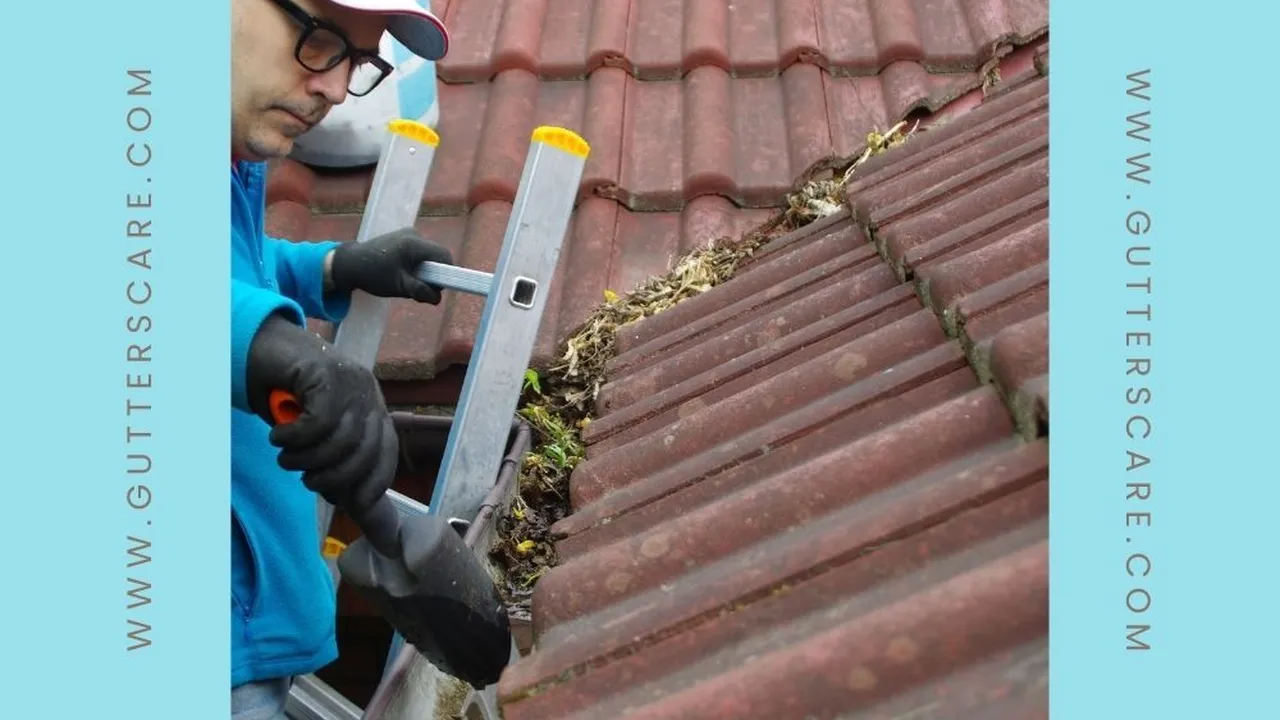
Even though it's low maintenance, don't neglect your fiber cement roof. Aim for annual inspections, ideally in the spring or fall. Look for any signs of damage, loose fasteners, or debris buildup. Keep your roof clean by removing leaves, branches, and other organic matter that can trap moisture and encourage moss or algae growth. A soft brush and a garden hose are usually sufficient for cleaning. Avoid high-pressure washers, as they can damage the surface.
Addressing Moss and Algae Growth in Humid Climates
In humid regions, moss and algae can still grow on fiber cement, especially on shaded areas. If you notice growth, use a mild, eco-friendly roof cleaning solution specifically designed for fiber cement. Always follow the manufacturer's instructions for application and rinsing. Regular cleaning will prevent these growths from taking hold and potentially causing discoloration or minor surface degradation over time.
Repairing Damaged Fiber Cement Shingles
While durable, individual fiber cement shingles can occasionally get damaged by severe impact or improper handling. Fortunately, individual shingles can often be replaced. This is another reason why professional installation is important – a good contractor will know how to carefully remove and replace damaged pieces without disturbing the surrounding roof. It's always a good idea to keep a few spare shingles from your original installation for future repairs.
Is Fiber Cement Roofing Right for Your Home
So, after all this information, is fiber cement roofing the right choice for your home? It really depends on your priorities.
If you're looking for a roofing material that offers exceptional durability, a very long lifespan, superior fire resistance, and a high-end aesthetic that mimics natural materials, all with relatively low maintenance, then fiber cement is definitely worth serious consideration. It's an excellent investment for homeowners who plan to stay in their homes for a long time and want peace of mind regarding their roof's performance and safety.
However, if your budget is extremely tight and you're looking for the absolute lowest upfront cost, or if you're planning a very short-term stay in your home, then the higher initial investment might be a deterrent. Also, if your home's structure cannot easily support the weight, or if you're set on a very unique, custom color that isn't available, you might need to explore other options.
For homes in the US, especially in areas with wildfire risks or extreme weather, fiber cement offers a fantastic blend of protection and curb appeal. In Southeast Asia, its resistance to humidity, pests, and intense sun makes it a highly practical and durable choice, often outperforming traditional materials in these challenging climates.
Ultimately, talk to several reputable roofing contractors in your area. Get quotes, ask questions, and look at samples. They can assess your specific home, climate, and budget to help you make the most informed decision for your roofing project. Happy roofing!
:max_bytes(150000):strip_icc()/277019-baked-pork-chops-with-cream-of-mushroom-soup-DDMFS-beauty-4x3-BG-7505-5762b731cf30447d9cbbbbbf387beafa.jpg)