Tropical Roofing Challenges and Solutions
Address unique roofing challenges in tropical regions, including heavy rainfall, humidity, and intense sun exposure.
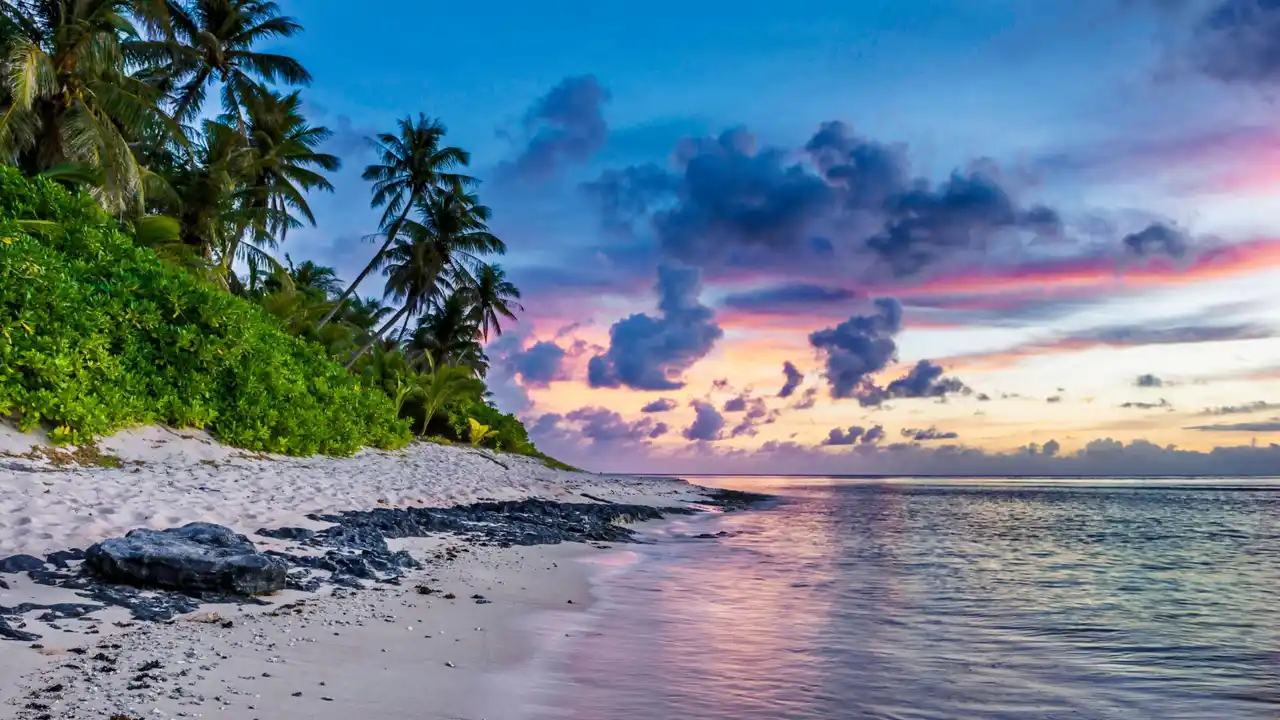
Address unique roofing challenges in tropical regions, including heavy rainfall, humidity, and intense sun exposure.
Tropical Roofing Challenges and Solutions for Your Home
Living in a tropical region, whether it's the vibrant landscapes of Southeast Asia or the sunny coasts of Florida, comes with its own set of unique charms and, let's be honest, unique challenges, especially when it comes to your home's roof. We're talking about relentless sun, torrential downpours, high humidity that seems to seep into everything, and sometimes, even the threat of powerful storms. Your roof isn't just a pretty hat for your house; it's your primary shield against these elements. So, understanding the specific challenges and, more importantly, the best solutions for tropical roofing is absolutely crucial for protecting your investment and ensuring your family's comfort and safety.
This isn't just about picking a material that looks good. It's about choosing a roofing system that can stand up to the heat, shed water efficiently, resist mold and mildew, and potentially even lower your energy bills. We're going to dive deep into the common problems faced by roofs in tropical climates, explore the best materials and technologies available, and even recommend some specific products that have proven their worth in these demanding environments. Let's get started on making your roof a fortress against the tropics!
The Big Three Tropical Roofing Challenges Heat Humidity and Heavy Rain
When you live in a tropical climate, your roof is constantly battling a trifecta of environmental aggressors: intense heat, pervasive humidity, and frequent, often heavy, rainfall. Each of these presents its own set of problems, and together, they can significantly shorten the lifespan of an ill-prepared roof.
Intense Sun Exposure and Heat Damage to Roofs
The sun in tropical regions isn't just bright; it's powerful. Constant exposure to high levels of UV radiation and extreme heat can wreak havoc on many roofing materials. This isn't just about fading; it's about structural degradation. UV rays break down the chemical bonds in materials like asphalt shingles, leading to brittleness, cracking, and granule loss. For other materials, prolonged heat can cause warping, buckling, and expansion and contraction cycles that stress fasteners and seams. This thermal cycling can lead to fatigue and eventual failure of the roofing system. Moreover, a roof that absorbs a lot of heat will transfer that heat into your attic and, subsequently, into your living spaces, driving up your air conditioning costs significantly. This is why 'cool roof' technologies and materials with high solar reflectivity are so important here.
High Humidity and Moisture Related Roof Problems
Humidity is the silent killer of roofs in the tropics. It creates a perpetually damp environment that is a breeding ground for mold, mildew, algae, and even moss. These growths aren't just unsightly; they can actually degrade roofing materials over time. Algae, for instance, can feed on the limestone fillers in asphalt shingles, causing dark streaks and reducing their reflective properties. Moss can lift shingles, allowing water to penetrate underneath. Beyond biological growth, constant moisture can lead to rot in wooden components of the roof structure, corrosion of metal fasteners, and delamination of certain roofing materials. Proper ventilation becomes absolutely critical in these conditions to prevent moisture buildup in the attic and within the roofing system itself.
Heavy Rainfall and Water Infiltration Roof Leaks
Tropical downpours are legendary for their intensity and volume. While a well-designed roof should shed water, heavy rainfall puts immense pressure on every part of the roofing system. Weak points like improperly installed flashing, damaged shingles, clogged gutters, or inadequate slopes can quickly turn into major leak sources. Water infiltration can lead to extensive damage to the roof deck, insulation, ceilings, and interior walls, fostering mold growth inside the home. The sheer force of heavy rain can also dislodge granules from shingles or even lift lighter roofing materials if not properly secured. Effective drainage, robust waterproofing, and materials that can withstand constant saturation are paramount.
Top Roofing Materials for Tropical Climates Durability and Performance
Choosing the right roofing material is the single most important decision you'll make for a tropical home. Here are some of the best options, known for their resilience against heat, humidity, and heavy rain:
Metal Roofing The Ultimate Tropical Roof Solution
Metal roofing, particularly standing seam metal roofs, is arguably the best choice for tropical climates. Its advantages are numerous:
- Durability: Metal roofs can last 40-70 years, far outlasting most other materials. They are highly resistant to cracking, shrinking, and eroding.
- Heat Reflection: Many metal roofs come with cool roof coatings or are naturally reflective, significantly reducing heat absorption and lowering indoor temperatures. This translates directly to lower energy bills.
- Water Shedding: The smooth, interlocking panels and steep slopes of metal roofs ensure rapid water runoff, preventing pooling and leaks. They are virtually impervious to water penetration.
- Wind Resistance: When properly installed, metal roofs can withstand extremely high winds, making them ideal for hurricane-prone areas.
- Mold and Mildew Resistance: Metal does not support the growth of mold, mildew, or algae, keeping your roof clean and healthy.
- Lightweight: Despite their strength, metal roofs are relatively lightweight, reducing stress on the building's structure.
Recommended Products:
- Colorbond Steel (BlueScope Steel): Widely popular in Australia and Southeast Asia, Colorbond offers excellent thermal performance, durability, and a wide range of colors. It's known for its corrosion resistance, crucial in humid coastal areas. Expect costs to range from $8-$15 per square foot installed, depending on profile and location.
- Galvalume Steel (Various Manufacturers): A steel sheet coated with an aluminum-zinc alloy, offering superior corrosion resistance compared to galvanized steel. It's a cost-effective yet highly durable option. Prices typically range from $6-$12 per square foot installed.
- Aluminum Roofing (Classic Metal Roofing Systems, Boral): Aluminum is naturally rust-proof, making it perfect for coastal tropical environments. It's also very lightweight. Costs can be higher, from $10-$20+ per square foot installed.
Use Cases: Ideal for almost any tropical home, especially those seeking long-term durability, energy efficiency, and low maintenance. Excellent for coastal properties due to corrosion resistance.
Clay and Concrete Tiles Traditional and Resilient Roofing
Clay and concrete tiles have been used in tropical regions for centuries, and for good reason. They offer excellent thermal mass and durability.
- Heat Resistance: Their mass and often lighter colors help to reflect solar radiation and slow down heat transfer into the attic.
- Longevity: Both clay and concrete tiles are incredibly long-lasting, often exceeding 50-100 years with proper maintenance.
- Fire Resistance: They are non-combustible, offering excellent fire protection.
- Aesthetics: They provide a classic, Mediterranean, or Spanish architectural look that complements many tropical home designs.
Considerations: They are heavy, requiring a robust roof structure. While durable, individual tiles can break if walked on improperly or hit by falling debris. Installation is more labor-intensive.
Recommended Products:
- Boral Roofing Clay and Concrete Tiles: Boral offers a vast selection of profiles and colors, known for their quality and performance in various climates. Their 'Cool Roof' rated tiles can further enhance energy efficiency. Prices for concrete tiles typically range from $4-$8 per square foot installed, while clay tiles can be $8-$20+ per square foot installed.
- Monier Roofing (Southeast Asia): A prominent manufacturer in the region, offering a range of concrete and clay tiles designed for tropical conditions, focusing on durability and weather resistance. Similar pricing to Boral, depending on the specific product.
Use Cases: Great for homes where a traditional aesthetic is desired, and the roof structure can support the weight. Excellent for heat resistance and longevity.
Asphalt Shingles The Cost Effective Tropical Roofing Option
While often seen as a standard choice, not all asphalt shingles are created equal for tropical climates. If choosing asphalt, opt for high-quality, architectural or designer shingles with specific features.
- Algae Resistance: Look for shingles treated with copper granules (often labeled as 'AR' for Algae Resistant) to prevent unsightly black streaks caused by algae growth in humid conditions.
- Wind Resistance: Choose shingles with higher wind ratings (e.g., 130 mph) and ensure proper installation with sufficient fasteners.
- Solar Reflectivity: Some manufacturers offer 'cool' asphalt shingles designed to reflect more sunlight, reducing heat absorption.
Considerations: Even with advanced features, asphalt shingles generally have a shorter lifespan in tropical climates (15-25 years) compared to metal or tile, due to the intense UV and thermal cycling. They are more prone to granule loss and brittleness over time.
Recommended Products:
- GAF Timberline HDZ RS (Reflector Series) Shingles: These offer excellent algae resistance and some solar reflectivity, combined with GAF's strong wind warranty. Expect costs around $4-$7 per square foot installed.
- CertainTeed Landmark Solaris AR Shingles: Another strong contender, offering both algae resistance and cool roof technology. Similar pricing to GAF.
- Owens Corning Duration COOL Plus Shingles: Known for their SureNail Technology for enhanced wind resistance and cool roof properties. Prices are generally in the $4-$7 per square foot range installed.
Use Cases: A good option for homeowners on a tighter budget who still want decent performance, provided they choose high-quality, algae-resistant, and potentially cool-rated options. Regular maintenance is key.
Synthetic Roofing Materials Modern Tropical Roof Alternatives
Synthetic or composite roofing materials are gaining popularity for their ability to mimic natural materials while offering enhanced performance.
- Durability: Made from engineered polymers, often with recycled content, these materials are highly resistant to impact, cracking, and fading.
- Lightweight: Much lighter than natural slate or tile, reducing structural requirements.
- Mold and Mildew Resistance: Synthetics do not support biological growth.
- UV and Heat Resistance: Engineered to withstand harsh UV exposure and thermal cycling.
Recommended Products:
- DaVinci Roofscapes (Synthetic Slate and Shake): Offers incredibly realistic synthetic slate and shake tiles that are highly durable, fire-resistant, and impervious to moisture and insects. They come with a lifetime limited warranty. Costs can be higher, ranging from $10-$25+ per square foot installed, but offer exceptional longevity and aesthetics.
- CeDUR Synthetic Shakes: Mimic the look of natural cedar shakes but without the maintenance issues or susceptibility to rot and insects. They are lightweight and highly durable. Similar pricing to DaVinci.
Use Cases: Excellent for homeowners who want the aesthetic of natural slate or shake without the associated maintenance and weight, combined with superior tropical performance.
Essential Roofing Technologies and Features for Tropical Homes Energy Efficiency and Protection
Beyond the primary roofing material, several technologies and features are critical for optimizing your roof's performance in a tropical climate.
Cool Roof Technology and Coatings for Heat Reduction
Cool roofs are designed to reflect more sunlight and absorb less heat than traditional roofs. This is achieved through highly reflective paints, sheet coverings, or tiles/shingles with special reflective granules or pigments. The benefits are substantial:
- Reduced Energy Bills: By keeping the roof surface and attic cooler, your air conditioning system works less, leading to significant energy savings.
- Improved Indoor Comfort: A cooler attic means a cooler home, even without AC running full blast.
- Extended Roof Lifespan: Lower surface temperatures reduce thermal stress on roofing materials, extending their life.
Recommended Products:
- GAF EverGuard Extreme TPO (for flat/low-slope roofs): A highly reflective single-ply membrane ideal for commercial or residential flat roofs, offering excellent UV and heat resistance. Costs vary widely based on project size, but typically $6-$12 per square foot installed.
- Nutech Paint Tileflex 2000 (Roof Coating): A high-performance, heat-reflective acrylic roof coating that can be applied to existing tile, metal, or concrete roofs. It significantly reduces surface temperature. A 5-gallon bucket might cost $200-$300, plus application costs.
- Sherwin-Williams Loxon XP Cool Climate Coating: A durable, high-performance coating designed to reflect solar energy and reduce surface temperatures. Similar pricing to Nutech.
Use Cases: Essential for any tropical home, especially those with dark-colored roofs or in areas with extreme heat. Can be applied to new installations or as a retrofit.
Proper Roof Ventilation Preventing Moisture and Heat Buildup
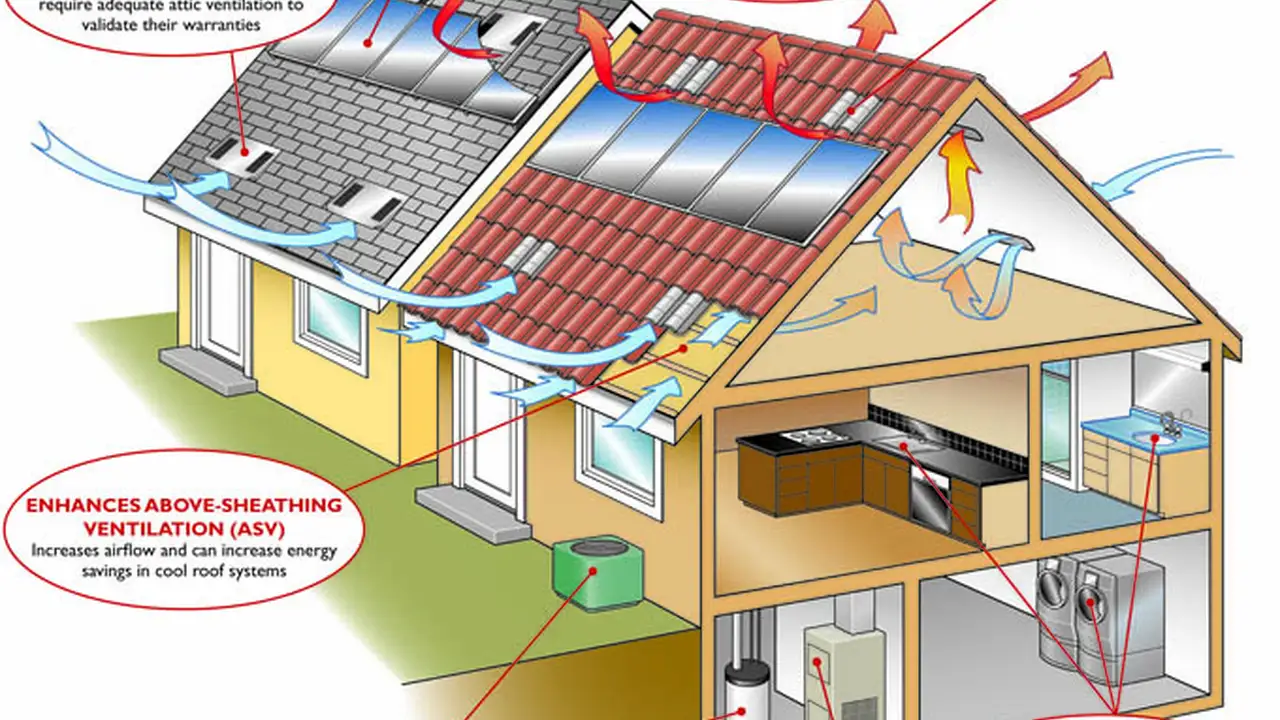
Adequate attic ventilation is non-negotiable in tropical climates. It works by allowing hot, moist air to escape the attic while drawing in cooler, drier air from outside. This prevents:
- Heat Buildup: Reduces the temperature in the attic, contributing to a cooler home and lower energy bills.
- Moisture Accumulation: Prevents condensation and moisture buildup, which can lead to mold, mildew, and rot in the roof structure and insulation.
- Ice Dams (in cooler tropical fringes): While less common, proper ventilation can help prevent ice dams in areas that experience occasional freezing temperatures.
Types of Ventilation: Ridge vents, soffit vents, gable vents, and powered attic fans.
Recommended Products:
- GAF Cobra Ridge Vent: A continuous, low-profile ridge vent that provides excellent exhaust ventilation. Installation costs are typically integrated into the overall roofing project.
- Owens Corning VentSure InFlow Vent: A continuous soffit vent that provides consistent intake airflow.
- Broan-NuTone Powered Attic Ventilators: For situations where passive ventilation isn't enough, powered fans can actively pull hot air out of the attic. A good quality powered fan might cost $150-$300 for the unit, plus installation.
Use Cases: Every tropical home needs a balanced ventilation system (equal intake and exhaust) to function optimally.
Advanced Waterproofing and Underlayment Systems Leak Prevention
The underlayment is the last line of defense against water penetration. In tropical regions with heavy rainfall, investing in a high-quality, self-adhering underlayment is crucial.
- Ice and Water Shield: While named for ice, these self-adhering membranes provide superior waterproofing against wind-driven rain and water backup.
- Synthetic Underlayments: Lighter, stronger, and more tear-resistant than traditional felt, and they don't absorb moisture.
Recommended Products:
- Grace Ice & Water Shield: The industry standard for self-adhering membranes, offering exceptional waterproofing. Costs around $0.75-$1.50 per square foot for the material.
- Titanium UDL30/50 Synthetic Underlayment: A high-performance synthetic underlayment that is durable, lightweight, and highly water-resistant. Costs around $0.25-$0.50 per square foot for the material.
Use Cases: Essential for all tropical roofs, especially around vulnerable areas like valleys, eaves, skylights, and chimneys. A full deck application of ice and water shield is highly recommended in hurricane-prone areas.
Gutter Systems and Rainwater Management Efficient Drainage
Effective gutter systems are vital for managing the large volumes of rainwater in tropical climates. They direct water away from the roof, fascia, and foundation, preventing erosion and water damage.
- Seamless Gutters: Reduce the likelihood of leaks compared to sectional gutters.
- Larger Gutters (6-inch): Can handle more water volume than standard 5-inch gutters.
- Gutter Guards: Prevent leaves and debris from clogging gutters, ensuring continuous flow.
Recommended Products:
- Seamless Aluminum Gutters: Custom-fabricated on-site for a perfect fit, offering durability and leak resistance. Installation costs typically range from $5-$15 per linear foot.
- LeafFilter Gutter Protection: A popular gutter guard system that effectively keeps debris out while allowing water to flow freely. Costs can vary widely based on linear footage and installation complexity, often $20-$40+ per linear foot.
Use Cases: Every tropical home needs a robust gutter system. Consider larger gutters and gutter guards for areas with heavy foliage or intense rainfall.
Maintenance and Longevity Tips for Tropical Roofs Maximizing Your Investment
Even with the best materials and technologies, proper maintenance is key to maximizing the lifespan and performance of your tropical roof.
Regular Roof Inspections and Cleaning Preventing Costly Repairs
Schedule professional roof inspections at least once a year, and after any major storm. Look for:
- Missing, cracked, or damaged shingles/tiles.
- Signs of algae, moss, or mold growth.
- Clogged gutters or downspouts.
- Damaged flashing around chimneys, vents, and skylights.
- Debris on the roof surface.
Regular cleaning, especially in humid environments, is crucial to remove biological growth. Use appropriate cleaning solutions and methods for your specific roofing material to avoid damage.
Addressing Algae Moss and Mold Growth Promptly Maintaining Roof Health
Don't let algae, moss, or mold take hold. If you see dark streaks or green patches, address them quickly. Many roofing materials can be cleaned with a diluted bleach solution or specialized roof cleaning products. For persistent issues, consider professional roof cleaning services. For asphalt shingles, ensure you're using algae-resistant options for future replacements.
Trim Overhanging Branches Protecting Your Roof from Debris
Trees provide shade, but overhanging branches are a major threat to tropical roofs. They can:
- Drop leaves and debris, clogging gutters and promoting moisture retention.
- Abrade the roof surface in windy conditions.
- Fall onto the roof during storms, causing significant damage.
Regularly trim branches to maintain a safe distance from your roof.
Ensuring Proper Attic Ventilation and Airflow Optimizing Performance
Periodically check that your attic ventilation system is clear and functioning correctly. Ensure soffit vents aren't blocked by insulation and that ridge vents are free of debris. Good airflow is essential for preventing heat and moisture buildup, which can lead to premature roof failure and higher energy costs.
Professional Repairs and Replacements Trusting the Experts
While some minor maintenance can be DIY, always rely on qualified, experienced roofing professionals for repairs and replacements. Tropical roofing requires specific expertise due to the unique environmental challenges. A reputable contractor will understand local building codes, recommend appropriate materials, and ensure proper installation techniques to withstand the climate.
By understanding the specific challenges of tropical roofing and implementing these solutions and maintenance practices, you can ensure your home remains protected, comfortable, and energy-efficient for many years to come. Investing in the right roof for your tropical paradise is an investment in peace of mind.
:max_bytes(150000):strip_icc()/277019-baked-pork-chops-with-cream-of-mushroom-soup-DDMFS-beauty-4x3-BG-7505-5762b731cf30447d9cbbbbbf387beafa.jpg)