Understanding Different Types of Flat Roof Materials
A guide to various flat roof materials including EPDM, TPO, and PVC. Find the best option for your low-slope roof.
A guide to various flat roof materials including EPDM, TPO, and PVC. Find the best option for your low-slope roof.
Understanding Different Types of Flat Roof Materials
Flat roofs, or more accurately, low-slope roofs, are a common sight on commercial buildings and increasingly popular for modern residential architecture. They offer a sleek aesthetic, can accommodate rooftop amenities like HVAC units or even green spaces, and often provide a more cost-effective solution for larger structures. However, unlike steep-slope roofs that rely on gravity to shed water, flat roofs require specialized materials and meticulous installation to prevent leaks and ensure longevity. Choosing the right material for your low-slope roof is crucial, impacting everything from durability and energy efficiency to maintenance and overall cost. This comprehensive guide will delve into the most popular flat roof materials: EPDM, TPO, and PVC, comparing their features, benefits, drawbacks, and ideal applications, especially for the US and Southeast Asian markets.
EPDM Roofing The Rubber Roof Advantage
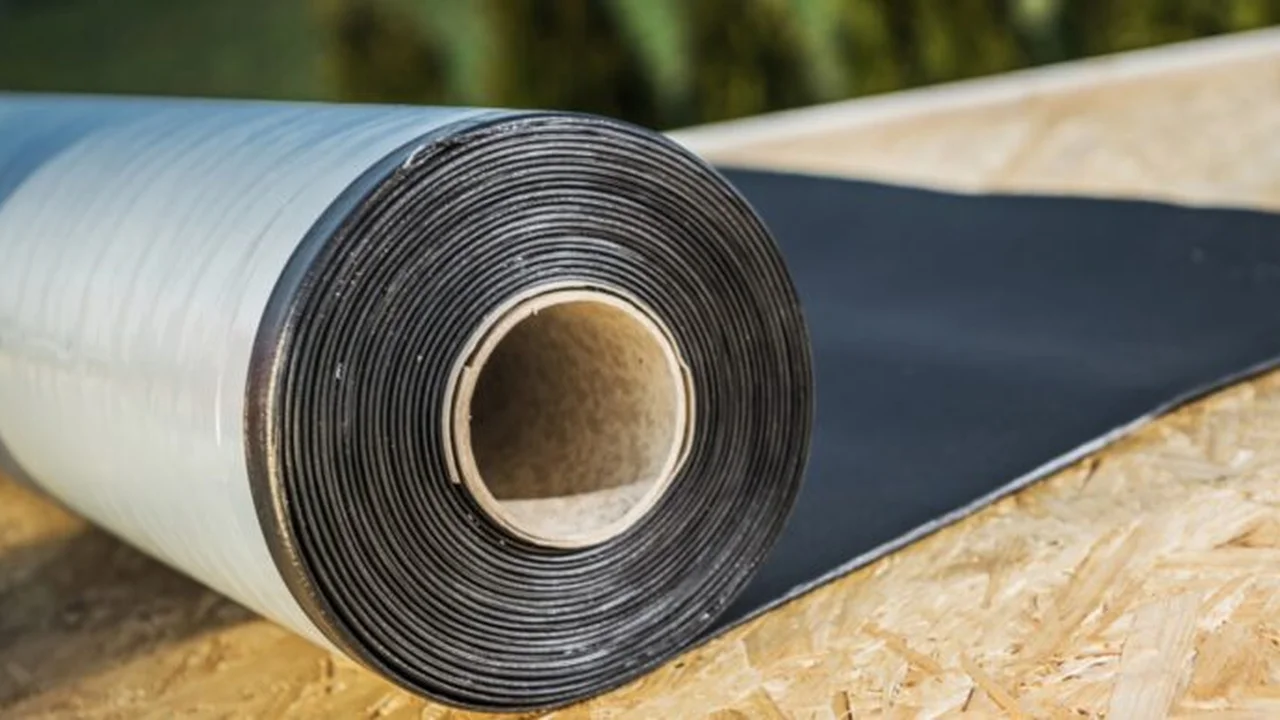
EPDM, or Ethylene Propylene Diene Monomer, is a synthetic rubber roofing membrane that has been a staple in the flat roofing industry for decades. It's renowned for its exceptional durability, weather resistance, and relatively straightforward installation. Often referred to as a 'rubber roof,' EPDM is a single-ply membrane, meaning it consists of one layer of material, typically ranging from 45 to 90 mils (thousandths of an inch) in thickness. It's available in large rolls, which helps minimize seams and potential leak points.
Key Features and Benefits of EPDM Roofing
- Durability and Longevity: EPDM is incredibly resilient. It can withstand extreme temperature fluctuations, UV radiation, hail, and even minor punctures. With proper installation and maintenance, an EPDM roof can last 20 to 30 years, sometimes even longer. This makes it a fantastic long-term investment for both commercial and residential properties.
- Weather Resistance: This material excels in various climates. It remains flexible in cold temperatures, preventing cracking, and can handle intense heat without degrading. Its resistance to ozone and UV light is a major advantage, especially in sunny regions like parts of the US and Southeast Asia.
- Cost-Effectiveness: While not the cheapest upfront, EPDM offers excellent value over its lifespan due to its durability and low maintenance requirements. Its ease of installation can also contribute to lower labor costs.
- Ease of Installation: EPDM can be installed in several ways: fully adhered (glued down), mechanically fastened (attached with fasteners and plates), or ballasted (held down by a layer of river rock or pavers). The large sheet sizes mean fewer seams, which simplifies the installation process and reduces the risk of leaks.
- Repairability: If an EPDM roof does get damaged, repairs are typically simple and inexpensive, often involving just a patch and adhesive.
- Energy Efficiency (White EPDM): While traditionally black, white EPDM membranes are available. These 'cool roofs' reflect sunlight, reducing heat absorption and lowering cooling costs, which is particularly beneficial in hot climates.
Drawbacks and Considerations for EPDM Roofing
- Aesthetics: The traditional black EPDM can absorb heat, and its appearance might not be suitable for all architectural styles, especially residential. While white EPDM addresses the heat absorption, the overall look is still utilitarian.
- Puncture Resistance: While durable, EPDM can be susceptible to punctures from sharp objects or heavy foot traffic, especially thinner membranes.
- Seam Integrity: Although fewer seams are a benefit, the seams themselves are critical. They are typically sealed with adhesive and tape, and if not done perfectly, they can be a point of failure over time.
- Ponding Water: Like all flat roofs, EPDM needs proper drainage. Prolonged ponding water can accelerate material degradation, though EPDM is generally quite resistant to it.
Recommended EPDM Products and Use Cases
For commercial applications, brands like Firestone Building Products (now Holcim Elevate) and Carlisle SynTec Systems are industry leaders. Their 45-mil and 60-mil EPDM membranes are widely used. For residential projects or smaller commercial roofs, you might find DIY-friendly kits from brands like RubberCover EPDM. Prices for EPDM typically range from $4.00 to $8.00 per square foot installed, depending on thickness, installation method, and regional labor costs. White EPDM might be slightly more expensive. EPDM is an excellent choice for warehouses, factories, schools, and even residential garages or extensions where a durable, low-maintenance, and cost-effective solution is prioritized over high aesthetics. In Southeast Asia, its resistance to heavy rainfall and UV radiation makes it a strong contender.
TPO Roofing The Thermoplastic Powerhouse
TPO, or Thermoplastic Polyolefin, is another popular single-ply roofing membrane that has gained significant traction in recent years, particularly in the commercial sector. It's a blend of polypropylene and ethylene-propylene rubber, often reinforced with a polyester fabric. TPO is known for its heat-welded seams, which create a monolithic, watertight barrier, and its inherent reflectivity.
Key Features and Benefits of TPO Roofing
- Energy Efficiency and Cool Roof Properties: This is where TPO truly shines. Its naturally white or light-colored surface reflects a significant amount of solar radiation, reducing heat transfer into the building. This leads to substantial energy savings on cooling costs, making it an ideal choice for hot climates in the US and Southeast Asia. Many TPO products are ENERGY STAR rated and meet cool roof requirements.
- Heat-Welded Seams: Unlike EPDM's adhesive seams, TPO seams are hot-air welded together, creating a bond that is often stronger than the membrane itself. This significantly reduces the risk of seam failure and leaks, offering superior watertight integrity.
- Durability and Puncture Resistance: TPO is generally more puncture-resistant than EPDM, especially thicker membranes. It also offers good resistance to tears, impacts, and chemical exposure, making it suitable for roofs with moderate foot traffic or exposure to industrial pollutants.
- Flexibility and Versatility: TPO remains flexible in cold temperatures and can accommodate building movement. It's available in various thicknesses (typically 45, 60, and 90 mils) and colors, though white, gray, and tan are most common.
- Mold and Algae Resistance: TPO's smooth surface and chemical composition make it resistant to mold, algae, and dirt accumulation, helping to maintain its reflective properties and aesthetic over time.
- Recyclability: As a thermoplastic, TPO can often be recycled at the end of its life, contributing to its environmental appeal.
Drawbacks and Considerations for TPO Roofing
- Seam Quality Dependence: While heat-welded seams are a major advantage, their quality is highly dependent on the skill of the installer and the welding equipment. Poorly welded seams can lead to premature failure.
- Material Consistency: Early generations of TPO had some issues with material consistency and premature degradation. However, modern TPO formulations have significantly improved, and reputable manufacturers offer robust products.
- Cost: TPO can be slightly more expensive than EPDM upfront, though its energy savings can offset this over time.
- UV Resistance (Historically): While modern TPO has excellent UV resistance, some older formulations showed signs of degradation in extremely high UV environments. Always choose products from reputable manufacturers with proven track records.
Recommended TPO Products and Use Cases
Leading manufacturers for TPO include GAF (EverGuard TPO), Firestone Building Products (now Holcim Elevate UltraPly TPO), and Carlisle SynTec Systems (Sure-Weld TPO). Their 60-mil and 80-mil TPO membranes are popular choices for commercial and industrial buildings. TPO roofing costs typically range from $5.00 to $10.00 per square foot installed. TPO is an excellent choice for large commercial buildings, retail stores, hospitals, and any structure where energy efficiency and a cool roof are primary concerns. Its robust nature also makes it suitable for roofs that might have rooftop equipment or occasional foot traffic. In the hot and humid climates of Southeast Asia, TPO's reflective properties offer significant advantages in reducing indoor temperatures and air conditioning costs.
PVC Roofing The Premium Thermoplastic Option
PVC, or Polyvinyl Chloride, is another single-ply thermoplastic membrane that has been used in roofing for over 50 years. It's often considered a premium flat roofing material due to its exceptional strength, chemical resistance, and long lifespan. Like TPO, PVC seams are heat-welded, creating an incredibly strong and watertight bond.
Key Features and Benefits of PVC Roofing
- Superior Durability and Longevity: PVC is arguably one of the most durable flat roofing materials available. It's highly resistant to tears, punctures, and impacts. A well-installed PVC roof can easily last 25 to 30 years, with some systems exceeding 40 years.
- Exceptional Chemical Resistance: This is a major advantage for industrial applications. PVC is highly resistant to oils, greases, acids, and other chemicals, making it ideal for restaurants, factories, and other facilities where chemical exposure is a concern.
- Heat-Welded Seams: Similar to TPO, PVC seams are hot-air welded, creating a permanent, monolithic bond that is virtually impenetrable to water. This provides superior leak protection.
- Fire Resistance: PVC is inherently fire-resistant and self-extinguishing, offering an added layer of safety.
- Wind Uplift Resistance: Due to its strength and heat-welded seams, PVC systems often demonstrate excellent resistance to wind uplift, which is crucial in areas prone to high winds or hurricanes.
- Energy Efficiency (Light Colors): Like TPO, PVC is available in light colors that offer excellent solar reflectivity, contributing to energy savings and cool roof performance.
- Ponding Water Resistance: PVC is highly resistant to prolonged exposure to ponding water, making it a reliable choice even on roofs with less-than-perfect drainage.
Drawbacks and Considerations for PVC Roofing
- Higher Cost: PVC is generally the most expensive of the three single-ply options discussed. The premium price reflects its superior performance and longevity.
- Installation Complexity: While heat-welded seams are a benefit, proper PVC installation requires specialized equipment and highly skilled technicians. This can increase labor costs and make DIY installation impractical.
- Plasticizers: PVC membranes contain plasticizers to maintain flexibility. Over many decades, these plasticizers can migrate out of the membrane, potentially leading to some brittleness. However, modern PVC formulations have significantly improved in this regard.
- Environmental Concerns (Historically): Historically, PVC production and disposal raised some environmental concerns due to chlorine content. However, the industry has made strides in developing more sustainable manufacturing processes and recycling initiatives.
Recommended PVC Products and Use Cases
Top PVC manufacturers include Sika Sarnafil, Duro-Last Roofing, and Johns Manville (JM PVC). Their 50-mil and 60-mil PVC membranes are widely respected for their quality and performance. PVC roofing typically ranges from $6.00 to $12.00 per square foot installed, making it a significant investment. PVC is the go-to choice for roofs that demand the highest level of performance, chemical resistance, and longevity. This includes restaurants (due to grease resistance), chemical plants, hospitals, and high-end commercial or residential projects where budget allows for a premium, long-lasting solution. Its robust nature and resistance to ponding water also make it suitable for green roofs or rooftop patios. In regions with extreme weather or specific industrial needs, PVC offers unparalleled protection.
Comparing EPDM TPO and PVC for Your Low Slope Roof
Now that we've explored each material individually, let's put them side-by-side to help you make an informed decision for your specific project, considering factors relevant to both the US and Southeast Asian markets.
Cost Comparison Flat Roof Materials
- EPDM: Generally the most budget-friendly upfront, ranging from $4-$8 per square foot installed.
- TPO: Mid-range cost, typically $5-$10 per square foot installed. Offers good value due to energy savings.
- PVC: The premium option, usually $6-$12+ per square foot installed. Higher upfront cost but superior longevity and performance.
Remember, these are general estimates. Actual costs will vary based on roof size, complexity, geographic location, and contractor rates.
Durability and Lifespan Flat Roof Options
- EPDM: Excellent durability, 20-30+ years lifespan. Good resistance to UV and temperature extremes.
- TPO: Very good durability, 20-25+ years lifespan. Strong against punctures and tears, excellent UV resistance.
- PVC: Outstanding durability, 25-40+ years lifespan. Superior resistance to punctures, chemicals, and ponding water.
Energy Efficiency and Cool Roof Performance
- EPDM: Traditional black EPDM absorbs heat. White EPDM offers good reflectivity and energy savings.
- TPO: Excellent reflectivity, especially in white and light colors. A top choice for cool roof applications and energy savings in hot climates.
- PVC: Very good reflectivity in light colors. Contributes to energy savings and cool roof performance.
Installation and Seam Integrity
- EPDM: Relatively easy to install, but adhesive seams require careful application. Large sheets minimize seams.
- TPO: Heat-welded seams create a strong, monolithic bond. Requires skilled installers and specialized equipment.
- PVC: Heat-welded seams offer the strongest, most reliable bond. Requires highly skilled installers and specialized equipment.
Chemical and Puncture Resistance
- EPDM: Good puncture resistance, but less resistant to oils and some chemicals compared to thermoplastics.
- TPO: Good puncture and tear resistance. Moderate chemical resistance.
- PVC: Superior puncture, tear, and chemical resistance. Ideal for challenging environments.
Other Flat Roof Materials Brief Overview
While EPDM, TPO, and PVC are the most common single-ply membranes, it's worth briefly mentioning a couple of other flat roof options you might encounter:
Modified Bitumen Roofing The Modern Tar and Gravel
Modified Bitumen (Mod-Bit) is an asphalt-based roofing system that evolved from traditional built-up roofs (BUR). It consists of asphalt combined with modifiers (like APP or SBS polymers) to enhance flexibility and durability, reinforced with fiberglass or polyester mats. It's typically installed in rolls, often torched down (heat-welded with a flame), self-adhered, or hot-mopped with asphalt. Mod-Bit offers good waterproofing and is relatively durable, especially in colder climates. However, the torch-down method carries fire risks, and its dark color can lead to heat absorption. It's often seen on commercial buildings and some residential flat roofs. Costs typically range from $4-$7 per square foot installed.
Built Up Roofing BUR The Traditional Approach
Built-Up Roofing (BUR) is one of the oldest and most reliable flat roofing systems, often referred to as 'tar and gravel' roofs. It's constructed by alternating layers of bitumen (asphalt or coal tar) and reinforcing fabrics (felts), topped with a layer of aggregate (gravel or slag). BUR systems are incredibly durable and offer excellent fire resistance. However, they are heavy, messy to install, and can be more expensive due to labor intensity. They are still used on some commercial and industrial buildings where extreme durability is paramount. Costs can range from $5-$10+ per square foot installed.
Choosing the Best Flat Roof Material for Your Project
The 'best' flat roof material isn't a one-size-fits-all answer. It depends heavily on your specific needs, budget, climate, and desired performance. Here's a quick guide to help you decide:
- For Budget-Conscious Projects with Good Drainage: EPDM is often the most economical choice, offering reliable performance and longevity at a lower upfront cost. Consider white EPDM for energy savings.
- For Energy Efficiency and Hot Climates: TPO is an excellent choice due to its superior reflectivity and heat-welded seams. It's a strong performer in regions like Southeast Asia and the southern US.
- For Maximum Durability, Chemical Resistance, and Longevity: PVC is the premium option. If your roof will experience heavy foot traffic, chemical exposure, or you simply want the longest-lasting, most robust system, PVC is worth the investment.
- For Industrial Applications or Restaurants: PVC's chemical resistance makes it ideal for these environments.
- For Green Roofs or Rooftop Patios: PVC's strength and resistance to ponding water make it a suitable base for these heavier applications.
Always consult with a reputable roofing contractor who specializes in flat roofing systems. They can assess your specific roof, discuss your needs, and recommend the best material and installation method for your property. Get multiple quotes and ensure the contractors are experienced with the chosen material. A well-installed flat roof, regardless of the material, is key to preventing leaks and ensuring decades of reliable protection for your home or business.
:max_bytes(150000):strip_icc()/277019-baked-pork-chops-with-cream-of-mushroom-soup-DDMFS-beauty-4x3-BG-7505-5762b731cf30447d9cbbbbbf387beafa.jpg)