Understanding Roof Warranties What to Look For
Navigate roof warranties effectively by understanding coverage, limitations, and what to look for before signing.
Navigate roof warranties effectively by understanding coverage, limitations, and what to look for before signing.
Understanding Roof Warranties What to Look For
So, you're getting a new roof, or maybe you've just had one installed. That's a big investment, right? And like any big investment, you want to make sure it's protected. That's where roof warranties come in. But let's be honest, reading through warranty documents can feel like trying to decipher ancient hieroglyphs. They're often packed with legal jargon, exclusions, and conditions that can make your head spin. Don't worry, though, we're going to break it all down for you. We'll talk about the different types of warranties, what they cover (and what they definitely don't), and what you should be looking for to ensure your peace of mind, whether you're in the sunny climes of Southeast Asia or the varied weather of the US.
Understanding your roof warranty isn't just about knowing what happens if something goes wrong. It's about making an informed decision when choosing materials and contractors, and ultimately, protecting your home and your wallet. Let's dive in!
Types of Roof Warranties Understanding Manufacturer and Workmanship Coverage
When it comes to roof warranties, you'll typically encounter two main types: manufacturer warranties and workmanship warranties. It's super important to understand the difference because they cover very different things.
Manufacturer Warranties Protecting Your Roofing Materials
A manufacturer warranty, sometimes called a material warranty, comes directly from the company that made your roofing materials – think shingles, tiles, metal panels, etc. This warranty covers defects in the materials themselves. So, if your shingles start cracking prematurely, or your metal panels begin to rust way sooner than they should, the manufacturer's warranty is what you'd turn to. These warranties usually last a long time, often 20, 30, or even 50 years, sometimes even 'lifetime' (though 'lifetime' usually refers to the expected lifespan of the product, not your actual lifetime!).
What to look for in a manufacturer warranty:
- Prorated vs. Non-Prorated: This is a big one. A non-prorated warranty means the manufacturer will cover 100% of the cost of replacement materials (and sometimes labor) for the entire warranty period. A prorated warranty, on the other hand, means the coverage decreases over time. So, if your roof fails 15 years into a 30-year prorated warranty, the manufacturer might only cover a percentage of the original cost, leaving you to pay the rest. Always aim for non-prorated coverage for as long as possible.
- Transferability: If you sell your home, can the new owners benefit from the warranty? Some warranties are transferable, which can be a great selling point for your home. Check for any fees or specific procedures required for transfer.
- Wind and Algae Resistance: Many manufacturer warranties include specific coverage for wind damage (up to a certain wind speed) and algae growth (especially common in humid climates like Southeast Asia). Make sure these are clearly stated and meet your local climate needs.
- Exclusions: Pay close attention to what's NOT covered. This often includes damage from natural disasters (like hurricanes or earthquakes, which might be covered by your home insurance instead), improper installation (that's where the workmanship warranty comes in!), or lack of proper maintenance.
Workmanship Warranties Ensuring Quality Installation
The workmanship warranty is provided by your roofing contractor. This warranty covers the quality of the installation. Even the best materials won't perform well if they're installed incorrectly. If your roof leaks because the flashing wasn't installed properly, or shingles are falling off due to improper nailing, that's a workmanship issue. These warranties typically have a shorter duration than manufacturer warranties, often ranging from 2 to 10 years, though some reputable contractors offer longer periods.
What to look for in a workmanship warranty:
- Duration: A longer workmanship warranty is always better. It shows the contractor stands behind their work.
- Scope of Coverage: What exactly does it cover? Does it include labor and materials for repairs related to faulty installation?
- Who Performs the Work: If a repair is needed under warranty, will the original contractor perform it, or can they subcontract it out?
- Clarity on Exclusions: Similar to manufacturer warranties, understand what's excluded. Damage caused by other trades (like HVAC technicians walking on your roof) or homeowner neglect might not be covered.
- Contractor's Reputation: A warranty is only as good as the company offering it. Choose a contractor with a solid reputation and a long history in business. If they go out of business, their warranty becomes worthless.
Extended Warranties and System Warranties Maximizing Your Protection
Beyond the basic manufacturer and workmanship warranties, you might also encounter extended warranties or system warranties. These are often offered by manufacturers in conjunction with certified contractors and can provide a higher level of protection.
System Warranties Comprehensive Coverage for Your Entire Roof System
Many major roofing manufacturers, like GAF, Owens Corning, and CertainTeed, offer what they call 'system warranties.' These are typically the most comprehensive warranties available. To qualify, you usually need to have a complete roofing system installed using only that manufacturer's components – not just the shingles, but also the underlayment, flashing, ventilation, and other accessories. The installation must also be done by a contractor certified by that manufacturer.
Benefits of a System Warranty:
- Single Point of Contact: If there's an issue, you deal with one entity (the manufacturer) rather than trying to figure out if it's a material defect or an installation error.
- Enhanced Coverage: Often includes non-prorated coverage for a longer period (e.g., 50 years for materials, 25 years for labor), and sometimes even covers tear-off and disposal costs.
- Workmanship Coverage from Manufacturer: This is a huge advantage. If the certified contractor goes out of business, the manufacturer often steps in to cover workmanship issues for a significant period.
Examples of System Warranties and Products:
- GAF Golden Pledge Warranty: This is one of the strongest warranties in the industry. It offers 50-year non-prorated coverage on materials and a 25-year workmanship warranty backed by GAF. To get this, you need a GAF Master Elite Contractor to install a complete GAF roofing system (e.g., GAF Timberline HDZ shingles, GAF Deck-Armor underlayment, GAF Cobra attic ventilation). The cost for this enhanced warranty is typically a few hundred dollars, added to the overall project cost, but it provides immense peace of mind.
- Owens Corning Platinum Protection Roofing System Limited Warranty: Similar to GAF, Owens Corning offers extended coverage when a Platinum Preferred Contractor installs their full system (e.g., Owens Corning Duration shingles, StreakGuard Algae Protection, VentSure InFlow Vent). This warranty often includes 50-year non-prorated material coverage and a 10-year workmanship warranty.
- CertainTeed SureStart PLUS Warranty: When a CertainTeed credentialed contractor installs a CertainTeed Integrity Roof System (e.g., CertainTeed Landmark Pro shingles, WinterGuard waterproofing underlayment, SwiftStart starter shingles), you can get enhanced coverage. This often includes 50-year non-prorated material coverage and a 25-year workmanship warranty.
These system warranties are particularly valuable in regions prone to extreme weather, like the hurricane-prone coasts of the US or the monsoon-affected areas of Southeast Asia, as they offer a higher level of assurance against both material failure and installation errors.
Key Terms and Conditions Decoding the Fine Print
Warranty documents are notorious for their fine print. Don't skim over it! Here are some crucial terms and conditions you need to understand:
Proration Understanding Diminishing Coverage
As mentioned, proration means the value of the warranty decreases over time. For example, a 30-year prorated warranty might cover 100% for the first 10 years, then 80% for the next 5, 60% for the next 5, and so on. This can significantly impact your out-of-pocket costs if a problem arises later in your roof's life. Always clarify if a warranty is prorated and understand the proration schedule.
Exclusions Common Reasons for Denied Claims
Exclusions are conditions or types of damage that the warranty specifically does NOT cover. Common exclusions include:
- Acts of God: Damage from hurricanes, tornadoes, earthquakes, floods, etc. (usually covered by homeowner's insurance).
- Improper Maintenance: Failing to clean gutters, trim overhanging branches, or address minor issues can void your warranty.
- Alterations or Additions: If you add a skylight, solar panels, or make other modifications to your roof after installation, and these alterations cause a problem, the warranty might be voided for that section.
- Damage from Other Trades: If an HVAC technician or satellite dish installer damages your roof, the warranty won't cover it.
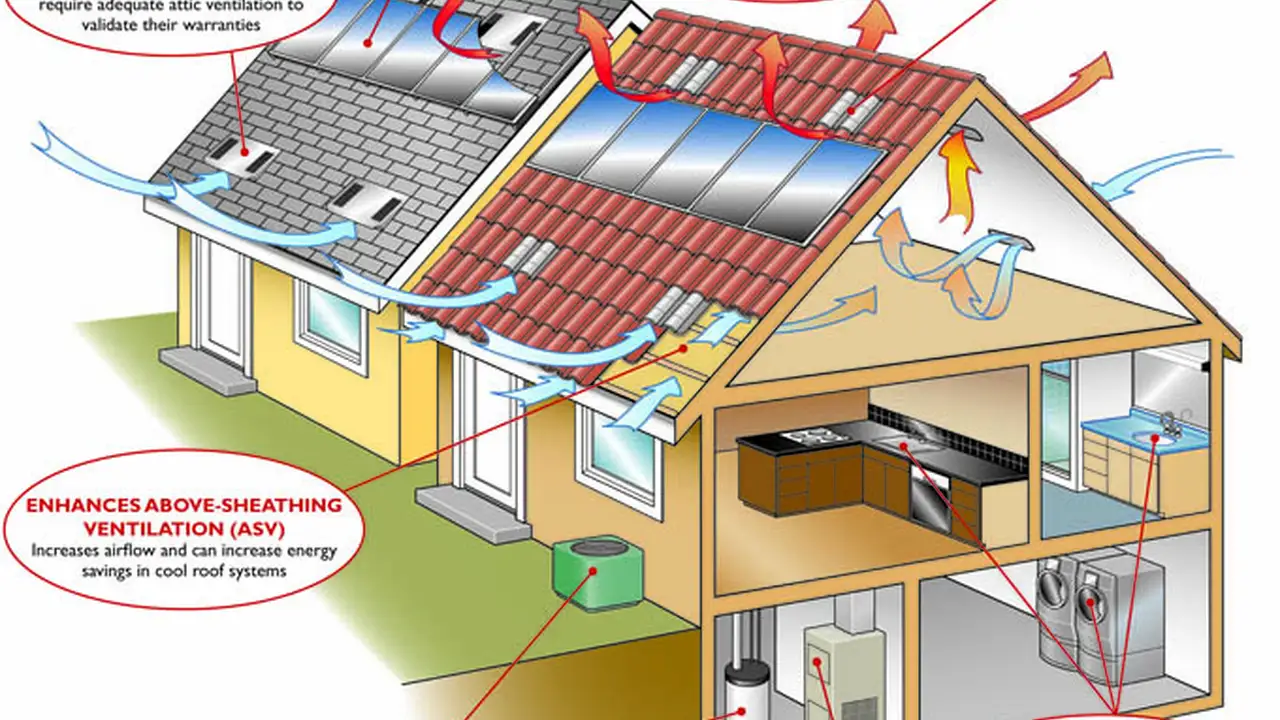
- Ventilation Issues: If your attic isn't properly ventilated, leading to premature material degradation, the warranty might not cover it.
- Cosmetic Damage: Minor aesthetic issues that don't affect the roof's performance are typically not covered.
Transferability Can You Pass It On
If you plan to sell your home, a transferable warranty can be a significant asset. Some warranties are automatically transferable, while others require a fee or specific paperwork within a certain timeframe after the sale. Make sure you understand the process and any associated costs.
Maintenance Requirements Keeping Your Warranty Valid
Many warranties require you to perform regular maintenance to keep them valid. This isn't just about keeping your roof clean; it might involve annual inspections, prompt repair of minor damage, and ensuring proper attic ventilation. Read these requirements carefully and keep records of any maintenance you perform.
Choosing Your Roofing Contractor The Warranty Connection
The contractor you choose plays a massive role in the validity and effectiveness of your roof warranty. A warranty from a fly-by-night company is essentially worthless.
Certified Contractors The Path to Better Warranties
As we discussed with system warranties, many manufacturers offer extended or enhanced warranties only when their products are installed by a contractor certified by them. These certifications (like GAF Master Elite, Owens Corning Platinum Preferred, CertainTeed Select ShingleMaster) mean the contractor has met specific training, insurance, and business practice requirements set by the manufacturer. This often translates to a higher quality installation and access to those superior warranties.
Checking Contractor Credentials and Reputation
Before you sign anything, do your homework:
- Licensing and Insurance: Ensure they are properly licensed and insured (liability and workers' compensation). This protects you if there's an accident or damage during the project.
- References and Reviews: Ask for local references and check online reviews (Google, Yelp, BBB). Look for consistent positive feedback and how they handle complaints.
- Years in Business: A contractor with a long history is more likely to be around to honor their workmanship warranty.
- Written Contract: Insist on a detailed written contract that clearly outlines the scope of work, materials used, payment schedule, and, crucially, the workmanship warranty.
Making a Warranty Claim What to Do When Things Go Wrong
Hopefully, you'll never need to make a warranty claim, but if you do, knowing the process can save you a lot of headaches.
Document Everything Keeping Records for Your Roof
From the moment your roof is installed, start a 'roof file.' Keep:
- Your original contract with the contractor.
- All warranty documents (manufacturer and workmanship).
- Invoices for materials.
- Photos of the installation process (if you took any).
- Records of any maintenance performed.
- Contact information for both the manufacturer and the contractor.
If you notice a problem, take clear photos and videos of the damage immediately. Note the date and time.
The Claim Process Step by Step
- Identify the Problem: Determine if the issue is likely a material defect (manufacturer warranty) or an installation error (workmanship warranty).
- Contact the Right Party: If it's an installation issue, contact your contractor first. If they are unresponsive or if it's clearly a material defect, contact the manufacturer. If you have a system warranty, you might contact the manufacturer directly, and they will guide you.
- Provide Documentation: Be prepared to provide all your documentation, including proof of purchase, installation date, and photos of the damage.
- Allow for Inspection: The warranty provider will likely send an inspector to assess the damage.
- Review the Outcome: Carefully review their findings and proposed resolution. Don't be afraid to ask questions or seek clarification.
Specific Considerations for US and Southeast Asian Markets
While the general principles of warranties apply everywhere, there are some regional nuances to keep in mind.
US Market Warranty Standards and Consumer Protection
In the US, consumer protection laws are generally robust. State licensing boards and consumer affairs departments can be resources if you have disputes with contractors. The availability of comprehensive system warranties from major manufacturers is widespread, and competition among contractors often leads to better warranty offerings. However, understanding local building codes and how they interact with warranty claims is still crucial.
Southeast Asian Market Warranty Nuances and Climate Challenges
In Southeast Asia, the roofing market can be more fragmented. While major international brands offer their products and warranties, local manufacturers and contractors might have different standards. It's even more critical here to:
- Verify Manufacturer Presence: Ensure the manufacturer has a strong local presence and a clear claims process.
- Scrutinize Local Contractor Warranties: Workmanship warranties from local contractors might be shorter or less comprehensive. Prioritize contractors with established reputations.
- Consider Climate-Specific Exclusions: Warranties might have specific exclusions related to extreme heat, humidity, heavy monsoon rains, or typhoons. Ensure your home insurance covers these 'Acts of God' adequately.
- Language Barriers: Ensure you fully understand the warranty terms, even if it requires professional translation.
Final Thoughts on Roof Warranties Your Home's Long-Term Protection
A roof warranty isn't just a piece of paper; it's a promise of protection for one of your home's most critical components. Taking the time to understand the different types of warranties, their coverage, and their limitations will empower you to make smart decisions, choose reliable contractors, and ultimately, safeguard your investment for years to come. Don't hesitate to ask your contractor or material supplier plenty of questions. A reputable professional will be happy to walk you through all the details. Happy roofing!
:max_bytes(150000):strip_icc()/277019-baked-pork-chops-with-cream-of-mushroom-soup-DDMFS-beauty-4x3-BG-7505-5762b731cf30447d9cbbbbbf387beafa.jpg)