Wind Resistant Roofing Technologies
Specialized roofing considerations and materials for agricultural buildings, tailored to regional climate demands.
Specialized roofing considerations and materials for agricultural buildings, tailored to regional climate demands.
Roofing for Agricultural Buildings Climate Specific
Hey there, fellow farmers and agricultural enthusiasts! Let's talk about something super important for your operations: roofing for your agricultural buildings. We're not just talking about a simple cover here; we're diving deep into how the climate in your specific region – be it the scorching sun of Southeast Asia or the chilly winds of the American Midwest – dictates the best roofing choices for your barns, sheds, livestock shelters, and storage facilities. Getting this right isn't just about keeping the rain out; it's about protecting your investments, ensuring animal welfare, and even boosting your bottom line through energy efficiency and longevity. So, let's break down the specifics, look at some top products, compare them, and even chat about pricing.
Understanding Agricultural Roofing Needs by Climate Zone
When it comes to agricultural roofing, one size definitely doesn't fit all. The climate you operate in plays a massive role in determining the ideal materials and construction methods. Let's explore the common climate zones and their unique roofing demands.
Hot and Humid Climates Roofing Solutions for Tropical Regions
If you're farming in places like Thailand, Vietnam, the Philippines, or the southern US states, you know all about intense heat, high humidity, and often torrential downpours. Your roofing needs to be a champion against these elements. The main concerns here are heat dissipation, moisture control, and resistance to mold, mildew, and corrosion.
- Heat Dissipation: Materials that reflect sunlight and prevent heat absorption are crucial. This keeps your livestock cooler and reduces the need for costly ventilation systems.
- Moisture Control: Excellent waterproofing and ventilation are non-negotiable to prevent condensation, which can lead to structural damage and health issues for animals.
- Corrosion Resistance: High humidity can accelerate corrosion, especially in metal roofs. Materials with protective coatings are essential.
Cold and Temperate Climates Roofing for Northern Farms
For our friends in the northern US, Canada, or even mountainous regions of Southeast Asia, cold weather brings its own set of challenges. Think heavy snow loads, freezing temperatures, and strong winds. Here, insulation, structural strength, and ice dam prevention are key.
- Insulation: Keeping heat in is paramount to protect livestock and stored crops from freezing. Proper insulation also reduces heating costs.
- Snow Load Capacity: The roof structure and materials must be able to withstand significant weight from snow and ice without collapsing.
- Ice Dam Prevention: Good ventilation and insulation can prevent ice dams, which can cause water damage and structural stress.
Arid and Dry Climates Roofing for Desert Farms
In drier regions, like parts of the American Southwest or certain inland areas, the sun is still a major factor, but humidity is low. Dust, extreme temperature swings, and UV degradation are the primary concerns.
- UV Resistance: Materials must be highly resistant to UV radiation to prevent premature degradation and cracking.
- Dust Protection: Tightly sealed roofs are important to keep dust out of storage areas and animal enclosures.
- Temperature Fluctuation: Materials need to handle significant expansion and contraction without cracking or warping.
Top Roofing Materials for Agricultural Buildings Product Recommendations and Comparisons
Now that we've got a handle on climate-specific needs, let's dive into the actual materials. I'll recommend some popular and effective options, compare their features, and give you an idea of their price points.
Corrugated Metal Roofing The Workhorse of Farm Buildings
Corrugated metal, typically galvanized steel or aluminum, is arguably the most common roofing material for agricultural buildings worldwide. It's durable, relatively inexpensive, and easy to install. But there are nuances.
Recommended Products for Metal Roofing
-
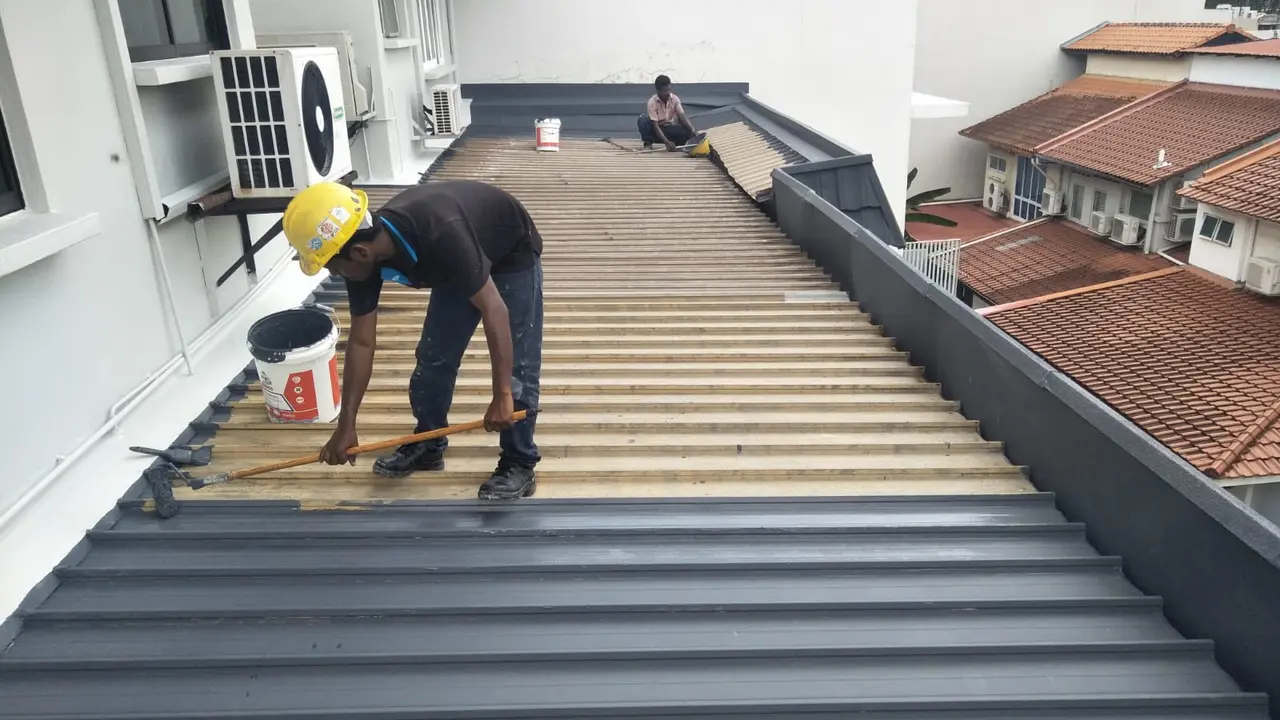
Galvalume Steel Panels: This is a fantastic option, especially for hot and humid climates. Galvalume is steel coated with a mixture of aluminum and zinc, offering superior corrosion resistance compared to traditional galvanized steel. It also has excellent reflectivity, helping to keep buildings cooler.
- Use Case: Barns, livestock shelters, equipment storage in coastal or high-humidity areas.
- Pros: Excellent corrosion resistance, high reflectivity, lightweight, long lifespan (40-60 years), fire-resistant.
- Cons: Can be noisy during rain, requires proper insulation to prevent condensation, can dent.
- Price Range: $3.00 - $6.00 per square foot (material only).
-
Painted Steel Panels (e.g., Valspar or AkzoNobel coatings): Many manufacturers offer steel panels with high-performance paint systems (like Kynar 500 or SMP). These coatings provide an extra layer of protection against UV degradation and corrosion, and you can choose lighter colors for better heat reflection.
- Use Case: General purpose agricultural buildings, especially where aesthetics are a consideration or specific color codes are required.
- Pros: Wide range of colors, enhanced UV and corrosion resistance, good reflectivity with light colors.
- Cons: Paint can scratch or fade over time, slightly higher cost than basic Galvalume.
- Price Range: $4.00 - $7.00 per square foot (material only).
Asphalt Shingles A Familiar Choice for Farmhouses and Outbuildings
While less common for large barns, asphalt shingles are often used on farmhouses, smaller sheds, and sometimes even workshops. They offer a more traditional look and are widely available.
Recommended Products for Asphalt Shingles
-
GAF Timberline HDZ Shingles: These are architectural shingles known for their durability and aesthetic appeal. They come with a good warranty and offer decent wind resistance.
- Use Case: Farmhouses, detached garages, smaller storage sheds. Not ideal for large, uninsulated barns due to ventilation needs.
- Pros: Cost-effective, wide range of colors, relatively easy to install, good wind resistance.
- Cons: Shorter lifespan than metal (20-30 years), can absorb heat, susceptible to moss/algae in humid climates, not suitable for low-slope roofs.
- Price Range: $1.50 - $3.00 per square foot (material only).
-
CertainTeed Landmark Pro Shingles: Another premium architectural shingle option, offering enhanced durability and a heavier weight for better performance against wind and hail.
- Use Case: Similar to GAF Timberline, suitable for residential-style farm buildings.
- Pros: Excellent durability, good aesthetic, strong warranty.
- Cons: Similar limitations to other asphalt shingles regarding heat absorption and lifespan.
- Price Range: $2.00 - $3.50 per square foot (material only).
Fiber Cement Roofing Durable and Fire Resistant Options
Fiber cement roofing offers a robust, non-combustible alternative, often mimicking the look of slate or wood shakes. It's particularly good in areas prone to wildfires or where fire resistance is a high priority.
Recommended Products for Fiber Cement Roofing
-
James Hardie HardieShingle Siding (used as roofing in some applications): While primarily siding, some fiber cement products can be adapted for roofing, especially for lower-slope agricultural buildings where a specific aesthetic or fire rating is needed. Always check manufacturer specifications for roofing applications.
- Use Case: Buildings requiring high fire resistance, or a specific traditional look.
- Pros: Highly fire-resistant, resistant to rot and pests, durable, long lifespan (50+ years).
- Cons: Heavy, can be brittle, more expensive than metal or asphalt, requires specialized installation.
- Price Range: $4.00 - $8.00 per square foot (material only).
PVC and TPO Membranes Flat Roof Solutions for Agricultural Structures
For agricultural buildings with low-slope or flat roofs, such as large storage facilities, processing plants, or some modern livestock barns, single-ply membranes like PVC and TPO are excellent choices. They offer superior waterproofing and often come in light colors for reflectivity.
Recommended Products for Single-Ply Membranes
-
Carlisle SynTec TPO Roofing Systems: Carlisle is a leading manufacturer of TPO membranes, known for their durability, energy efficiency, and ease of installation. White TPO is highly reflective, making it ideal for hot climates.
- Use Case: Large flat-roofed storage facilities, processing plants, modern dairy barns.
- Pros: Excellent waterproofing, highly reflective (white TPO), resistant to punctures and chemicals, long lifespan (20-30 years).
- Cons: Can be more expensive upfront, requires professional installation, less aesthetic appeal for visible roofs.
- Price Range: $5.00 - $10.00 per square foot (material only).
-
Sika Sarnafil PVC Roofing Systems: Sika Sarnafil PVC membranes are renowned for their exceptional durability, flexibility, and resistance to chemicals and fire. They are a premium option for demanding agricultural environments.
- Use Case: High-value agricultural buildings, chemical storage, areas with strict fire codes.
- Pros: Superior chemical resistance, excellent fire rating, highly durable, flexible, long lifespan (30+ years).
- Cons: Highest upfront cost, specialized installation required.
- Price Range: $7.00 - $12.00 per square foot (material only).
Key Considerations for Agricultural Roofing Beyond Materials
Choosing the right material is just one piece of the puzzle. Several other factors are critical for a successful and long-lasting agricultural roof.
Ventilation and Airflow Optimizing for Animal Health and Storage
Proper ventilation is absolutely crucial in agricultural buildings, especially those housing livestock. It helps control temperature, remove moisture, and improve air quality. In hot, humid climates, good airflow prevents heat stress in animals and reduces condensation. In cold climates, it helps manage moisture and prevent ice dams.
- Ridge Vents: Allow hot, moist air to escape at the highest point of the roof.
- Soffit Vents: Provide intake for cooler, drier air at the eaves.
- Cupolas: Traditional and functional, cupolas can enhance ventilation and add aesthetic appeal.
- Mechanical Ventilation: Fans and exhaust systems may be necessary in large, enclosed structures.
Insulation Strategies for Energy Efficiency and Comfort
Insulation isn't just for homes; it's vital for agricultural buildings too. It helps maintain stable internal temperatures, protecting livestock from extreme heat or cold, and preventing spoilage of stored crops. It also significantly reduces energy costs for heating or cooling.
- Batt Insulation: Fiberglass or mineral wool batts are common for walls and ceilings.
- Rigid Foam Boards: Excellent for thermal performance and can be used in various applications, including under metal roofs.
- Spray Foam Insulation: Offers superior air sealing and thermal performance, great for irregular spaces.
- Reflective Insulation: Particularly effective in hot climates, reflecting radiant heat away from the building.
Structural Integrity and Load Bearing Capacity
Agricultural roofs often need to support more than just their own weight. Consider potential snow loads, wind uplift, and even the weight of equipment or personnel for maintenance. The underlying structure – trusses, purlins, and framing – must be robust enough to handle these demands. Always consult with a structural engineer, especially for large or complex buildings.
Fasteners and Sealants The Unsung Heroes of Roofing
The best roofing material can fail if the fasteners and sealants aren't up to par. In corrosive environments (like coastal areas or livestock barns with ammonia fumes), use stainless steel or specially coated fasteners. High-quality sealants are essential to prevent leaks around penetrations and seams.
Maintenance and Longevity Extending Your Roofs Life
Even the most durable roof needs regular maintenance. This includes routine inspections, cleaning gutters, removing debris, and addressing minor repairs promptly. A well-maintained agricultural roof will last significantly longer, saving you money and hassle in the long run.
Cost Considerations and Return on Investment for Farm Roofs
Let's talk money. The initial cost of a roof is important, but it's crucial to look at the long-term return on investment (ROI). A cheaper roof upfront might cost you more in repairs, energy bills, and potential losses due to spoilage or animal health issues down the line.
Initial Material and Installation Costs
As we discussed, material costs vary widely. Installation costs will depend on the complexity of the roof, local labor rates, and the contractor's experience. Always get multiple quotes and ensure they are detailed, outlining materials, labor, and warranty information.
Energy Savings and Operational Efficiency
A well-chosen and properly installed roof can lead to significant energy savings. Reflective materials reduce cooling costs in hot climates, while good insulation reduces heating costs in cold climates. These savings add up over the lifespan of the roof.
Durability and Lifespan Reducing Future Expenses
Investing in a durable material with a long lifespan means fewer replacements and repairs. This is a major factor in ROI. For example, while metal roofing might be more expensive than asphalt shingles initially, its 40-60 year lifespan often makes it more cost-effective over time.
Impact on Livestock Health and Crop Quality
This is harder to quantify but incredibly important. A comfortable, well-ventilated, and dry environment directly impacts animal health, growth rates, and productivity. For stored crops, proper roofing prevents spoilage due to moisture or extreme temperatures, protecting your harvest and profits.
Finding the Right Roofing Contractor for Your Agricultural Project
Finally, don't underestimate the importance of a good contractor. Look for someone with experience in agricultural roofing, who understands the unique demands of farm buildings, and who is familiar with local building codes and climate challenges.
- Check References: Ask for references from other farmers or agricultural businesses.
- Verify Insurance and Licensing: Ensure they are properly insured and licensed to protect yourself from liability.
- Get Detailed Quotes: Compare quotes thoroughly, ensuring all aspects of the job are covered.
- Discuss Warranties: Understand both material and labor warranties.
Choosing the right roof for your agricultural buildings is a big decision, but by considering your specific climate, understanding the material options, and focusing on long-term value, you can make an informed choice that will serve your farm well for decades to come. Happy farming!
:max_bytes(150000):strip_icc()/277019-baked-pork-chops-with-cream-of-mushroom-soup-DDMFS-beauty-4x3-BG-7505-5762b731cf30447d9cbbbbbf387beafa.jpg)