Drone Technology in Roof Inspections
Discover how drones are revolutionizing roof inspections, offering safer, faster, and more accurate assessments.
Discover how drones are revolutionizing roof inspections, offering safer, faster, and more accurate assessments.
Drone Technology in Roof Inspections A Comprehensive Guide
Roof inspections have traditionally been a labor-intensive, time-consuming, and often hazardous task. Climbing ladders, navigating steep pitches, and meticulously examining every shingle or seam under the scorching sun or chilling wind is no one's idea of a fun afternoon. But what if there was a way to get a comprehensive, high-definition view of your roof without ever setting foot on it? Enter drone technology. Drones are rapidly transforming the roofing industry, offering unparalleled safety, efficiency, and accuracy in roof inspections. Whether you're a homeowner, a roofing contractor, or an insurance adjuster, understanding the capabilities and benefits of drone-based inspections is crucial in today's evolving landscape.
The Evolution of Roof Inspections From Manual to Automated
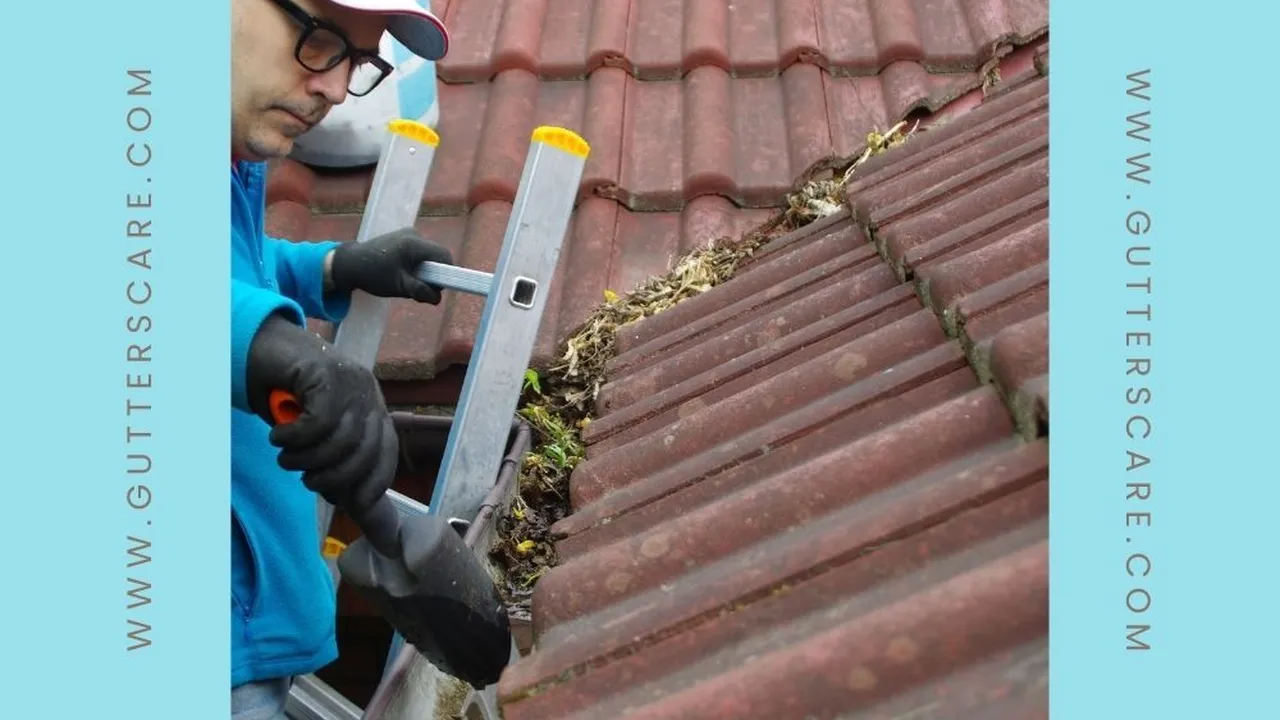
For decades, roof inspections relied heavily on manual labor. This involved a trained inspector physically accessing the roof, often with a ladder, safety harness, and a keen eye. While effective, this method comes with inherent risks, including falls, injuries, and potential damage to the roof itself. It's also time-consuming, especially for large or complex roofs, and the quality of the inspection can vary significantly depending on the inspector's experience and the weather conditions. The advent of drone technology has ushered in a new era, moving from these traditional, often dangerous, manual methods to a more automated, data-driven approach. This shift isn't just about convenience; it's about enhancing safety, improving data quality, and streamlining the entire inspection process.
Why Drones Are a Game Changer for Roof Inspections Safety First
The most significant advantage of using drones for roof inspections is the dramatic improvement in safety. No longer do inspectors need to risk life and limb climbing onto potentially unstable or slippery roofs. Drones can access hard-to-reach areas, steep pitches, and multi-story buildings with ease, eliminating the risk of falls and other job-site accidents. This not only protects the inspector but also reduces liability for contractors and property owners. Beyond safety, drones offer incredible efficiency. A typical manual inspection can take hours, sometimes even a full day, for a large commercial property. A drone, equipped with high-resolution cameras, can capture comprehensive data in a fraction of that time, often within minutes. This speed translates to cost savings, allowing contractors to complete more inspections in a day and homeowners to get quicker assessments. Furthermore, drones provide a level of accuracy and detail that manual inspections often miss. High-definition cameras can spot hairline cracks, subtle discoloration, or minor damage that might be overlooked by the human eye. Thermal imaging cameras can detect moisture intrusion or insulation deficiencies invisible to the naked eye, providing a more thorough and diagnostic assessment of the roof's condition.
Key Features and Capabilities of Inspection Drones High Resolution Imaging and Thermal Analysis
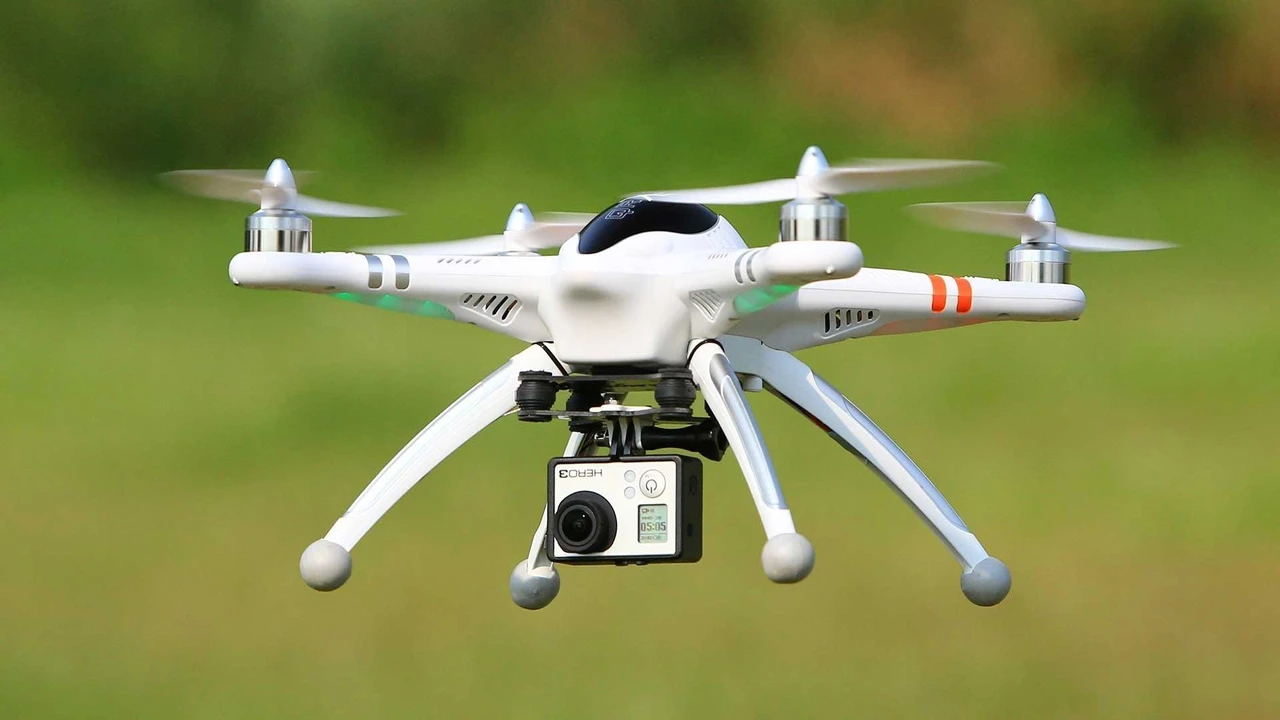
Modern inspection drones are far more than just flying cameras. They are sophisticated pieces of technology equipped with a range of features designed specifically for detailed roof assessments. The cornerstone of any good inspection drone is its camera system. High-resolution cameras, often capable of 4K video and high-megapixel still images, capture incredibly detailed visuals of the roof surface. This allows for precise identification of issues like missing shingles, cracked tiles, damaged flashing, or granule loss. Many drones also come equipped with zoom capabilities, allowing inspectors to get a closer look at specific areas of concern without having to fly dangerously close to the roof. Beyond visual inspection, thermal imaging cameras are a powerful tool. These cameras detect temperature differences, which can indicate hidden problems such as moisture trapped beneath the roofing material, insulation gaps, or even pest infestations. For example, a cooler spot on a roof on a warm day might suggest water pooling or a compromised vapor barrier. This non-invasive diagnostic capability is invaluable for proactive maintenance and identifying issues before they become major problems. Some advanced drones also incorporate LiDAR (Light Detection and Ranging) technology, which creates highly accurate 3D models of the roof. This data can be used for precise measurements, volume calculations, and even identifying subtle deformations in the roof structure. This level of detail is particularly useful for complex commercial roofs or for planning extensive repair or replacement projects.
Recommended Drone Models for Roof Inspections A Comparative Look
When it comes to choosing a drone for roof inspections, several models stand out for their reliability, camera quality, and ease of use. Here's a look at some popular options, their features, typical use cases, and approximate pricing:
DJI Mavic 3 Enterprise Series The Professional's Choice
The DJI Mavic 3 Enterprise series (including the Mavic 3E and Mavic 3T) is a top-tier choice for professional roof inspectors and contractors. These drones are known for their exceptional camera quality, robust build, and advanced features. The Mavic 3E boasts a 4/3 CMOS 20MP wide camera and a 12MP zoom camera with up to 56x hybrid zoom, allowing for incredibly detailed visual inspections from a safe distance. The Mavic 3T adds a thermal camera, making it ideal for detecting moisture, insulation issues, and hot spots. Both models offer RTK (Real-Time Kinematic) module compatibility for centimeter-level positioning accuracy, crucial for precise mapping and measurement. They also feature omnidirectional obstacle avoidance, ensuring safer flights around complex structures. The Mavic 3 Enterprise series is perfect for large commercial roofs, detailed residential inspections, and situations where precise data and thermal analysis are critical. Typical Price Range: $3,500 - $6,500 USD (depending on configuration and accessories).
Autel EVO II Pro V3 High Resolution and Versatility
The Autel EVO II Pro V3 is another excellent option, often praised for its 6K 20MP 1-inch CMOS sensor, delivering stunning image quality. It offers a robust flight time and good wind resistance, making it suitable for various weather conditions. The EVO II Pro V3 also features omnidirectional obstacle avoidance and a compact, foldable design for easy transport. While it doesn't have an integrated thermal camera in its standard Pro V3 configuration, Autel offers an EVO II Dual 640T V3 model that combines the 6K visual camera with a high-resolution thermal sensor, making it a strong competitor to the Mavic 3T. This drone is well-suited for both residential and commercial inspections where high-resolution visual data is paramount, and the Dual 640T V3 variant is excellent for thermal analysis. Typical Price Range: $2,000 - $4,000 USD (Pro V3), $4,500 - $6,000 USD (Dual 640T V3).
DJI Air 3 Excellent Value and Performance
For those looking for a balance of performance and affordability, the DJI Air 3 is a compelling choice. It features a dual-primary camera system with a 1/1.3-inch CMOS wide-angle camera and a 3x medium tele camera, both capable of 48MP photos and 4K/60fps HDR video. While not specifically designed as an enterprise drone, its excellent camera quality, extended flight time, and omnidirectional obstacle sensing make it highly capable for detailed residential roof inspections and smaller commercial projects. It's a great entry point for contractors or homeowners who want professional-grade results without the higher cost of enterprise models. Typical Price Range: $1,100 - $1,500 USD.
Skydio 2+ Autonomous and Intelligent
Skydio drones, particularly the Skydio 2+, are renowned for their advanced autonomous flight capabilities. Unlike other drones that rely heavily on manual piloting, Skydio drones use AI to navigate complex environments, avoid obstacles, and even follow pre-programmed inspection paths with minimal human intervention. This makes them incredibly easy to use, even for less experienced pilots, and reduces the risk of collisions. The Skydio 2+ captures 4K HDR video and 12MP photos, providing excellent visual data. While it doesn't offer integrated thermal imaging, its autonomous features can significantly speed up the inspection process and ensure comprehensive coverage. It's particularly useful for complex residential roofs or structures with many obstructions. Typical Price Range: $1,100 - $2,000 USD (drone only, enterprise kits may be higher).
Parrot Anafi USA Rugged and Secure
The Parrot Anafi USA is a compact, rugged, and secure drone, often favored by government agencies and professionals who prioritize data security. It features a 32x zoom camera, a 4K HDR video camera, and a FLIR Boson thermal camera, making it a versatile tool for both visual and thermal inspections. Its lightweight and foldable design make it highly portable. The Anafi USA is built to withstand harsh conditions and offers advanced encryption for data transmission, which can be a significant advantage for sensitive projects. It's a strong contender for detailed inspections in challenging environments. Typical Price Range: $7,000 - $8,000 USD.
Software Solutions for Drone Data Analysis From Raw Images to Actionable Insights
Capturing high-quality drone data is only half the battle; transforming that data into actionable insights requires specialized software. These platforms can stitch together hundreds or thousands of individual images into a single, high-resolution orthomosaic map of the roof. They can also generate 3D models, measure dimensions, calculate areas, and even automatically detect certain types of damage using AI and machine learning algorithms. Popular software solutions include:
- DroneDeploy: A comprehensive cloud-based platform for mapping, modeling, and analysis. It offers automated flight planning, 2D and 3D mapping, and tools for annotating and reporting on roof damage. DroneDeploy is widely used across various industries, including roofing, for its user-friendly interface and powerful analytics.
- Pix4Dinspect: Specifically designed for asset inspection, Pix4Dinspect uses AI to automatically detect and classify defects on roofs and other structures. It can generate detailed reports, track changes over time, and integrate with existing workflows.
- RoofSnap: While not a drone-specific software, RoofSnap integrates well with drone data. It allows users to draw accurate roof measurements from aerial imagery (including drone photos), generate material lists, and create professional proposals.
- Hover: Hover uses smartphone photos or drone images to create a fully measured 3D model of a home's exterior, including the roof. This allows contractors to quickly generate accurate estimates and visualize how different materials will look.
- Open-source options: For those with technical expertise, open-source photogrammetry software like WebODM or Meshroom can be used to process drone images into 3D models, though they require more manual effort.
These software platforms are crucial for maximizing the value of drone inspections, turning raw data into clear, concise, and actionable reports for homeowners, contractors, and insurance companies.
Implementing Drone Inspections Best Practices and Considerations
While drones offer numerous benefits, successful implementation requires careful planning and adherence to best practices. First and foremost, regulatory compliance is essential. In the US, commercial drone operators must obtain a Part 107 certificate from the FAA. Similar regulations exist in Southeast Asian countries, and it's crucial to understand and comply with local laws regarding drone operation, airspace restrictions, and privacy. Pilot training and experience are also critical. While some drones are highly autonomous, a skilled pilot can ensure optimal data capture, navigate challenging environments, and respond effectively to unexpected situations. Understanding flight planning, camera settings, and data management is key. Pre-flight planning is vital for every inspection. This includes assessing the weather conditions, checking for airspace restrictions, identifying potential obstacles, and defining the flight path to ensure comprehensive coverage. Data management and storage are often overlooked. High-resolution images and videos can quickly consume storage space. Establishing a clear workflow for downloading, backing up, and organizing data is crucial for efficient operations. Finally, client communication is important. Explaining the drone inspection process, its benefits, and how the data will be used helps manage expectations and builds trust with homeowners or property managers.
The Future of Roof Inspections AI Automation and Predictive Maintenance
The integration of drone technology into roof inspections is just the beginning. The future promises even more advanced capabilities, driven by artificial intelligence (AI) and machine learning. Imagine drones that can autonomously fly pre-programmed routes, capture data, and then use AI to automatically identify and classify every defect on a roof, from a missing shingle to a rusted nail. This level of automation will not only further increase efficiency but also standardize inspection quality, reducing human error. Predictive maintenance is another exciting frontier. By regularly inspecting roofs with drones and analyzing the data over time, AI algorithms can learn to predict when certain components are likely to fail, allowing for proactive repairs before major damage occurs. This shifts the paradigm from reactive repairs to preventative maintenance, saving property owners significant costs in the long run. Furthermore, integration with Building Information Modeling (BIM) and digital twin technologies will allow drone data to be seamlessly incorporated into comprehensive digital models of buildings, providing a holistic view of a property's condition and performance. As drone technology continues to evolve, it will undoubtedly reshape the roofing industry, making inspections safer, faster, more accurate, and ultimately, more intelligent.
:max_bytes(150000):strip_icc()/277019-baked-pork-chops-with-cream-of-mushroom-soup-DDMFS-beauty-4x3-BG-7505-5762b731cf30447d9cbbbbbf387beafa.jpg)