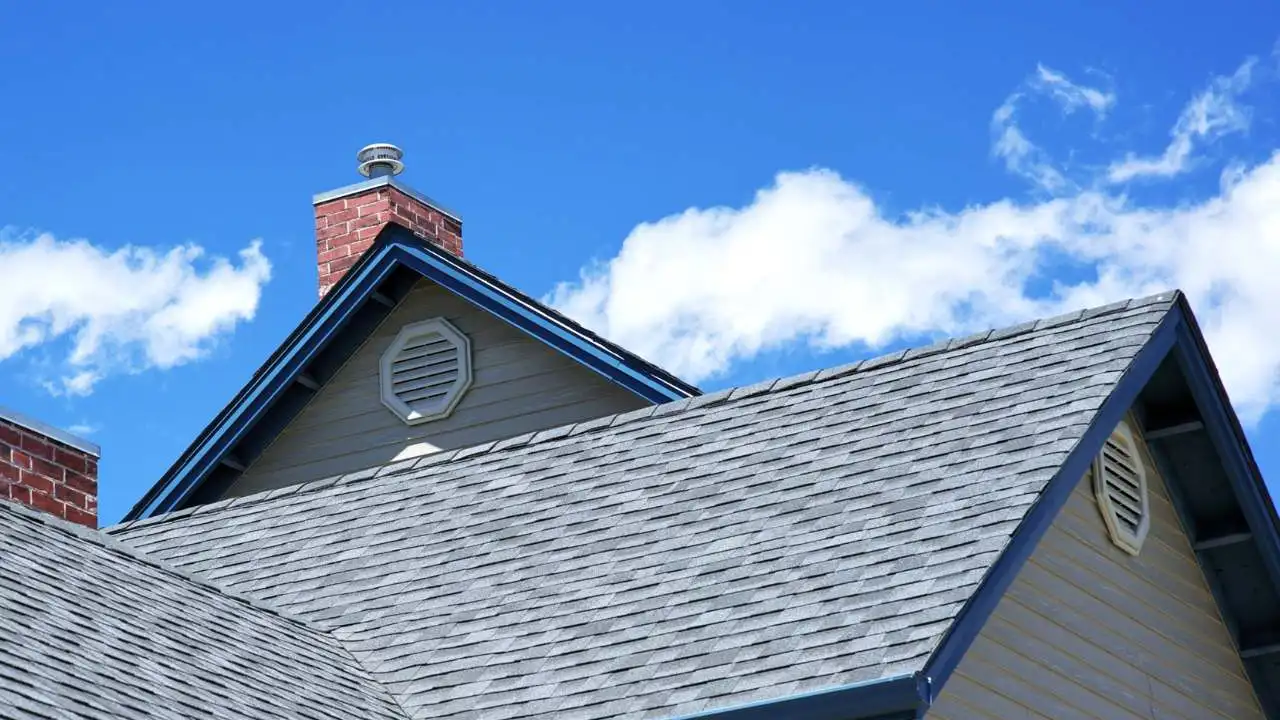
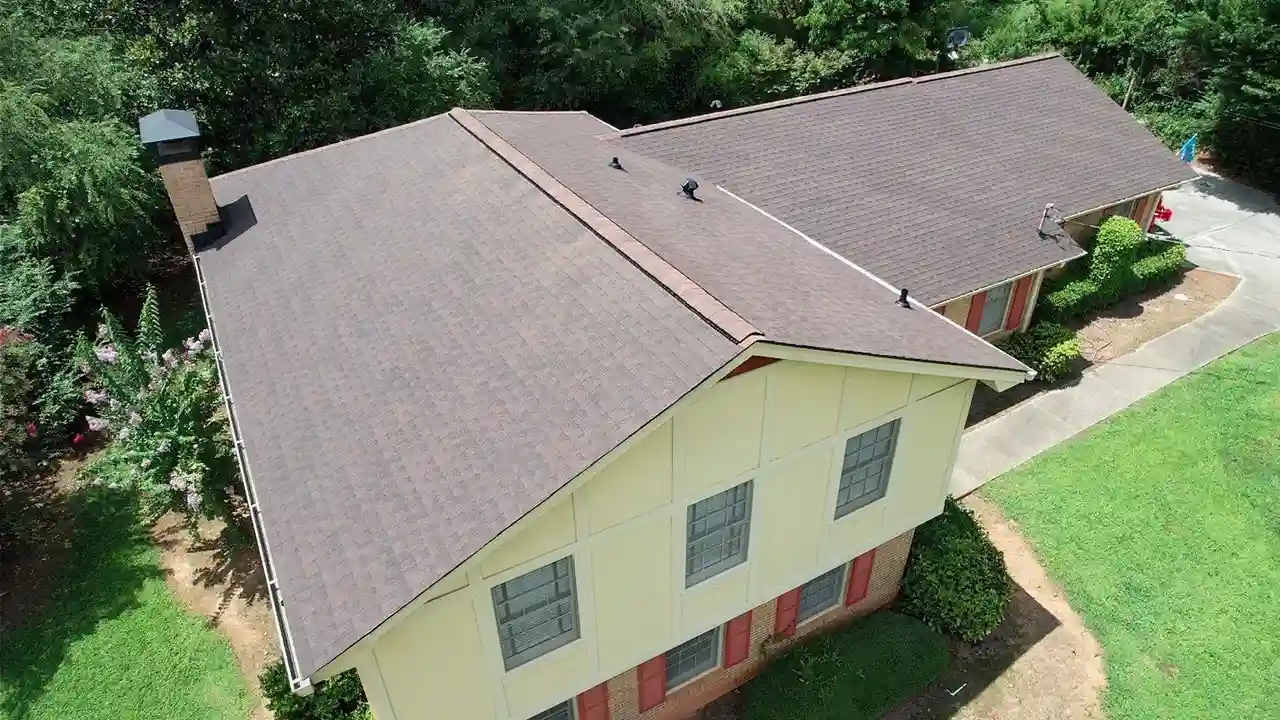
Understanding Roofing Material Lifespan and ROI
Compare the lifespan of various roofing materials and their return on investment for long-term home value.
Compare the lifespan of various roofing materials and their return on investment for long-term home value.
Understanding Roofing Material Lifespan and ROI
Hey there, homeowners! Thinking about a new roof or just curious about how long your current one might last? You've landed in the right spot. Choosing a roofing material isn't just about curb appeal or the initial price tag; it's a significant investment in your home's future. We're talking about how long that roof will protect your family and belongings, and more importantly, what kind of bang for your buck you'll get over the years. This isn't just about avoiding leaks; it's about maximizing your home's value and minimizing long-term costs. Let's dive deep into the lifespan of various roofing materials and their all-important return on investment (ROI).
Asphalt Shingles Lifespan and Investment Value
Asphalt shingles are, without a doubt, the most popular roofing material in the US and a common sight in many parts of Southeast Asia. Why? They're affordable, relatively easy to install, and come in a vast array of colors and styles. But how long do they really last, and what's their ROI?
Types of Asphalt Shingles and Their Durability
- 3-Tab Shingles: These are your entry-level asphalt shingles. They're flat, single-layer, and typically the least expensive. You can expect a lifespan of about 15-20 years, though some manufacturers might offer 25-year warranties. Their ROI is decent for their low initial cost, but they offer less protection and aesthetic appeal compared to other options.
- Architectural (Laminate) Shingles: Also known as dimensional shingles, these are thicker, multi-layered, and designed to mimic the look of natural wood shakes or slate. They're more durable, offering a lifespan of 25-30 years, with some premium lines extending to 40-50 years. Architectural shingles provide a much better ROI due to their enhanced durability, superior wind resistance, and improved aesthetic appeal, which can significantly boost your home's curb appeal and resale value.
- Designer (Luxury) Shingles: These are the crème de la crème of asphalt shingles. They're even thicker and heavier than architectural shingles, often designed to replicate the look of natural slate or cedar shakes with incredible realism. Lifespan can range from 30-50 years, often with lifetime limited warranties. While the initial cost is higher, their exceptional durability, aesthetic impact, and long warranties contribute to a strong ROI, especially in upscale markets.
Asphalt Shingle ROI Considerations
When it comes to ROI, asphalt shingles generally offer a good return, especially architectural and designer options. A new asphalt shingle roof can recoup a significant portion of its cost (often 60-70% or more) in increased home value at resale. Beyond that, the peace of mind from a new, warrantied roof is invaluable. For example, a GAF Timberline HDZ Architectural Shingle (a popular choice) might cost around $4.00-$6.00 per square foot installed. With a 30-year lifespan, that's a solid investment over time, protecting your home and enhancing its look.
Metal Roofing Lifespan and Investment Returns
Metal roofing has been gaining serious traction, and for good reason. It's known for its incredible durability, energy efficiency, and sleek, modern aesthetic. But what about its lifespan and ROI?
Types of Metal Roofing and Their Longevity
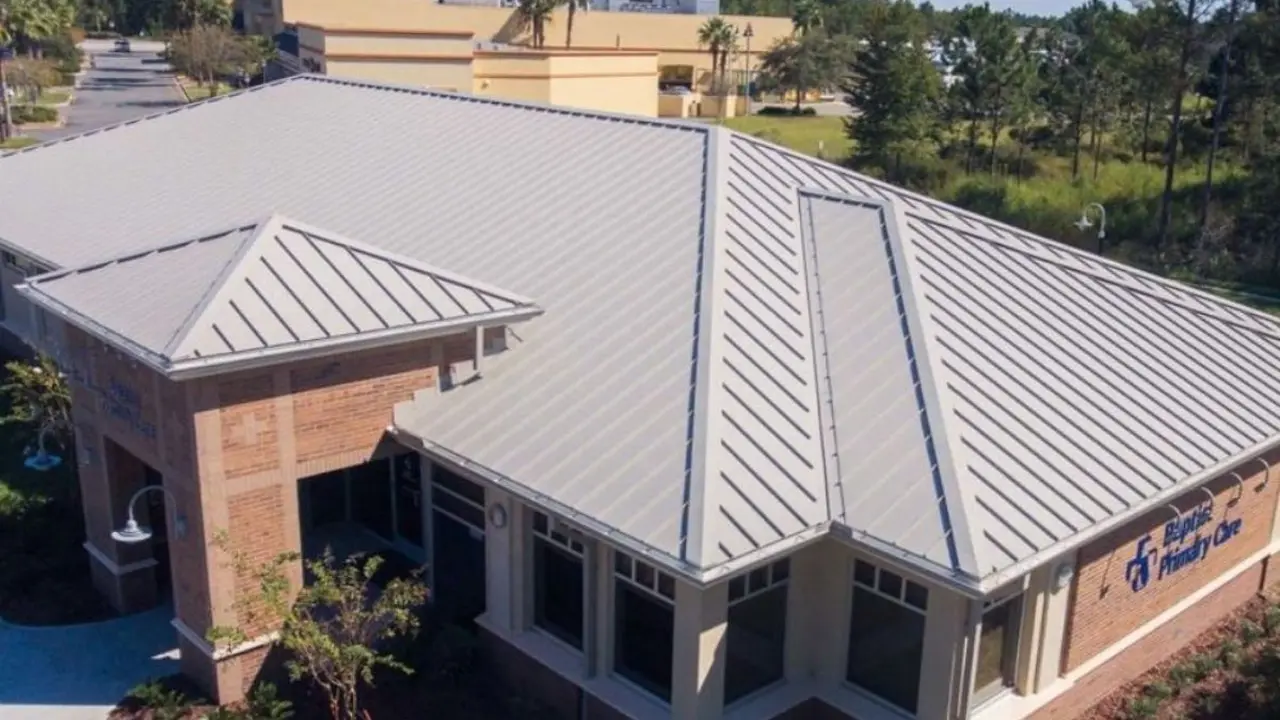
- Standing Seam Metal Roofs: These are characterized by raised seams that run vertically up the roof panels. They're highly durable, weather-tight, and offer a clean, contemporary look. Lifespan is typically 40-70 years, often with warranties extending for 30-50 years.
- Metal Shingles/Tiles: These are designed to mimic the look of traditional shingles, slate, or wood shakes but with the benefits of metal. They're lighter than traditional materials and offer excellent durability. Expect a lifespan of 30-50 years.
- Corrugated Metal Roofs: More common in agricultural or industrial settings, but also used for a rustic or modern aesthetic on homes. While durable, their lifespan can be slightly less than standing seam, typically 25-40 years, depending on the gauge and coating.
Metal Roofing ROI Considerations
The upfront cost of a metal roof is higher than asphalt shingles, often ranging from $8.00-$15.00+ per square foot installed. However, its exceptional lifespan means you might never need to replace your roof again. This long-term durability, coupled with energy savings (metal roofs reflect solar radiant heat, reducing cooling costs by 10-25%), contributes to a very strong ROI. While the immediate resale value might not recoup 100% of the cost, the long-term savings and appeal to buyers looking for low-maintenance, energy-efficient homes make it a fantastic investment. Brands like Fabral and Union Corrugating offer excellent residential metal roofing options.
Tile Roofing Lifespan and Value Proposition
Tile roofs, whether clay or concrete, evoke a sense of timeless elegance and are particularly popular in warmer climates like parts of the US (think Florida or California) and extensively throughout Southeast Asia. They're known for their beauty and incredible resilience.
Clay and Concrete Tile Durability
- Clay Tiles: These are made from natural clay fired at high temperatures. They are extremely durable, fire-resistant, and resistant to rot and insects. Lifespan can easily exceed 50 years, often reaching 100 years or more with proper maintenance.
- Concrete Tiles: Made from a mixture of sand, cement, and water, concrete tiles are also very durable and versatile, able to mimic the look of clay, wood shakes, or even slate. Their lifespan is comparable to clay, typically 50 years or more.
Tile Roofing ROI Considerations
Tile roofs are a premium option, with installation costs ranging from $10.00-$25.00+ per square foot. Their weight often requires additional structural reinforcement, adding to the cost. However, their unparalleled lifespan, aesthetic appeal, and low maintenance requirements contribute to an excellent long-term ROI. They significantly enhance curb appeal and can be a major selling point, especially in regions where they are culturally or architecturally appropriate. The energy efficiency benefits (due to air circulation under the tiles) also contribute to savings. For example, Boral Roofing offers a wide range of high-quality clay and concrete tiles.
Slate Roofing Lifespan and Premium Investment
Slate is the king of roofing materials when it comes to longevity and natural beauty. It's a natural stone, split into thin tiles, and has been used for centuries on prestigious buildings.
Slate Durability and Types
- Natural Slate: This material is virtually indestructible. It's fireproof, waterproof, and resistant to rot, insects, and extreme weather. A properly installed slate roof can last 100-200 years, often outliving the house itself!
Slate Roofing ROI Considerations
The initial cost of a slate roof is the highest among all common roofing materials, often $15.00-$30.00+ per square foot, due to the material cost, weight, and specialized installation. However, its ROI is exceptional over the very long term. While you might not recoup the full cost at resale in the short term, a slate roof is a significant luxury upgrade that commands a premium price and attracts discerning buyers. Its incredible lifespan means zero replacement costs for generations, making it a truly sustainable and valuable investment. Companies like Evergreen Slate are renowned for their quality slate products.
Wood Shakes and Shingles Lifespan and Rustic Appeal
Wood shakes and shingles offer a classic, rustic aesthetic that many homeowners adore. They're particularly popular in certain architectural styles and regions.
Wood Roofing Durability
- Wood Shingles: These are sawn on both sides, giving them a smoother, more uniform appearance. Lifespan is typically 20-30 years.
- Wood Shakes: These are split by hand or machine, resulting in a rougher, more textured look. They are generally thicker and can last 30-40 years, sometimes more with excellent maintenance and ideal climate conditions.
Wood Roofing ROI Considerations
Wood roofing costs can range from $7.00-$15.00 per square foot. While they offer a unique aesthetic and good initial ROI, their lifespan is shorter than metal or tile, and they require more maintenance (e.g., cleaning, repairs for rot or insect damage). In terms of ROI, they perform well for homes where the aesthetic is highly valued, but the long-term cost of ownership can be higher due to maintenance and eventual replacement. For example, Cedar Valley Shingle Systems offers high-quality cedar products.
Synthetic and Composite Roofing Lifespan and Modern Solutions
Synthetic and composite roofing materials are modern innovations designed to mimic the look of natural materials like slate or wood, but with enhanced durability and often lower maintenance.
Synthetic and Composite Durability
- Synthetic Slate/Shake: Made from engineered polymers, rubber, or recycled materials, these products are highly durable, impact-resistant, and often come with Class A fire ratings. Lifespan is typically 30-50 years, with many manufacturers offering lifetime limited warranties.
Synthetic and Composite ROI Considerations
These materials generally cost between $8.00-$18.00 per square foot. Their ROI is excellent because they offer the aesthetic appeal of premium materials like slate or cedar without the high cost, weight, or maintenance requirements. Their long lifespan and resistance to common roofing problems make them a smart long-term investment, often recouping a significant portion of their cost in increased home value and reduced maintenance. Brands like DaVinci Roofscapes and Fakewood (for synthetic shakes) are leaders in this space.
Key Factors Influencing Lifespan and ROI
It's not just the material itself that determines how long your roof lasts and its ultimate ROI. Several other factors play a huge role:
Installation Quality and Craftsmanship
This is paramount. Even the most expensive, durable material will fail prematurely if not installed correctly. A skilled, experienced roofing contractor ensures proper flashing, ventilation, and adherence to manufacturer specifications, all of which are critical for maximizing lifespan and protecting your investment. Poor installation can void warranties and lead to costly repairs down the line, severely impacting your ROI.
Roof Pitch and Design
Steeper roofs tend to shed water and debris more effectively, which can extend the life of many materials. Complex roof designs with many valleys, dormers, and penetrations can create more opportunities for leaks and may require more frequent maintenance, potentially affecting lifespan and ROI.
Climate and Environmental Factors
The local climate plays a massive role. Intense UV exposure, heavy rainfall, high winds, hail, extreme temperature fluctuations, and even salt air in coastal regions can all accelerate wear and tear on roofing materials. For instance, asphalt shingles in a hot, sunny climate might not last as long as those in a milder region. Choosing materials specifically designed for your climate (e.g., cool roofs for hot climates, wind-resistant roofs for hurricane zones) is crucial for maximizing lifespan and ROI.
Regular Maintenance and Inspections
Just like your car, your roof needs regular check-ups. Clearing debris, cleaning gutters, and addressing minor issues like loose shingles or damaged flashing promptly can prevent small problems from becoming expensive disasters. A well-maintained roof will always last longer and provide a better ROI than a neglected one.
Ventilation and Insulation
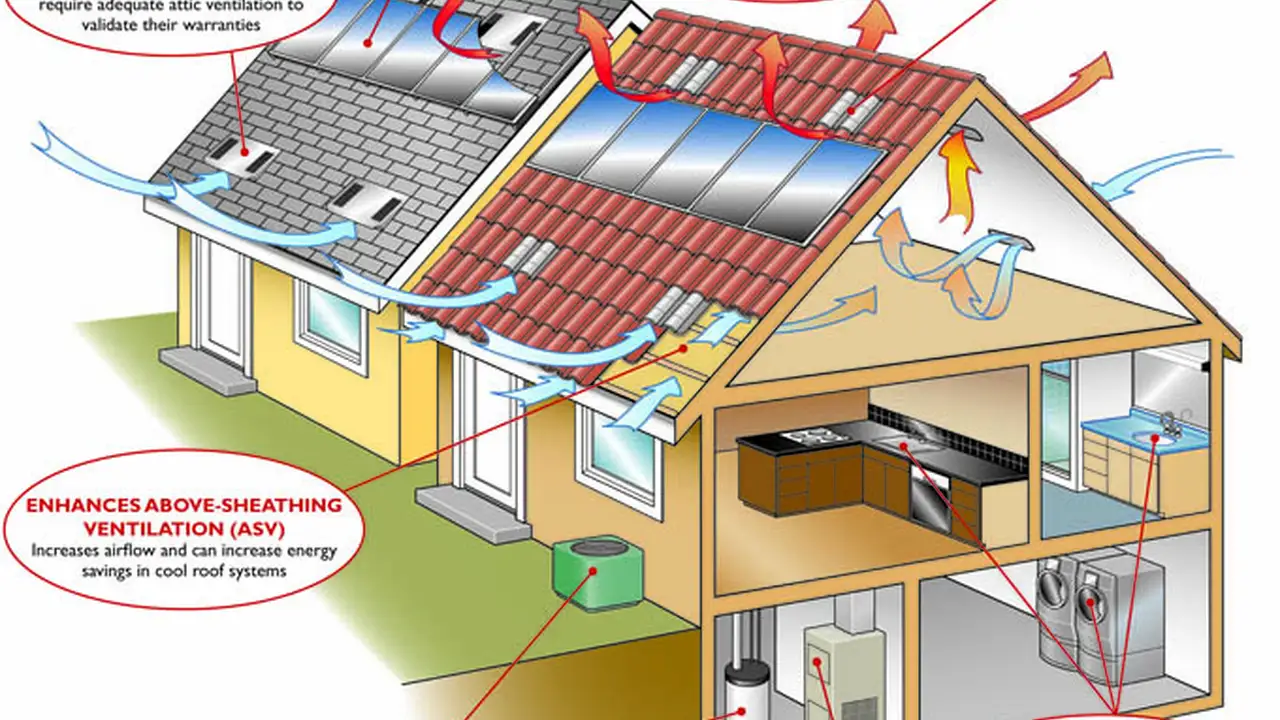
Proper attic ventilation is critical for regulating temperature and moisture in your attic. Poor ventilation can lead to heat buildup, which bakes asphalt shingles from below, or moisture accumulation, which can cause wood rot and mold. Both scenarios significantly shorten roof lifespan and can lead to higher energy bills, negatively impacting your overall ROI.
Maximizing Your Roofing ROI
So, how do you ensure you're getting the best return on your roofing investment? It boils down to a few key strategies:
Choose the Right Material for Your Home and Climate
Don't just pick the cheapest or most expensive option. Consider your home's architectural style, your local climate, your budget, and your long-term goals. If you plan to stay in your home for decades, investing in a longer-lasting material like metal or tile might make more sense. If you're selling in a few years, a quality architectural asphalt shingle might be the sweet spot for immediate resale value.
Hire a Reputable and Experienced Contractor
This cannot be stressed enough. Get multiple quotes, check references, look at their past work, and ensure they are licensed and insured. A good contractor will advise you on the best materials, ensure proper installation, and stand behind their work with a warranty.
Understand and Maintain Your Warranty
Most roofing materials come with manufacturer warranties, and contractors often provide a warranty on their workmanship. Understand what's covered, for how long, and what you need to do to keep it valid (e.g., regular maintenance). A strong warranty is a key part of your ROI protection.
Prioritize Regular Maintenance
Schedule annual inspections and address any issues promptly. This proactive approach will extend your roof's life, prevent costly emergency repairs, and ensure your investment continues to protect your home effectively.
Ultimately, your roof is more than just a cover; it's a critical component of your home's structural integrity, energy efficiency, and aesthetic appeal. By understanding the lifespan and ROI of different roofing materials, and by making informed decisions about installation and maintenance, you can ensure your roofing investment pays dividends for many years to come.
:max_bytes(150000):strip_icc()/277019-baked-pork-chops-with-cream-of-mushroom-soup-DDMFS-beauty-4x3-BG-7505-5762b731cf30447d9cbbbbbf387beafa.jpg)