The True Cost of a DIY Roof Installation
Analyze the hidden costs and potential pitfalls of attempting a DIY roof installation versus hiring professionals.

Analyze the hidden costs and potential pitfalls of attempting a DIY roof installation versus hiring professionals.
The True Cost of a DIY Roof Installation
So, you're thinking about tackling your roof installation yourself? It's a tempting thought, isn't it? Save some money, get your hands dirty, and have the satisfaction of a job well done. But hold on a minute. While the allure of a DIY roof project is strong, especially with all those online tutorials, the reality can be far more complex and costly than you initially imagine. This isn't just about buying shingles; it's about safety, skill, time, and potential long-term headaches. Let's dive deep into the true cost of a DIY roof installation and see if it's really worth the risk.
DIY Roofing vs Professional Installation Initial Savings vs Long Term Costs
At first glance, the biggest draw of a DIY roof installation is the perceived cost savings. You eliminate labor costs, which can be a significant portion of a professional roofing quote. For example, a typical asphalt shingle roof replacement on a 2,000 sq ft home might cost anywhere from $8,000 to $15,000, with labor often accounting for 40-60% of that. So, if you're looking at a $10,000 job, you might think you're saving $4,000 to $6,000 by doing it yourself. That's a lot of money, right?
However, this initial saving often overlooks a multitude of hidden costs and potential pitfalls that can quickly erode any financial advantage. These include unexpected material expenses, tool rentals, the cost of your time, potential damage, and the very real risk of injury. When you factor these in, the 'savings' can quickly turn into a much larger expense than if you had just hired a professional from the start.
Hidden Costs of DIY Roofing Materials and Equipment
When you hire a professional roofer, their quote typically includes all materials, delivery, and the use of their specialized equipment. As a DIYer, you're responsible for all of this. Let's break down some of these often-underestimated costs:
Roofing Materials Beyond Shingles
It's not just about the shingles. A complete roofing system requires several layers of materials, each with a specific function:
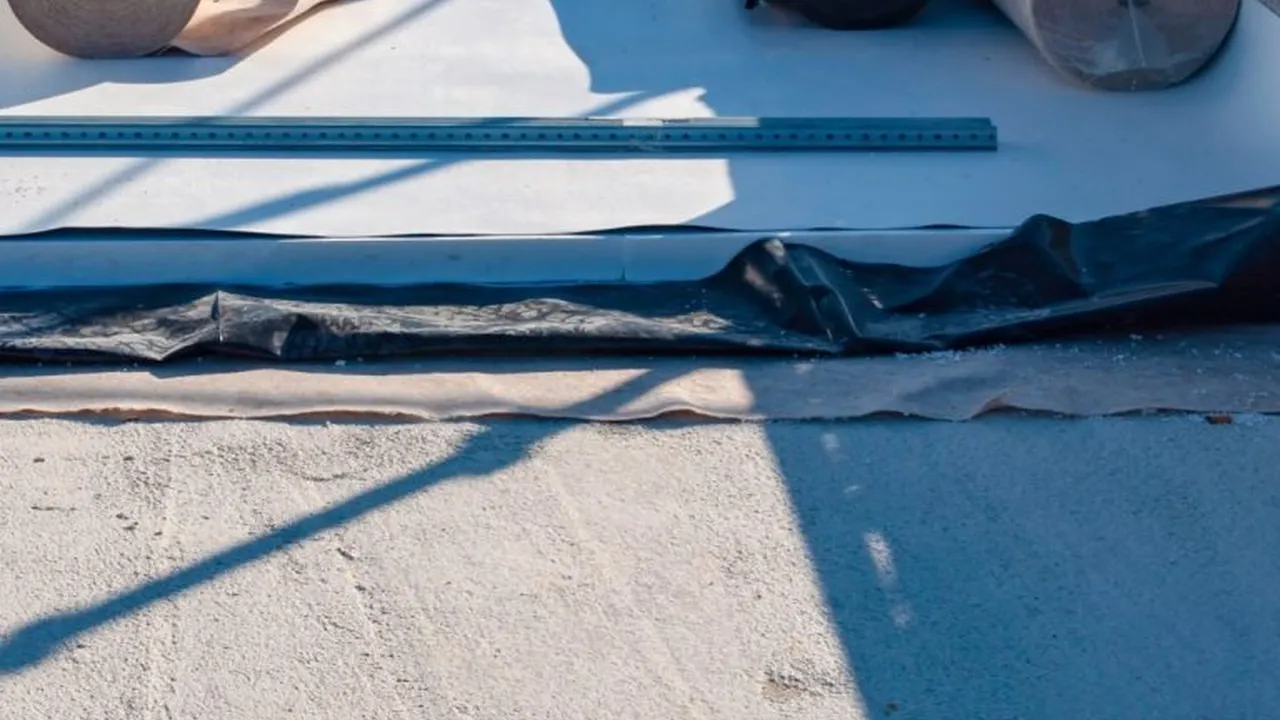
- Underlayment: This protective layer goes directly over the roof deck. Options include traditional felt paper or synthetic underlayment. Synthetic options like GAF FeltBuster High-Traction Synthetic Roofing Underlayment (around $70-$90 per roll for 1000 sq ft) offer superior tear resistance and water shedding compared to traditional felt (around $30-$50 per roll).
- Ice and Water Shield: Crucial for preventing leaks in vulnerable areas like eaves, valleys, and around penetrations. Products like IKO StormShield Ice & Water Protector (around $100-$150 per roll for 200 sq ft) are essential, especially in regions prone to ice dams or heavy rain.
- Starter Shingles: These provide a clean edge and proper sealing at the eaves. Brands like CertainTeed SwiftStart Starter Shingles (around $40-$60 per bundle) are designed for this purpose.
- Ridge Cap Shingles: These cover the peaks and hips of your roof, providing a finished look and crucial protection. Owens Corning DecoRidge Hip & Ridge Shingles (around $50-$70 per bundle) are a popular choice.
- Flashing: Metal pieces used around chimneys, skylights, vents, and walls to prevent water intrusion. This often requires custom bending or specialized kits, adding to material costs.
- Vents: Proper attic ventilation is critical for roof longevity and energy efficiency. You'll need various types of vents (ridge vents, soffit vents, static vents). A GAF Cobra Ridge Vent (around $30-$50 per 4-foot section) is a common choice.
- Nails and Fasteners: You'll need thousands of roofing nails. A 50lb box of 1.25-inch galvanized roofing nails can cost $60-$100.
- Sealants and Adhesives: Roofing cement, caulk, and other sealants are necessary for various applications.
These 'hidden' material costs can easily add hundreds, if not thousands, of dollars to your project, quickly eating into your perceived savings.
Essential Roofing Tools and Equipment Rental
A professional roofing crew arrives with a truck full of specialized tools. As a DIYer, you'll either need to buy or rent them. Here's a list of common tools and their approximate costs/rental fees:
- Safety Gear: This is non-negotiable. A good safety harness and rope (around $100-$250), work gloves ($10-$30), safety glasses ($5-$15), and sturdy work boots ($50-$150) are essential.
- Pneumatic Roofing Nailer: This is a must-have for efficiency. Buying one can cost $200-$400 (e.g., Bostitch Coil Roofing Nailer). Renting might be $40-$70 per day.
- Air Compressor: To power the nailer. Buying one can be $150-$500. Renting might be $30-$60 per day.
- Shingle Remover/Pry Bar: For tearing off old shingles. Around $30-$60.
- Utility Knife and Blades: For cutting shingles. Around $15-$30.
- Tape Measure, Chalk Line, Framing Square: For accurate measurements and straight lines. Around $30-$70 for the set.
- Extension Ladder and Ladder Stabilizers: Essential for safe roof access. A good quality extension ladder can be $150-$400. Stabilizers are another $50-$100.
- Roofing Brackets/Toe Boards: For creating safe working platforms on steep roofs. Renting might be $10-$20 per day per bracket.
- Dumpster Rental: For disposing of old shingles and debris. This can be a significant cost, ranging from $300-$600 or more depending on size and duration.
- Tarps and Debris Netting: To protect your landscaping and collect debris. Around $50-$100.
If you're buying all these tools for a one-time project, the cost can easily exceed $1,000-$2,000. Renting can save money but adds the hassle of pickup and return, and daily fees can accumulate if the project takes longer than expected.
The Value of Your Time and Labor Costs in DIY Roofing
When you calculate the 'savings' of DIY, are you factoring in the value of your own time? A professional crew can strip and reshingle a typical residential roof in 1-3 days. For a DIYer, this project can easily stretch into weeks, especially if you're working alone or only on weekends. Consider:
- Lost Wages: If you take time off work, that's a direct financial cost.
- Opportunity Cost: What else could you be doing with that time? Spending time with family, pursuing hobbies, or even working on other home improvement projects.
- Physical Strain and Fatigue: Roofing is incredibly demanding physical labor. It's hot, dirty, and exhausting. This can lead to mistakes and slow down progress.
If you value your time at even a modest $25 per hour, and the project takes you 100 hours (a conservative estimate for many DIYers), that's $2,500 in 'lost' labor value. This quickly diminishes the perceived savings.
The High Stakes of DIY Roofing Safety and Injury Risks
This is perhaps the most critical hidden cost. Roofing is one of the most dangerous jobs in construction. Falls from roofs are a leading cause of serious injury and even death. Professionals have extensive training, safety equipment, and insurance. As a DIYer, you're taking on all that risk yourself.
- Falls: Even a small slip can lead to broken bones, head injuries, or worse.
- Heat Stroke/Exhaustion: Working on a hot roof under the sun is physically taxing and can lead to serious health issues.
- Cuts and Punctures: Nails, sharp edges of shingles, and tools can cause injuries.
- Muscle Strains and Back Injuries: Lifting heavy bundles of shingles and repetitive motions can take a toll on your body.
A serious injury could lead to massive medical bills, lost income, and long-term disability. Your homeowner's insurance might cover some medical costs, but it won't cover lost wages or the pain and suffering. This risk alone often outweighs any potential financial savings.
Quality Control and Workmanship The Long-Term Impact of DIY Roofing
A roof is your home's primary defense against the elements. A poorly installed roof can lead to a cascade of problems:
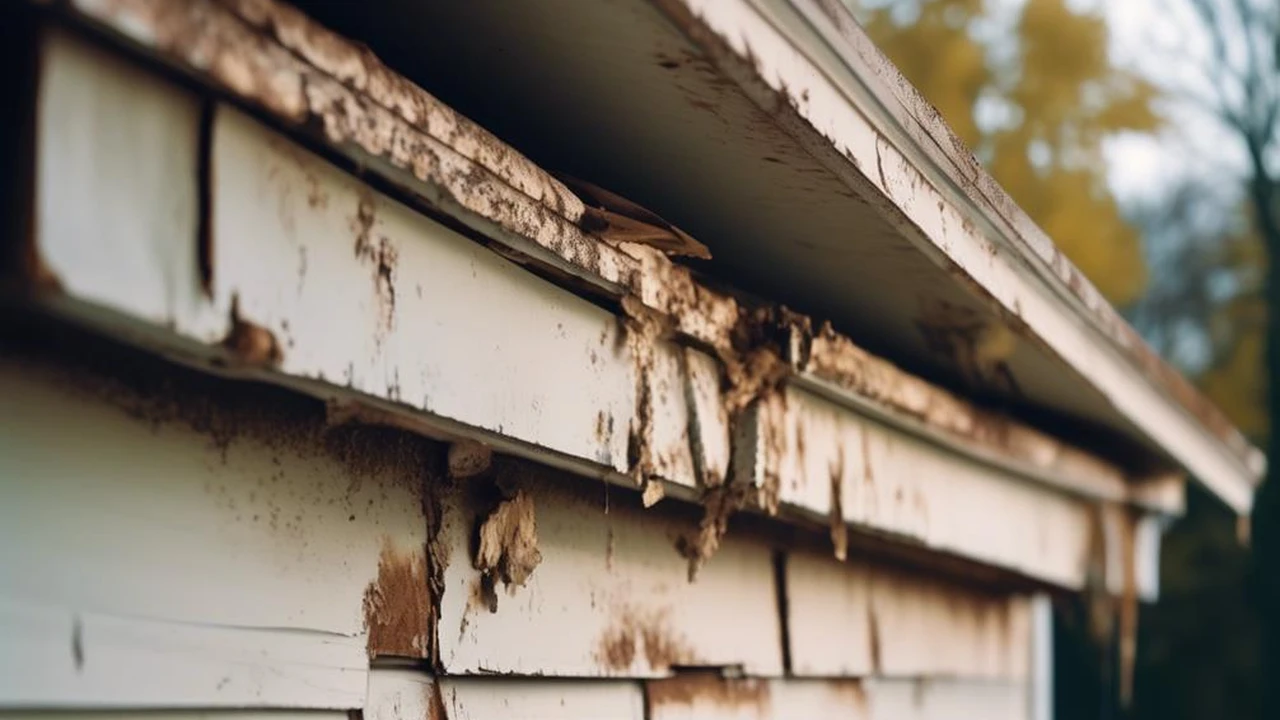
- Leaks: The most common issue. Even a small leak can lead to extensive water damage to your attic, ceilings, walls, and insulation, fostering mold growth. Repairing water damage can be far more expensive than the initial roof installation.
- Reduced Lifespan: Improper shingle nailing, inadequate flashing, or poor ventilation can significantly shorten the life of your roof, meaning you'll need to replace it again much sooner.
- Voided Warranties: Most roofing material manufacturers offer warranties (e.g., GAF Timberline HDZ Shingles come with a limited lifetime warranty). However, these warranties often require professional installation by a certified contractor. A DIY installation can void these valuable warranties, leaving you unprotected if materials fail prematurely.
- Curb Appeal and Resale Value: A visibly amateurish roof job can detract from your home's curb appeal and significantly lower its resale value. Potential buyers will notice uneven shingle lines, poorly cut flashing, or sagging areas.
- Building Code Violations: Roofing projects often require permits and inspections to ensure they meet local building codes. DIYers might unknowingly violate these codes, leading to fines or forced re-dos.
Consider the cost of repairing extensive water damage, replacing a roof prematurely, or losing out on resale value. These long-term costs can dwarf any upfront savings from DIY.
Insurance and Liability Considerations for DIY Roofers
Professional roofing contractors carry liability insurance and workers' compensation insurance. This protects you, the homeowner, if a worker is injured on your property or if there's damage to your home during the project. As a DIYer, you are solely responsible.
- Homeowner's Insurance: While your homeowner's insurance might cover some accidental damage you cause, it's crucial to check your policy. Some policies have limitations or exclusions for DIY projects, especially if they involve high-risk activities.
- Liability: If a friend or family member helps you and gets injured, you could be held liable.
The peace of mind that comes with a fully insured professional team is a significant, albeit intangible, benefit that DIY simply cannot offer.
Permits and Inspections Navigating Bureaucracy in DIY Roofing
Many municipalities require permits for roof replacement projects. This involves submitting plans, paying fees, and undergoing inspections. Professionals are typically well-versed in these requirements and handle the process seamlessly. As a DIYer, you'll need to:
- Research local building codes and permit requirements.
- Fill out and submit permit applications.
- Schedule and be present for inspections.
Failing to obtain necessary permits can lead to fines, delays, or even the requirement to tear off and redo work that doesn't meet code. This adds another layer of complexity and potential cost to your DIY endeavor.
When DIY Roofing Might Make Sense (and When It Absolutely Doesn't)
So, is DIY roofing ever a good idea? For very minor repairs, like replacing a few missing shingles on a low-slope, easily accessible roof, it might be feasible for a handy homeowner. For example, if you have a few damaged Owens Corning Duration Shingles, buying a bundle (around $30-$40) and carefully replacing them yourself could save you a service call fee.
However, for a full roof replacement, especially on a steep, multi-story, or complex roof, DIY is almost always a bad idea. The risks to safety, the potential for costly mistakes, and the long-term implications for your home's integrity and value far outweigh any perceived upfront savings. This is particularly true for specialized roofing materials like metal, slate, or tile, which require specific tools, techniques, and expertise.
The Smart Choice Professional Roofing Contractors
Ultimately, a roof is not an area to cut corners. While the initial quote from a professional roofer might seem high, it encompasses their expertise, specialized equipment, insurance, warranties, and the peace of mind that the job will be done correctly and safely. They understand the nuances of different roofing materials, local building codes, and proper installation techniques to ensure your roof lasts its full intended lifespan.
When you hire a reputable contractor, you're investing in your home's protection, energy efficiency, and long-term value. They can also guide you through material choices, like recommending CertainTeed Landmark Pro Shingles for enhanced durability or Boral Steel Stone Coated Steel Roofing for extreme weather resistance, explaining the pros and cons of each for your specific climate and budget. They'll also handle the disposal of old materials, ensuring a clean and efficient process.
Before you climb that ladder, take a moment to truly calculate the hidden costs, risks, and potential headaches of a DIY roof installation. For most homeowners, the true cost of DIY far outweighs the benefits, making a professional roofing contractor the smarter, safer, and ultimately more cost-effective choice for your home.
:max_bytes(150000):strip_icc()/277019-baked-pork-chops-with-cream-of-mushroom-soup-DDMFS-beauty-4x3-BG-7505-5762b731cf30447d9cbbbbbf387beafa.jpg)