Polymer Roofing Tiles Durability and Style
Discover the benefits of polymer roofing tiles, offering a blend of durability, lightweight design, and aesthetic appeal.
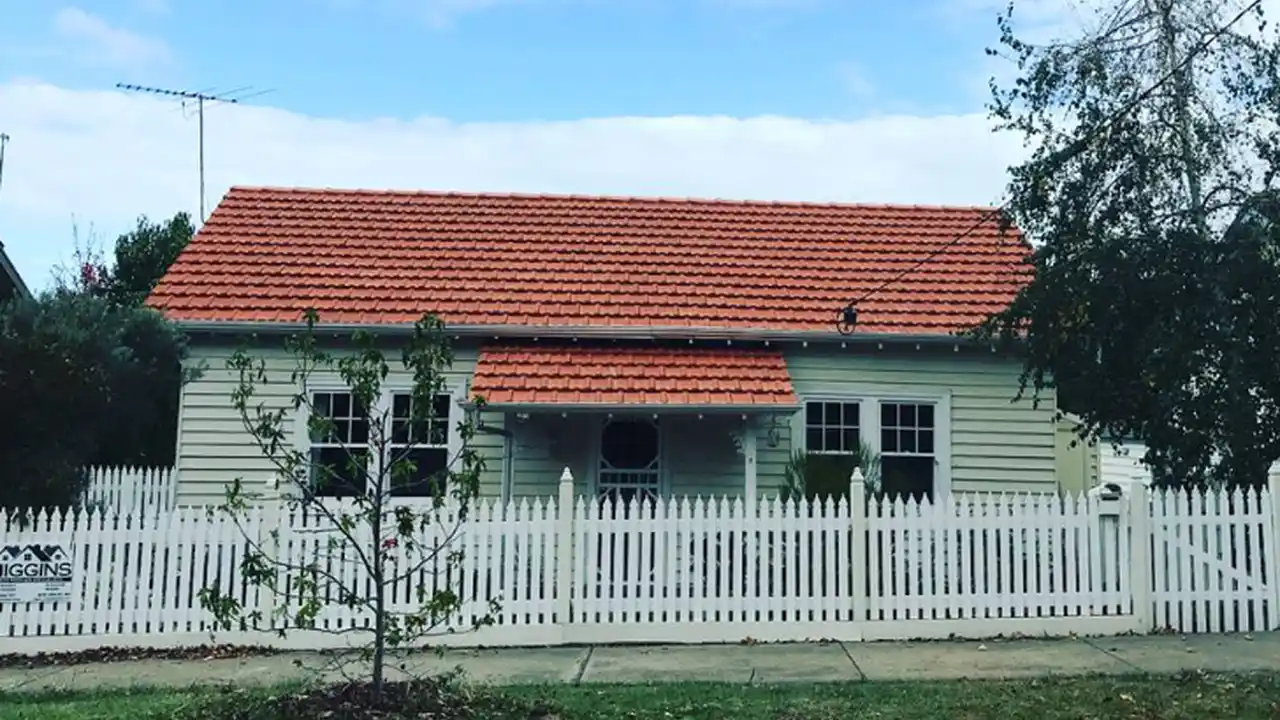
Polymer Roofing Tiles Durability and Style
Discover the benefits of polymer roofing tiles, offering a blend of durability, lightweight design, and aesthetic appeal.Hey there, homeowners! Are you on the hunt for a roofing material that truly stands out, not just in looks but also in performance? If so, you've probably heard whispers about polymer roofing tiles. These aren't your grandma's shingles, folks. We're talking about a modern marvel in the roofing world, offering a fantastic combination of durability, a lightweight profile, and some serious curb appeal. Whether you're building a new home or giving your existing one a much-needed facelift, polymer roofing tiles are definitely worth a closer look, especially if you're in the US or Southeast Asia where weather can be a real challenge.
What Exactly Are Polymer Roofing Tiles Understanding Polymer Roofing Materials
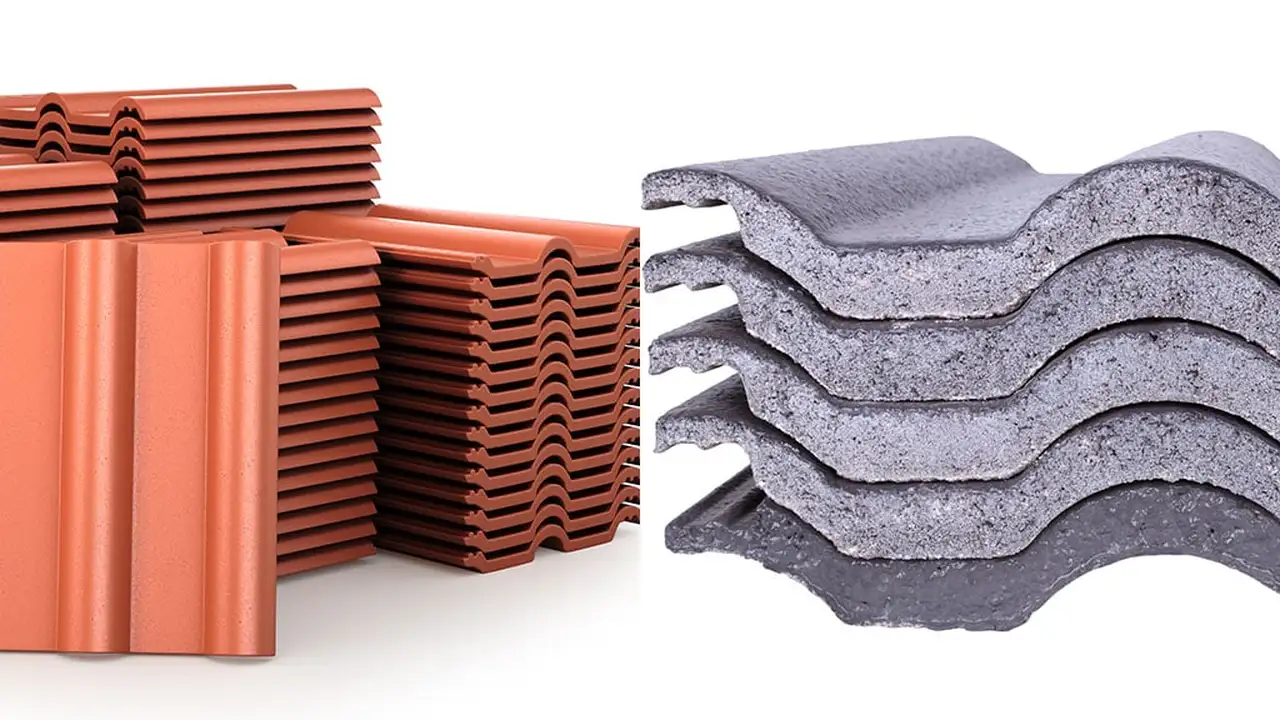
So, what's the big deal with polymer roofing tiles? Simply put, they're engineered roofing products made primarily from advanced plastics, often incorporating recycled materials like rubber and plastic. This isn't just about being eco-friendly (though that's a huge plus!). It's about creating a roofing material that's incredibly resilient, flexible, and designed to mimic the look of traditional materials like slate, wood shake, or clay tiles, but without their inherent drawbacks. Think of it as getting the best of both worlds: the classic aesthetics you love, combined with cutting-edge durability and low maintenance.
The Unbeatable Durability of Polymer Roofing Tiles Long Lasting Roof Solutions
Let's talk toughness. One of the biggest selling points of polymer roofing tiles is their incredible durability. Unlike natural materials that can crack, rot, or break down over time, polymer tiles are built to last. They're resistant to a whole host of common roofing woes:
- Impact Resistance: Hail storms? Falling branches? Polymer tiles can take a beating and keep on looking great. Many brands boast Class 4 impact resistance, the highest rating available, meaning they can withstand significant impacts without damage. This is a massive advantage, especially in areas prone to severe weather.
- UV Resistance: The relentless sun, particularly in tropical climates like Southeast Asia, can wreak havoc on roofs. Polymer tiles are formulated with UV inhibitors that prevent fading, cracking, and degradation from prolonged sun exposure, ensuring your roof maintains its vibrant color for decades.
- Moisture and Rot Resistance: Wood shakes are beautiful, but they're susceptible to rot, mold, and mildew. Clay tiles can absorb water and become brittle. Polymer tiles are impervious to moisture, meaning no rot, no mold, and no worries about water absorption leading to structural issues. This makes them ideal for humid environments.
- Insect and Pest Resistance: Termites and other pests love to munch on wood. Polymer tiles offer no appeal to these unwelcome guests, providing an additional layer of protection for your home.
- Wind Resistance: Many polymer roofing systems are designed with interlocking features and robust fastening methods, providing excellent wind uplift resistance. This is crucial for homes in coastal areas or regions prone to high winds.
- Fire Resistance: While not all polymer tiles are created equal, many offer Class A fire ratings, providing superior protection against external fire sources. This is a significant safety benefit for any homeowner.
What does all this durability mean for you? A roof that lasts significantly longer than many traditional options, often coming with warranties of 50 years or even a lifetime. That's peace of mind you can literally build on.
Lightweight Design Benefits of Polymer Roofing for Your Home
Another fantastic advantage of polymer roofing tiles is their lightweight nature. This might not sound like a big deal, but it actually offers several significant benefits:
- Reduced Structural Stress: A lighter roof puts less strain on your home's underlying structure. This can be particularly beneficial for older homes or those with less robust framing, potentially saving you money on structural reinforcements.
- Easier Installation: Lighter materials are generally easier and faster to install, which can translate to lower labor costs and a quicker project completion time.
- Shipping and Handling: The reduced weight also makes transportation and handling of materials more efficient, potentially lowering overall project logistics costs.
Compared to heavy materials like slate or concrete tiles, polymer offers a significant weight advantage without compromising on strength or appearance.
Aesthetic Appeal and Versatility Polymer Roofing Styles and Colors
Durability is great, but let's be honest, you also want your roof to look good! Polymer roofing tiles truly shine in the aesthetics department. Manufacturers have perfected the art of replicating the look of premium natural materials with incredible accuracy. You can find polymer tiles that flawlessly mimic:
- Natural Slate: Get the sophisticated, elegant look of slate without the exorbitant cost, weight, or fragility. Polymer slate tiles come in various shades of gray, black, and even multi-colored blends, complete with realistic textures and chiseled edges.
- Wood Shake: Achieve the rustic charm of cedar or redwood shakes without the worries of rot, insects, or fire hazards. Polymer shakes often feature deep grain patterns and varying tile widths for an authentic, hand-split appearance.
- Terracotta or Clay Tiles: For homes with a Mediterranean or Spanish architectural style, polymer clay tiles offer the classic barrel or S-tile profile in rich terracotta hues, but with superior impact resistance and a much lighter footprint.
Beyond mimicking natural materials, polymer tiles also come in a wide array of colors and profiles, allowing you to perfectly match your home's architectural style and your personal preferences. The color is often integrated throughout the tile, meaning it won't just chip or fade away, ensuring long-lasting beauty.
Comparing Polymer Roofing Tiles to Traditional Materials Polymer vs Slate vs Wood Shake
Let's put polymer roofing head-to-head with some of its traditional counterparts to see where it truly excels:
Polymer vs Natural Slate Roofing
- Cost: Polymer slate is significantly more affordable than natural slate, both in material cost and installation labor.
- Weight: Polymer is much lighter, reducing structural requirements. Natural slate is extremely heavy.
- Durability: Both are very durable, but polymer offers superior impact resistance and is less prone to chipping or breaking during installation or from impacts.
- Maintenance: Polymer requires virtually no maintenance beyond occasional cleaning. Natural slate can require specialized repair if individual tiles break.
- Aesthetics: Modern polymer slate is nearly indistinguishable from natural slate to the untrained eye.
Polymer vs Wood Shake Roofing
- Durability: Polymer is vastly superior in terms of resistance to rot, insects, fire, and moisture. Wood shakes are prone to all of these issues.
- Maintenance: Wood shakes require regular maintenance (sealing, cleaning, replacing damaged pieces). Polymer requires minimal maintenance.
- Fire Rating: Polymer often achieves Class A fire ratings, while wood shakes are highly flammable unless treated, and even then, offer less protection.
- Lifespan: Polymer roofs typically last 50+ years. Wood shakes usually last 20-30 years with proper maintenance.
- Aesthetics: Polymer shakes perfectly capture the rustic look of wood without the drawbacks.
Polymer vs Clay or Concrete Tiles
- Weight: Polymer is significantly lighter, reducing structural load. Clay and concrete tiles are very heavy.
- Impact Resistance: Polymer offers superior impact resistance. Clay and concrete tiles can be brittle and prone to breaking from impacts or foot traffic.
- Installation: Polymer is generally easier and faster to install due to its lighter weight and often interlocking design.
- Cost: Polymer can be comparable or slightly less expensive than high-end clay or concrete tiles, especially considering installation.
Recommended Polymer Roofing Products and Brands Top Polymer Tile Manufacturers
When considering polymer roofing, several reputable brands stand out for their quality, innovation, and extensive product lines. Here are a few top contenders, along with some specific product lines, typical use cases, and general price points (note: prices are estimates and can vary widely based on region, supplier, and project complexity):
1. DaVinci Roofscapes
DaVinci is a leader in the synthetic roofing market, known for its high-quality, realistic-looking polymer slate and shake tiles. They use virgin resins for superior performance and offer an impressive array of colors and blends.
- Product Lines:
- DaVinci Slate: Mimics natural slate with varying tile widths and thicknesses. Available in a wide range of colors and custom blends.
- DaVinci Shake: Replicates the look of hand-split cedar shakes, offering deep grain patterns and natural variations.
- DaVinci Select Shake: A more refined, multi-width shake option.
- DaVinci Bellaforté: Features a unique interlocking system for enhanced wind resistance and a clean, uniform look in both slate and shake profiles.
- Use Cases: High-end residential homes, historic renovations, commercial buildings where aesthetic appeal and long-term durability are paramount. Excellent for regions with severe weather (hail, high winds, intense sun).
- Key Features: Class A fire rating, Class 4 impact rating, 110 mph wind resistance, 50-year limited warranty, UV and insect resistant.
- Estimated Price Range (Materials Only): $5.00 - $10.00+ per square foot.
2. Brava Roof Tile
Brava specializes in creating beautiful, durable synthetic roofing products from recycled materials. They offer a unique range of styles, including Spanish barrel tile, that are perfect for specific architectural designs.
- Product Lines:
- Brava Old World Slate: Authentic slate appearance with a variety of colors and thicknesses.
- Brava Cedar Shake: Replicates the look of natural cedar shakes, available in multiple widths and colors.
- Brava Spanish Barrel Tile: A stunning alternative to traditional clay barrel tiles, offering superior durability and lightweight design. Ideal for Mediterranean, Spanish, or Mission-style homes.
- Use Cases: Residential and commercial projects seeking a specific architectural style (e.g., Spanish, Mediterranean) or those prioritizing recycled content. Great for hot, sunny climates and areas prone to hail.
- Key Features: Class A fire rating, Class 4 impact rating, 110 mph wind resistance, 50-year limited warranty, made from recycled plastics.
- Estimated Price Range (Materials Only): $4.50 - $9.00+ per square foot.
3. CeDUR Roofing Shakes
CeDUR focuses specifically on synthetic cedar shakes, offering an incredibly realistic wood look with the benefits of polymer. Their products are known for their thick, authentic appearance.
- Product Lines:
- CeDUR Shakes: Available in various widths and thicknesses, designed to mimic heavy, hand-split cedar shakes. Comes in natural wood tones.
- Use Cases: Homes where the aesthetic of natural cedar shake is desired but with enhanced fire resistance, durability, and lower maintenance. Suitable for all climates, especially those with wildfire concerns.
- Key Features: Class A fire rating, Class 4 impact rating, lightweight, 50-year limited warranty, resistant to rot and insects.
- Estimated Price Range (Materials Only): $4.00 - $8.00+ per square foot.
4. Euroshield Rubber Roofing
Euroshield takes a unique approach, manufacturing roofing products primarily from recycled rubber tires. This makes them incredibly durable, impact-resistant, and environmentally friendly.
- Product Lines:
- EuroSlate: Replicates the look of natural slate.
- EuroShake: Mimics the appearance of wood shakes.
- Ranchlands Shake: A thicker, more rugged shake profile.
- Use Cases: Homeowners prioritizing extreme durability, impact resistance (especially in hail-prone areas), and environmental sustainability. Excellent for cold climates due to rubber's flexibility.
- Key Features: Class 4 impact rating (often exceeding it), Class C fire rating (can be upgraded), 110 mph wind resistance, limited lifetime warranty, made from up to 95% recycled content.
- Estimated Price Range (Materials Only): $4.00 - $7.00+ per square foot.
5. EcoStar
EcoStar is another well-established brand offering premium synthetic slate and shake roofing tiles made from recycled rubber and plastic. They are known for their high performance and aesthetic fidelity.
- Product Lines:
- Majestic Slate: Available in various thicknesses and colors, replicating natural slate.
- Seneca Shake: Mimics the look of hand-split cedar shakes.
- Use Cases: High-end residential and commercial projects, historic preservation, and any application where superior performance and a classic aesthetic are desired.
- Key Features: Class A fire rating, Class 4 impact rating, 110 mph wind resistance, 50-year limited warranty, made from recycled materials.
- Estimated Price Range (Materials Only): $5.00 - $9.00+ per square foot.
Important Note on Pricing: The 'per square foot' material cost is just one piece of the puzzle. Installation costs, which can vary significantly based on your location, roof complexity, and contractor, will add substantially to the total project cost. Always get multiple quotes from certified installers.
Installation Considerations for Polymer Roofing Tiles Professional Roofing Installation
While polymer tiles are generally lighter and sometimes easier to handle than their natural counterparts, proper installation is still absolutely critical for their performance and warranty validity. Here are a few things to keep in mind:
- Certified Installers: Many manufacturers require installation by certified contractors to uphold their warranties. This ensures the installers are trained in the specific techniques for that product.
- Underlayment: A high-quality underlayment is essential, just like with any roofing material, to provide an extra layer of protection against moisture.
- Ventilation: Proper attic ventilation is crucial for the longevity of any roof, including polymer, as it helps regulate temperature and moisture.
- Fastening: Polymer tiles often use specific fastening methods (e.g., ring shank nails, screws) and patterns to ensure maximum wind resistance.
- Roof Pitch: While polymer tiles are versatile, always check the manufacturer's minimum roof pitch requirements for their specific products.
Maintenance and Care for Polymer Roofs Low Maintenance Roofing Solutions
This is where polymer roofing really shines for busy homeowners. The maintenance requirements are incredibly low. Generally, you'll just need to:
- Regular Inspections: Periodically check your roof for any debris, damaged flashing, or other issues, especially after severe weather.
- Cleaning: If moss, algae, or dirt accumulate, a gentle cleaning with a hose and a soft brush (or a low-pressure power washer) is usually sufficient. Avoid harsh chemicals or high-pressure washing that could damage the tiles.
- Gutter Cleaning: Keep your gutters clear to ensure proper drainage and prevent water from backing up onto your roof.
That's pretty much it! No need for sealing, staining, or individual tile replacement due to breakage, which is common with wood or clay.
Is Polymer Roofing Right for Your Home Making the Best Roofing Choice
So, after all this, is polymer roofing the right choice for your home? It's a strong contender if you're looking for:
- Exceptional Durability: A roof that can withstand harsh weather, impacts, and the test of time.
- Long-Term Value: While the upfront cost might be higher than asphalt shingles, the extended lifespan and minimal maintenance often result in a lower total cost of ownership.
- Aesthetic Appeal: You want the classic look of slate, wood shake, or clay without their inherent drawbacks.
- Lightweight Solution: Your home's structure might benefit from a lighter roofing material.
- Eco-Friendly Options: Many polymer tiles incorporate recycled content, appealing to environmentally conscious homeowners.
- Low Maintenance: You prefer to spend less time worrying about your roof and more time enjoying your home.
Polymer roofing tiles represent a significant advancement in roofing technology, offering a compelling blend of beauty, strength, and sustainability. They're an investment that pays dividends in peace of mind, curb appeal, and long-term protection for your most valuable asset: your home. So, if you're ready to upgrade your roof to something truly special, definitely explore the world of polymer roofing tiles!
:max_bytes(150000):strip_icc()/277019-baked-pork-chops-with-cream-of-mushroom-soup-DDMFS-beauty-4x3-BG-7505-5762b731cf30447d9cbbbbbf387beafa.jpg)