Roofing for Agricultural Buildings Climate Specific
Specialized roofing considerations and materials for agricultural buildings, tailored to regional climate demands.
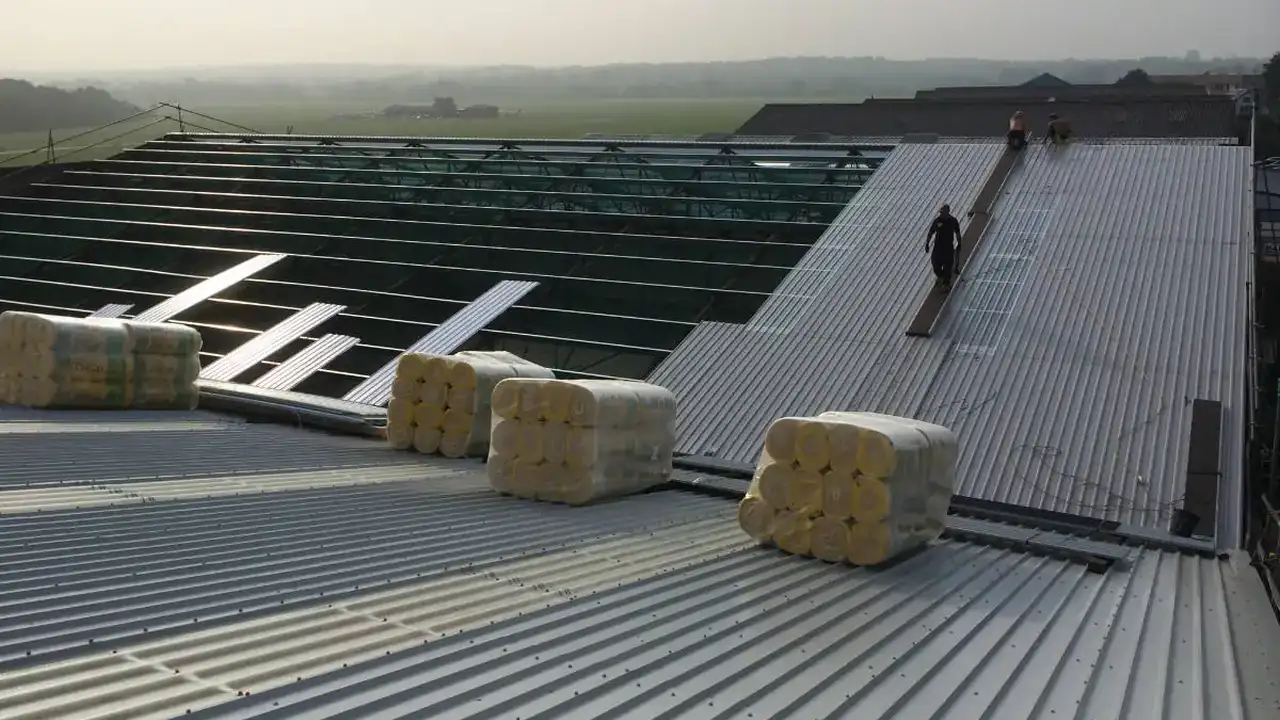
Specialized roofing considerations and materials for agricultural buildings, tailored to regional climate demands.
Roofing for Agricultural Buildings Climate Specific
Hey there, farmers and agricultural enthusiasts! When it comes to your barns, sheds, livestock shelters, and storage facilities, the roof isn't just a cover; it's a critical component that protects your investments, your animals, and your livelihood. Unlike residential roofing, agricultural roofing faces unique challenges. We're talking about larger spans, often less insulation, and a constant battle against the elements, which can vary wildly depending on where your farm is located. What works perfectly in the sunny fields of California might be a disaster in the humid tropics of Southeast Asia or the snowy plains of the Midwest.
This guide is all about diving deep into the world of agricultural roofing, focusing on how different climates demand different solutions. We'll explore various materials, their pros and cons, specific use cases, and even touch on some product recommendations and pricing to help you make the best decisions for your farm. Let's get started!
Understanding Agricultural Roofing Needs by Climate Zone
Before we even talk about materials, it's crucial to understand the specific environmental stressors your agricultural buildings will face. Climate isn't just about temperature; it's about humidity, wind, precipitation (rain, snow, hail), UV radiation, and even local pests or corrosive elements.
Hot and Humid Climates Roofing Solutions for Tropical Farms
Think Southeast Asia, the American South, or parts of Central America. These regions are characterized by high temperatures, relentless humidity, and often heavy rainfall, sometimes accompanied by strong winds or even typhoons. For agricultural buildings here, the primary concerns are heat management, moisture control, and durability against intense weather.
- Heat Management: Reflectivity is key. Dark roofs absorb sunlight, turning your barn into an oven. Light-colored or reflective materials help bounce sunlight away, keeping interiors cooler for livestock and stored produce.
- Moisture Control: High humidity can lead to condensation inside buildings, promoting mold, mildew, and rot. Good ventilation is paramount, as are materials that resist moisture absorption.
- Rainfall and Wind: Roofs need to be watertight and securely fastened to withstand torrential downpours and strong gusts.
Recommended Materials for Hot Humid Climates
1. Metal Roofing (Galvanized Steel, Aluminum, Galvalume):
- Why it works: Metal is incredibly durable, lightweight, and can be coated with reflective paints (like 'cool roof' coatings) to reduce heat absorption. It sheds water efficiently and, when properly installed, offers excellent wind resistance. It's also resistant to mold and mildew.
- Use Cases: Ideal for livestock barns, poultry houses, storage sheds, and processing facilities.
- Product Example: Everlast Roofing's Everloc II Standing Seam Panels. These are often made from 26-gauge Galvalume steel, offering superior corrosion resistance. They come in various colors, including light shades for reflectivity.
- Comparison: Better than asphalt shingles for longevity and heat reflection. More expensive upfront than some options but offers a lower lifecycle cost.
- Estimated Price: $3.00 - $6.00 per square foot for materials, depending on gauge and coating. Installation can add another $3.00 - $8.00 per square foot.
2. Fiber Cement Sheets:
- Why it works: These are durable, fire-resistant, and don't rust or rot. They can be a good option for areas where metal might be too hot or noisy during rain. They also offer some insulation properties.
- Use Cases: Good for animal shelters where noise reduction during rain is a concern, or for storage of sensitive crops.
- Product Example: James Hardie HardiePanel Vertical Siding (can be adapted for roofing in some agricultural contexts, though specialized fiber cement roofing sheets are also available from local manufacturers in Southeast Asia).
- Comparison: Heavier than metal, requiring stronger support structures. Less reflective than coated metal but offers better sound dampening.
- Estimated Price: $1.50 - $3.00 per square foot for materials.
3. Polycarbonate or PVC Panels (for specific applications):
- Why it works: Excellent for letting in natural light, reducing the need for artificial lighting during the day. They are lightweight and resistant to moisture.
- Use Cases: Greenhouses, partial roofing for livestock areas where natural light is beneficial, or covered walkways.
- Product Example: Palram Suntuf Polycarbonate Panels. These are UV protected and come in various profiles.
- Comparison: Not suitable for full roofing where shade is needed. Less durable against hail than metal.
- Estimated Price: $1.00 - $3.00 per square foot for materials.
Cold and Snowy Climates Robust Roofing for Northern Farms
Regions like the American Midwest, parts of Canada, or mountainous areas experience harsh winters with heavy snowfall, ice, and freezing temperatures. Here, the roof's main job is to bear heavy snow loads, prevent ice dams, and provide excellent insulation to keep interiors warm.
- Snow Load Capacity: The roof structure and material must be able to support significant weight from accumulated snow and ice without collapsing.
- Ice Dam Prevention: Proper ventilation and insulation are critical to prevent heat from escaping the building, melting snow, and then refreezing at the eaves, leading to ice dams and water infiltration.
- Insulation: Keeping heat in is paramount for livestock comfort and energy efficiency.
Recommended Materials for Cold Snowy Climates
1. Metal Roofing (Steel, Aluminum):
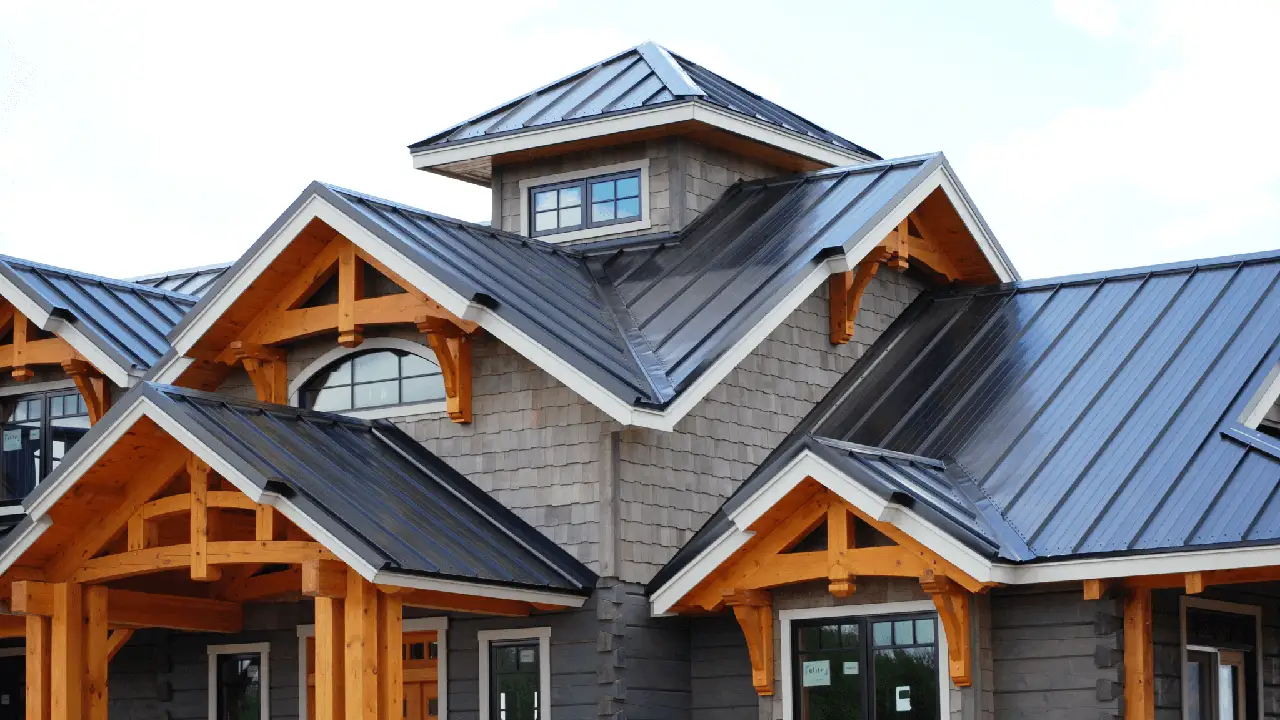
- Why it works: Metal's smooth surface allows snow to slide off more easily, reducing snow load. It's also very durable against freeze-thaw cycles. Standing seam metal roofs are particularly good as they minimize seams where water could penetrate.
- Use Cases: Barns, equipment storage, workshops. Snow guards can be added to control snow shedding.
- Product Example: Sheffield Metals SMI 2.0 Standing Seam Metal Roof System. Available in various gauges and finishes, designed for durability and weather resistance.
- Comparison: Excellent for snow shedding and longevity. Can be noisy during heavy rain or hail, but this is less of a concern in winter.
- Estimated Price: $3.00 - $7.00 per square foot for materials.
2. Asphalt Shingles (Heavy-Duty Architectural):
- Why it works: While not as good for snow shedding as metal, heavy-duty architectural shingles offer good impact resistance (from hail) and can be a more economical choice. They require proper underlayment and ventilation to prevent ice dams.
- Use Cases: Smaller agricultural buildings, farmhouses, or structures where aesthetics are also a consideration.
- Product Example: GAF Timberline HDZ Shingles. These are architectural laminated shingles known for their durability and wind resistance.
- Comparison: More affordable upfront than metal. Shorter lifespan than metal in harsh conditions.
- Estimated Price: $1.00 - $2.50 per square foot for materials.
3. Structural Insulated Panels (SIPs) with Integrated Roofing:
- Why it works: SIPs offer superior insulation and structural strength, making them excellent for cold climates. They can significantly reduce heating costs. The roofing material (often metal) is applied over the SIPs.
- Use Cases: Modern, energy-efficient barns, climate-controlled storage, or specialized livestock facilities.
- Product Example: Various manufacturers offer SIPs, such as Premier SIPs. The roofing material would be a separate layer.
- Comparison: Highest upfront cost but offers the best thermal performance. Installation can be faster due to pre-fabricated nature.
- Estimated Price: SIPs alone can range from $7.00 - $12.00 per square foot, not including the final roofing material.
Temperate Climates Versatile Roofing for Mixed Weather
These regions experience a balance of hot summers and cold winters, with moderate precipitation. The roofing needs here are more about versatility and durability against a range of conditions, without extreme specialization.
- Durability: Resistance to both heat and cold, as well as moderate wind and rain.
- Cost-Effectiveness: Often, a balance between performance and budget is sought.
Recommended Materials for Temperate Climates
1. Asphalt Shingles (Architectural):
- Why it works: A popular and cost-effective choice, offering good protection against varied weather. Architectural shingles provide better durability and aesthetic appeal than 3-tab shingles.
- Use Cases: General purpose barns, storage sheds, smaller agricultural buildings.
- Product Example: Owens Corning Duration Shingles. Known for their SureNail Technology for enhanced wind resistance.
- Comparison: Good all-around performance for the price. Shorter lifespan than metal or tile.
- Estimated Price: $1.00 - $2.00 per square foot for materials.
2. Metal Roofing (Corrugated or Standing Seam):
- Why it works: Excellent long-term value, durability, and resistance to fire, wind, and pests. Can be coated for energy efficiency in summer.
- Use Cases: Large barns, equipment sheds, and any building where longevity and low maintenance are priorities.
- Product Example: Fabral Grandrib 3 Plus Panels. A popular corrugated metal panel for agricultural use, offering good strength and weather resistance.
- Comparison: Higher upfront cost than shingles but superior lifespan and lower maintenance.
- Estimated Price: $2.50 - $5.00 per square foot for materials.
3. TPO or EPDM (for Low-Slope Roofs):
- Why it works: For agricultural buildings with low-slope or flat roofs (e.g., some modern storage facilities or processing plants), TPO (Thermoplastic Polyolefin) or EPDM (Ethylene Propylene Diene Monomer) membranes offer excellent waterproofing and durability. TPO can be reflective for heat management.
- Use Cases: Flat-roofed storage facilities, processing plants, or large commercial-style agricultural buildings.
- Product Example: Firestone Building Products TPO Roofing Systems. Known for their durability and energy efficiency.
- Comparison: Specialized for low-slope applications where other materials might fail. Requires professional installation.
- Estimated Price: $4.00 - $8.00 per square foot for materials and installation.
Arid and Desert Climates Roofing for Dry Hot Regions
In places like the American Southwest or parts of the Middle East, the challenges are intense UV radiation, extreme heat, and often strong winds, but very little rain. The roof needs to reflect heat, resist UV degradation, and be durable against wind-blown sand.
- UV Resistance: Materials must withstand constant sun exposure without degrading.
- Heat Reflection: Crucial for keeping interiors cool.
- Wind and Dust: Robust fastening and materials that resist abrasion from sand.
Recommended Materials for Arid Desert Climates
1. Metal Roofing (Light-Colored or Coated):
- Why it works: Metal, especially with light-colored or 'cool roof' coatings, is excellent at reflecting solar radiation. It's highly durable against UV and wind.
- Use Cases: All types of agricultural buildings, especially those housing livestock or requiring temperature control.
- Product Example: BHP Steel Colorbond Coolmax Steel. Specifically designed for high solar reflectivity.
- Comparison: Superior to most other materials for heat reflection and UV resistance.
- Estimated Price: $3.50 - $7.00 per square foot for materials.
2. Clay or Concrete Tiles:
- Why it works: These materials offer excellent thermal mass, which can help regulate indoor temperatures by slowly absorbing and releasing heat. They are also very durable against UV and wind.
- Use Cases: Farmhouses, some storage buildings where a more traditional aesthetic is desired, or where thermal mass is beneficial.
- Product Example: Boral Roofing Clay or Concrete Tiles. Available in various profiles and colors.
- Comparison: Very heavy, requiring substantial structural support. High upfront cost but extremely long lifespan.
- Estimated Price: $4.00 - $10.00 per square foot for materials.
3. White TPO (for Low-Slope Roofs):
- Why it works: White TPO membranes are highly reflective, making them an excellent choice for flat or low-slope roofs in hot, arid environments. They are also durable and resistant to UV.
- Use Cases: Large, modern agricultural facilities with low-slope roofs, such as processing plants or climate-controlled storage.
- Product Example: Carlisle SynTec Systems Sure-Weld TPO. Known for its heat-welded seams and reflectivity.
- Comparison: Best for flat roofs where reflectivity is a top priority.
- Estimated Price: $4.00 - $8.00 per square foot for materials and installation.
Key Considerations for All Agricultural Roofing Projects
No matter your climate, a few universal factors should always be on your radar when planning an agricultural roofing project.
Ventilation and Insulation Optimizing Airflow and Temperature
These two go hand-in-hand. Proper ventilation removes heat and moisture, preventing condensation, mold, and heat stress in animals. Insulation helps maintain stable indoor temperatures, reducing energy costs for heating or cooling. For agricultural buildings, this often means ridge vents, soffit vents, or even powered exhaust fans, especially in livestock facilities where ammonia and moisture buildup can be significant.
Structural Integrity Ensuring Long-Term Stability
Agricultural buildings often have large, open spans. The roof structure must be robust enough to support the chosen roofing material, potential snow loads, and withstand high winds. Always consult with a structural engineer if you're unsure, especially for new constructions or major renovations.
Corrosion Resistance Protecting Against Harsh Environments
In livestock buildings, ammonia fumes can be highly corrosive to certain metals. In coastal areas, salt spray is a concern. Choose materials and fasteners specifically designed to resist corrosion in your particular environment. Galvanized or Galvalume steel, or even aluminum, are often preferred over untreated steel.
Fire Resistance Safety First for Your Farm
Fires on farms can be devastating. Selecting fire-resistant roofing materials (like metal, fiber cement, or Class A rated shingles) can provide crucial protection for your buildings, equipment, and animals.
Maintenance and Longevity Maximizing Your Investment
Agricultural roofs are often large and can be difficult to access. Choosing materials with a long lifespan and low maintenance requirements will save you time and money in the long run. Metal roofs, for example, often come with warranties of 30-50 years or more.
Cost vs Value Balancing Budget and Performance
While upfront cost is always a factor, consider the total lifecycle cost. A cheaper material might need replacement sooner or require more maintenance, ultimately costing you more over time. Factor in energy savings from better insulation or reflectivity, and the cost of potential damage from a less durable roof.
Specific Product Recommendations and Pricing Insights
Let's get a bit more specific with some product types and general pricing. Remember, prices are estimates and can vary wildly based on location, supplier, quantity, and current market conditions.
Corrugated Metal Panels The Workhorse of Farm Roofing
These are probably the most common agricultural roofing material. They are relatively inexpensive, easy to install, and durable.
- Brands: Fabral, McElroy Metal, Union Corrugating.
- Material: Typically 29-gauge or 26-gauge galvanized or Galvalume steel.
- Features: Available in various profiles (e.g., R-panel, PBR-panel, 5V Crimp), colors, and with different paint systems (e.g., SMP, Kynar 500 for better fade resistance).
- Use Cases: General barns, equipment sheds, livestock shelters.
- Estimated Material Cost: $1.50 - $3.50 per square foot.
Standing Seam Metal Roofing Premium Protection
Offers superior weather tightness due to concealed fasteners and raised seams. Excellent for all climates, especially those with heavy rain or snow.
- Brands: Englert, Sheffield Metals, Berridge Manufacturing.
- Material: 24-gauge or 26-gauge Galvalume steel or aluminum.
- Features: Mechanically seamed or snap-lock panels, often with Kynar 500 paint finishes.
- Use Cases: High-value agricultural buildings, climate-controlled storage, modern farmhouses.
- Estimated Material Cost: $3.00 - $7.00 per square foot.
Asphalt Shingles Economical and Versatile
While not always the first choice for large agricultural structures, architectural asphalt shingles are a viable option for smaller buildings or those needing a more residential look.
- Brands: GAF, Owens Corning, CertainTeed.
- Material: Fiberglass mat coated with asphalt and ceramic granules.
- Features: Available in many colors, Class A fire rating, good wind resistance with proper installation.
- Use Cases: Farmhouses, small sheds, workshops.
- Estimated Material Cost: $1.00 - $2.50 per square foot.
Fiber Cement Sheets Durable and Non-Corrosive
A good alternative to metal in some humid or corrosive environments, offering good fire resistance and sound dampening.
- Brands: James Hardie (though more known for siding, some manufacturers offer fiber cement roofing sheets, especially in Asia).
- Material: Cement, cellulose fibers, sand, and water.
- Features: Resistant to rot, pests, and fire. Can be painted.
- Use Cases: Livestock buildings, storage where noise or corrosion is a concern.
- Estimated Material Cost: $1.50 - $3.00 per square foot.
Polycarbonate Panels for Natural Light
When you need light, these are your go-to. They are lightweight and easy to install.
- Brands: Palram, Lexan, Suntuf.
- Material: Polycarbonate plastic.
- Features: UV protected, impact resistant, available in clear or tinted.
- Use Cases: Greenhouses, skylights in barns, covered animal runs.
- Estimated Material Cost: $1.00 - $3.00 per square foot.
Installation and Maintenance Tips for Agricultural Roofs
Even the best materials won't perform if not installed correctly or maintained poorly. Here are some quick tips:
- Professional Installation: For large or complex agricultural roofs, hiring experienced professionals is almost always worth the investment. They understand local building codes, wind uplift requirements, and proper fastening techniques.
- Proper Fasteners: Use high-quality, corrosion-resistant fasteners (e.g., galvanized or stainless steel screws with neoprene washers) appropriate for your chosen material and climate.
- Underlayment: Don't skimp on underlayment. It provides an extra layer of protection against moisture, especially crucial in heavy rain or snow areas.
- Ventilation: Ensure adequate intake and exhaust ventilation to prevent heat and moisture buildup.
- Regular Inspections: Periodically inspect your roof for loose fasteners, damaged panels, clogged gutters, or signs of leaks. Catching small issues early can prevent major problems.
- Cleaning: Keep your roof free of debris, leaves, and branches, which can trap moisture and accelerate degradation.
Choosing the right roof for your agricultural building is a big decision, but by considering your specific climate, the function of the building, and the long-term value of different materials, you can make an informed choice that protects your farm for decades to come. Happy farming!
:max_bytes(150000):strip_icc()/277019-baked-pork-chops-with-cream-of-mushroom-soup-DDMFS-beauty-4x3-BG-7505-5762b731cf30447d9cbbbbbf387beafa.jpg)