Understanding Roofing Quotes What to Compare
Learn how to effectively compare roofing quotes to ensure you're getting the best value and service for your investment.
Understanding Roofing Quotes What to Compare
Learn how to effectively compare roofing quotes to ensure you're getting the best value and service for your investment.
Alright, so you've decided it's time for a new roof, or maybe you're just looking at some serious repairs. That's a big step, and probably one of the most significant investments you'll make in your home. The next logical move is to start getting quotes from different roofing contractors. But here's where it can get a little tricky. You might find yourself staring at three or four different proposals, all with varying prices, materials, and scopes of work. It's not just about picking the cheapest one; that can often lead to headaches down the road. This guide is all about helping you understand what to look for, what questions to ask, and how to compare those roofing quotes effectively so you can make an informed decision and get the best bang for your buck.
Why Comparing Roofing Quotes is Crucial for Homeowners
Think of it like this: you wouldn't buy a car without test driving a few, right? Or pick a restaurant just based on the price of its cheapest dish. Your roof is even more important. It protects your entire home, your family, and all your belongings from the elements. A poorly installed or low-quality roof can lead to leaks, structural damage, and even health issues from mold. That's why getting multiple quotes and knowing how to compare them is absolutely essential. It's not just about saving money; it's about ensuring quality, durability, and peace of mind. Different contractors might use different materials, have varying levels of experience, or offer distinct warranties. Understanding these differences will empower you to choose a contractor who aligns with your expectations and budget.
Key Elements to Look for in Every Roofing Quote
When you get a roofing quote, it shouldn't just be a single number. A professional and transparent quote will break down the costs and scope of work in detail. Here are the critical elements you should expect to see and scrutinize:
Detailed Scope of Work What is Included and Excluded
This is perhaps the most important section. It should clearly outline everything the contractor plans to do. Does it include tearing off the old roof? How many layers? What about disposal of debris? Is new decking included if needed? What about flashing, ventilation, and gutters? Make sure it's specific. For example, instead of just saying 'install new shingles,' it should specify the type, brand, and color of shingles. If something isn't explicitly mentioned, assume it's not included, and ask for clarification.
Material Specifications Brand Type and Quality
The type and quality of materials used will significantly impact the longevity and performance of your roof. Don't just accept 'asphalt shingles.' Ask for the specific brand (e.g., GAF Timberline HDZ, Owens Corning Duration, CertainTeed Landmark Pro), the product line, and the warranty associated with those materials. Are they using standard 3-tab shingles, architectural shingles, or something else? What about underlayment, drip edge, and flashing materials? Are they using synthetic underlayment or traditional felt? These details matter.
Popular Roofing Material Brands and Their Offerings
- GAF: A leading manufacturer, GAF offers a wide range of asphalt shingles. Their Timberline HDZ shingles are very popular, known for their aesthetic appeal and strong warranty. They also have advanced systems like the GAF Lifetime Roofing System, which includes various components designed to work together for optimal performance.
- Owens Corning: Another industry giant, Owens Corning is well-regarded for its Duration series shingles, which feature SureNail Technology for enhanced grip and wind resistance. They also offer a comprehensive roofing system.
- CertainTeed: Known for quality and innovation, CertainTeed's Landmark Pro shingles are a favorite among homeowners for their durability and wide color selection. They also have specialized products for different climates and aesthetic preferences.
- Tamko: Tamko offers a variety of shingle options, including their Heritage series, which provides a classic wood-shake look with the durability of asphalt.
- IKO: IKO produces a broad range of residential and commercial roofing products, with their Cambridge architectural shingles being a popular choice for their dimensional look and performance.
When comparing these, look at the specific product lines. For instance, GAF's Timberline HDZ might be comparable to Owens Corning's Duration or CertainTeed's Landmark Pro. Each brand will have different tiers of quality and associated warranties. Don't hesitate to ask your contractor why they recommend a particular brand or product.
Labor Costs and Installation Practices
The cost of labor can vary significantly based on the contractor's experience, crew size, and efficiency. A good quote will itemize labor or at least provide a clear explanation of how it's factored into the total price. More importantly, ask about their installation practices. Do they follow manufacturer specifications? Are their installers certified by the material manufacturers? This can impact your warranty. For example, some manufacturers offer enhanced warranties if their certified installers install their full roofing system.
Warranty Information Material and Workmanship
There are typically two types of warranties: material warranties (from the manufacturer) and workmanship warranties (from the contractor). A good quote will clearly state both. Material warranties can range from 20 years to lifetime, but read the fine print – what does 'lifetime' really mean? Workmanship warranties usually cover issues arising from improper installation and can range from 1 to 10 years, or sometimes more. A longer workmanship warranty often indicates a contractor's confidence in their work. Ask about transferability if you plan to sell your home.
Payment Schedule and Terms
A reputable contractor will usually require a deposit upfront, but it shouldn't be an exorbitant amount (e.g., 50% or more). The remaining balance is typically due upon satisfactory completion of the work. Be wary of contractors who demand full payment upfront. The payment schedule should be clearly outlined in the quote, along with accepted payment methods.
Proof of Insurance and Licensing
This is non-negotiable. Any legitimate roofing contractor should be fully licensed and insured. The quote should ideally include their license number, and they should be able to provide proof of liability insurance and workers' compensation insurance. This protects you from financial responsibility if an accident occurs on your property or if a worker gets injured. Never work with an uninsured contractor.
Red Flags to Watch Out for in Roofing Quotes
While you're comparing quotes, keep an eye out for these warning signs:
Unusually Low Bids Too Good to Be True
If one quote is significantly lower than all the others, it's a major red flag. It could indicate that the contractor is cutting corners on materials, labor, insurance, or simply doesn't understand the full scope of the project. While saving money is good, a roof is not an area where you want to compromise on quality.
Lack of Detail Vague or Incomplete Information
A quote that's just a single line item or lacks specific details about materials, labor, and scope of work is a sign of unprofessionalism. How can you compare if you don't know what you're comparing?
High Pressure Sales Tactics and Immediate Decisions
Reputable contractors understand that a roof replacement is a big decision and will give you time to review their proposal. Be wary of anyone who pressures you to sign immediately, offers steep 'today only' discounts, or tries to rush you into a decision.
No Proof of Insurance or Licensing
As mentioned, this is a deal-breaker. If a contractor can't or won't provide proof of current licensing and insurance, walk away immediately.
Cash Only Payments
While some smaller contractors might prefer cash, a reputable business will offer multiple payment options and provide proper invoices. A 'cash only' demand can be a sign of an unregistered business trying to avoid taxes, which also means they likely don't have insurance or proper licensing.
Asking the Right Questions to Your Roofing Contractors
Don't be afraid to ask questions! This is your home and your money. Here are some crucial questions to pose to each contractor:
Contractor Experience and References
- How long have you been in business?
- Can you provide references from recent customers?
- Do you have a portfolio of similar projects you've completed?
- Are you locally based, or are you a storm chaser? (Especially relevant after severe weather events)
Installation Process and Timeline
- What is your estimated timeline for the project, from start to finish?
- How do you protect my landscaping and property during the installation?
- What is your cleanup process like?
- Who will be supervising the crew on-site?
- What happens if you encounter unexpected issues (e.g., rotten decking)? How are those handled and communicated?
Warranty Details and Coverage
- Can I see a copy of the manufacturer's warranty for the materials you propose?
- What specifically does your workmanship warranty cover, and for how long?
- Is the warranty transferable if I sell my home?
Insurance and Licensing Verification
- Can you provide current certificates of insurance for liability and workers' compensation?
- What is your state/local contractor license number?
Comparing Specific Product Recommendations and Their Value
Let's dive a bit deeper into comparing specific product recommendations, as this is where quotes can differ significantly in terms of long-term value. A contractor might recommend a specific shingle or roofing system, and it's important to understand why.
Asphalt Shingles Value and Performance Comparison
Asphalt shingles are the most common roofing material in the US and parts of Southeast Asia due to their affordability and versatility. However, there's a wide range within this category.
Entry-Level 3-Tab Shingles Cost-Effective but Shorter Lifespan
- Example Product: GAF Royal Sovereign, Owens Corning Supreme
- Description: These are the most basic and least expensive asphalt shingles. They are flat, single-layer, and have a distinct 3-tab pattern.
- Pros: Lowest upfront cost, relatively easy to install.
- Cons: Shorter lifespan (typically 20-25 years), lower wind resistance, less aesthetic appeal, prone to granule loss over time.
- Ideal Use: Budget-conscious projects, rental properties, or sheds where long-term durability isn't the primary concern.
- Approximate Cost (Materials only, per square): $70 - $100 USD
Architectural Laminate Shingles Durability and Aesthetic Appeal
- Example Product: GAF Timberline HDZ, Owens Corning Duration, CertainTeed Landmark Pro
- Description: These are multi-layered, thicker shingles designed to mimic the look of wood shakes or natural slate. They offer a more dimensional and aesthetically pleasing appearance.
- Pros: Much longer lifespan (30 years to lifetime), superior wind resistance, better curb appeal, often come with stronger warranties.
- Cons: Higher upfront cost than 3-tab.
- Ideal Use: Most residential homes where homeowners seek a balance of durability, performance, and aesthetics. This is the most popular choice for new roofs and replacements.
- Approximate Cost (Materials only, per square): $100 - $180 USD
Premium Designer Shingles Luxury and Enhanced Performance
- Example Product: GAF Grand Canyon, CertainTeed Carriage House
- Description: These are the thickest and heaviest asphalt shingles, designed to replicate the look of natural slate or cedar shakes with exceptional detail. They offer the highest level of performance and aesthetic.
- Pros: Exceptional durability, superior wind and impact resistance, premium aesthetic, often come with the best warranties.
- Cons: Highest cost among asphalt shingles.
- Ideal Use: High-end homes, custom builds, or homeowners prioritizing luxury aesthetics and maximum protection.
- Approximate Cost (Materials only, per square): $180 - $300+ USD
Understanding Roofing System Components Beyond Shingles
A truly comprehensive quote will detail more than just the shingles. A complete roofing system includes several layers, all working together. Ask about these components:
- Underlayment: Is it traditional felt paper or synthetic underlayment? Synthetic options (e.g., GAF FeltBuster, Owens Corning ProArmor) offer superior tear resistance, water protection, and often better breathability.
- Ice and Water Shield: This self-adhering membrane is crucial for preventing leaks in vulnerable areas like eaves, valleys, and around penetrations. Ensure it's included, especially in areas prone to ice dams or heavy rain.
- Starter Strips: These are installed along the eaves and rakes to provide a clean edge and protect against wind uplift.
- Flashing: Critical for sealing areas around chimneys, skylights, vents, and walls. Ensure the quote specifies new flashing, not just reusing old, potentially damaged flashing.
- Ventilation: Proper attic ventilation (intake and exhaust) is vital for extending the life of your roof, preventing moisture buildup, and improving energy efficiency. Ridge vents (e.g., GAF Cobra Ridge Vent, Owens Corning VentSure) are often preferred for their aesthetic and performance.
- Ridge Cap Shingles: These are specially designed shingles for the roof's peaks, providing a finished look and extra protection.
Many manufacturers offer 'system warranties' that cover all these components when installed together by a certified contractor. This can provide a much stronger and longer-lasting warranty than just a basic shingle warranty.
Navigating the Financing and Payment Aspects of Your Roofing Project
Once you've compared the technical aspects, it's time to look at the financial side. A good contractor will be transparent about payment terms and potentially offer financing options.
Typical Payment Structures for Roofing Projects
Most reputable contractors will follow a similar payment structure:
- Initial Deposit: Usually 10-30% of the total project cost. This covers initial material orders and secures your spot on their schedule.
- Progress Payments: For larger, multi-day projects, there might be a payment due at a certain milestone (e.g., after tear-off and underlayment installation). This is less common for standard residential roof replacements.
- Final Payment: The remaining balance is due upon satisfactory completion of the work. Always inspect the work before making the final payment.
Be wary of contractors asking for more than 50% upfront, or demanding full payment before any work has begun. This can be a sign of financial instability or a scam.
Financing Options for Your New Roof
If paying for a new roof out-of-pocket isn't feasible, many contractors partner with financing companies or you can explore other options:
- Contractor-Provided Financing: Many larger roofing companies offer financing plans through third-party lenders. These can include low-interest rates, deferred interest, or extended payment terms. Always read the fine print on these offers.
- Home Equity Loan or HELOC: If you have equity in your home, a home equity loan or line of credit (HELOC) can be a good option, often with lower interest rates than personal loans, as your home serves as collateral.
- Personal Loan: Banks and credit unions offer unsecured personal loans. These typically have higher interest rates than secured loans but don't require collateral.
- Credit Cards: While convenient, credit cards usually have the highest interest rates, so this should generally be a last resort unless you have a 0% APR introductory offer and are confident you can pay it off quickly.
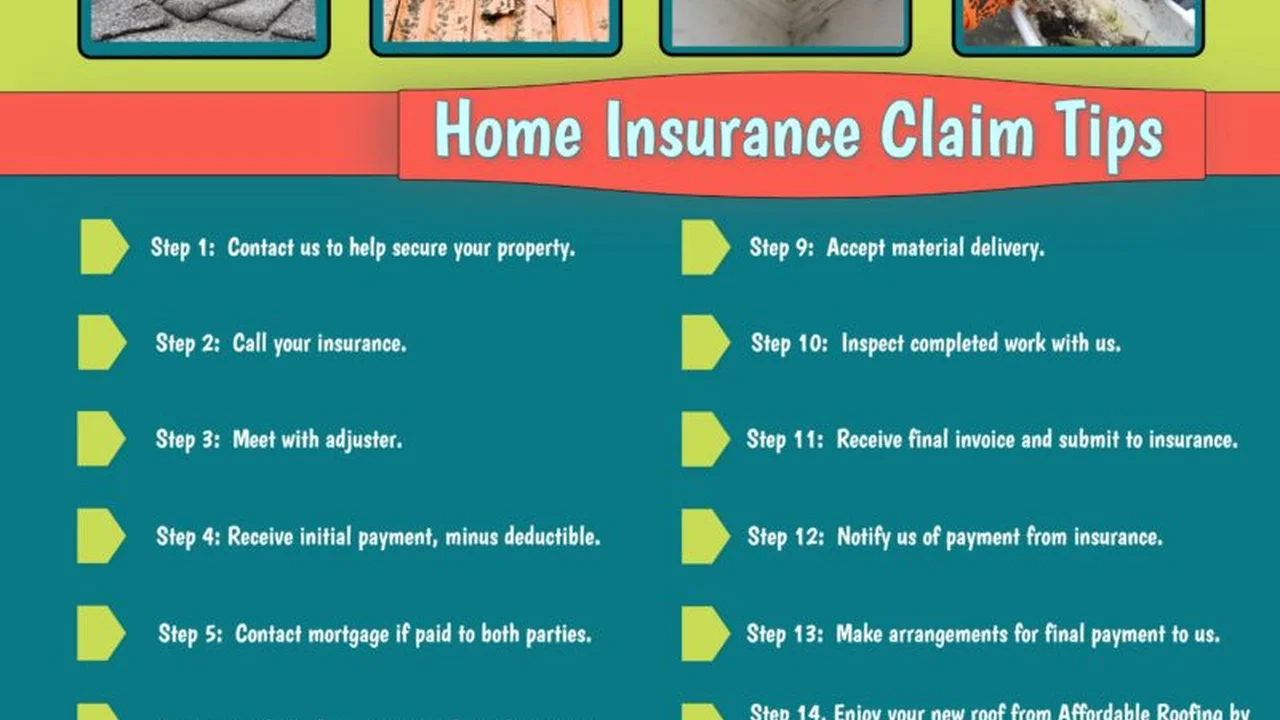
- Insurance Claims: If your roof damage is due to a covered event (e.g., storm damage), your homeowner's insurance might cover a significant portion of the cost. Ensure your contractor is experienced in working with insurance claims.
Final Steps Before Signing the Roofing Contract
You've compared quotes, asked questions, and feel good about a particular contractor. Before you sign on the dotted line, take these final steps:
Review the Contract Thoroughly
Ensure the written contract matches everything discussed and agreed upon in the quote. Check for:
- Exact materials, brands, and colors.
- Detailed scope of work.
- Start and estimated completion dates.
- Payment schedule.
- Warranty information (both material and workmanship).
- Proof of insurance and licensing numbers.
- A clause for handling unforeseen issues (e.g., rotten decking) and how additional costs will be approved.
Check References and Online Reviews
Call the references provided by the contractor. Ask about their experience, communication, adherence to budget and timeline, and satisfaction with the final product. Also, check online review sites like Google Reviews, Yelp, and the Better Business Bureau (BBB). Look for consistent patterns in reviews, both positive and negative.
Trust Your Gut Feeling
Beyond all the technical details, trust your intuition. Did the contractor communicate clearly? Were they professional and respectful? Do you feel confident in their ability to do a good job? A good working relationship with your contractor is invaluable.
By following these steps, you'll be well-equipped to compare roofing quotes effectively, choose a reputable contractor, and ensure your home gets the quality roof it deserves. It's a significant investment, so take your time, do your homework, and make a decision you'll be happy with for years to come.
:max_bytes(150000):strip_icc()/277019-baked-pork-chops-with-cream-of-mushroom-soup-DDMFS-beauty-4x3-BG-7505-5762b731cf30447d9cbbbbbf387beafa.jpg)