Roofing for Heavy Snowfall Areas
Learn about roofing systems designed to handle heavy snow loads and prevent ice dam formation in snowy regions.
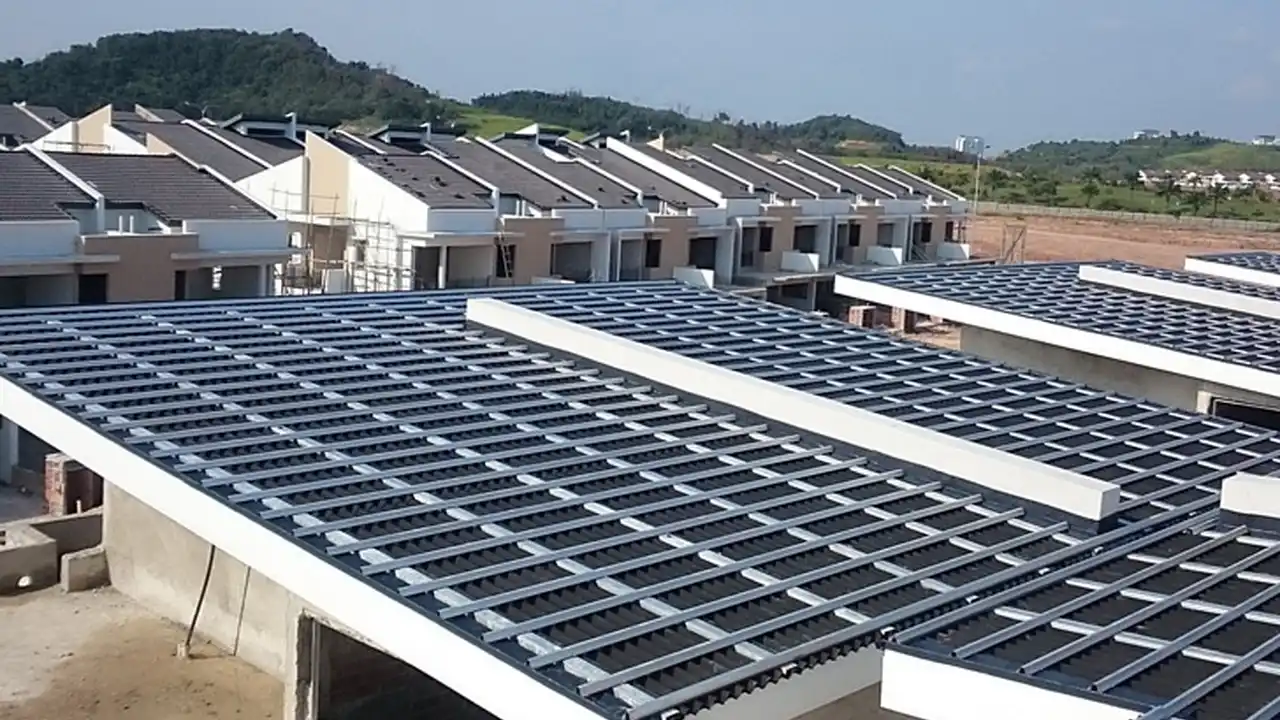
Learn about roofing systems designed to handle heavy snow loads and prevent ice dam formation in snowy regions. If you live in an area that gets dumped with a lot of snow every winter, you know the struggle is real. Your roof isn't just a pretty hat for your house; it's your first line of defense against those heavy, wet, and sometimes icy white blankets. Choosing the right roofing for heavy snowfall areas isn't just about aesthetics; it's about safety, durability, and avoiding costly repairs down the line. We're going to dive deep into what makes a roof snow-ready, what materials are best, and how to keep those pesky ice dams at bay. So, grab a warm drink, and let's talk about keeping your home cozy and protected all winter long.
Roofing for Heavy Snowfall Areas
Understanding Snow Loads and Your Roof's Structural Integrity
First things first, let's talk about snow loads. This isn't just a fancy term; it's super important. Snow isn't light. A cubic foot of fresh, light snow can weigh about 3 pounds, but wet, packed snow can easily hit 20 pounds per cubic foot. Imagine that spread across your entire roof! Your roof needs to be built to handle this weight without buckling or collapsing. Building codes in heavy snowfall regions have specific requirements for roof pitch, framing, and structural support to ensure they can withstand these loads. If you're building a new home or considering a major roof overhaul, always consult with a structural engineer or a reputable roofing contractor who understands local building codes and snow load requirements. They'll assess your roof's current capacity and recommend any necessary reinforcements. Ignoring snow load can lead to catastrophic failure, so this is not an area to cut corners.
Best Roofing Materials for Heavy Snowfall Durability and Performance
When it comes to materials, not all roofs are created equal, especially when facing heavy snow. You need something tough, durable, and designed to shed snow efficiently. Here are some of the top contenders:
Metal Roofing Systems for Snow Shedding and Longevity
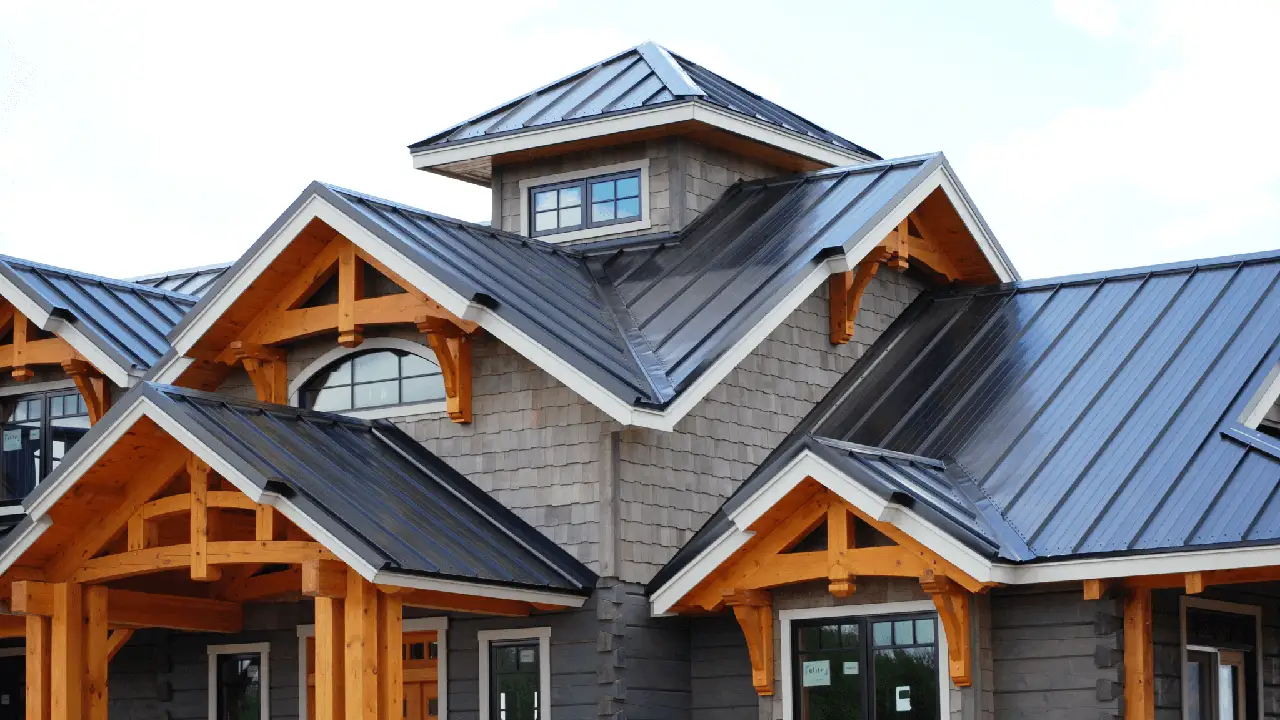
Metal roofs are often considered the king of snow country, and for good reason. Their smooth, slick surface allows snow to slide off easily, reducing the accumulation and the overall snow load on your structure. This natural shedding action also helps prevent ice dam formation. Metal roofs are incredibly durable, lasting 50 years or more, and are resistant to fire, rot, and insects. They come in various styles, including standing seam, corrugated, and metal shingles, so you don't have to sacrifice aesthetics for performance.
- Product Recommendation: Classic Metal Roofing Systems Oxford Shingle
- Use Case: Residential homes in areas with significant snowfall and a desire for a traditional shingle look with metal benefits.
- Comparison: Offers the aesthetic of traditional asphalt shingles but with superior durability, snow shedding, and energy efficiency. Available in a wide range of colors.
- Estimated Price: $10-$18 per square foot installed, depending on location and complexity.
- Product Recommendation: Fabral Standing Seam Metal Roofing
- Use Case: Modern homes or commercial buildings where a sleek, contemporary look is desired, along with maximum snow shedding.
- Comparison: Excellent for very steep pitches, minimal seams reduce leak points. Often more expensive upfront but offers exceptional longevity and performance.
- Estimated Price: $12-$25 per square foot installed, varying by panel profile and finish.
Asphalt Shingles Heavy Duty Options for Snow Resilience
While metal often gets the spotlight, high-quality asphalt shingles can also perform well in snowy conditions, especially architectural or laminate shingles. These are thicker and more durable than traditional 3-tab shingles. The key is proper installation, adequate attic ventilation, and a good underlayment. While they don't shed snow as easily as metal, their granular surface can actually help hold snow in place, preventing large, sudden avalanches that could be dangerous. However, this also means they retain more weight, so structural integrity is paramount.
- Product Recommendation: GAF Timberline HDZ Shingles
- Use Case: Homeowners looking for a cost-effective yet durable option with a wide range of color choices. Suitable for moderate to heavy snow areas with proper installation.
- Comparison: Known for their strength and wind resistance, these architectural shingles offer a good balance of performance and affordability compared to premium options.
- Estimated Price: $4-$8 per square foot installed.
- Product Recommendation: CertainTeed Landmark Pro Shingles
- Use Case: Homeowners seeking enhanced durability and a richer, more dimensional look. Excellent for areas where aesthetics and performance are equally important.
- Comparison: A step up in thickness and weight from standard architectural shingles, offering better impact resistance and a longer warranty.
- Estimated Price: $5-$9 per square foot installed.
Slate and Tile Roofing Natural Beauty and Extreme Durability
Slate and tile roofs (like clay or concrete) are incredibly heavy but also incredibly durable and long-lasting, often exceeding 100 years for slate. Their weight means your roof structure absolutely must be designed to support them. They are non-combustible and resistant to rot and insects. While they don't shed snow as readily as metal, their inherent strength allows them to withstand significant snow loads without damage. The smooth surface of some tiles can also aid in snow shedding, similar to metal, but their weight is a major consideration.
- Product Recommendation: Vermont Structural Slate Roofing
- Use Case: Luxury homes or historic properties where extreme longevity, natural beauty, and superior weather resistance are paramount.
- Comparison: Unmatched durability and aesthetic appeal. Very high upfront cost but virtually maintenance-free for decades. Requires significant structural reinforcement.
- Estimated Price: $15-$30+ per square foot installed, highly variable based on slate type and installation complexity.
Synthetic Roofing Materials Modern Solutions for Snow
Synthetic roofing materials, often made from recycled plastics and rubber, are gaining popularity. They can mimic the look of slate, wood shakes, or tile but are much lighter and often more durable. They are resistant to impact, rot, and insects, and many are designed to withstand extreme weather, including heavy snow and ice. Their lighter weight can be a significant advantage over natural slate or tile, reducing the need for extensive structural reinforcement.
- Product Recommendation: DaVinci Roofscapes Slate or Shake
- Use Case: Homeowners wanting the look of natural slate or wood shake without the weight, maintenance, or cost. Excellent for heavy snow and hail-prone areas.
- Comparison: Offers superior impact resistance and a Class A fire rating. Much lighter than natural slate, reducing structural requirements.
- Estimated Price: $10-$18 per square foot installed.
Preventing Ice Dams Critical Strategies for Winter Protection
Ice dams are the bane of snowy regions. They form when heat escapes from your attic, melts snow on the roof, and then that water refreezes at the colder eaves, creating a barrier. This dam traps water, which can then back up under your shingles and into your home, causing significant water damage. Preventing them is crucial.
Effective Attic Ventilation Key to Ice Dam Prevention
The number one defense against ice dams is proper attic ventilation. A well-ventilated attic stays cold, matching the outdoor temperature, which prevents snow from melting unevenly on your roof. This means a continuous flow of air from soffit vents (at the eaves) to ridge vents (at the peak). Make sure your insulation isn't blocking those soffit vents!
Superior Roof Insulation Reducing Heat Loss
Hand-in-hand with ventilation is insulation. A thick, well-installed layer of insulation in your attic acts as a barrier, keeping the heat inside your living space and out of your attic. This minimizes the heat transfer that causes snow to melt on the roof deck. Consider upgrading your attic insulation to R-values recommended for your climate zone.
Heated Cables and Edge Systems for Eave Protection
For persistent ice dam problems, or as an extra layer of protection, heated cables (also known as heat tape) can be installed along the eaves and in gutters. These systems gently warm the roof edge, creating channels for meltwater to drain away. While effective, they do consume electricity, so they're often considered a secondary solution after optimizing ventilation and insulation.
- Product Recommendation: EasyHeat AHB Series Automatic Self-Regulating Heating Cable
- Use Case: Targeted protection for eaves, gutters, and downspouts where ice dams frequently form.
- Comparison: Self-regulating cables adjust heat output based on temperature, saving energy. Easy to install for DIYers or professionals.
- Estimated Price: $50-$150 per 50-foot section, plus installation costs.
Snow Guards and Snow Retention Systems Safety First
Especially with metal roofs, snow can slide off in large, dangerous sheets. Snow guards or snow retention systems are small devices installed on the roof to hold snow in place, allowing it to melt gradually rather than avalanche. This protects people, landscaping, and anything else below the eaves.
- Product Recommendation: S-5! ColorGard Snow Retention System
- Use Case: Metal roofs where controlled snow release is critical for safety and property protection.
- Comparison: A robust, continuous rail system that matches roof color, offering superior snow retention compared to individual snow guards.
- Estimated Price: $5-$15 per linear foot installed, depending on roof type and system complexity.
Roof Pitch and Design Considerations for Snow Management
The slope of your roof, or its pitch, plays a huge role in how it handles snow. Steeper roofs naturally shed snow more easily than low-slope roofs. In heavy snowfall areas, a minimum pitch of 4:12 (meaning it rises 4 inches for every 12 inches of horizontal run) is often recommended, with steeper pitches being even better for snow shedding. However, very steep pitches might require snow guards to prevent dangerous avalanches.
Steep Pitched Roofs for Natural Snow Shedding
A steeper pitch means gravity does more of the work, pulling snow off your roof. This reduces the load and the chances of ice dam formation. It also means less manual snow removal, which is always a plus!
Low Slope Roofs and Flat Roofs Specialized Snow Solutions
If you have a low-slope or flat roof, snow management becomes more challenging. These roofs are more prone to snow accumulation and ice damming. You'll need robust waterproofing membranes (like TPO, EPDM, or PVC), excellent drainage systems, and potentially a plan for manual snow removal after heavy storms. Structural reinforcement is even more critical for these types of roofs in snowy climates.
Maintenance Tips for Snow-Prone Roofs Keeping Your Roof Healthy
Even the best roof needs a little love, especially in snowy regions. Regular maintenance can prevent small issues from becoming big, expensive problems.
Regular Gutter Cleaning Essential for Drainage
Clear gutters are non-negotiable. Clogged gutters prevent meltwater from draining away, contributing to ice dam formation. Clean them thoroughly in the fall before the snow starts, and consider gutter guards to keep debris out.
Professional Roof Inspections Before and After Winter
Get your roof inspected by a professional before winter sets in to catch any potential vulnerabilities. A post-winter inspection is also a good idea to check for any damage caused by heavy snow and ice.
Safe Snow Removal Techniques When Necessary
Sometimes, despite all precautions, you might need to remove snow from your roof, especially if it's a low-slope roof or if there's an unusually heavy snowfall. Always use a roof rake from the ground to avoid getting on the roof, which can be extremely dangerous. Never use sharp tools that could damage your roofing material. If the snow load is excessive or you're unsure, call a professional snow removal service.
Choosing the Right Roofing Contractor for Snowy Climates Expertise Matters
This is perhaps one of the most important decisions. You need a contractor who understands the unique challenges of roofing in heavy snowfall areas. Look for:
- Local Experience: They should be familiar with local building codes and common snow-related issues in your specific region.
- Proper Licensing and Insurance: Always verify these.
- References: Ask for references from previous clients in snowy areas.
- Warranty: A good contractor will offer a solid warranty on both materials and workmanship.
Investing in the right roofing system for heavy snowfall areas is an investment in your home's safety, longevity, and your peace of mind. By understanding snow loads, choosing appropriate materials, implementing ice dam prevention strategies, and maintaining your roof diligently, you can ensure your home stands strong against even the harshest winters. Don't wait until the first big snowstorm hits; plan ahead and protect your most valuable asset.
:max_bytes(150000):strip_icc()/277019-baked-pork-chops-with-cream-of-mushroom-soup-DDMFS-beauty-4x3-BG-7505-5762b731cf30447d9cbbbbbf387beafa.jpg)