Roofing for Historic Homes Climate Adaptation
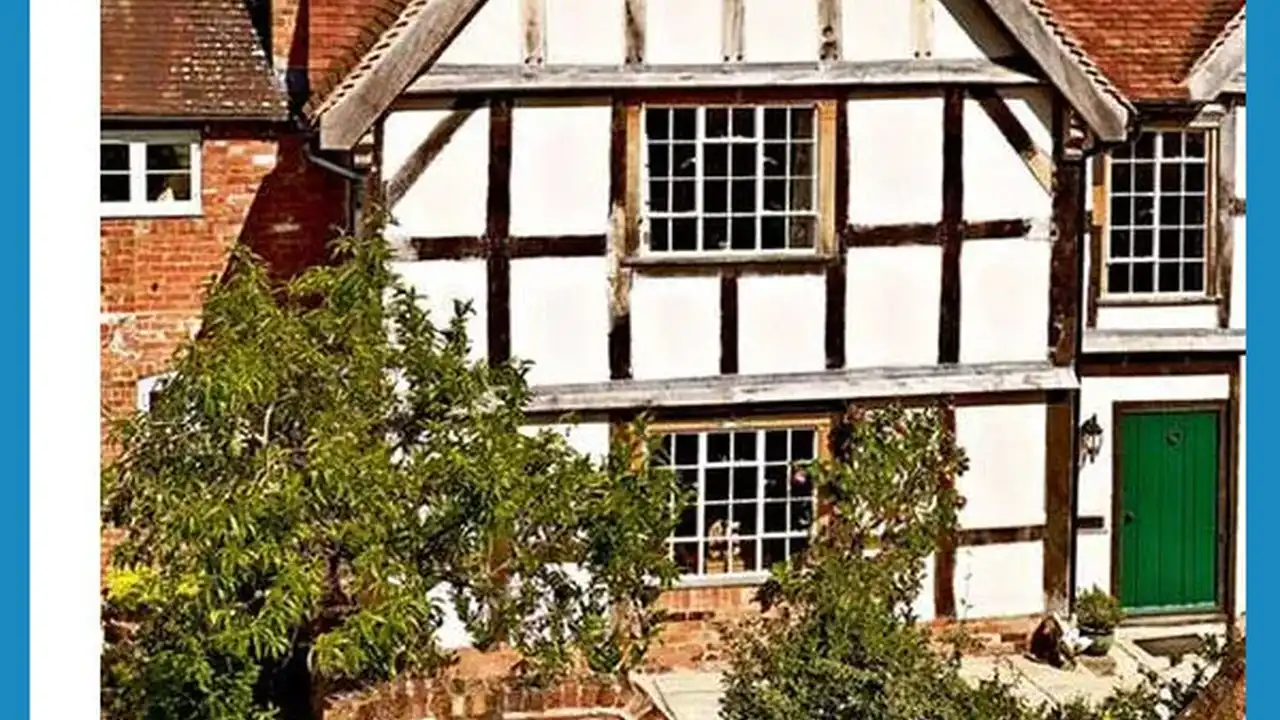
Balancing historical aesthetics with modern climate adaptation for roofing on historic properties.
Balancing historical aesthetics with modern climate adaptation for roofing on historic properties.
Roofing for Historic Homes Climate Adaptation
Preserving Heritage The Challenge of Historic Roofing
Historic homes, with their unique architectural styles and rich stories, are treasures that connect us to the past. However, maintaining these properties, especially their roofs, presents a unique set of challenges. The original roofing materials and construction methods, while beautiful and authentic, might not be equipped to handle the increasingly unpredictable and severe weather patterns brought about by climate change. From intense heat waves and prolonged droughts to torrential downpours, stronger winds, and even unexpected snowfall, historic roofs are under unprecedented stress. The core dilemma for homeowners and preservationists alike is how to adapt these venerable structures to modern climatic realities without compromising their historical integrity and aesthetic appeal. It's a delicate dance between preservation and practicality, tradition and innovation.
The goal isn't just to replace a roof; it's to restore it in a way that respects its original character while enhancing its resilience. This means understanding the historical context of the roof, the materials originally used, and the techniques employed by craftsmen of yesteryear. It also involves a deep dive into local preservation guidelines, which often dictate what materials and methods are permissible. Ignoring these guidelines can lead to costly mistakes, fines, and even the loss of historic designation. But beyond compliance, there's a moral imperative to ensure that these homes stand for generations to come, continuing to tell their stories.
Understanding Historic Roofing Materials and Their Vulnerabilities
Before we can adapt, we must first understand what we're working with. Historic roofs typically feature a range of materials, each with its own charm and, unfortunately, its own set of vulnerabilities when faced with modern climate challenges.
Slate Roofing Longevity and Fragility
Slate, often considered the king of roofing materials, is renowned for its incredible longevity, often lasting 100 years or more. Its natural beauty, fire resistance, and low maintenance requirements made it a popular choice for grand homes. However, slate is also brittle. Extreme temperature fluctuations can cause it to crack, and strong winds can dislodge individual tiles. The weight of slate also requires a robust roof structure, which might be compromised over time. When replacing slate, finding matching colors and textures can be difficult, and the cost of new, high-quality slate is substantial.
Wood Shakes and Shingles Rustic Charm and Fire Risk
Wood shakes and shingles offer a rustic, natural aesthetic that complements many historic architectural styles. They are relatively lightweight and provide good insulation. However, wood is highly susceptible to moisture damage, leading to rot, mold, and moss growth, especially in humid climates. It's also a significant fire hazard, a major concern in areas prone to wildfires. Intense UV radiation can cause wood to warp and split, reducing its lifespan. Regular maintenance, including cleaning and treatment, is essential but can be labor-intensive.
Clay and Terracotta Tiles Mediterranean and Spanish Influence
Clay and terracotta tiles are iconic for Mediterranean, Spanish Colonial, and some Mission Revival homes. They are durable, fire-resistant, and excellent at shedding water. Their thermal mass can also help regulate indoor temperatures. The main vulnerabilities include their weight, which necessitates strong framing, and their fragility. They can crack or break under impact (e.g., falling branches, hail) or from foot traffic during maintenance. In freezing climates, water absorption followed by freezing can cause spalling and cracking. Finding historically accurate replacement tiles can be challenging and expensive.
Copper and Metal Roofing Durability and Patina
While less common for entire roofs on historic homes, copper and other metals were often used for flashing, gutters, and decorative elements, and sometimes for standing seam roofs on specific architectural styles. Metal roofs are incredibly durable, fire-resistant, and can last for decades. Copper, in particular, develops a beautiful patina over time. However, metal can be prone to denting from hail, and improper installation can lead to leaks. Thermal expansion and contraction can also stress fasteners and seams. The cost of copper is high, and its theft can be an issue in some areas.
Asphalt Shingles A Later Addition and Shorter Lifespan
While not typically original to very old historic homes, asphalt shingles became popular in the early to mid-20th century. They are affordable and relatively easy to install. However, their lifespan is significantly shorter than slate or tile, typically 20-30 years. They are more susceptible to wind uplift, granule loss from UV exposure, and cracking in extreme temperatures. For historic homes where asphalt shingles were later additions, the challenge is often to upgrade to a more durable and aesthetically appropriate material.
Modern Climate Challenges and Their Impact on Historic Roofs
Climate change isn't just a future threat; it's impacting historic roofs right now. Understanding these specific challenges helps us tailor adaptation strategies.
Increased Precipitation and Intense Storms
Many regions are experiencing more frequent and intense rainfall events. Historic drainage systems, gutters, and flashing might not be able to handle the increased volume of water, leading to overflows, leaks, and water damage to the roof structure, walls, and interior. Stronger winds accompanying these storms can lift and tear off roofing materials, especially older, less securely fastened ones.
Extreme Heat and UV Radiation
Prolonged periods of extreme heat and increased UV radiation accelerate the degradation of many roofing materials. Asphalt shingles lose granules and become brittle, wood warps and splits, and even slate can become more prone to cracking. High attic temperatures can also stress the entire roof system and lead to higher energy bills.
Drought and Wildfire Risk
In many areas, extended droughts are leading to increased wildfire risk. Historic wood roofs are particularly vulnerable, but even other materials can be compromised by embers. Adapting to this means considering fire-resistant materials and defensible space strategies.
Temperature Fluctuations and Freeze-Thaw Cycles
More erratic weather patterns mean greater temperature swings. In regions with freezing temperatures, repeated freeze-thaw cycles can be devastating for porous materials like clay tiles and even some types of slate, causing them to spall and disintegrate.
Strategies for Climate Adaptation in Historic Roofing
Adapting historic roofs to climate change requires a multi-faceted approach that prioritizes preservation while integrating modern resilience.
1. Meticulous Assessment and Documentation
The first step is always a thorough assessment by a qualified historic roofing specialist. This involves documenting the existing materials, construction methods, and any signs of damage or deterioration. Photogrammetry and drone technology can be invaluable here, providing detailed visual records without disturbing the structure. Understanding the original design intent is crucial.
2. Repair Over Replacement Whenever Possible
Preservation guidelines almost universally advocate for repair over replacement. If only a portion of the roof is damaged, matching existing materials and techniques is paramount. This might involve sourcing salvaged materials or custom-fabricating replacements to ensure an exact match in appearance and performance. For slate roofs, individual broken slates can often be replaced. For wood roofs, damaged shakes can be carefully removed and new ones installed.
3. Material Upgrades with Historical Sensitivity
When replacement is unavoidable, or when existing materials are simply inadequate for current climate conditions, careful material upgrades are necessary. The key is to choose materials that mimic the appearance of the original while offering enhanced performance.
Synthetic Slate and Shake Options for Durability and Aesthetics
For homes originally roofed with natural slate or wood shakes, high-quality synthetic alternatives offer a compelling solution. Products like DaVinci Roofscapes and CeDUR are leaders in this field. DaVinci offers a range of synthetic slate and shake tiles made from virgin resins, UV and thermal stabilizers, and a highly durable polymer. They are engineered to resist impact, fire, and high winds, and come with a limited lifetime warranty. Their DaVinci Slate line, for example, replicates the authentic look and texture of natural slate, available in various thicknesses and colors, often with a Class A fire rating and Class 4 impact rating. Similarly, CeDUR Shakes are made from a proprietary polyurethane material, offering the look of heavy cedar shakes but with superior fire resistance (Class A), impact resistance (Class 4), and wind resistance (up to 115 mph). These products are significantly lighter than natural slate, reducing structural load, and require virtually no maintenance. While the upfront cost can be higher than asphalt, they are often more affordable than new natural slate and offer a much longer lifespan and lower maintenance costs. Expect prices for these premium synthetics to range from $10 to $20 per square foot installed, depending on complexity and region.
Fiber Cement Tiles for Clay Tile Aesthetics and Resilience
For homes with clay or terracotta tiles, fiber cement tiles can offer a more resilient alternative. Brands like CertainTeed's Symphony Slate (though primarily slate-look, some styles can mimic flat tiles) or custom-fabricated fiber cement products can replicate the look of traditional tiles while being lighter, less brittle, and more resistant to freeze-thaw cycles. They also often come with better fire ratings. The challenge here is finding a product that perfectly matches the unique profiles and colors of historic clay tiles. Custom manufacturing might be necessary, which can increase costs. Installed prices could range from $8 to $15 per square foot.
Cool Roof Coatings for Energy Efficiency and Heat Reflection
For any historic roof, especially in hot climates, applying a cool roof coating can significantly reduce heat absorption without altering the roof's appearance. These coatings, often acrylic or silicone-based, are highly reflective and emissive, meaning they reflect sunlight and release absorbed heat efficiently. Products like GAF EverGuard Extreme TPO (for flat roofs, but some reflective coatings can be applied to sloped roofs) or specialized reflective paints from companies like Sherwin-Williams or PPG can be applied over existing materials (if compatible and approved by preservation authorities). They can lower roof surface temperatures by 50-60 degrees Fahrenheit, leading to substantial energy savings. The key is to ensure the coating is transparent or matches the original color of the roof. Costs for cool roof coatings can range from $2 to $7 per square foot, depending on the product and application complexity.
4. Enhancing Underlayment and Ventilation
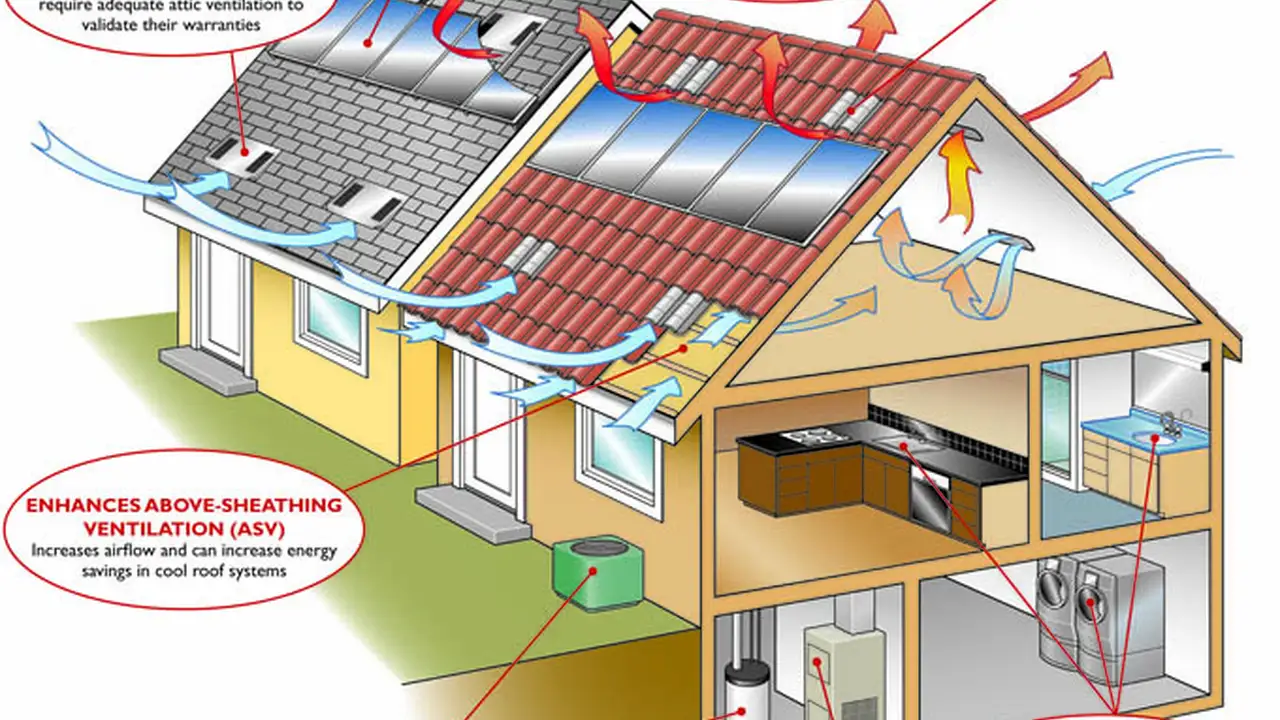
Beneath the visible roofing material, modern advancements in underlayment and ventilation can dramatically improve a historic roof's performance. High-performance synthetic underlayments, such as Titanium UDL or RoofRunner, offer superior water resistance, tear strength, and UV stability compared to traditional felt. They act as a secondary barrier against water intrusion. Proper attic ventilation, often overlooked in older homes, is crucial for preventing moisture buildup, reducing heat in summer, and preventing ice dams in winter. This might involve adding discreet ridge vents, soffit vents, or even powered attic fans, carefully integrated to be invisible from the ground.
5. Upgrading Flashing and Drainage Systems
Flashing, the metal strips that prevent water intrusion at roof penetrations and junctions, is often a weak point in older roofs. Replacing old, corroded, or improperly installed flashing with modern, durable materials like copper, lead-coated copper, or stainless steel, installed using contemporary best practices, is essential. Similarly, historic gutters and downspouts might need to be upgraded or supplemented to handle increased rainfall volumes. Seamless gutters, larger downspouts, or even hidden gutter systems can be considered, always with an eye towards maintaining the historic aesthetic.
6. Structural Reinforcement
In some cases, the original roof structure might not be able to support the weight of new, heavier materials or withstand increased wind loads. A structural engineer should assess the existing framing and recommend any necessary reinforcements. This could involve adding new rafters, strengthening existing trusses, or improving connections, all done in a way that respects the original construction.
7. Fire Resistance Measures
For historic homes in wildfire-prone areas, enhancing fire resistance is critical. This includes choosing Class A fire-rated roofing materials (like synthetic slate/shake, metal, or fiber cement), ensuring proper attic ventilation to prevent ember intrusion, and maintaining a defensible space around the home by clearing vegetation. Even for wood roofs, fire-retardant treatments can be considered, though their effectiveness and longevity vary.
Case Studies and Product Comparisons
Let's look at some specific scenarios and how different products might compare.
Scenario 1 Historic Victorian Home with Original Slate Roof in a Region with Increasing Hail and Wind
Original Material: Natural Slate (e.g., Vermont Black Slate)
Climate Challenge: More frequent and severe hail storms, higher wind speeds.
Preservation Goal: Maintain the authentic look of slate while improving impact and wind resistance.
Option A: Repair with Salvaged or New Natural Slate
- Pros: 100% historically accurate, maintains original material integrity.
- Cons: Very expensive (new slate can be $15-$30+ per square foot for material alone), difficult to find exact matches, still vulnerable to hail and wind damage, heavy.
- Cost: High, often $25-$50+ per square foot installed for full replacement.
Option B: Replace with DaVinci Roofscapes Multi-Width Slate
- Pros: Class A fire rating, Class 4 impact rating (resists hail up to 2 inches), wind resistance up to 110 mph, lightweight, available in multiple colors and widths to mimic natural slate, limited lifetime warranty, low maintenance.
- Cons: Not natural slate, higher upfront cost than asphalt, requires specialized installers.
- Cost: Moderate to High, typically $12-$20 per square foot installed.
Option C: Replace with EcoStar Majestic Slate
- Pros: Made from recycled rubber and plastic, Class A fire rating, Class 4 impact rating, excellent wind resistance, available in various colors and thicknesses, environmentally friendly.
- Cons: Similar to DaVinci, not natural slate, specific aesthetic might not suit all historic styles.
- Cost: Moderate to High, similar to DaVinci, $12-$20 per square foot installed.
Scenario 2 1920s Craftsman Bungalow with Wood Shakes in a Wildfire-Prone, Humid Climate
Original Material: Cedar Shakes
Climate Challenge: High wildfire risk, increased humidity leading to rot and moss.
Preservation Goal: Replicate the wood shake look with superior fire resistance and moisture durability.
Option A: Replace with New Cedar Shakes (Treated)
- Pros: Authentic wood look.
- Cons: Even treated shakes still have a higher fire risk than synthetics, ongoing maintenance for rot/moss, shorter lifespan than synthetics, can be expensive.
- Cost: Moderate, $8-$15 per square foot installed.
Option B: Replace with CeDUR Shakes
- Pros: Class A fire rating, Class 4 impact rating, highly resistant to moisture, rot, and insects, lightweight, authentic wood grain and thickness, 50-year warranty.
- Cons: Not natural wood, higher upfront cost.
- Cost: Moderate to High, typically $10-$18 per square foot installed.
Option C: Replace with Brava Old World Shake
- Pros: Made from recycled polymers, Class A fire rating, Class 4 impact rating, highly durable, available in various colors and profiles to mimic aged wood.
- Cons: Similar to CeDUR, not natural wood.
- Cost: Moderate to High, similar to CeDUR, $10-$18 per square foot installed.
Scenario 3 Spanish Colonial Revival Home with Terracotta Tiles in a Region with Freeze-Thaw Cycles
Original Material: Terracotta Barrel Tiles
Climate Challenge: Increasing freeze-thaw cycles causing tile spalling and cracking.
Preservation Goal: Maintain the iconic barrel tile profile with improved freeze-thaw resistance.
Option A: Repair with New Terracotta Tiles (High-Quality)
- Pros: 100% authentic.
- Cons: Still susceptible to freeze-thaw if not specifically rated, heavy, brittle, expensive.
- Cost: High, $15-$30+ per square foot installed.
Option B: Replace with Brava Spanish Barrel Tile
- Pros: Made from recycled polymers, Class A fire rating, Class 4 impact rating, excellent freeze-thaw resistance, lightweight, authentic barrel profile and color options, 50-year warranty.
- Cons: Not natural clay, higher upfront cost.
- Cost: Moderate to High, typically $12-$20 per square foot installed.
Option C: Replace with Ludowici Clay Tiles (Specific Freeze-Thaw Rated)
- Pros: Natural clay, but specifically engineered for superior freeze-thaw resistance, wide range of profiles and colors, very long lifespan.
- Cons: Very heavy, still brittle, extremely expensive.
- Cost: Very High, often $30-$60+ per square foot installed.
Working with Preservation Boards and Local Regulations
Navigating the world of historic preservation can be complex. Most historic districts or properties listed on national registers have strict guidelines regarding exterior alterations, including roofing. Before undertaking any work, it's crucial to:
- Consult Local Preservation Authorities: Contact your local historic preservation commission or state historic preservation office (SHPO) early in the process. They can provide specific guidelines, review processes, and often offer valuable advice.
- Hire Experienced Professionals: Work with architects, contractors, and roofing specialists who have a proven track record with historic properties. They understand the nuances of preservation and can help navigate the approval process.
- Prepare Detailed Documentation: Be ready to submit detailed plans, material samples, photographs of existing conditions, and justifications for any proposed changes. The more thoroughly you document your project, the smoother the approval process will likely be.
- Emphasize Reversibility: Preservation boards often prefer interventions that are reversible, meaning they can be undone in the future without damaging the original fabric of the building.
- Highlight Benefits: When proposing modern materials, emphasize how they meet preservation goals (e.g., replicating appearance) while offering enhanced protection against climate change, thereby ensuring the long-term survival of the historic resource.
The Long-Term View Investing in Resilience
Adapting a historic roof for climate change is more than just a repair; it's a long-term investment in the property's future. While the upfront costs for historically sensitive, high-performance materials and specialized labor can be substantial, the benefits far outweigh them. A resilient roof protects the entire structure from water damage, reduces energy consumption, lowers maintenance costs over time, and most importantly, ensures that these irreplaceable historic homes can continue to stand proudly for generations to come, weathering whatever the future climate may bring. It's about honoring the past by safeguarding the future.
:max_bytes(150000):strip_icc()/277019-baked-pork-chops-with-cream-of-mushroom-soup-DDMFS-beauty-4x3-BG-7505-5762b731cf30447d9cbbbbbf387beafa.jpg)