Saving Money on Your Next Roof Project
Practical tips and strategies to save money on your upcoming roof repair or replacement project without sacrificing quality.

Practical tips and strategies to save money on your upcoming roof repair or replacement project without sacrificing quality.
Saving Money on Your Next Roof Project
Understanding Your Roofing Needs Before Spending
Alright, let's talk about saving some cash on your roof project. Whether you're looking at a minor repair or a full-blown replacement, nobody wants to overpay, right? The first and arguably most crucial step is to truly understand what your roof needs. Don't just jump into getting quotes for a full replacement if a repair might do the trick. A thorough inspection by a reputable professional can save you thousands. They can identify if it's just a few missing shingles, a localized leak, or if the entire system is truly at the end of its life. Sometimes, what looks like a big problem from the ground might be a relatively simple fix for an experienced roofer. For instance, a small leak might be due to faulty flashing around a chimney or vent, not a widespread issue with your shingles. Getting this initial assessment right is foundational to smart spending.
Comparing Roofing Materials for Cost Efficiency
The type of roofing material you choose is a massive factor in your overall cost. It's not just about the upfront price; it's also about longevity, maintenance, and energy efficiency. Let's break down some popular options and their cost implications, keeping both the US and Southeast Asian markets in mind.
Asphalt Shingles The Budget Friendly Choice
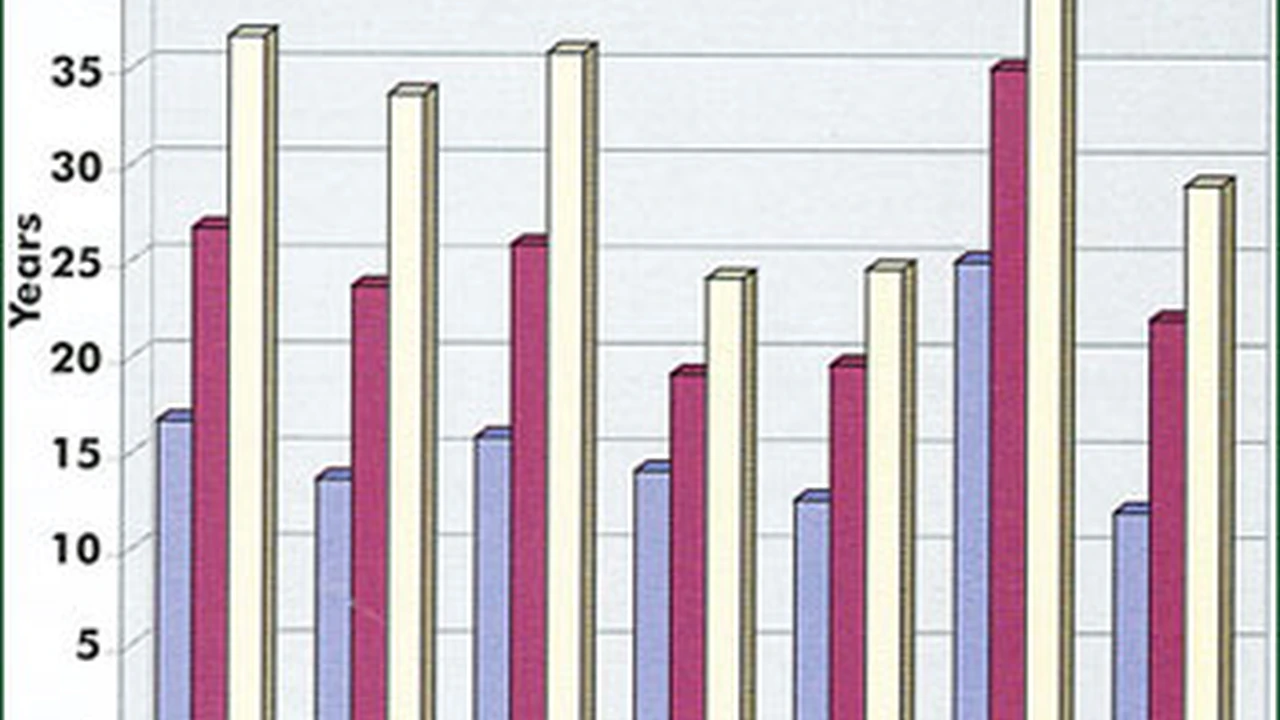
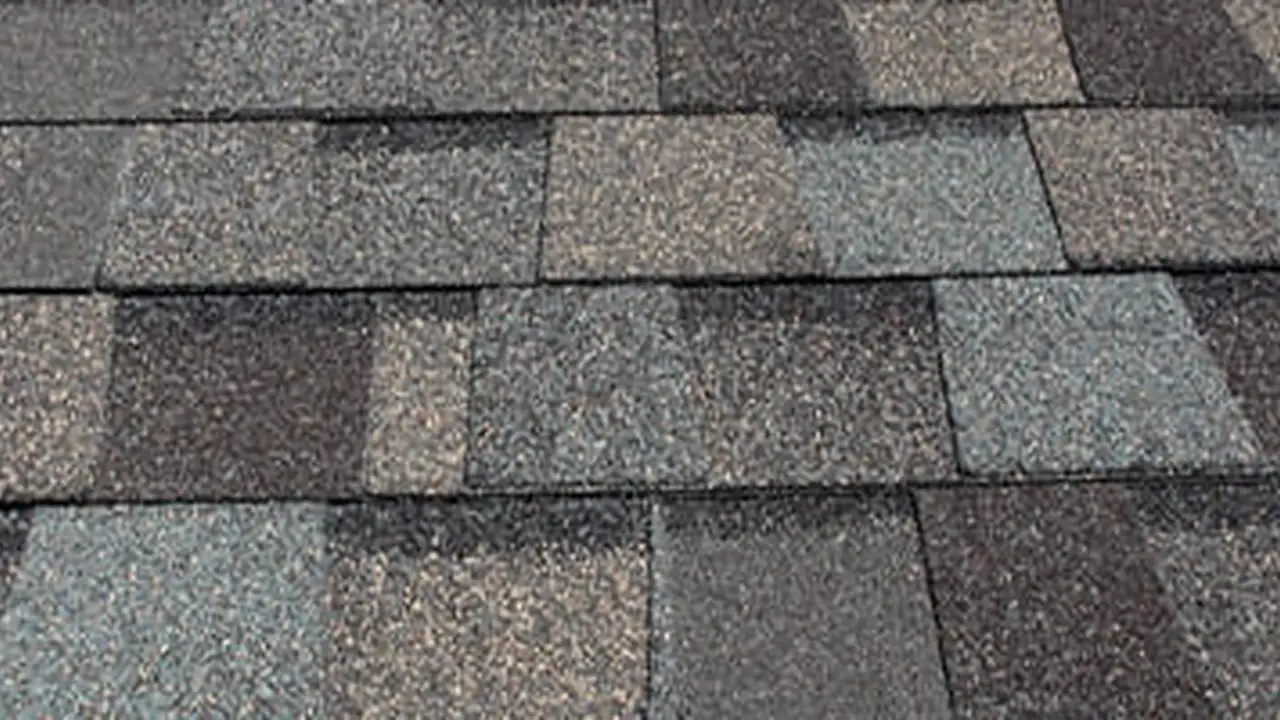
Asphalt shingles are the most common roofing material in the US, and for good reason. They're relatively inexpensive, easy to install, and come in a wide variety of colors and styles. In Southeast Asia, while other materials like clay tiles are traditional, asphalt shingles are gaining popularity due to their cost-effectiveness and ease of maintenance. You're typically looking at a cost range of $3.50 to $5.50 per square foot installed in the US. In Southeast Asia, depending on import costs and local labor, this could be slightly lower or comparable. They usually last 20-30 years. If you're on a tight budget but need a reliable roof, asphalt shingles are often your best bet. Brands like GAF, CertainTeed, and Owens Corning offer excellent value. For example, GAF Timberline HDZ shingles are a popular choice, offering good durability and a decent warranty without breaking the bank.
Metal Roofing Long Term Value and Durability
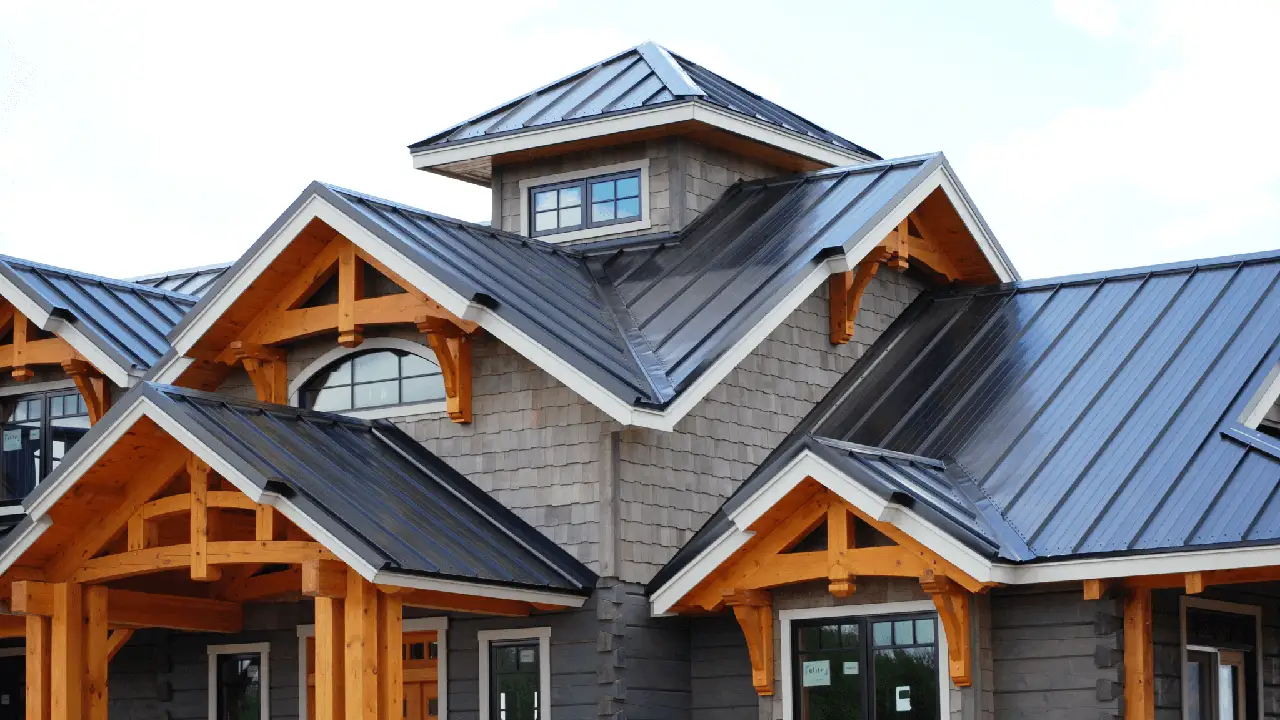
Metal roofs have a higher upfront cost, usually ranging from $8 to $15 per square foot installed, but they offer incredible longevity—often 50 years or more. They're also fantastic for energy efficiency, reflecting solar radiant heat, which is a huge plus in hot climates like many parts of Southeast Asia and the southern US. While the initial investment is higher, the long-term savings on energy bills and the reduced need for replacement can make them more cost-effective over the roof's lifespan. Standing seam metal roofs, like those from McElroy Metal or Sheffield Metals, are premium options, but even corrugated metal panels can offer significant benefits at a lower price point. For a homeowner planning to stay in their house for decades, metal roofing is a smart financial move.
Clay and Concrete Tiles Traditional and Durable Options
Especially prevalent in Southeast Asia and the Southwestern US, clay and concrete tiles offer excellent durability and a distinct aesthetic. They can withstand harsh weather conditions, including strong winds and heavy rain, making them ideal for tropical climates. The cost can vary widely, from $10 to $25 per square foot installed, depending on the type and complexity of the installation. While expensive, their lifespan can exceed 50-100 years. Brands like Boral Roofing (US) or local manufacturers in countries like Thailand or Vietnam offer a range of options. If you're in a region where these are traditional, local sourcing might make them more competitive.
Other Options and Their Cost Implications
- Wood Shakes/Shingles: Beautiful but higher maintenance and fire risk. Cost: $6 to $10 per square foot.
- Slate: The ultimate in luxury and longevity (100+ years), but very expensive and heavy. Cost: $15 to $40+ per square foot.
- Composite Shingles: Mimic natural materials but offer enhanced durability. Cost: $7 to $12 per square foot.
When comparing, always consider the total cost of ownership, not just the initial price tag. A cheaper material that needs replacement in 15 years might end up costing more than a more expensive one that lasts 50.
Getting Multiple Bids and Understanding Roofing Quotes
This is where many homeowners can save a significant amount of money. Never, ever settle for just one quote. Get at least three, ideally five, detailed bids from different reputable roofing contractors. But don't just look at the bottom line!
What to Look for in a Roofing Quote
- Detailed Material Breakdown: Does it specify the brand, type, and quantity of shingles, underlayment, flashing, and other components? For example, 'GAF Timberline HDZ shingles, 30-year warranty, with GAF Leak Barrier and Starter Strip.'
- Labor Costs: Is labor clearly separated?
- Scope of Work: Does it include tear-off of old roofing, disposal, deck inspection, ventilation, and cleanup?
- Warranty Information: Both material warranty (from the manufacturer) and labor warranty (from the contractor).
- Payment Schedule: What are the deposit requirements and payment milestones?
- Insurance and Licensing: Ensure they are properly licensed and insured. Ask for proof.
Don't be afraid to ask questions if something isn't clear. A good contractor will be happy to explain everything. Sometimes, a slightly higher bid might include better materials or a more comprehensive warranty, which could save you money in the long run.
Negotiating with Roofing Contractors for Better Deals
Once you have multiple bids, you're in a strong position to negotiate. Don't be shy! Here are some tips:
- Use Competing Bids: If Contractor A's bid is higher than Contractor B's for similar work and materials, you can go back to Contractor A and ask if they can match or beat the price.
- Ask for Discounts: Sometimes contractors offer discounts for cash payments, off-season work, or if they're looking to fill a gap in their schedule.
- Be Flexible with Scheduling: If you're not in a rush, letting the contractor schedule your project during a slower period might get you a better price.
- Clarify Everything: Make sure any negotiated changes are put in writing and added to the contract.
Remember, negotiation isn't about squeezing every last penny out of them; it's about getting a fair price for quality work. A good relationship with your contractor is valuable.
DIY Roof Repairs When It Makes Sense
For very minor issues, a DIY approach can save you money. Replacing a few missing shingles, cleaning gutters, or applying roof sealant to a small crack are tasks many homeowners can handle. You can buy a bundle of shingles for around $30-$50 and a tube of roof sealant for $10-$20. However, know your limits. If you're uncomfortable with heights, unsure about the cause of a leak, or if the damage is extensive, call a professional. A botched DIY repair can lead to more expensive problems down the line, including water damage to your home's interior and structural issues. Safety is paramount; falls from roofs are a serious risk.
Maximizing Your Roof's Lifespan Through Regular Maintenance
An ounce of prevention is worth a pound of cure, especially with your roof. Regular maintenance can significantly extend your roof's lifespan and prevent costly major repairs. This includes:
- Annual Inspections: Either do it yourself safely from the ground with binoculars or hire a professional. Look for missing or damaged shingles, cracked caulk, rust spots on flashing, and granule loss.
- Gutter Cleaning: Clogged gutters can cause water to back up under your shingles, leading to leaks and fascia damage. Clean them at least twice a year.
- Trim Overhanging Branches: Branches rubbing against your roof can wear down shingles, and falling branches can cause significant damage.
- Moss and Algae Removal: These can trap moisture and degrade roofing materials. Use appropriate cleaning solutions for your roof type.
- Ensure Proper Ventilation: Good attic ventilation prevents heat and moisture buildup, which can shorten your roof's life and increase energy bills.
By being proactive, you can catch small issues before they become expensive emergencies. For example, a simple gutter guard installation (costing around $5-$15 per linear foot) can save you from frequent gutter cleaning and potential water damage.
Exploring Financing Options and Insurance Claims
Sometimes, a roof project is unavoidable, and the cost is substantial. Knowing your financing options can help manage the expense.
Homeowner's Insurance for Storm Damage
If your roof damage is due to a sudden event like a storm, hail, or high winds, your homeowner's insurance might cover a significant portion of the cost. Document everything: take photos of the damage, contact your insurance company immediately, and get multiple quotes from contractors experienced in insurance claims. They can often help you navigate the process. Remember, your deductible will apply, but it's usually much less than the full cost of a new roof.
Home Equity Loans and Lines of Credit
For planned replacements or upgrades, a home equity loan (HEL) or home equity line of credit (HELOC) can be a good option. You're borrowing against the equity in your home, often at lower interest rates than personal loans. This is particularly useful if you're upgrading to a more expensive, durable, or energy-efficient material that will add value to your home.
Contractor Financing and Payment Plans
Many roofing companies offer their own financing options, sometimes with deferred interest or low monthly payments. While convenient, always compare these rates with other financing options to ensure you're getting a competitive deal. Some might offer a discount for paying in full upfront, which could be an option if you have savings.
Considering Energy Efficiency for Long Term Savings
While not directly saving money on the initial project cost, choosing energy-efficient roofing materials can lead to substantial savings on your utility bills over the life of the roof. This is especially true in hot climates.
Cool Roofs and Reflective Coatings
Cool roofs are designed to reflect more sunlight and absorb less heat than standard roofs. This can significantly reduce your home's cooling costs. Materials like light-colored asphalt shingles, metal roofs with special coatings, and reflective roof coatings (e.g., acrylic or silicone-based, costing around $0.50 to $2.00 per square foot for material) can make a big difference. In the US, some states and utility companies offer rebates or incentives for installing cool roofs. In Southeast Asia, where air conditioning use is high, the energy savings can be even more pronounced.
Proper Insulation and Ventilation
A new roof is a great time to assess and upgrade your attic insulation and ventilation. Even the best roofing material won't perform optimally if your attic is a heat trap. Improving insulation (e.g., adding blown-in fiberglass or cellulose, costing around $1.50 to $3.00 per square foot installed) and ensuring adequate attic ventilation (ridge vents, soffit vents) will keep your home cooler in summer and warmer in winter, leading to lower energy bills year-round.
Timing Your Roofing Project for Cost Savings
Believe it or not, the time of year you schedule your roofing project can impact the cost. Contractors are often busiest in late spring, summer, and early fall. Scheduling your project during the off-season, like late fall or early spring (weather permitting), might allow you to negotiate better rates as contractors are looking to keep their crews busy. However, be mindful of extreme weather conditions that could delay the project or compromise the installation quality.
Avoiding Common Roofing Scams and Overcharging
Unfortunately, the roofing industry can attract unscrupulous individuals. Be vigilant to avoid scams that can cost you dearly.
- Door-to-Door Solicitations: Be wary of roofers who show up uninvited, especially after a storm, claiming to have noticed damage.
- High-Pressure Sales Tactics: Don't fall for 'today only' deals or contractors who pressure you to sign immediately.
- Cash-Only Deals: While some contractors offer discounts for cash, be suspicious if they insist on cash only and refuse to provide a written contract or receipt.
- Unlicensed or Uninsured Contractors: Never hire someone who can't provide proof of current licensing and insurance. If they're not insured, you could be liable for injuries on your property.
- Vague Contracts: Ensure the contract is detailed, specifying materials, labor, timelines, and payment schedules.
Always check references, read online reviews, and verify credentials. A little due diligence can save you from a nightmare scenario.
The True Cost of a DIY Roof Installation Versus Professional
While we touched on minor DIY repairs, a full roof installation is a different beast. The 'true cost' of DIY often goes beyond just materials. You need to factor in:
- Tool Rental/Purchase: Nail guns, air compressors, safety harnesses, ladders, dumpsters, etc.
- Time: A professional crew can complete a roof in days; a DIYer might take weeks, impacting your personal time and potentially exposing your home to weather.
- Risk of Injury: Roofing is dangerous work. Falls are common and can be severe.
- Quality of Work: Improper installation can lead to leaks, voided warranties, and premature roof failure, costing more in the long run.
- Warranty Issues: Manufacturer warranties often require professional installation.
Unless you have extensive roofing experience, the savings from DIYing a full roof replacement are often outweighed by the risks and potential for costly mistakes. For most homeowners, hiring a professional is the safer and ultimately more cost-effective choice for a full replacement.
By implementing these practical tips and strategies, you can significantly reduce the financial burden of your next roof project without compromising on quality or durability. It's all about being informed, proactive, and smart with your choices.
:max_bytes(150000):strip_icc()/277019-baked-pork-chops-with-cream-of-mushroom-soup-DDMFS-beauty-4x3-BG-7505-5762b731cf30447d9cbbbbbf387beafa.jpg)