A guide to understanding typical roofing costs and material availability in key Southeast Asian markets.
A guide to understanding typical roofing costs and material availability in key Southeast Asian markets.
Roofing Costs in Southeast Asia A Regional Guide
Understanding the Southeast Asian Roofing Market Dynamics
Hey there, thinking about a roofing project in Southeast Asia? Whether you're building a new home, renovating an existing property, or managing a commercial development, understanding the local roofing costs and material availability is super important. This region is incredibly diverse, not just culturally but also in terms of climate, economic development, and construction practices. What works in Singapore might be totally different from what's common in Vietnam or the Philippines. So, let's dive into what you need to know to navigate the roofing landscape here.
Southeast Asia experiences a predominantly tropical climate, characterized by high temperatures, intense humidity, and significant rainfall, often accompanied by strong winds and even typhoons in certain areas. This climate directly influences the choice of roofing materials and installation techniques. Durability, heat reflection, and water resistance are paramount. Labor costs can vary wildly from country to country, impacting the overall project budget. Import duties, local taxes, and supply chain efficiencies also play a big role in the final price tag of materials.
Key Factors Influencing Roofing Costs Across Southeast Asia
So, what really drives the price of a new roof or a major repair in this part of the world? It's a mix of several things, and getting a handle on them will help you budget better.
Roofing Material Selection and Local Availability
This is probably the biggest factor. The type of material you choose will have a massive impact on your budget. Common options include:
* Corrugated Metal Sheets: Super popular due to their affordability, lightweight nature, and ease of installation. They're great for shedding water quickly, which is a big plus in heavy rain. However, they can be noisy during downpours and might require good insulation to prevent heat transfer.
* Clay or Concrete Tiles: These offer excellent durability, good insulation properties, and a classic aesthetic. They're heavier, though, requiring a stronger roof structure, and can be more expensive to transport and install. They're a common sight in many traditional and modern homes.
* Asphalt Shingles: While more common in Western markets, asphalt shingles are gaining traction in some Southeast Asian countries, especially for residential projects. They offer a good balance of cost, durability, and aesthetic variety. However, their lifespan can be shortened by intense UV exposure and high humidity if not specifically designed for tropical climates.
* Fiber Cement Boards: A versatile option that can mimic the look of wood, slate, or tiles. They're durable, fire-resistant, and relatively low maintenance. They're a good mid-range option in terms of cost and performance.
* Specialty Materials: Think about things like natural wood shingles (less common due to maintenance and fire risk), slate (very high-end), or even green roof systems. These are typically much more expensive and might have limited availability or require specialized installers.
Local availability is key. If a material has to be imported, expect higher costs due to shipping, duties, and taxes. For example, high-quality imported asphalt shingles might be significantly more expensive in Vietnam than locally produced metal sheets.
Labor Costs and Skilled Workforce Availability
Labor costs are a huge differentiator across Southeast Asia. Countries like Singapore and Malaysia generally have higher labor costs compared to, say, the Philippines, Indonesia, or Vietnam. The availability of skilled roofers also plays a role. In areas with a shortage of experienced professionals, labor costs can go up, or you might face quality issues if you opt for cheaper, less experienced crews. Always ask for references and check previous work!
Roof Size Complexity and Pitch
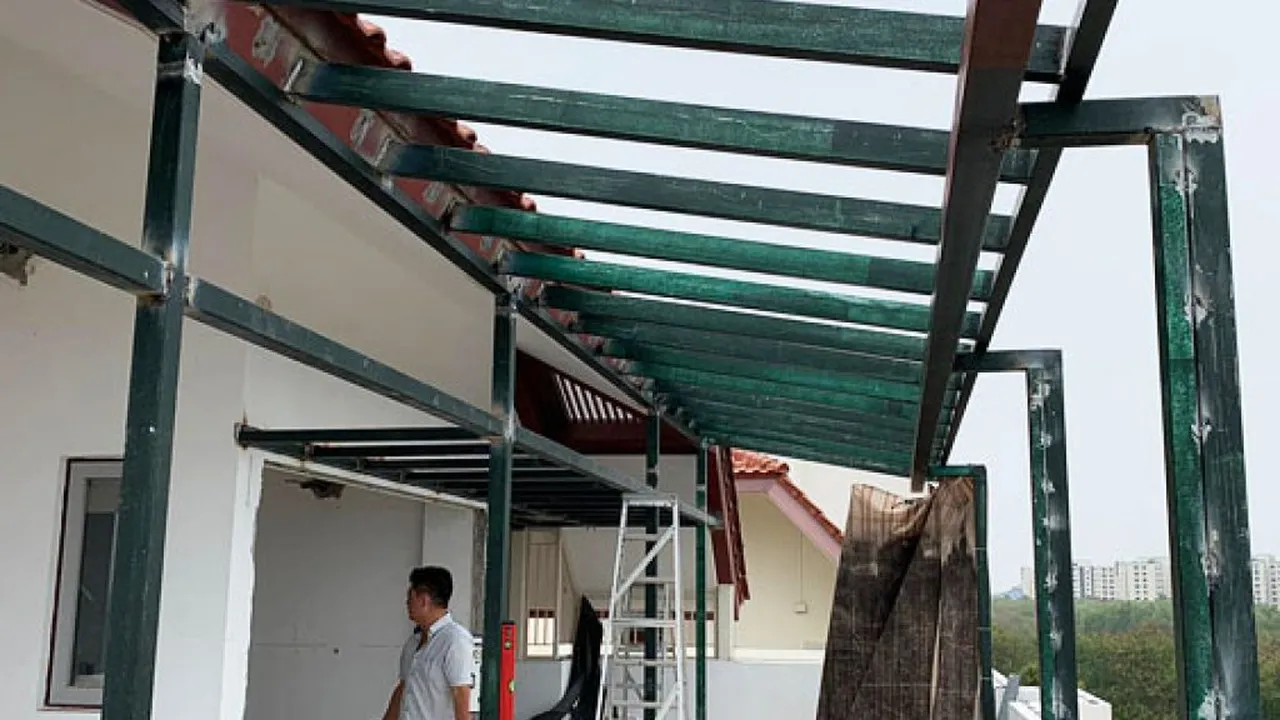
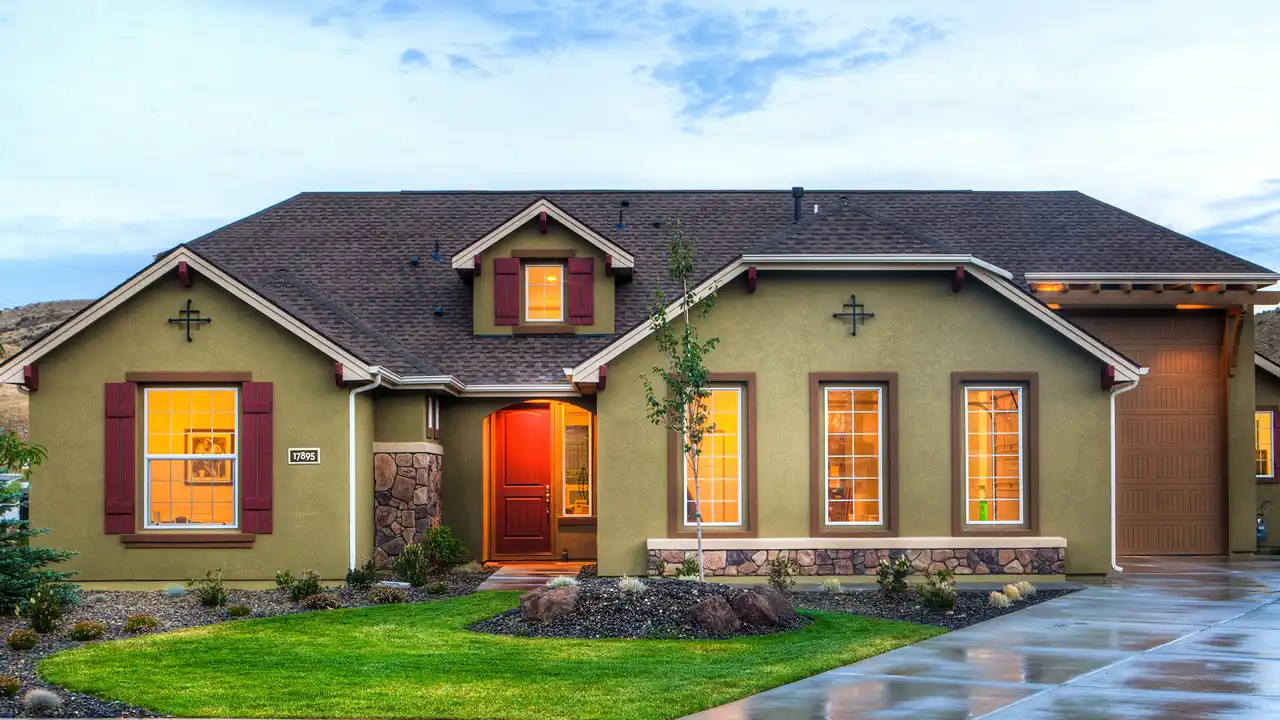
It's pretty straightforward: a larger roof means more materials and more labor, so higher costs. But complexity matters too. A simple gable roof will be cheaper to install than a multi-faceted roof with dormers, valleys, and hips. The pitch (slope) of the roof also affects cost. Steeper roofs require more safety measures and can be more challenging to work on, increasing labor time and potentially material waste.
Geographical Location and Accessibility
Where your property is located within a country can impact costs. Remote areas might incur higher transportation fees for materials and labor. Urban centers often have more competitive pricing due to a higher concentration of suppliers and contractors, but also potentially higher overheads for those businesses. Accessibility to the roof itself can also be a factor – if it's difficult to get materials up there, or if scaffolding is needed, expect additional costs.
Permits Regulations and Building Codes
Don't forget about the paperwork! Building permits and adherence to local building codes are essential. These can vary significantly by country and even by municipality. While the direct cost of permits might not be huge, non-compliance can lead to costly rework or fines. Some regions, especially those prone to typhoons or earthquakes, will have stricter requirements for roof construction, which can influence material choices and installation methods.
Country Specific Roofing Cost Overviews and Material Preferences
Let's break it down a bit by country, keeping in mind these are general observations and prices can fluctuate.
Singapore Roofing Costs and Premium Materials
Singapore is known for its high cost of living and construction. Roofing materials here tend to be of higher quality, often imported, and labor costs are among the highest in the region. You'll see a lot of concrete tiles, metal roofing (especially standing seam for a modern look), and increasingly, green roofs on commercial and residential buildings. Expect to pay a premium for both materials and skilled installation. For a standard residential roof, costs can range from SGD 15,000 to SGD 50,000+, depending heavily on material and complexity.
Malaysia Roofing Market and Diverse Options
Malaysia offers a more diverse range of options. Metal roofing (like BRC or Colorbond) and concrete tiles are very popular, offering good value and durability for the tropical climate. Asphalt shingles are also available, particularly for more upscale residential projects. Labor costs are moderate. A typical residential roof replacement might cost anywhere from MYR 10,000 to MYR 40,000. Local manufacturers provide competitive pricing for many materials.
Thailand Roofing Trends and Affordability
In Thailand, corrugated metal sheets and concrete tiles are dominant, especially for residential and commercial properties. There's a strong local manufacturing base for these materials, making them quite affordable. Labor costs are generally lower than in Singapore or Malaysia. Expect a residential roof project to range from THB 50,000 to THB 200,000, with significant variations based on material quality and project scope.
Philippines Roofing Challenges and Material Choices
The Philippines faces frequent typhoons, making durability and wind resistance critical. Corrugated galvanized iron (GI) sheets are extremely common due to their affordability and ease of installation, though they can be prone to rust if not properly maintained or coated. Concrete tiles are also popular for more robust construction. Labor costs are relatively low. A typical roof replacement might cost PHP 30,000 to PHP 150,000, but investing in higher-grade materials for typhoon resistance is often recommended.
Vietnam Roofing Solutions and Emerging Markets
Vietnam's roofing market is rapidly developing. Metal roofing and concrete tiles are widely used. There's a growing demand for more aesthetically pleasing and durable options, including imported asphalt shingles and higher-grade metal products. Labor costs are competitive. For a residential roof, expect costs to be in the range of VND 20,000,000 to VND 100,000,000, depending on the chosen materials and the scale of the project.
Indonesia Roofing Diversity and Local Production
Indonesia, with its vast archipelago, has a diverse roofing market. Clay tiles are very traditional and still widely used, offering good thermal properties. Metal roofing is also popular for its cost-effectiveness and speed of installation. Local production of many materials helps keep costs down. A residential roof project could range from IDR 15,000,000 to IDR 70,000,000.
Recommended Roofing Products for Southeast Asia Specific Scenarios
Alright, let's get into some specific product recommendations. Remember, these are general suggestions, and you should always consult with local experts for the best fit for your exact location and needs.
Best for Budget Conscious Projects Corrugated Metal Sheets
If you're really watching your pennies, corrugated metal sheets are often the go-to. They're lightweight, easy to transport, and quick to install, which saves on labor. They're excellent at shedding water, which is a must in heavy rain. The main downside is noise during rain and potential heat gain if not properly insulated. Look for options with good anti-corrosion coatings, especially in coastal areas.
* Product Recommendation:BlueScope Lysaght Colorbond Steel (available across SEA). This is a premium pre-painted steel roofing material known for its durability, thermal efficiency, and wide range of colors. It's more expensive than basic GI sheets but offers superior performance and longevity. A square meter might cost around USD 8-15 for the material alone, depending on gauge and profile.
* Usage Scenario: Residential homes, small commercial buildings, agricultural structures where cost-effectiveness and quick installation are priorities. Ideal for areas with heavy rainfall.
* Comparison: Cheaper than tiles or asphalt shingles. Offers better wind resistance than basic GI sheets due to its profile and fastening systems. Better thermal performance than unpainted GI sheets.
Optimal for Durability and Aesthetics Concrete Roof Tiles
Concrete tiles are a fantastic choice if you want something robust that looks good and can handle the elements. They're heavy, so your roof structure needs to be up to the task, but they offer excellent thermal mass, helping to keep interiors cooler. They're also very durable and can withstand strong winds and heavy rain.
* Product Recommendation:Monier Concrete Roof Tiles (widely available). Monier is a global leader, and their tiles are engineered for tropical climates, offering good color retention and strength. Prices can vary, but expect to pay around USD 10-25 per square meter for the tiles themselves, depending on the profile and finish.
* Usage Scenario: Mid-to-high end residential homes, commercial buildings where aesthetics and long-term durability are key. Great for areas prone to strong winds.
* Comparison: More expensive than metal sheets but offers superior aesthetics and thermal insulation. Heavier than asphalt shingles, requiring stronger framing.
Balancing Cost and Performance Asphalt Shingles
Asphalt shingles are becoming more popular, especially for residential projects that want a more 'Western' look. They offer a good balance of cost, ease of installation, and aesthetic variety. However, it's crucial to choose shingles specifically designed for high heat and humidity to ensure a decent lifespan.
* Product Recommendation:GAF Timberline HDZ Shingles (imported, but available through distributors in some SEA countries). While a US brand, GAF offers high-quality architectural shingles with good granule adhesion and UV protection, which is vital in tropical sun. Expect material costs to be in the range of USD 12-25 per square meter, plus higher shipping and import duties.
* Usage Scenario: Residential homes aiming for a traditional or modern aesthetic, where a balance of cost and performance is desired. Not ideal for extremely high wind zones unless specifically rated.
* Comparison: Generally cheaper than concrete tiles but more expensive than basic metal sheets. Lighter than tiles, easier to install than some metal systems. Lifespan can be shorter than tiles or high-end metal in extreme tropical conditions if not a premium product.
Premium Choice for Longevity and Style Standing Seam Metal Roofing
If budget allows and you want something that will last a very long time, look sleek, and perform exceptionally well, standing seam metal roofing is a top contender. It's highly durable, weather-tight, and offers excellent thermal performance when properly installed with insulation. It's also very low maintenance.
* Product Recommendation:VMZINC Standing Seam Roofing (imported, high-end). While a European brand, VMZINC offers exceptional quality and aesthetics for architectural projects. Zinc is incredibly durable and develops a beautiful patina over time. Material costs are very high, potentially USD 50-100+ per square meter, not including specialized installation.
* Usage Scenario: High-end residential, architectural projects, commercial buildings where aesthetics, longevity, and minimal maintenance are paramount. Excellent for all climates, including high wind and heavy rain.
* Comparison: Significantly more expensive than all other common options. Offers superior lifespan (50+ years), weather resistance, and a distinct modern aesthetic. Requires specialized installers.
Navigating Contractor Selection and Project Management
Choosing the right contractor is just as important as picking the right materials. A great material poorly installed is just a waste of money. Here's what to look for:
Finding Reputable Roofing Contractors
* Local Experience: Look for contractors with a proven track record in your specific region. They'll understand local building codes, climate challenges, and material availability.
* References and Portfolio: Always ask for references and check out their previous work. Photos are good, but seeing a finished roof in person is even better.
* Licensing and Insurance: Ensure they are properly licensed and insured. This protects you from liability in case of accidents or property damage.
* Clear Communication: A good contractor will communicate clearly about timelines, costs, and any potential issues.
Understanding Roofing Warranties and Guarantees
Always get a written warranty for both materials and labor. Material warranties come from the manufacturer and cover defects in the product. Labor warranties come from the contractor and cover the quality of their installation. Understand what's covered, for how long, and what might void the warranty (e.g., improper maintenance).
Project Management Tips for Homeowners
* Get Multiple Quotes: Don't just go with the first contractor. Get at least three detailed quotes to compare costs, materials, and scope of work.
* Detailed Contracts: Ensure your contract clearly outlines everything: materials, labor, timelines, payment schedule, warranty information, and what happens if there are delays or unforeseen issues.
* Supervision: If possible, regularly check on the progress of the work. Don't be afraid to ask questions if something doesn't look right.
* Payment Schedule: Avoid paying a large upfront deposit. A common schedule is 10-30% upfront, progress payments, and a final payment upon satisfactory completion.
Long Term Considerations for Roofing in Southeast Asia
Investing in a roof isn't just about the immediate cost; it's about long-term value and peace of mind.
Roof Maintenance and Lifespan Extension
Regular maintenance is crucial in the tropical climate. This includes:
* Gutter Cleaning: Keep gutters free of leaves and debris to prevent water backup and overflow.
* Debris Removal: Clear leaves, branches, and other debris from the roof surface to prevent moisture retention and moss/algae growth.
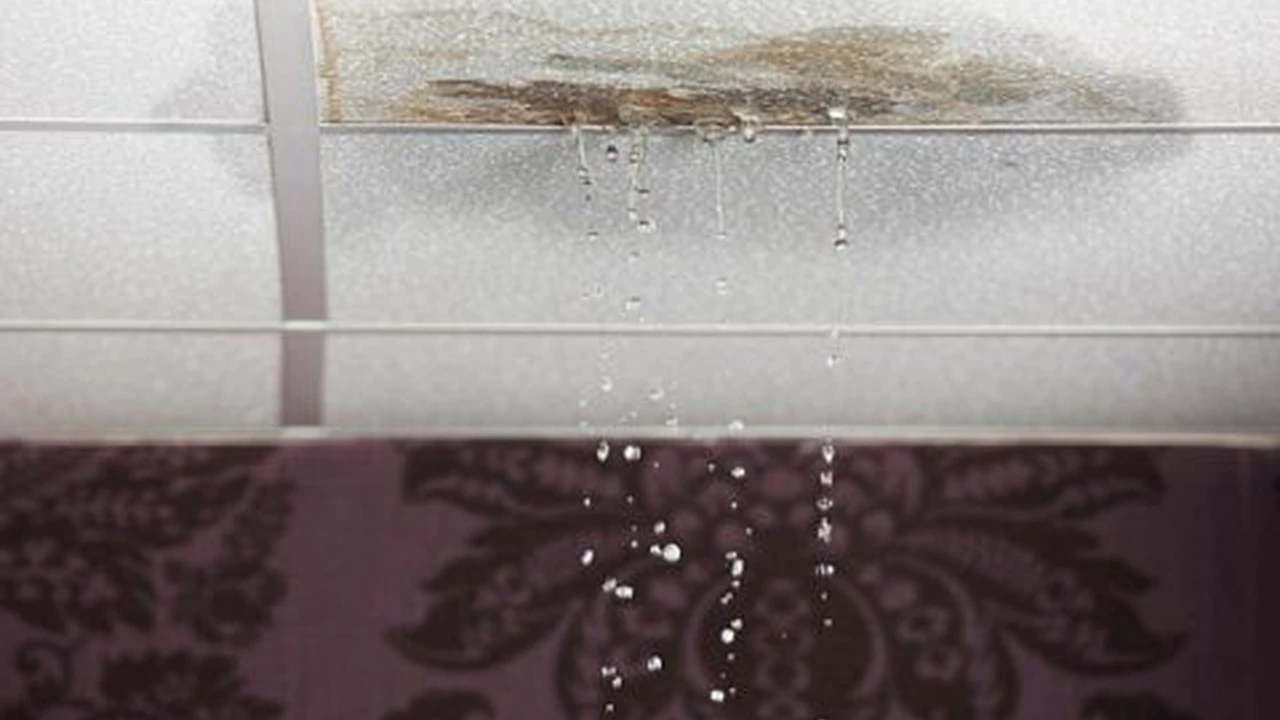
* Regular Inspections: Periodically check for loose or damaged tiles/sheets, cracked sealants, or signs of leaks. After heavy storms, a quick check is always a good idea.
* Moss and Algae Treatment: In humid environments, moss and algae can thrive. Treat them promptly to prevent damage to roofing materials.
Energy Efficiency and Thermal Performance
With high temperatures, a roof's ability to reflect heat and provide insulation is vital for keeping your home cool and reducing air conditioning costs. Consider:
* Cool Roof Coatings: These reflective coatings can be applied to many roofing materials to significantly reduce heat absorption.
* Proper Insulation: Ensure adequate insulation is installed beneath your roofing material to create a thermal barrier.
* Ventilation: Good attic ventilation helps hot air escape, preventing heat buildup in the roof space.
Resilience Against Extreme Weather Events
Given the prevalence of typhoons and heavy storms in parts of Southeast Asia, choosing materials and installation methods that offer superior wind uplift resistance and water tightness is a smart investment. This might mean spending a bit more upfront but can save you massive repair costs down the line.
So, there you have it! Roofing in Southeast Asia is a nuanced game, but with the right information and a bit of careful planning, you can definitely get a roof that's durable, beautiful, and fits your budget. Happy roofing!
:max_bytes(150000):strip_icc()/277019-baked-pork-chops-with-cream-of-mushroom-soup-DDMFS-beauty-4x3-BG-7505-5762b731cf30447d9cbbbbbf387beafa.jpg)