Sustainable Roofing for Urban Environments
Balancing historical aesthetics with modern climate adaptation for roofing on historic properties.
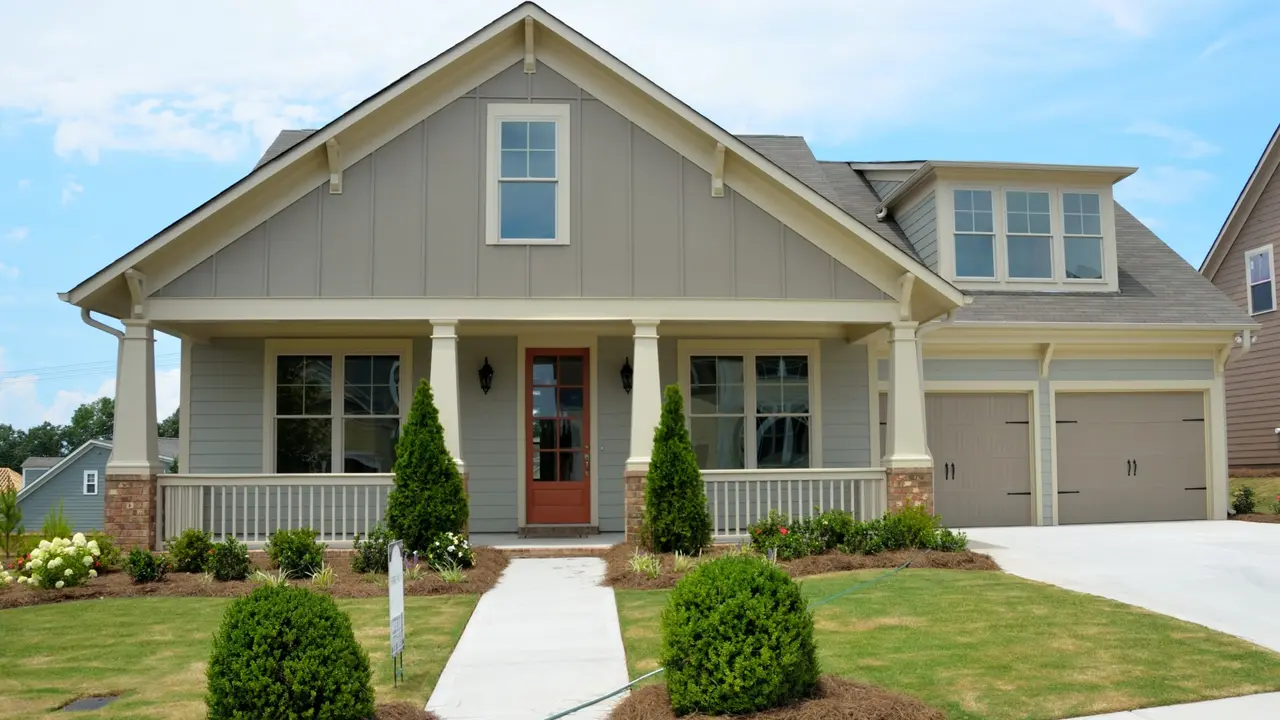
Balancing historical aesthetics with modern climate adaptation for roofing on historic properties. Preserving the charm and integrity of historic homes while ensuring they can withstand the challenges of a changing climate is a delicate dance. It's not just about slapping on a new roof; it's about understanding the past, respecting the original craftsmanship, and intelligently integrating modern solutions. This guide will walk you through the nuances of roofing for historic homes, focusing on how to adapt them for today's climate without sacrificing their invaluable heritage.
Roofing for Historic Homes Climate Adaptation
Understanding Historic Roofing Materials and Their Climate Performance
When you're dealing with a historic home, the roof isn't just a covering; it's a key part of its architectural identity. Original roofing materials were chosen for their availability, durability, and aesthetic appeal in the climate of their time. However, what worked well a century ago might struggle with today's more extreme weather patterns. Let's dive into some common historic roofing materials and their inherent strengths and weaknesses when facing modern climate challenges.
Slate Roofing Longevity and Modern Climate Resilience
Slate is often considered the king of historic roofing materials, and for good reason. It's incredibly durable, fire-resistant, and can last for centuries if properly maintained. Its natural density makes it highly resistant to water absorption, which is great for heavy rainfall. However, slate can be brittle and susceptible to impact damage from hail or falling debris, which are becoming more common with severe storms. Also, improper installation or repairs can lead to leaks. For climate adaptation, maintaining the underlying structure and ensuring proper flashing are crucial. If you're looking to replace damaged slate, sourcing matching slate can be a challenge, but many specialized suppliers exist.
Wood Shakes and Shingles Historic Charm and Fire Risk Adaptation
Wood shakes and shingles offer a rustic, charming look that's iconic on many historic homes. They are natural insulators and can withstand some impact. The biggest climate-related challenge for wood roofs is fire risk, especially in areas prone to wildfires. They are also susceptible to rot, mold, and insect infestation in humid climates, and can warp or crack in extreme temperature fluctuations. Modern climate adaptation often involves treating wood shingles with fire retardants and preservatives, or even considering synthetic alternatives that mimic the look without the inherent vulnerabilities. Regular maintenance, including cleaning and sealing, is paramount.
Clay and Concrete Tiles Mediterranean Aesthetics and Heat Resistance
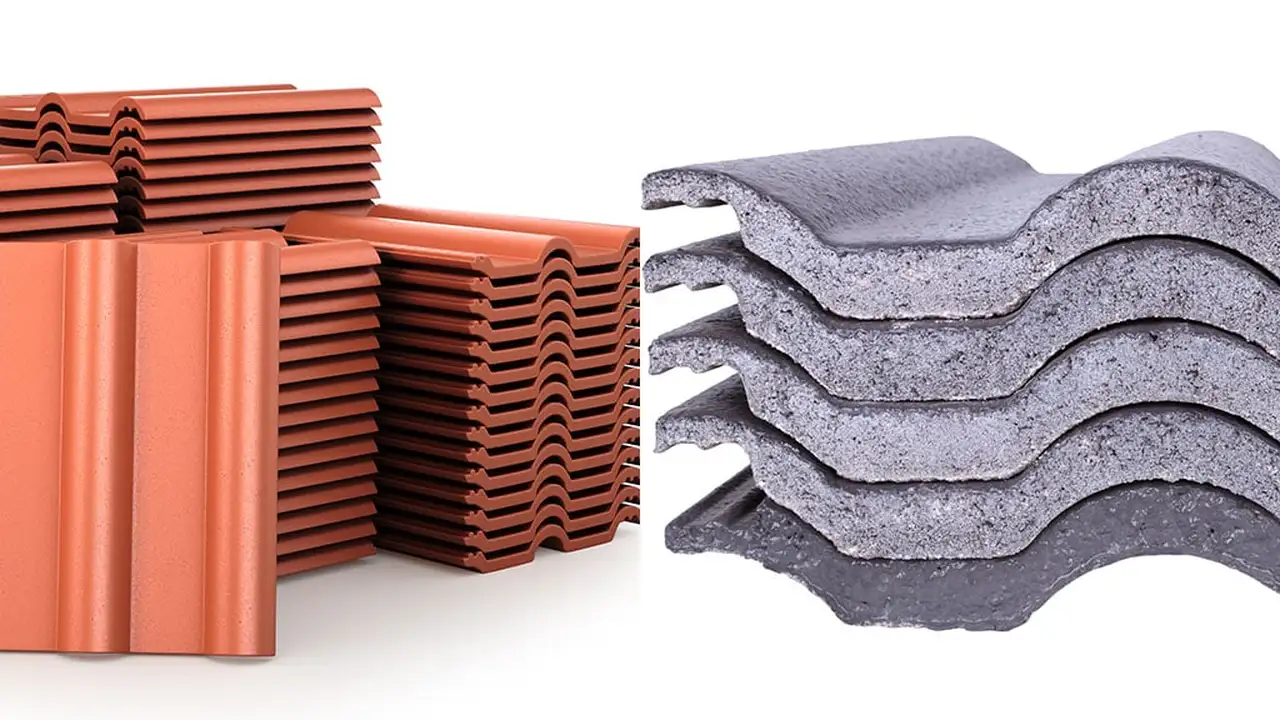
Clay and concrete tiles are prevalent in historic homes with Mediterranean, Spanish Colonial, or Mission Revival architectural styles. They are excellent at reflecting solar radiation, making them ideal for hot climates. They are also fire-resistant and very durable. Their main climate-related vulnerability is their weight, which requires a robust roof structure, and their brittleness, making them prone to breakage from impact or foot traffic. In areas with freeze-thaw cycles, water absorption can lead to cracking. For climate adaptation, ensuring proper underlayment and ventilation is key to managing moisture and heat. Modern concrete tiles can offer similar aesthetics with improved durability and sometimes lighter weight.
Asphalt Shingles A More Recent Historic Material and Its Limitations
While not as ancient as slate or clay, asphalt shingles became popular in the early to mid-20th century and are now found on many homes considered historic. They are relatively inexpensive and easy to install. However, their lifespan is significantly shorter than other historic materials, typically 20-30 years. They are also more susceptible to wind uplift, hail damage, and degradation from UV radiation, especially in extreme heat. Climate adaptation for historic homes with asphalt shingles often involves upgrading to architectural or designer shingles with better wind resistance and longer warranties, or considering a complete material change if the architectural style allows.
Modern Climate Challenges and Their Impact on Historic Roofs
The climate isn't what it used to be. Historic roofs, designed for different conditions, are now facing unprecedented stresses. Understanding these challenges is the first step in effective adaptation.
Increased Frequency and Intensity of Storms Wind and Hail Damage
From hurricanes in the Southeast US to typhoons in Southeast Asia, and increasingly severe thunderstorms everywhere, historic roofs are being battered by stronger winds and larger hail. This can lead to missing shingles, cracked tiles, and structural damage. Traditional fastening methods might not be sufficient, and older materials may not have the impact resistance of modern alternatives.
Extreme Temperature Fluctuations Thermal Expansion and Contraction
More frequent and drastic swings between hot and cold temperatures cause materials to expand and contract. This constant movement can stress fasteners, crack brittle materials, and compromise the integrity of flashing and sealants, leading to leaks. Historic homes often lack adequate attic ventilation, exacerbating these issues.
Prolonged Periods of Drought and Intense Heat UV Degradation and Fire Risk
Extended droughts and heatwaves increase the risk of wildfires, especially for wood roofs. Intense UV radiation can also accelerate the degradation of many roofing materials, causing them to become brittle, fade, and lose their protective qualities prematurely.
Heavy Rainfall and Increased Humidity Moisture Infiltration and Biological Growth
More intense rainfall events can overwhelm older drainage systems and expose weaknesses in flashing, leading to water infiltration. Increased humidity, particularly in tropical climates, promotes the growth of moss, algae, and fungi, which can degrade roofing materials and trap moisture.
Strategies for Climate Adaptation Balancing Preservation and Performance
Adapting a historic roof for modern climate challenges requires a thoughtful approach that respects its heritage while enhancing its resilience. It's about making informed choices that blend tradition with innovation.
Preservation First Repairing and Restoring Original Materials
The first and often best approach is to repair and restore existing historic materials. This maintains the authenticity of the home. This might involve sourcing reclaimed slate, custom-milling wood shingles, or carefully repairing damaged tiles. Specialized historic preservation contractors are experts in these techniques. They understand how to match materials, colors, and installation methods to maintain historical accuracy. This approach is often favored by historical societies and can be eligible for preservation grants.
Material Upgrades Thoughtful Replacements for Enhanced Durability
When original materials are beyond repair or pose significant climate risks, thoughtful material upgrades are necessary. This doesn't mean abandoning the historic aesthetic. It means choosing modern materials that mimic the look and feel of the original while offering superior performance.
Synthetic Slate and Wood Shingles Aesthetic Match with Modern Resilience
Synthetic roofing materials have come a long way. Products like DaVinci Roofscapes or CeDUR offer synthetic slate and wood shake options that are virtually indistinguishable from the real thing. They are made from recycled plastics and rubber, making them highly durable, impact-resistant, fire-resistant, and often lighter than natural materials. They come with long warranties, often 50 years or more. For example, DaVinci Roofscapes' Bellaforte Slate costs roughly $10-15 per square foot installed, offering excellent wind and hail resistance. CeDUR's synthetic shakes are similarly priced and provide a Class A fire rating, crucial for wildfire-prone areas. These are excellent choices for historic homes where the original material's performance is a concern but the aesthetic must be maintained.
Metal Roofing for Historic Homes Durability and Energy Efficiency
While not always historically accurate for every style, certain metal roofing types, like standing seam copper or painted steel, can be appropriate for some historic industrial or agricultural buildings, or even as a discreet upgrade on certain residential styles. Metal roofs are incredibly durable, fire-resistant, and excellent at reflecting solar heat. They can withstand high winds and heavy snow loads. The upfront cost is higher, typically $8-18 per square foot for standing seam steel, and significantly more for copper ($20-40+ per square foot). However, their lifespan of 50+ years and low maintenance can make them cost-effective in the long run. For example, a Fabral standing seam metal roof in a dark, matte finish can blend surprisingly well with certain historic aesthetics, offering superior climate resilience.
High-Performance Asphalt Shingles for Historic Homes Enhanced Protection
If asphalt shingles are historically appropriate for your home's era, consider upgrading to architectural or designer shingles. Brands like GAF (e.g., Timberline HDZ) or Owens Corning (e.g., Duration Series) offer shingles with enhanced wind resistance (up to 130 mph), better impact resistance (Class 3 or 4 hail ratings), and longer warranties (often limited lifetime). These typically cost $4-8 per square foot installed. While not as long-lasting as slate or metal, they offer a significant upgrade in climate resilience over standard 3-tab shingles, while maintaining a familiar look.
Structural Reinforcement and Ventilation Enhancing the Roof System
Beyond the surface material, the underlying roof structure and ventilation are critical for climate adaptation. Historic homes often have inadequate attic ventilation, leading to heat buildup in summer and moisture issues in winter. Adding proper soffit and ridge vents can significantly improve airflow, reducing thermal stress on materials and preventing mold and rot. Reinforcing the roof deck and framing can also improve its ability to withstand heavy snow loads or high winds. This might involve adding hurricane clips or strengthening rafters.
Advanced Underlayment and Flashing Superior Water Protection
Modern synthetic underlayments offer superior water resistance and durability compared to traditional felt paper. Products like CertainTeed's DiamondDeck or TAMKO's Moisture Guard Plus provide an extra layer of protection against water infiltration, especially important in heavy rainfall areas. These typically add $0.50-$1.50 per square foot to the material cost. Upgrading flashing around chimneys, skylights, and valleys with durable, corrosion-resistant metals like copper or lead-coated copper ensures long-term watertight seals. Proper installation of these components is paramount.
Cool Roof Technologies and Coatings Reducing Heat Load
For historic homes in hot climates, cool roof technologies can significantly reduce heat absorption. This can involve choosing light-colored roofing materials or applying specialized reflective coatings. While a bright white roof might not be historically appropriate for all homes, many manufacturers offer cool roof options in darker, more traditional colors that still meet ENERGY STAR requirements. For example, Sherwin-Williams offers reflective roof coatings that can be applied to various materials, reducing surface temperatures and lowering cooling costs. These coatings can cost $2-5 per square foot to apply, depending on the product and complexity.
Rainwater Management and Drainage Upgrades Preventing Water Damage
Historic homes often have older, smaller gutter systems that can be overwhelmed by modern intense rainfall. Upgrading to larger gutters and downspouts, or adding rain chains in appropriate architectural styles, can improve water diversion. Ensuring proper grading around the foundation also helps prevent water from pooling and causing damage. Consider installing gutter guards to prevent debris buildup, which can lead to clogs and overflows.
Choosing the Right Contractor for Historic Roof Adaptation
This isn't a job for just any roofer. You need a contractor with specific expertise in historic preservation and a deep understanding of traditional building techniques, combined with knowledge of modern materials and climate adaptation strategies.
Experience with Historic Properties Essential Expertise
Look for contractors who can demonstrate a portfolio of work on historic homes. They should be familiar with local historic preservation guidelines and be able to navigate the permitting process, which can be more complex for historic properties.
Knowledge of Traditional and Modern Materials Blending Old and New
A good contractor will understand the nuances of working with traditional materials like slate, tile, and wood, as well as the benefits and proper installation of modern synthetic alternatives and underlayments. They should be able to advise you on the best balance between historical accuracy and climate resilience.
Attention to Detail and Craftsmanship Preserving Authenticity
Historic roofing requires meticulous attention to detail. From matching original nail patterns to custom-fabricating flashing, the craftsmanship must be top-notch to maintain the home's authenticity and ensure long-term performance.
References and Certifications Trustworthy Professionals
Always ask for references from previous historic home projects. Check for certifications from manufacturers of specialized historic or synthetic roofing materials. Ensure they are licensed, insured, and have a strong reputation in the community.
Long-Term Maintenance for Climate-Adapted Historic Roofs
Even with the best adaptation strategies, ongoing maintenance is crucial for the longevity of a historic roof. Regular inspections and timely repairs can prevent small issues from becoming major problems.
Annual Inspections Proactive Problem Solving
Schedule annual professional inspections, especially after severe weather events. A trained eye can spot loose fasteners, cracked materials, compromised flashing, or early signs of moisture infiltration before they escalate.
Gutter and Downspout Cleaning Preventing Water Damage
Keep gutters and downspouts clear of debris to ensure proper water flow. Clogged gutters can lead to water backing up under shingles, fascia rot, and foundation issues.
Moss and Algae Removal Preserving Material Integrity
Regularly remove moss, algae, and lichen growth, especially in humid climates. These organisms can trap moisture, degrade roofing materials, and shorten the roof's lifespan. Use gentle, approved cleaning methods to avoid damaging historic materials.
Tree Trimming Protecting Against Debris
Keep tree branches trimmed away from the roof to prevent damage from falling limbs and to reduce shade that can promote moss growth. This also minimizes debris accumulation on the roof surface.
Adapting a historic roof for climate change is a journey that combines respect for the past with an eye towards the future. By carefully selecting materials, reinforcing structures, and committing to ongoing maintenance, you can ensure your historic home continues to stand proudly for generations to come, resilient against whatever the weather throws its way.
:max_bytes(150000):strip_icc()/277019-baked-pork-chops-with-cream-of-mushroom-soup-DDMFS-beauty-4x3-BG-7505-5762b731cf30447d9cbbbbbf387beafa.jpg)