Synthetic Shingles An Alternative to Traditional Materials
Discover synthetic shingles offering durability and aesthetic versatility as an alternative to natural roofing materials.
Discover synthetic shingles offering durability and aesthetic versatility as an alternative to natural roofing materials.
Synthetic Shingles An Alternative to Traditional Materials
What Are Synthetic Shingles Understanding the Basics
Hey there, homeowners! Are you tired of the same old roofing options? Looking for something that offers the classic look you love but with modern durability and less hassle? Well, let's talk about synthetic shingles. These aren't your grandma's asphalt shingles, and they're definitely not just a cheap imitation of slate or wood. Synthetic shingles are a fantastic alternative to traditional roofing materials, offering a blend of aesthetic versatility, incredible durability, and often, a much easier installation process. They're engineered products, typically made from recycled plastics, rubber, or a combination of polymers, designed to mimic the appearance of natural materials like slate, cedar shakes, or even clay tiles, but without their inherent drawbacks.
Think about it: you get the gorgeous, high-end look of natural slate without the immense weight or the fragility. Or the rustic charm of cedar shakes without the constant worry about fire hazards, rot, or insect infestation. That's the magic of synthetic shingles. They're designed to be tough, long-lasting, and often more environmentally friendly than their traditional counterparts. This makes them a really compelling choice for homeowners in both the US and Southeast Asia, where diverse climates demand resilient roofing solutions.
Why Choose Synthetic Shingles Benefits for Homeowners
So, why are more and more people turning to synthetic shingles? The benefits are pretty compelling, especially when you stack them up against traditional options.
First off, let's talk about durability and longevity. Synthetic shingles are built to last. Many manufacturers offer warranties ranging from 50 years to a lifetime, which is significantly longer than what you'd typically get with asphalt shingles. They're incredibly resistant to impact damage from hail, high winds, and even fire. This is a huge plus, especially in areas prone to severe weather. Imagine not having to worry about replacing your roof after every major storm – that's peace of mind right there.
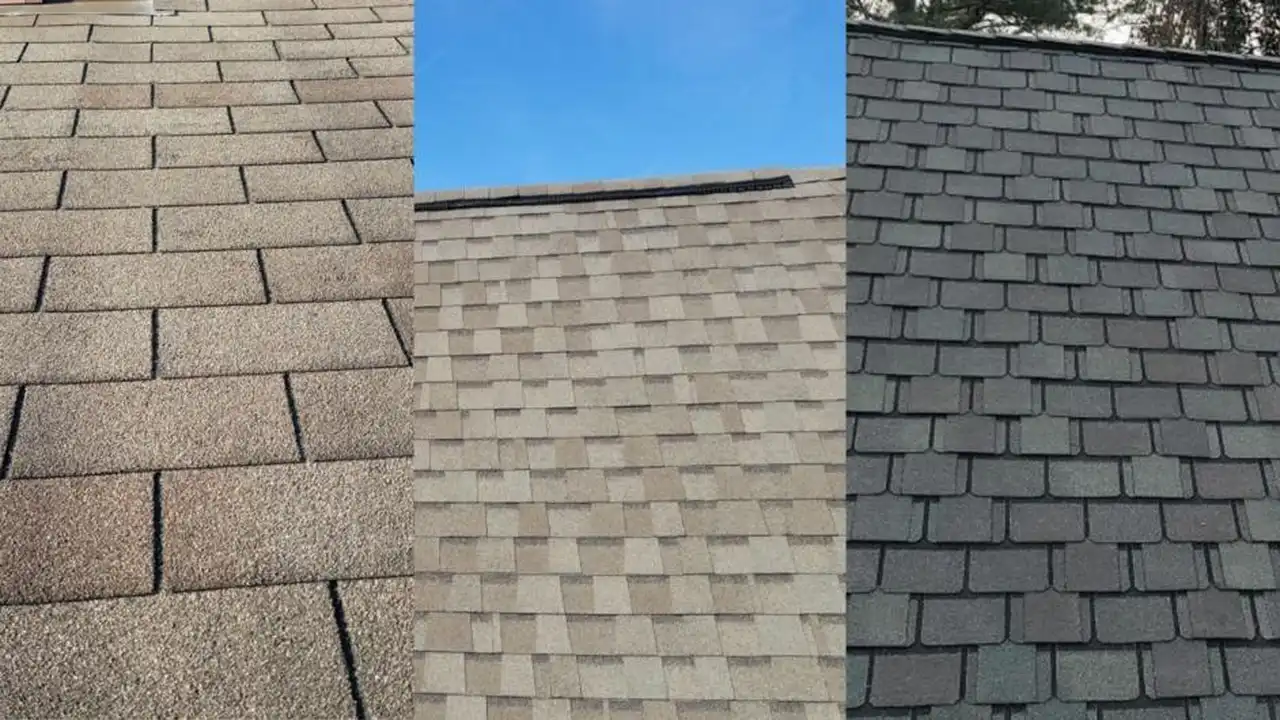
Next up is aesthetic versatility and curb appeal. This is where synthetic shingles really shine. They can replicate the look of natural slate, wood shake, and even clay tile with astonishing accuracy. The textures, colors, and profiles are so realistic that it's often hard to tell the difference from the ground. This means you can achieve that high-end, custom look for your home without the premium price tag or the maintenance headaches associated with natural materials. Whether you're aiming for a classic, rustic, or modern aesthetic, there's a synthetic shingle out there for you.
Then there's the low maintenance factor. Unlike wood shakes that need regular treatment or slate that can chip and break, synthetic shingles require very little upkeep. They resist moss, algae, and mildew growth, and they don't rot, crack, or split. A simple cleaning every now and then is usually all it takes to keep them looking great.
And let's not forget about environmental friendliness. Many synthetic shingles are made from recycled materials, diverting waste from landfills. Plus, their long lifespan means fewer roofs ending up in landfills over time. Some even offer cool roof properties, reflecting sunlight and reducing your home's energy consumption, which is a win for both your wallet and the planet.
Finally, consider the weight and installation ease. Natural slate and clay tiles are incredibly heavy, often requiring significant structural reinforcement for your roof. Synthetic shingles are much lighter, making them easier and faster to install, which can translate to lower labor costs. This lighter weight also reduces the stress on your home's structure.
Types of Synthetic Shingles Exploring Material Options
When we talk about synthetic shingles, we're actually talking about a few different material compositions, each with its own unique characteristics. Understanding these can help you pick the best fit for your home.
Composite Shingles The Blended Advantage
Composite shingles are perhaps the most common type of synthetic roofing. They're typically made from a blend of recycled plastics (like polypropylene or polyethylene), rubber, and other synthetic polymers. This blend allows manufacturers to create shingles that are incredibly durable, flexible, and resistant to impact. They often come in designs that mimic natural slate or cedar shakes. The beauty of composite is its ability to combine the best properties of different materials into one superior product. They're known for their excellent fire ratings, wind resistance, and long-term color stability.
Rubber Shingles Recycled Resilience
As the name suggests, rubber shingles are primarily made from recycled rubber, often from old tires. This makes them an incredibly eco-friendly option. They are exceptionally durable, flexible, and resistant to cracking, even in extreme temperatures. Rubber shingles are also fantastic at absorbing impact, making them highly resistant to hail damage. They often have a slightly softer feel than other synthetics but offer excellent waterproofing and sound dampening properties. They typically mimic the look of natural slate or cedar shakes.
Polymer Shingles Advanced Plastic Performance
Polymer shingles are made from virgin or recycled polymers, often engineered plastics. These are designed for maximum performance and aesthetic fidelity. They can be molded to perfectly replicate the intricate textures and contours of natural materials like slate, wood, or even terracotta. Polymer shingles are known for their UV resistance, preventing fading, and their ability to withstand harsh weather conditions without degrading. They offer a very clean, consistent look and are often chosen for their high-end appearance and long-term stability.
Synthetic Shingles vs Traditional Materials A Head to Head Comparison
Let's put synthetic shingles in the ring with some of the traditional heavyweights to see how they stack up.
Synthetic vs Asphalt Shingles Durability and Lifespan
Asphalt shingles are the most common roofing material, primarily due to their affordability. However, when it comes to durability and lifespan, synthetic shingles are in a different league. Asphalt shingles typically last 15-30 years, while synthetics often come with 50-year or lifetime warranties. Synthetics are far more resistant to impact, high winds, and UV degradation. While asphalt is cheaper upfront, the long-term cost of ownership, including potential repairs and earlier replacement, often favors synthetics.
Synthetic vs Natural Slate The Weight and Cost Factor
Natural slate is undeniably beautiful and incredibly durable, lasting 100+ years. But it's also extremely heavy, requiring reinforced roof structures, and very expensive to purchase and install. It's also brittle and can break if walked on improperly. Synthetic slate, on the other hand, offers the same stunning aesthetic without the immense weight, fragility, or exorbitant cost. It's much easier to install and significantly more impact-resistant. For homeowners who love the look of slate but not its drawbacks, synthetic slate is a clear winner.
Synthetic vs Cedar Shakes Fire Resistance and Maintenance
Cedar shakes offer a beautiful, rustic look but come with significant downsides. They are highly susceptible to fire, rot, insect damage, and require regular maintenance like cleaning and sealing. Synthetic cedar shakes replicate the natural beauty of wood without any of these issues. They are fire-resistant, impervious to rot and insects, and require virtually no maintenance. They also offer superior wind resistance compared to natural wood, which can easily lift and split.
Top Synthetic Shingle Brands and Products Recommended Options
Alright, let's get down to some specifics. If you're considering synthetic shingles, here are a few reputable brands and their popular product lines that you should definitely check out. Keep in mind that pricing can vary significantly based on location, supplier, and project complexity, so these are general estimates.
DaVinci Roofscapes The Premium Choice
DaVinci Roofscapes is widely regarded as a leader in the synthetic roofing market, known for its high-quality, realistic-looking products. They offer a range of composite shingles that mimic slate and cedar shakes with incredible detail.
* Product: DaVinci Slate
* Description: These composite tiles are engineered to perfectly replicate the authentic look and feel of natural slate, complete with chiseled edges and varying thicknesses. They come in a wide array of colors and blends, allowing for custom designs. They are Class A fire rated, Class 4 impact rated, and resistant to high winds, fading, and cracking.
* Use Case: Ideal for luxury homes, historic renovations, or any homeowner seeking the timeless elegance of slate without the weight, cost, or fragility of natural stone. Perfect for both traditional and modern architectural styles.
* Estimated Cost: $10 - $18 per square foot (materials only).
* Product: DaVinci Shake
* Description: DaVinci Shake tiles capture the authentic look of hand-split cedar shakes, offering deep grooves and realistic grain patterns. They are available in multiple widths and a variety of natural wood tones. Like their slate counterparts, they boast Class A fire and Class 4 impact ratings, and are resistant to rot, insects, and UV degradation.
* Use Case: Excellent for homes where a rustic, natural wood aesthetic is desired, but with superior performance and longevity. Great for mountain homes, craftsman styles, or any property where fire resistance is a concern.
* Estimated Cost: $9 - $16 per square foot (materials only).
CeDUR Roofing Products The Realistic Wood Alternative
CeDUR specializes in synthetic cedar shakes that are virtually indistinguishable from real wood. Their products are known for their thick, heavy appearance and realistic wood grain.
* Product: CeDUR Shakes
* Description: Made from a proprietary polyurethane material, CeDUR shakes are designed to replicate the look of heavy, hand-split cedar shakes. They are lightweight, durable, and offer a Class A fire rating and Class 4 impact rating. They come in several natural wood colors and are resistant to rot, insects, and UV fading. The thickness of these shakes gives them a very substantial and authentic appearance.
* Use Case: Perfect for homeowners who want the robust, textured look of thick cedar shakes but need the fire resistance and low maintenance of a synthetic material. Suitable for a wide range of architectural styles, from traditional to contemporary.
* Estimated Cost: $8 - $15 per square foot (materials only).
Euroshield Rubber Roofing Eco-Friendly Durability
Euroshield is a pioneer in recycled rubber roofing, turning old tires into incredibly durable and environmentally friendly roofing solutions. Their products are known for their exceptional impact resistance.
* Product: Euroshield Rundle Slate
* Description: Made from up to 95% recycled tire rubber, Rundle Slate offers the classic look of natural slate with superior impact resistance (Class 4) and flexibility. It's lightweight, easy to install, and comes with a limited lifetime warranty. It's also highly resistant to hail, wind, and extreme temperatures.
* Use Case: An excellent choice for environmentally conscious homeowners looking for a durable, low-maintenance slate alternative. Particularly well-suited for areas prone to hail or extreme weather due to its rubber composition.
* Estimated Cost: $7 - $12 per square foot (materials only).
* Product: Euroshield Vermont Slate
* Description: Similar to Rundle Slate but designed to mimic the smooth, clean lines of traditional Vermont slate. It offers the same benefits of recycled rubber – extreme durability, impact resistance, and eco-friendliness – in a slightly different aesthetic profile.
* Use Case: For those who prefer a more refined, less textured slate look but still want the benefits of rubber roofing. Great for modern or minimalist architectural designs.
* Estimated Cost: $7 - $12 per square foot (materials only).
Brava Roof Tile The Authentic Look
Brava Roof Tile offers synthetic roofing products that are incredibly realistic, mimicking natural slate, cedar shake, and even Spanish barrel tile.
* Product: Brava Old World Slate
* Description: These composite tiles are molded from natural slate, capturing every detail of genuine quarried slate. They are available in a wide range of colors, including custom blends, and offer Class A fire and Class 4 impact ratings. They are lightweight and resistant to fading, cracking, and biological growth.
* Use Case: Ideal for homeowners who demand the most authentic slate appearance possible, combined with modern performance benefits. Suitable for high-end residential and commercial projects.
* Estimated Cost: $10 - $18 per square foot (materials only).
* Product: Brava Cedar Shake
* Description: Brava's composite cedar shakes replicate the look of hand-split cedar with deep grain patterns and varying thicknesses. They are Class A fire rated, Class 4 impact rated, and resistant to rot, insects, and UV damage. Available in multiple natural wood tones.
* Use Case: For those seeking the rustic charm of cedar shakes without the associated maintenance and fire risks. Great for homes in wooded areas or where a natural aesthetic is preferred.
* Estimated Cost: $9 - $16 per square foot (materials only).
* Product: Brava Spanish Barrel Tile
* Description: This is a unique offering in the synthetic market, perfectly mimicking the classic S-curve of Spanish and Mediterranean clay tiles. Made from recycled materials, it's lightweight, durable, and available in traditional terracotta colors as well as custom options. It offers excellent wind and impact resistance.
* Use Case: The perfect solution for homes with Spanish, Mediterranean, or Mission architectural styles, providing the iconic look of barrel tile without the extreme weight or fragility of clay.
* Estimated Cost: $10 - $18 per square foot (materials only).
Installation and Maintenance Tips for Synthetic Roofing
Even though synthetic shingles are known for their low maintenance, proper installation and a little bit of care can go a long way in ensuring your roof lasts its full lifespan.
Professional Installation Why It Matters
While synthetic shingles are generally easier to install than natural slate or clay, it's still crucial to hire a qualified and experienced roofing contractor. Synthetic materials often have specific installation requirements, including proper underlayment, fastening techniques, and ventilation. A professional roofer familiar with synthetic products will ensure your warranty remains valid and your roof performs as expected. Don't cut corners here; a good installation is the foundation of a long-lasting roof.
Routine Inspections Keeping an Eye Out
Even with a super durable synthetic roof, it's a good idea to have it inspected periodically, perhaps once every 1-3 years. A professional can spot any minor issues before they become major problems, check for debris buildup, and ensure your gutters are clear. This proactive approach can save you money and headaches down the line.
Cleaning and Care Simple Steps for Longevity
Synthetic shingles are resistant to moss and algae, but over time, some buildup might occur, especially in shaded or humid areas. A gentle cleaning with a soft brush and a mild, non-abrasive cleaner (or even just water) can keep your roof looking pristine. Avoid harsh chemicals or high-pressure washers, as these can damage the surface or void your warranty. Always check the manufacturer's recommendations for cleaning products and methods.
Ventilation Is Key Ensuring Airflow
Proper attic ventilation is critical for any roof, including synthetic ones. Good ventilation helps regulate attic temperature, prevents moisture buildup, and extends the life of your roofing materials. Ensure your attic has adequate intake and exhaust vents to allow for continuous airflow. This is especially important in hot and humid climates like those found in Southeast Asia.
Cost Considerations for Synthetic Shingles Understanding the Investment
Let's talk money. While synthetic shingles might have a higher upfront cost than traditional asphalt, it's important to look at the bigger picture – the long-term investment.
Upfront Costs Initial Investment
Generally, synthetic shingles will cost more per square foot for materials than asphalt shingles. They typically fall in a similar price range to mid-grade metal roofing or premium architectural asphalt shingles, but less than natural slate or high-end clay tiles. The material cost for synthetic shingles can range from approximately $7 to $18 per square foot, depending on the brand, style, and complexity of the shingle. Installation costs will also vary based on your location, the complexity of your roof, and the contractor's rates.
Long-Term Savings Reduced Expenses
This is where synthetic shingles really shine. Their exceptional durability and long lifespan mean you'll likely replace your roof far less often, if at all, compared to asphalt. This saves you the cost of future roof replacements. Furthermore, their low maintenance requirements mean fewer repair bills. Some synthetic shingles also offer excellent insulation properties and 'cool roof' technology, which can lead to significant savings on your energy bills, especially in hot climates. When you factor in these long-term savings, the initial investment often pays for itself over the life of the roof.
Resale Value Boosting Your Home's Worth
A high-quality synthetic roof can significantly boost your home's curb appeal and resale value. Potential buyers are often willing to pay more for a home with a durable, attractive, and low-maintenance roof that they won't have to worry about for decades. The aesthetic appeal of synthetic slate or shake can give your home a luxurious look that stands out in the market.
Insurance Benefits Potential Discounts
Because of their superior impact and wind resistance, some insurance companies offer discounts on homeowner's insurance premiums for homes with synthetic roofs. It's always worth checking with your insurance provider to see if your chosen synthetic shingle qualifies for any such benefits.
Synthetic Shingles for Different Climates and Regions Performance Across the Globe
One of the great advantages of synthetic shingles is their adaptability to various climates, making them a smart choice for both the US and Southeast Asian markets.
Hot and Humid Climates Southeast Asia Focus
In regions like Southeast Asia, where high temperatures, intense humidity, and heavy rainfall are common, synthetic shingles are an excellent choice. They are resistant to mold, mildew, and algae growth, which can be a major problem for other roofing materials in humid environments. Their UV resistance prevents fading and degradation from intense sun exposure. Many synthetic options also offer 'cool roof' properties, reflecting solar radiation and helping to keep homes cooler, reducing the reliance on air conditioning.
Cold Climates US Northern Regions
For colder regions in the US, synthetic shingles perform exceptionally well. They are designed to withstand freeze-thaw cycles without cracking or becoming brittle. Their impact resistance is a huge benefit against hail and falling ice. They also don't absorb water like some natural materials, which helps prevent ice dam formation and structural damage during winter months.
High Wind and Storm Prone Areas Resilience
Whether it's hurricanes in the US or typhoons in Southeast Asia, synthetic shingles are engineered to stand up to extreme wind conditions. Many products are rated for winds exceeding 110 mph, and their interlocking designs and robust fastening systems provide superior uplift resistance. Their Class 4 impact rating means they can shrug off hail and flying debris that would severely damage traditional roofs.
Fire Prone Areas Enhanced Safety
In areas susceptible to wildfires, such as parts of California or other dry regions, the Class A fire rating of many synthetic shingles is a critical safety feature. This superior fire resistance provides an added layer of protection for your home and peace of mind for your family.
The Future of Roofing Embracing Innovation with Synthetics
Synthetic shingles represent a significant leap forward in roofing technology. They offer a compelling combination of beauty, durability, sustainability, and low maintenance that traditional materials often can't match. As manufacturing processes continue to evolve, we can expect even more realistic aesthetics, enhanced performance, and greater environmental benefits from these innovative roofing solutions.
If you're planning a new roof or a replacement, definitely give synthetic shingles a serious look. They might just be the perfect blend of classic style and modern performance for your home, no matter where you are in the world.
:max_bytes(150000):strip_icc()/277019-baked-pork-chops-with-cream-of-mushroom-soup-DDMFS-beauty-4x3-BG-7505-5762b731cf30447d9cbbbbbf387beafa.jpg)