Tax Credits and Rebates for Energy Efficient Roofs
Explore available tax credits and rebates for installing energy-efficient roofing materials on your home.
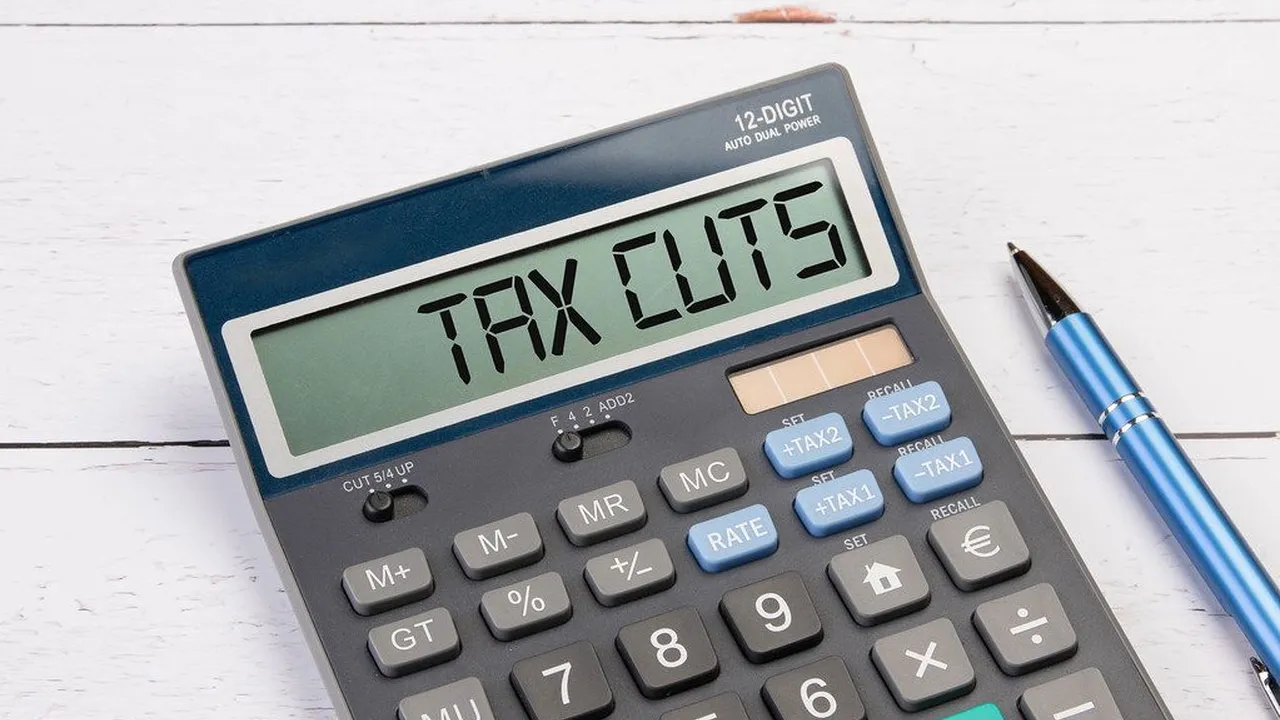
Explore available tax credits and rebates for installing energy-efficient roofing materials on your home.
Tax Credits and Rebates for Energy Efficient Roofs
Hey there, homeowners! Thinking about upgrading your roof? That’s a big decision, and it’s awesome that you’re looking into energy-efficient options. Not only can these roofs save you a ton on your utility bills, but did you know there are often some sweet tax credits and rebates out there to help ease the financial burden? It’s true! This guide is all about helping you navigate the world of incentives for making your home more energy-efficient, specifically through your roof. We’ll cover federal programs, state and local initiatives, and even some utility company offers. Plus, we’ll dive into specific products that qualify and give you a ballpark idea of what you might save. Let’s get started!
Understanding Federal Tax Credits for Energy Efficient Roofing
When it comes to federal incentives, the big one you’ll want to know about is the Energy Efficient Home Improvement Credit, often referred to as the 25C tax credit. This credit got a major boost with the Inflation Reduction Act of 2022, making it even more attractive for homeowners like you. It’s designed to encourage folks to make energy-efficient upgrades to their primary residence.
What Qualifies for the 25C Tax Credit Roofing Materials
For roofing, the 25C credit specifically targets certain types of energy-efficient improvements. Generally, this means roofing materials that have a cool roof designation or meet specific energy performance standards. Think about products designed to reduce heat gain in your home. This includes:
- Metal roofs with appropriate pigmented coatings that meet ENERGY STAR requirements.
- Asphalt roofs with specific cooling granules that also meet ENERGY STAR requirements.
- Other types of roofs that are certified by the IRS as meeting the prescriptive criteria for energy efficiency.
It’s super important that the materials you choose are certified by ENERGY STAR. This certification means they meet strict energy efficiency guidelines set by the U.S. Environmental Protection Agency (EPA) and the U.S. Department of Energy (DOE). Always check for the ENERGY STAR label when shopping for roofing materials!
How Much Can You Save with the 25C Tax Credit Roofing Costs
The 25C credit allows you to claim 30% of the cost of eligible home energy improvements, up to a maximum of $1,200 per year for certain categories. For roofing, this typically falls under the 'building envelope components' category. So, if your qualifying energy-efficient roof costs $10,000, you could potentially get a $1,200 credit. Keep in mind, this is a tax credit, not a deduction, which means it directly reduces the amount of tax you owe, dollar for dollar. It’s a pretty sweet deal!
Claiming Your Federal Tax Credit Energy Efficient Roof Documentation
To claim this credit, you’ll need to file Form 5695, Residential Energy Credits, with your tax return. Make sure you keep good records! This includes receipts for the purchase and installation of your energy-efficient roofing materials, as well as any manufacturer certifications that prove the materials meet ENERGY STAR or other qualifying standards. Your roofing contractor should be able to provide you with the necessary documentation.
State and Local Rebates for Energy Efficient Roofing Programs
Beyond federal programs, many states, counties, and even cities offer their own incentives for energy-efficient home improvements, including roofing. These can vary wildly depending on where you live, so it’s worth doing a bit of digging!
Finding State Specific Roofing Rebates Local Incentives
A great place to start your search is your state’s energy office or environmental protection agency website. They often have lists of available programs. For example, states like California, Florida, and Arizona, which experience a lot of heat, often have robust programs for cool roofs. These programs might offer direct rebates, property tax exemptions, or even low-interest loans for qualifying improvements.
Examples of State and Local Roofing Programs Regional Benefits
Let’s look at a couple of hypothetical examples to give you an idea:
- California’s Cool Roof Program: Some California cities or counties might offer rebates of $0.25 to $0.50 per square foot for installing ENERGY STAR certified cool roofs. For a 2,000 square foot roof, that could be an extra $500 to $1,000 back in your pocket!
- Florida’s Energy Efficiency Grants: Certain Florida counties might have grant programs for homeowners in hurricane-prone areas to install impact-resistant, energy-efficient roofing, sometimes covering a percentage of the material cost.
The key here is to check with your specific local government. A quick search for 'energy efficient roof rebates [your state/city]' should get you started.
Utility Company Rebates for Energy Efficient Roofing Utility Programs
Don’t forget about your local utility company! Many electric and gas providers offer rebates to their customers for making energy-saving upgrades. Why? Because it helps them manage demand and reduces the need to build new power plants. It’s a win-win!
How Utility Rebates Work Energy Savings Incentives
Utility rebates are typically direct payments or credits on your bill after you’ve installed a qualifying energy-efficient product. For roofing, this usually means cool roofs that reduce your home’s air conditioning load. The process often involves:
- Checking your utility company’s website for available programs.
- Purchasing and installing a qualifying roofing material (often ENERGY STAR certified).
- Submitting an application with proof of purchase and installation.
Finding Utility Company Roofing Rebates Local Power Providers
Head over to your electric or gas company’s website and look for sections like 'Energy Efficiency,' 'Rebates,' or 'Save Energy.' They’ll usually have a clear list of what’s available. Sometimes, they even partner with local contractors who can help you identify eligible products and handle the rebate application process for you.
Specific Energy Efficient Roofing Products and Their Benefits Cool Roof Technology
Now, let’s get into the nitty-gritty of what kind of roofs actually qualify for these awesome incentives. The main goal of an energy-efficient roof is to reduce the amount of heat your home absorbs from the sun. This is where 'cool roof' technology comes into play.
Metal Roofing for Energy Efficiency Benefits and Products
Metal roofs are fantastic for energy efficiency, especially when they come with special coatings. They naturally reflect a lot of solar radiation, and with added pigments, they can be incredibly effective at keeping your home cool. They’re also super durable and long-lasting, which is another bonus!
Recommended Metal Roofing Products and Estimated Costs
- ClassicRib by McElroy Metal: This is a popular choice for residential and light commercial applications. It’s a standing seam metal roof that can be ordered with cool roof coatings.
- Key Features: Available in a wide range of ENERGY STAR approved colors, excellent solar reflectivity, durable, low maintenance.
- Use Case: Ideal for homes in hot climates (like the Southern US or Southeast Asia) where reducing AC costs is a priority. Also great for homes looking for a modern aesthetic.
- Estimated Cost: $8 - $15 per square foot installed, depending on location, complexity, and specific coating.
- Everlast II by Everlast Roofing: Another great option for metal roofing, known for its strength and variety of finishes.
- Key Features: High-performance paint systems with cool roof properties, resistant to fading and chalking, available in many profiles.
- Use Case: Suitable for residential homes, barns, and outbuildings. Offers a classic metal roof look with modern energy efficiency.
- Estimated Cost: $7 - $14 per square foot installed.
Cool Asphalt Shingles Energy Star Certified Options
While traditional dark asphalt shingles absorb a lot of heat, manufacturers have developed 'cool' asphalt shingles that incorporate special reflective granules. These shingles look like regular asphalt shingles but perform much better in terms of heat reflection.
Recommended Cool Asphalt Shingle Products and Estimated Costs
- GAF Timberline Cool Series: GAF is a leading roofing manufacturer, and their Cool Series shingles are designed to meet cool roof requirements.
- Key Features: Highly reflective granules, ENERGY STAR certified, available in popular architectural styles and colors, often comes with strong warranties.
- Use Case: Perfect for homeowners who prefer the traditional look of asphalt shingles but want the energy-saving benefits of a cool roof. Great for most residential applications.
- Estimated Cost: $4 - $8 per square foot installed, which is slightly higher than standard asphalt but offers significant energy savings.
- Owens Corning Duration COOL Shingles: Owens Corning also offers a line of cool shingles that are ENERGY STAR rated.
- Key Features: Patented SureNail Technology for enhanced grip, highly reflective granules, wide range of colors, durable.
- Use Case: Excellent for homes in sunny regions, providing both aesthetic appeal and substantial energy cost reductions.
- Estimated Cost: $4.50 - $8.50 per square foot installed.
Tile Roofing for Energy Efficiency Clay and Concrete Options
Clay and concrete tiles are naturally good at reflecting solar radiation, especially lighter-colored options. They also create a natural air barrier between the tile and the roof deck, which helps with insulation. Many tile manufacturers now offer specific cool roof options.
Recommended Tile Roofing Products and Estimated Costs
- Boral Roofing Cool Roof Tiles: Boral offers a variety of concrete and clay tiles that meet cool roof standards.
- Key Features: High solar reflectance and thermal emittance, available in many profiles and colors, extremely durable, fire-resistant.
- Use Case: Ideal for Mediterranean or Spanish-style homes, or any home where a distinctive, long-lasting, and energy-efficient roof is desired. Very popular in hot, sunny regions.
- Estimated Cost: $10 - $25 per square foot installed, depending on the type of tile (clay is generally more expensive than concrete) and complexity.
Cool Roof Coatings and Membranes for Flat Roofs Commercial and Residential
For flat or low-slope roofs, cool roof coatings and single-ply membranes (like TPO or PVC) are excellent energy-efficient choices. These are often white or light-colored to maximize solar reflectivity.
Recommended Cool Roof Coating and Membrane Products and Estimated Costs
- GAF EverGuard TPO: A popular choice for commercial and residential flat roofs.
- Key Features: Highly reflective white surface, ENERGY STAR rated, durable, resistant to UV and chemicals, easy to install.
- Use Case: Perfect for flat roofs on modern homes, garages, or commercial buildings where energy efficiency and leak prevention are critical.
- Estimated Cost: $6 - $12 per square foot installed.
- Henry Tropi-Cool 100% Silicone Roof Coating: A liquid-applied coating that can transform an existing roof into a cool roof.
- Key Features: High reflectivity, excellent waterproofing, extends roof life, easy application, suitable for various roof types (metal, modified bitumen, single-ply).
- Use Case: Great for homeowners looking to upgrade their existing roof’s energy efficiency without a full tear-off, especially on low-slope or metal roofs.
- Estimated Cost: $2 - $5 per square foot for material and application, depending on roof condition and labor.
Maximizing Your Savings Combining Incentives and Smart Choices
To really get the most bang for your buck, you’ll want to be strategic about how you approach your energy-efficient roof project. It’s not just about finding one rebate; it’s about stacking them where possible and making smart choices from the get-go.
Stacking Tax Credits and Rebates Financial Planning
Sometimes, you can combine federal tax credits with state or local rebates, and even utility company offers. This is where the real savings happen! Always check the specific rules for each program, as some might have clauses about not being combinable with other incentives. However, many are designed to work together. For instance, you might get a federal tax credit for your ENERGY STAR roof, and then also qualify for a local utility rebate for the same installation. That’s double the savings!
Choosing the Right Contractor for Energy Efficient Roofing Installation Expertise
Your choice of contractor is super important. Look for roofers who have experience with energy-efficient materials and are knowledgeable about the various incentive programs. A good contractor can:
- Help you select qualifying materials.
- Provide the necessary documentation for tax credits and rebates.
- Ensure the installation meets all required standards for efficiency and warranty.
Don’t be afraid to ask potential contractors about their experience with cool roofs or other energy-efficient installations, and if they can assist with rebate paperwork.
Long Term Energy Savings Beyond Initial Incentives Utility Bill Reduction
Remember, the tax credits and rebates are just the initial bonus. The real, ongoing savings come from your reduced energy bills. An energy-efficient roof can significantly lower your cooling costs in hot climates and even help with heating in cooler months by improving overall insulation. Over the lifespan of your roof, these savings can add up to thousands of dollars, making the initial investment even more worthwhile.
Important Considerations and Tips for Homeowners Research and Documentation
Before you jump into a new roof project, there are a few key things to keep in mind to ensure you qualify for all the incentives and have a smooth experience.
Always Verify Eligibility Requirements Program Specifics
Programs change, and eligibility criteria can be very specific. What qualified last year might not qualify this year, or what works in one state might not in another. Always check the most current information directly from the IRS, your state energy office, or your utility provider. Don’t rely on old information or assumptions.
Keep Meticulous Records for Tax and Rebate Applications Proof of Purchase
This cannot be stressed enough: keep every single piece of paper! This includes:
- Invoices and receipts for materials and labor.
- Manufacturer certifications proving ENERGY STAR or other qualifications.
- Copies of all submitted application forms.
- Any communication with rebate administrators or tax professionals.
Good record-keeping will save you a lot of headaches if there are any questions about your claim.
Consult with a Tax Professional or Energy Advisor Expert Guidance
If you’re unsure about any aspect of claiming tax credits, especially if your situation is complex, it’s always a good idea to consult with a qualified tax professional. They can provide personalized advice and ensure you’re maximizing your benefits while staying compliant with tax laws. Similarly, an energy advisor might be able to help you identify the best energy-efficient upgrades for your home and guide you through local programs.
Upgrading to an energy-efficient roof is a fantastic investment in your home’s comfort, value, and your wallet. By taking advantage of available tax credits and rebates, you can make this smart decision even more affordable. Happy roofing!
:max_bytes(150000):strip_icc()/277019-baked-pork-chops-with-cream-of-mushroom-soup-DDMFS-beauty-4x3-BG-7505-5762b731cf30447d9cbbbbbf387beafa.jpg)