Understanding Roof Replacement Costs
Break down the factors influencing roof replacement costs to budget effectively for your home roofing project.
Break down the factors influencing roof replacement costs to budget effectively for your home roofing project.
Understanding Roof Replacement Costs Your Ultimate Guide
So, you're thinking about replacing your roof? That's a big decision, and let's be honest, it often comes with a hefty price tag. But don't let that scare you off! Understanding roof replacement costs isn't as complicated as it seems. It's all about breaking down the different factors that contribute to the final bill. Whether you're in the bustling cities of the US or the tropical landscapes of Southeast Asia, the principles remain pretty similar, though local labor and material costs will definitely vary.
Roof Replacement Cost Factors What Influences the Price Tag
When you get a quote for a new roof, it's not just a random number. A lot goes into it. Think of it like buying a car – the make, model, features, and even where you buy it all affect the price. Your roof is no different. Here are the main things that will influence how much you pay:
Roofing Material Choices Asphalt Metal Tile and More
This is probably the biggest factor. The type of material you choose for your roof will have a massive impact on the overall cost. Let's dive into some popular options:
Asphalt Shingles The Budget Friendly Option
Asphalt shingles are the most common roofing material in the US, and for good reason. They're affordable, relatively easy to install, and come in a wide variety of colors and styles. You'll typically find two main types:
- 3-Tab Shingles: These are the most basic and least expensive. They have a flat, uniform appearance.
- Architectural (Laminate) Shingles: These are thicker, more durable, and offer a more dimensional look, often mimicking wood shakes or slate. They cost a bit more but offer better wind resistance and a longer lifespan.
Cost Range: For asphalt shingles, you're generally looking at $3.50 to $5.50 per square foot installed in the US. In Southeast Asia, prices can be lower, perhaps $2.00 to $4.00 per square foot, depending on local manufacturing and import costs.
Recommended Products:
- GAF Timberline HDZ: A very popular architectural shingle known for its durability and wide color selection. Great for most residential applications.
- CertainTeed Landmark Pro: Another top-tier architectural shingle offering excellent performance and aesthetic appeal.
- Owens Corning Duration: Features SureNail Technology for superior grip and wind resistance, making it a solid choice for areas with strong winds.
Use Cases: Ideal for most residential homes where budget and traditional aesthetics are key. Good for temperate climates.
Metal Roofing Durability and Energy Efficiency
Metal roofs are gaining popularity due to their incredible durability, long lifespan, and energy efficiency. They can last 50 years or more! While the upfront cost is higher, their longevity and potential energy savings can make them a smart long-term investment.
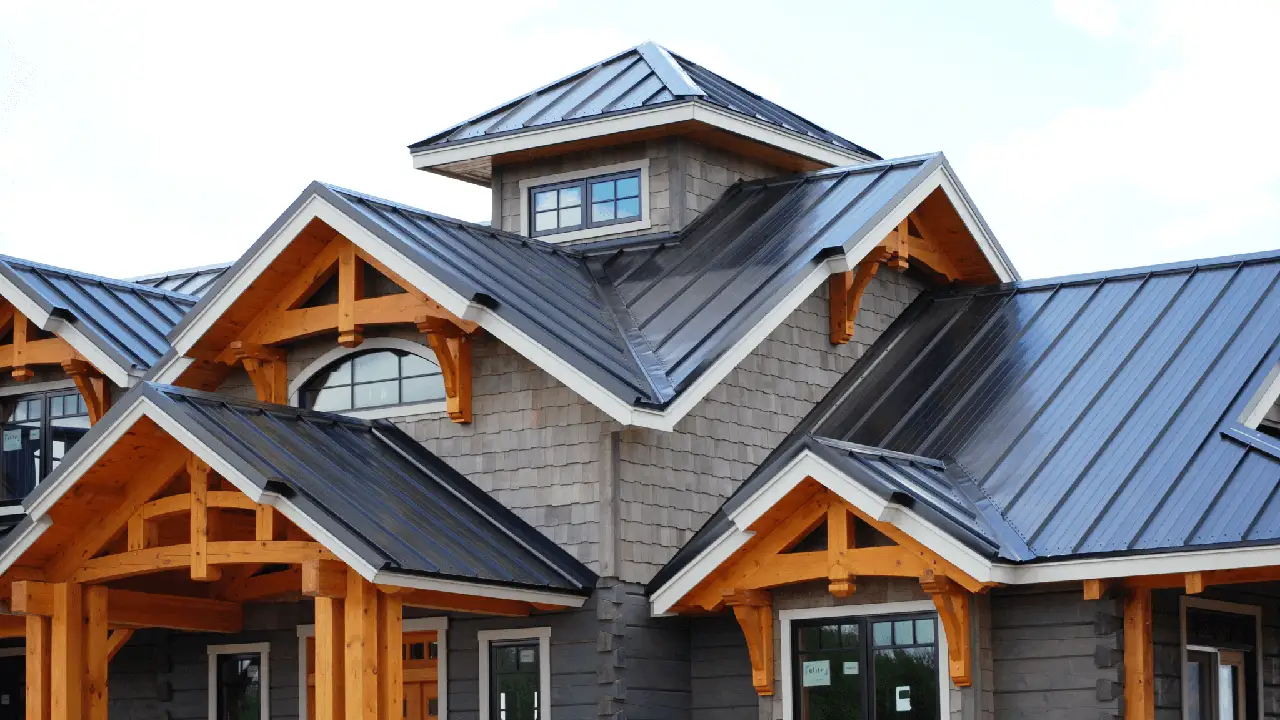
- Standing Seam Metal: This is the most common type, featuring raised seams that interlock, providing excellent weather protection.
- Corrugated Metal: More industrial looking, often used for barns or commercial buildings, but also finding its way into modern residential designs.
- Metal Shingles: Designed to mimic the look of traditional shingles, slate, or tile, offering the benefits of metal with a classic aesthetic.
Cost Range: Metal roofing can range from $8.00 to $15.00 per square foot installed in the US, sometimes even higher for premium options. In Southeast Asia, expect $5.00 to $12.00 per square foot, with local steel production potentially offering more competitive pricing.
Recommended Products:
- Classic Metal Roofing Systems: Offers a variety of styles, including standing seam and metal shingles, with excellent warranties.
- Fabral: Known for its durable agricultural and commercial metal panels, also suitable for residential use.
- BHP Steel (Southeast Asia): A major supplier of steel products, including roofing, in the region, offering various profiles and coatings.
Use Cases: Excellent for homes in areas with extreme weather (heavy snow, high winds), those seeking long-term durability, and homeowners looking for energy efficiency. Great for modern or industrial aesthetics.
Tile Roofing Clay and Concrete for Mediterranean and Tropical Styles
Tile roofs, whether clay or concrete, offer a distinctive aesthetic, often associated with Mediterranean, Spanish, or tropical architectural styles. They are very durable and fire-resistant.
- Clay Tiles: Known for their natural beauty and longevity, but can be heavy and brittle.
- Concrete Tiles: More affordable than clay, very durable, and can be molded into various shapes and colors.
Cost Range: Tile roofing typically falls between $10.00 to $20.00 per square foot installed in the US. In Southeast Asia, where tile is more common, prices might be slightly lower, perhaps $8.00 to $18.00 per square foot, depending on local production.
Recommended Products:
- Boral Roofing: A leading manufacturer of clay and concrete roof tiles, offering a wide range of styles and colors.
- Eagle Roofing Products: Specializes in concrete roof tiles, known for their durability and aesthetic versatility.
- Local Manufacturers (Southeast Asia): Many countries in Southeast Asia have strong local tile manufacturers that can offer competitive pricing and styles suited to the local climate.
Use Cases: Perfect for homes with a specific architectural style (Mediterranean, Spanish, tropical). Excellent for hot climates due to their thermal mass. Requires a strong roof structure due to weight.
Slate Roofing The Premium and Long Lasting Choice
Slate is the crème de la crème of roofing materials. It's incredibly beautiful, virtually indestructible, and can last for centuries. However, it comes with a very high price tag and requires specialized installation.
Cost Range: Slate roofing is expensive, typically $15.00 to $30.00+ per square foot installed in the US. In Southeast Asia, it's less common and would likely be imported, pushing costs even higher.
Use Cases: Luxury homes, historic renovations, or homeowners seeking the absolute best in durability and aesthetics, with a budget to match.
Other Materials Wood Shakes Synthetic and Green Roofs
- Wood Shakes/Shingles: Offer a rustic, natural look but require more maintenance and are not suitable for all fire zones. Cost: $7.00 to $12.00 per square foot.
- Synthetic Roofing: Made from recycled materials, these can mimic slate or wood shakes but offer better durability and lower maintenance. Cost: $8.00 to $15.00 per square foot.
- Green Roofs: Involve planting vegetation on your roof. Very specialized and expensive, but offer environmental benefits. Cost: $20.00 to $40.00+ per square foot.
Roof Size and Pitch How Square Footage and Steepness Affect Cost
It's pretty straightforward: a bigger roof means more materials and more labor, so a higher cost. But it's not just about square footage. The pitch (steepness) of your roof also plays a huge role.
- Low-Slope/Flat Roofs: Can sometimes be cheaper to install materials on, but often require specialized membranes and installation techniques.
- Steep Pitched Roofs: These are more dangerous and time-consuming for roofers to work on. They require more safety equipment, specialized scaffolding, and slower work, all of which increase labor costs.
Example: A 2,000 square foot roof with a low pitch will be significantly cheaper to replace than a 2,000 square foot roof with a very steep pitch, even if using the same materials.
Labor Costs and Geographic Location Understanding Regional Differences
Labor costs vary significantly depending on where you live. In major metropolitan areas in the US, labor will be more expensive than in rural areas. Similarly, labor costs in Singapore or Kuala Lumpur might be higher than in more remote parts of Thailand or Vietnam.
Geographic Considerations:
- US Market: Expect higher labor costs in states like California, New York, and Massachusetts.
- Southeast Asia Market: Labor can be more affordable, but skilled labor for specialized roofing materials might be harder to find and thus more expensive. Import duties on materials can also impact overall costs.
Old Roof Removal and Disposal What to Expect
Unless you're building a new home, your old roof needs to come off. This involves labor for tear-off and disposal fees for the old materials. Some contractors might include this in their per-square-foot price, while others might list it as a separate line item.
Factors:
- Number of Layers: If you have multiple layers of old shingles, removal will take longer and cost more.
- Material Type: Heavy materials like slate or tile are more difficult and costly to remove and dispose of than asphalt shingles.
Underlayment Flashing and Other Essential Components
A roof isn't just the visible material. There are several layers underneath that are crucial for its performance and longevity. These include:
- Underlayment: A protective layer installed over the roof deck before the main roofing material. Options include felt paper or synthetic underlayment. Synthetic is more durable and water-resistant but costs more.
- Flashing: Metal pieces installed around chimneys, skylights, vents, and valleys to prevent water penetration. Proper flashing is critical.
- Drip Edge: A metal strip installed along the edges of the roof to direct water away from the fascia and prevent damage.
- Ventilation: Proper attic ventilation (ridge vents, soffit vents) is essential for extending the life of your roof and improving energy efficiency.
- Ice and Water Shield: A self-adhering membrane applied to vulnerable areas (eaves, valleys) to prevent water penetration from ice dams or wind-driven rain. Highly recommended in colder climates.
These components add to the overall cost but are non-negotiable for a properly installed and long-lasting roof.
Roof Complexity and Accessibility Gables Valleys and Chimneys
The more complex your roof's design, the more it will cost. A simple, single-plane roof is much easier and faster to work on than a roof with multiple gables, valleys, dormers, skylights, and chimneys.
- Valleys: Areas where two roof planes meet, requiring careful flashing and sealing.
- Dormers: Protrusions from the roof, adding complexity to flashing and material cuts.
- Skylights and Chimneys: Require precise flashing work to prevent leaks.
- Accessibility: If your roof is difficult to access (e.g., very tall house, limited space for equipment), it can increase labor costs.
Permits and Inspections Navigating Local Regulations
Most localities, both in the US and many parts of Southeast Asia, require permits for roof replacement. This ensures the work meets local building codes and safety standards. The cost of permits is usually a small percentage of the total project but is a necessary expense. Inspections by local authorities will also be part of this process.
Warranty Considerations Material and Workmanship
A good warranty provides peace of mind. You'll typically get two types:
- Material Warranty: From the manufacturer, covering defects in the roofing material itself. These can range from 20 years for basic shingles to lifetime for premium materials.
- Workmanship Warranty: From your roofing contractor, covering the quality of their installation. This is usually shorter, perhaps 5-10 years, but crucial.
Some contractors offer extended warranties if they are certified by the manufacturer, which can add a small percentage to the cost but offer enhanced protection.
Comparing Roofing Quotes What to Look For
Getting multiple quotes is essential. Don't just go with the cheapest option! Here's what to compare:
- Detailed Breakdown: Does the quote clearly list materials, labor, tear-off, disposal, permits, and any extra components?
- Material Specifications: Are the exact brands and types of materials specified? (e.g., GAF Timberline HDZ, not just 'architectural shingles').
- Warranty Information: What kind of material and workmanship warranties are offered?
- Insurance and Licensing: Is the contractor properly licensed and insured? Ask for proof.
- References: Ask for references and check online reviews.
- Payment Schedule: Understand the payment terms. A reputable contractor won't ask for 100% upfront.
Saving Money on Your Roof Replacement Smart Strategies
A new roof is a significant investment, but there are ways to manage the costs:
- Get Multiple Bids: As mentioned, this is crucial for competitive pricing.
- Consider Off-Season Installation: In some regions, contractors might offer discounts during their slower periods (e.g., late fall or early spring in temperate climates).
- Choose the Right Material for Your Budget: Asphalt shingles are a great value option.
- Maintain Your Current Roof: Regular maintenance can extend your roof's life, delaying the need for replacement.
- Look for Energy Efficiency Rebates: Some governments or utility companies offer rebates for installing energy-efficient roofing materials.
- DIY Minor Repairs: If you're handy, tackling small repairs yourself can save money in the long run, but know when to call a professional.
Financing Your Roof Replacement Exploring Your Options
If paying for a new roof upfront isn't feasible, don't worry, you have options:
- Home Equity Loan or HELOC: These allow you to borrow against the equity in your home, often with lower interest rates.
- Personal Loan: A good option if you don't have much home equity, but interest rates can be higher.
- Contractor Financing: Many roofing companies offer their own financing plans, sometimes with promotional interest rates.
- Insurance Claims: If your roof damage is due to a covered event (like a storm), your homeowner's insurance might cover a significant portion of the cost.
- Credit Cards: Use with caution due to high interest rates, but can be an option for smaller repairs or if you can pay it off quickly.
The Return on Investment Does a New Roof Increase Home Value
Absolutely! A new roof is one of the best home improvement projects for ROI. It significantly boosts curb appeal, protects your home's structure, and signals to potential buyers that the house has been well-maintained. You can often recoup 60-70% or even more of the cost in increased home value, especially if your old roof was in poor condition.
Plus, a new, energy-efficient roof can lower your utility bills, providing ongoing savings.
Final Thoughts on Your Roofing Project
Replacing your roof is a big undertaking, but with careful planning and a clear understanding of the costs involved, you can make an informed decision. Don't rush the process. Get multiple quotes, ask lots of questions, and choose a reputable contractor. Your roof protects your most valuable asset, so it's worth investing in quality materials and workmanship. Good luck with your project!
:max_bytes(150000):strip_icc()/277019-baked-pork-chops-with-cream-of-mushroom-soup-DDMFS-beauty-4x3-BG-7505-5762b731cf30447d9cbbbbbf387beafa.jpg)