Getting Multiple Roofing Bids Why It Matters
Learn why obtaining multiple bids from different roofing contractors is crucial for competitive pricing and quality assurance.
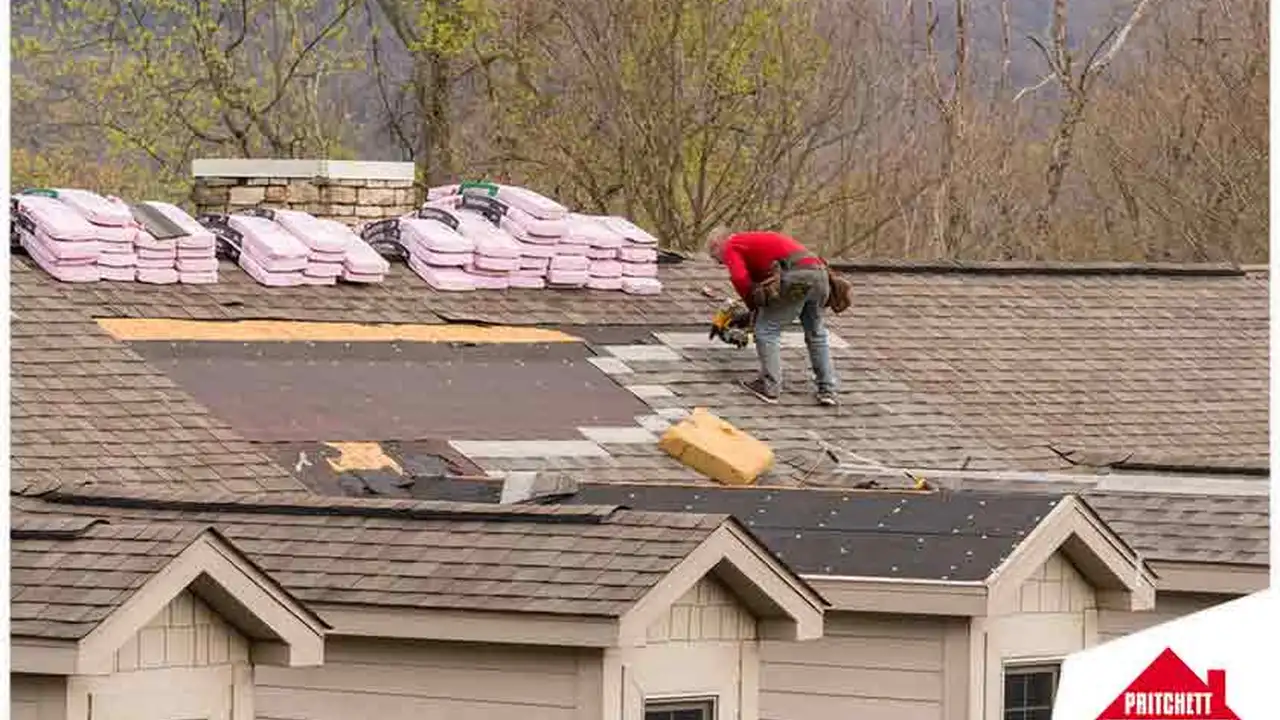
Learn why obtaining multiple bids from different roofing contractors is crucial for competitive pricing and quality assurance. When you're looking to replace or repair your roof, it's a significant investment, and you want to make sure you're getting the best value for your money. Just like you wouldn't buy a car or a major appliance without comparing options, your roof deserves the same careful consideration. Getting multiple bids isn't just about finding the cheapest price; it's about understanding the scope of work, the quality of materials, the contractor's reputation, and ultimately, making an informed decision that protects your home for years to come.
Getting Multiple Roofing Bids Why It Matters
Understanding the Importance of Multiple Roofing Quotes
So, why is it such a big deal to get more than one quote for your roofing project? Think of it this way: every roofing contractor operates a little differently. They might have different suppliers, different labor costs, different levels of experience, and even different approaches to the same problem. If you only get one bid, you're essentially trusting that one contractor's assessment and pricing are the absolute best for your situation, without any frame of reference. This can lead to overpaying, receiving subpar materials, or even ending up with a contractor who isn't the right fit for your specific needs. Multiple bids give you leverage, clarity, and peace of mind.
Comparing Roofing Contractor Services and Scope of Work
When you receive bids, don't just glance at the bottom line. Dive deep into what each contractor is actually offering. A lower price might seem appealing, but it could mean they're cutting corners on materials, labor, or even the scope of work. For instance, one bid might include a complete tear-off of old shingles, new underlayment, and flashing replacement, while another might only propose a re-roof over existing shingles, which isn't always the best long-term solution. Always ask for a detailed breakdown of services. This should include:
- Material Specifications: What brand and type of shingles or roofing material are they using? What's the warranty on these materials?
- Underlayment: Are they including a high-quality synthetic underlayment or just basic felt paper?
- Flashing: Will they replace all flashing around chimneys, vents, and skylights, or just repair existing ones?
- Ventilation: Are they assessing and improving your roof's ventilation system? Proper ventilation is crucial for roof longevity and energy efficiency.
- Waste Removal: Is the cost of debris removal and disposal included in the bid?
- Permits: Who is responsible for obtaining necessary permits?
- Cleanup: What level of cleanup can you expect after the project is complete?
By comparing these details, you can ensure you're comparing apples to apples, not apples to oranges.
Evaluating Roofing Material Quality and Warranties
The quality of your roofing materials directly impacts the lifespan and performance of your roof. Different contractors might prefer different brands or types of materials. For example, when it comes to asphalt shingles, you'll find various manufacturers like GAF, Owens Corning, CertainTeed, and IKO. Each offers different lines with varying levels of durability, aesthetic appeal, and warranty coverage. Don't hesitate to ask contractors about the specific products they recommend and why. Look for:
- Material Warranty: This covers defects in the roofing material itself. It can range from 20 years to a lifetime.
- Workmanship Warranty: This covers the contractor's installation. A good contractor will offer a solid workmanship warranty, typically 5-10 years, sometimes even longer.
- System Warranty: Some manufacturers offer a comprehensive system warranty when all components (shingles, underlayment, flashing, vents) are from the same brand and installed by a certified contractor. These often provide the best protection.
For instance, a contractor might propose GAF Timberline HDZ shingles, which come with a limited lifetime warranty and a 25-year StainGuard Plus Algae Protection Limited Warranty. Another might suggest Owens Corning Duration shingles, known for their SureNail Technology and similar warranty benefits. Understanding these differences helps you weigh the long-term value against the upfront cost.
Assessing Roofing Contractor Credentials and Reputation
A bid is only as good as the contractor behind it. This is where reputation and credentials come into play. When you're getting multiple bids, you also have the opportunity to vet multiple contractors. Here's what to look for:
- Licensing and Insurance: Always verify that the contractor is properly licensed and insured. This protects you from liability in case of accidents or property damage during the project.
- References: Ask for references from previous clients. A reputable contractor will be happy to provide them.
- Online Reviews: Check online platforms like Google Reviews, Yelp, and the Better Business Bureau (BBB) for customer feedback. Look for patterns in reviews – positive or negative.
- Certifications: Many manufacturers offer certifications to contractors who have demonstrated expertise in installing their products. For example, GAF Master Elite Contractors or Owens Corning Platinum Preferred Contractors often offer enhanced warranties.
- Experience: How long has the company been in business? Longevity often indicates stability and a proven track record.
Imagine Contractor A has a slightly higher bid but is a GAF Master Elite contractor with dozens of glowing reviews and a solid workmanship warranty. Contractor B has a lower bid but is a newer company with fewer reviews and no special certifications. The slightly higher price from Contractor A might be worth the added peace of mind and superior warranty.
Negotiating Roofing Project Pricing and Terms
Once you have several detailed bids, you're in a strong position to negotiate. Don't be afraid to use a competitive bid to your advantage. You might say, "Contractor X offered a similar scope of work for Y dollars. Can you match or beat that, or offer any additional value?" However, remember that the lowest price isn't always the best. Sometimes, a slightly higher bid from a more reputable contractor with better materials and warranties is the smarter choice in the long run.
Beyond the price, also consider the payment terms. Most contractors will require a deposit upfront, with the remaining balance due upon completion. Be wary of contractors who demand a very large upfront payment, as this can be a red flag. A reasonable deposit is typically 10-30% of the total project cost.
Identifying Potential Red Flags in Roofing Bids
While getting multiple bids helps you find the best deal, it also helps you spot potential problems. Here are some red flags to watch out for:
- Extremely Low Bids: If one bid is significantly lower than all the others, it's a major red flag. It could indicate subpar materials, uninsured workers, or hidden costs that will surface later.
- High-Pressure Sales Tactics: A reputable contractor will give you time to review their bid and make a decision. Be wary of anyone trying to pressure you into signing a contract on the spot.
- No Written Contract: Never agree to work without a detailed, written contract that outlines everything discussed, including scope of work, materials, timelines, and payment terms.
- Cash-Only Deals: While some small contractors might prefer cash, a legitimate business will offer various payment options. Cash-only deals can be a sign of an unlicensed or uninsured operation.
- Lack of Local References: If a contractor can't provide local references or seems to be from out of town, especially after a storm, proceed with caution.
Specific Roofing Product Recommendations and Comparisons
Let's dive into some specific product comparisons that might come up in your bids, focusing on common choices for both the US and Southeast Asian markets.
Asphalt Shingles The Most Popular Choice
Asphalt shingles are the most common roofing material in the US due to their affordability, versatility, and ease of installation. In Southeast Asia, while metal and tile are prevalent, asphalt shingles are gaining traction for certain applications.
- GAF Timberline HDZ Shingles:
- Description: These are architectural laminate shingles, known for their dimensional look that mimics wood shakes. They feature GAF's LayerLock Technology for strong adhesion and a StrikeZone nailing area for easier installation.
- Use Case: Ideal for residential homes seeking a balance of aesthetics, durability, and cost-effectiveness. Suitable for various climates.
- Pros: Excellent curb appeal, good wind resistance (up to 130 mph with proper installation), algae resistance, comprehensive warranty options (including the Golden Pledge Limited Warranty when installed by a Master Elite contractor).
- Cons: Not as long-lasting as metal or tile, can be susceptible to moss/algae in very humid climates if not treated.
- Estimated Cost (Materials Only): $100 - $150 per square (100 sq ft) in the US. Prices can vary in Southeast Asia due to import costs and local distribution.
- Owens Corning Duration Shingles:
- Description: Similar to GAF Timberline, these are architectural shingles featuring SureNail Technology, a unique fabric strip in the nailing area that provides exceptional gripping power.
- Use Case: Residential roofing where enhanced wind resistance and durability are priorities.
- Pros: Superior wind resistance (up to 130 mph), good aesthetic variety, algae resistance, strong warranty options (Platinum Protection Limited Warranty available through Platinum Preferred Contractors).
- Cons: Similar lifespan limitations to other asphalt shingles.
- Estimated Cost (Materials Only): $100 - $160 per square in the US.
Metal Roofing Durability and Energy Efficiency
Metal roofing is highly durable, energy-efficient, and increasingly popular in both the US and Southeast Asia, especially in areas prone to severe weather or where longevity is a priority.
- Standing Seam Metal Roof (e.g., from Sheffield Metals or McElroy Metal):
- Description: Characterized by raised seams where panels are joined, creating a sleek, modern look. Available in steel, aluminum, copper, and zinc. Often coated with Kynar 500 for color retention and weather resistance.
- Use Case: High-end residential, commercial, and industrial applications. Excellent for areas with heavy snow, high winds, or intense sun. Very popular in coastal regions of Southeast Asia due to salt air resistance.
- Pros: Extremely long lifespan (50+ years), excellent wind and fire resistance, energy-efficient (reflects solar heat), low maintenance, wide range of colors.
- Cons: Higher upfront cost, can be noisy during heavy rain/hail (though insulation helps), requires specialized installation.
- Estimated Cost (Materials Only): $300 - $800+ per square, depending on material (steel vs. aluminum vs. copper) and gauge.
- Corrugated Metal Roof (e.g., from local manufacturers in SEA or US suppliers like Metal Sales):
- Description: Wavy or ribbed metal panels, typically made of galvanized steel or aluminum. More traditional and often used for agricultural or industrial buildings, but also for modern residential designs.
- Use Case: Cost-effective metal roofing for residential, agricultural, and light commercial buildings. Very common in Southeast Asia due to its affordability and ability to shed water quickly.
- Pros: More affordable than standing seam, lightweight, durable, good for shedding water, available in various colors.
- Cons: Exposed fasteners can be a point of failure over time, less wind-resistant than standing seam, can dent more easily.
- Estimated Cost (Materials Only): $150 - $300 per square.
Tile Roofing Classic Beauty and Durability
Tile roofing, including clay and concrete tiles, is highly durable and aesthetically pleasing, particularly popular in warmer climates and regions with Spanish or Mediterranean architectural styles. It's a staple in many Southeast Asian countries.
- Clay Tiles (e.g., Ludowici, Boral Roofing):
- Description: Made from natural clay, fired at high temperatures. Available in various profiles (e.g., Spanish, French, flat) and natural colors.
- Use Case: High-end residential and commercial properties, especially in warm, sunny climates. Excellent for Mediterranean, Spanish, or traditional Asian architectural styles.
- Pros: Extremely long lifespan (100+ years), excellent fire resistance, good insulation properties, resistant to rot and insects, beautiful natural aesthetics.
- Cons: Very heavy (requires strong roof structure), brittle (can break if walked on improperly), high upfront cost, specialized installation.
- Estimated Cost (Materials Only): $400 - $1000+ per square.
- Concrete Tiles (e.g., Eagle Roofing Products, Boral Roofing):
- Description: Made from a mixture of sand, cement, and water. Can be molded into various shapes and colored to mimic clay, wood shakes, or slate.
- Use Case: Residential and commercial properties seeking the look of clay or other premium materials at a more accessible price point. Suitable for various climates.
- Pros: Very durable (50+ years), excellent fire resistance, good insulation, wide range of styles and colors, more affordable than clay.
- Cons: Also very heavy, can be brittle, color can fade over time (though modern coatings improve this).
- Estimated Cost (Materials Only): $250 - $600 per square.
The Long-Term Value of a Quality Roofing Investment
While the upfront cost is a significant factor, always consider the long-term value of your roofing investment. A cheaper roof might save you money today, but if it needs repairs frequently or has a shorter lifespan, you'll end up paying more in the long run. A quality roof, installed by a reputable contractor using good materials, will protect your home, enhance its curb appeal, and potentially increase its resale value for decades.
By diligently collecting and comparing multiple bids, you empower yourself to make the best decision for your home and your wallet. It's not just about getting a new roof; it's about securing your home's future.
:max_bytes(150000):strip_icc()/277019-baked-pork-chops-with-cream-of-mushroom-soup-DDMFS-beauty-4x3-BG-7505-5762b731cf30447d9cbbbbbf387beafa.jpg)