UV Resistant Roofing for Sunny Climates
Identify roofing materials with superior UV resistance to withstand intense sun exposure in sunny regions.
Identify roofing materials with superior UV resistance to withstand intense sun exposure in sunny regions.
UV Resistant Roofing for Sunny Climates
Understanding UV Radiation and Its Impact on Roofing Materials
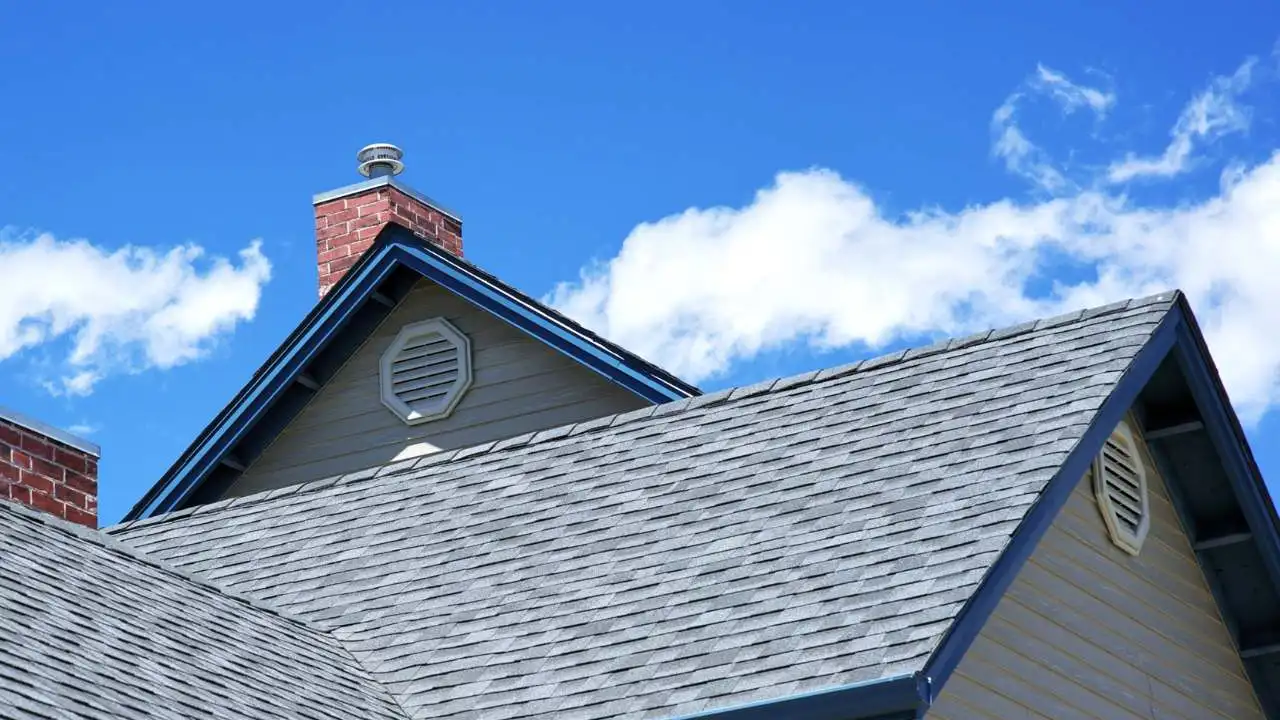
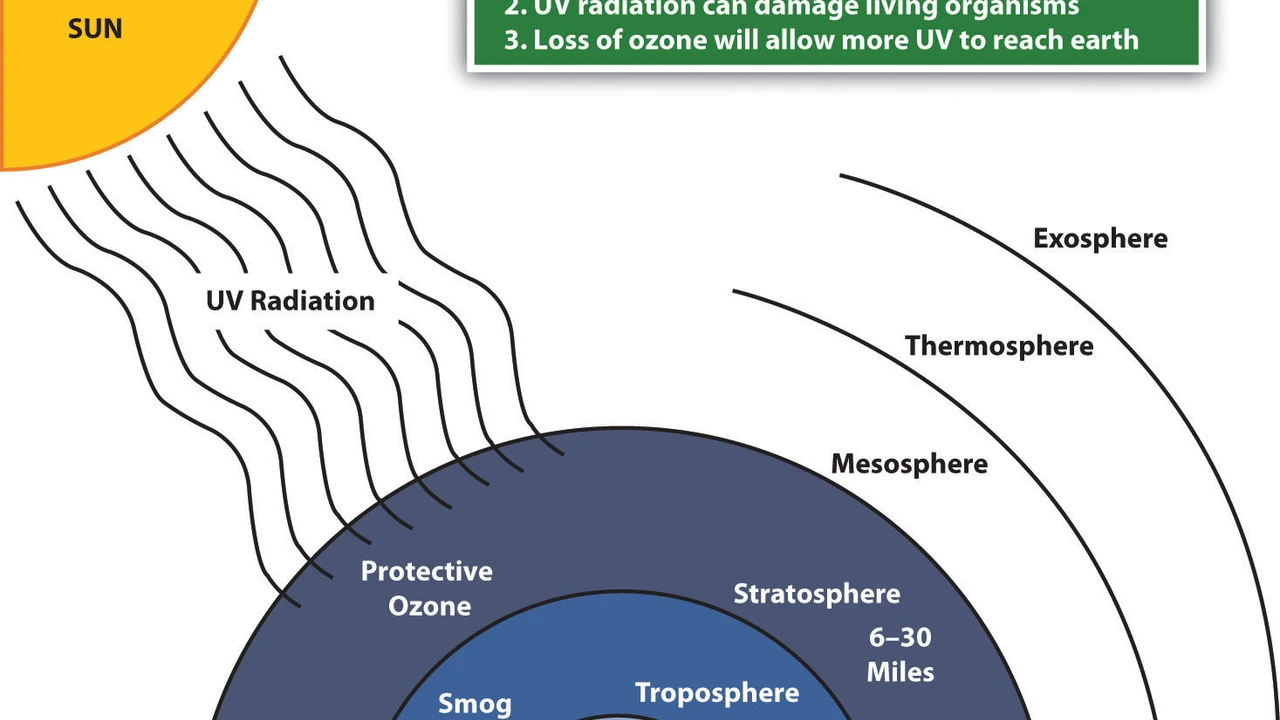
Living in a sunny climate, whether it's the scorching heat of Arizona or the tropical sun of Southeast Asia, means your home's roof is constantly battling intense ultraviolet (UV) radiation. This isn't just about making your roof look faded; UV rays are a silent destroyer, breaking down the chemical bonds within roofing materials, leading to premature aging, cracking, warping, and ultimately, leaks. It's a critical factor that homeowners often overlook until it's too late. Think of it this way: just as you wouldn't go out in the sun without sunscreen, your roof needs its own form of protection. The sun's relentless assault can significantly shorten the lifespan of your roof, turning what should be a decades-long investment into a costly, recurring expense. Understanding how UV radiation impacts different materials is the first step in choosing a roof that can truly stand the test of time in sunny regions.
Key Characteristics of Superior UV Resistant Roofing Materials
When we talk about UV resistance, we're looking for materials that can either reflect UV rays, absorb them without degradation, or possess a chemical structure that is inherently stable against UV breakdown. High reflectivity is a major player here; materials that bounce sunlight away from the roof surface not only protect themselves but also help keep your home cooler, reducing energy bills. Durability is another crucial characteristic. A UV-resistant material should maintain its structural integrity and aesthetic appeal over many years, resisting common sun-induced issues like chalking, fading, and embrittlement. Furthermore, the ability to withstand thermal cycling – the constant expansion and contraction due to daily temperature swings – is vital. Materials that can handle these stresses without cracking or delaminating are far superior in sunny environments. Lastly, the material's ability to resist moisture penetration, even after years of UV exposure, is paramount. UV damage can create micro-fissures, making the roof more susceptible to water intrusion, so a truly UV-resistant material will maintain its waterproof properties.
Top UV Resistant Roofing Materials for Intense Sun Exposure
Metal Roofing The Ultimate Reflector
Metal roofing, particularly steel or aluminum with specialized coatings, stands out as a champion in UV resistance. Its inherent reflectivity means a significant portion of the sun's energy is bounced away, keeping the roof surface cooler and reducing heat transfer into your home. Modern metal roofs come with advanced paint systems, like Kynar 500 (PVDF) or SMP (Silicone Modified Polyester) coatings, which are specifically engineered to resist fading, chalking, and UV degradation for decades. These coatings are not just for aesthetics; they form a protective barrier that shields the metal underneath from the sun's harsh rays. The interlocking panel systems also offer superior wind resistance, which is often a concern in sunny, storm-prone regions. While the upfront cost can be higher than asphalt shingles, the longevity and energy savings often make it a more economical choice in the long run.
Recommended Products and Use Cases:
- Classic Rib Metal Panels (e.g., from McElroy Metal or Sheffield Metals): These are popular for residential and light commercial applications. They offer excellent durability and come in a wide range of UV-resistant colors. Ideal for homes in Florida, Texas, or Southeast Asian countries like Thailand and Vietnam where sun exposure is extreme. Expect prices around $8-$15 per square foot installed.
- Standing Seam Metal Roofs (e.g., from Englert or Berridge Manufacturing): A premium option known for its sleek appearance and superior weather resistance. The concealed fasteners enhance longevity and UV protection. Perfect for high-end homes or buildings where aesthetics and maximum durability are priorities. Installation costs typically range from $12-$25 per square foot.
- Aluminum Roofing: Lighter than steel and naturally corrosion-resistant, making it excellent for coastal sunny areas where salt air is also a factor. Brands like Classic Metal Roofing Systems offer beautiful aluminum shingle and shake profiles. Price point is often similar to or slightly higher than steel.
Clay and Concrete Tiles Timeless Durability
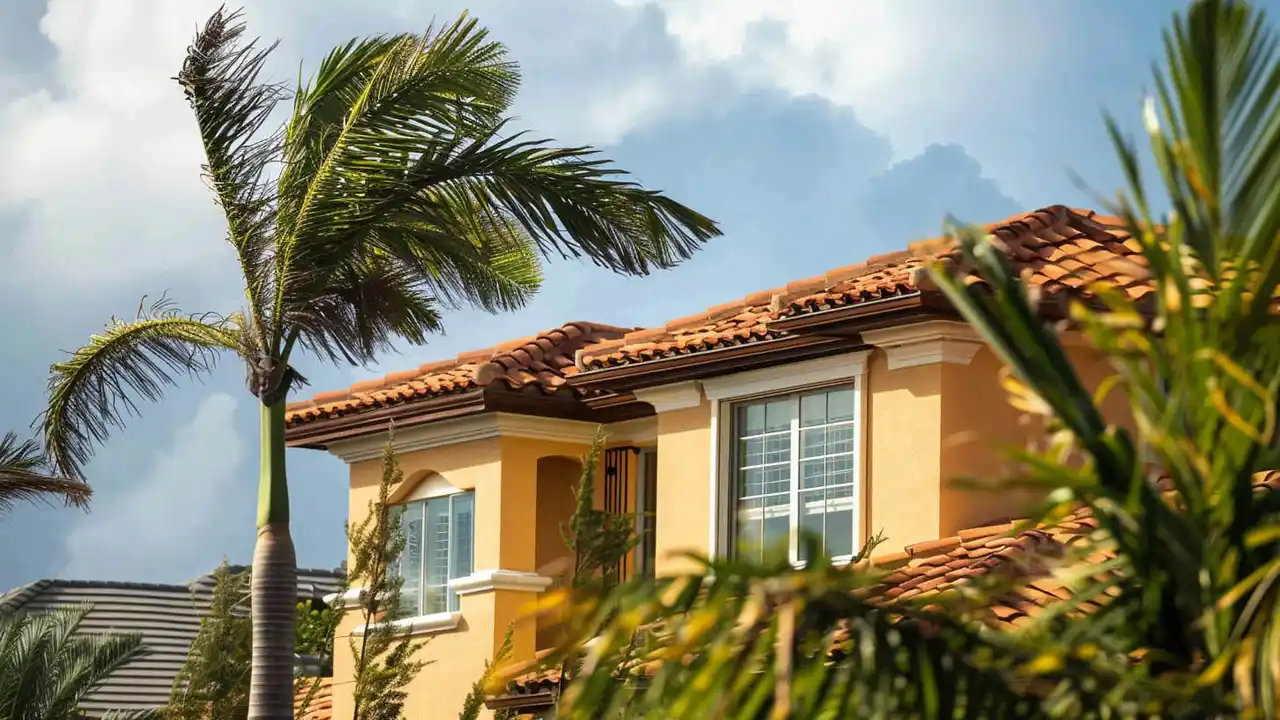
Clay and concrete tiles have been used for centuries in sunny and warm climates, and for good reason. Their mass and density provide excellent thermal insulation, and their natural or glazed surfaces are highly reflective and inherently resistant to UV degradation. Unlike organic materials, clay and concrete don't break down under UV light. They resist fading, warping, and cracking, maintaining their color and structural integrity for 50 years or more. The air circulation beneath the tiles also contributes to a cooler roof deck. While heavy and requiring a robust roof structure, their longevity and aesthetic appeal make them a fantastic choice for Mediterranean-style homes, Spanish colonial architecture, or any property seeking a durable, low-maintenance roof in a sunny region.
Recommended Products and Use Cases:
- Boral Roofing Clay Tiles: Known for their extensive range of colors and profiles, Boral offers highly durable clay tiles that are perfect for hot, sunny climates. Their products are often seen in California, Florida, and across the Mediterranean. Expect installed costs of $10-$25 per square foot.
- Eagle Roofing Products Concrete Tiles: Eagle offers a vast selection of concrete tile styles, including flat, low-profile, and high-profile options, all with excellent UV resistance. They are a cost-effective alternative to clay with similar benefits. Widely used in the US Southwest and Southeast Asia. Prices typically range from $8-$18 per square foot installed.
- Monier Roofing (Southeast Asia): A prominent brand in Southeast Asia, Monier offers a variety of concrete and clay tiles specifically designed for tropical climates, providing excellent heat reflection and UV stability.
Cool Roof Coatings and Membranes Advanced Protection
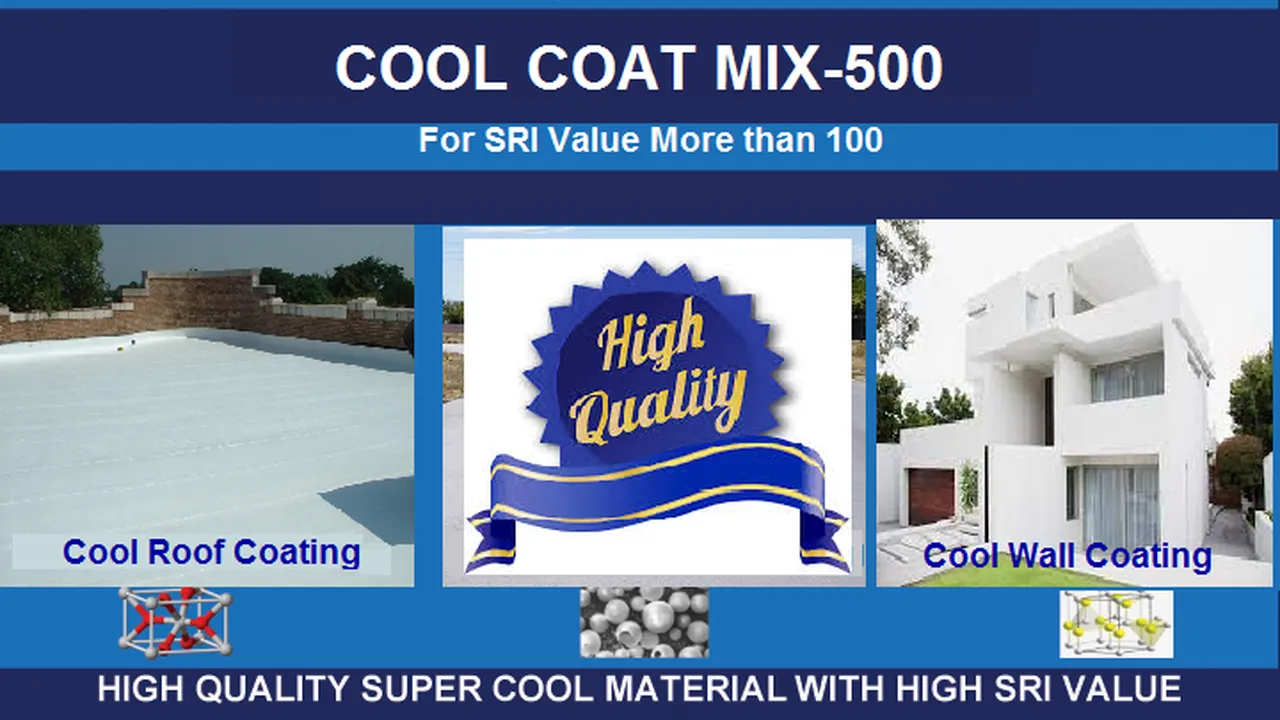
For flat or low-slope roofs, and even as an enhancement for existing roofs, cool roof coatings and single-ply membranes (like TPO and PVC) offer exceptional UV resistance. These materials are typically white or light-colored, designed to reflect a high percentage of solar radiation. TPO (Thermoplastic Polyolefin) and PVC (Polyvinyl Chloride) membranes are single-ply systems that are inherently UV stable, flexible, and resistant to punctures and chemical degradation. They are often heat-welded at the seams, creating a monolithic, waterproof barrier. Acrylic or silicone-based cool roof coatings can be applied over existing roofs (like modified bitumen or metal) to significantly improve their UV reflectivity and extend their lifespan. These coatings form a seamless, protective layer that resists chalking, cracking, and fading.
Recommended Products and Use Cases:
- GAF EverGuard TPO: A leading TPO membrane known for its energy efficiency and UV resistance. Ideal for commercial and residential flat roofs in sunny regions. Installed costs range from $7-$15 per square foot.
- Sika Sarnafil PVC: Sarnafil PVC membranes are highly durable, flexible, and resistant to UV, chemicals, and punctures. Often chosen for demanding flat roof applications. Expect prices similar to high-end TPO.
- Henry Tropi-Cool 100% Silicone Roof Coating: This is a popular silicone coating that can be applied over various existing roof types (metal, modified bitumen, EPDM) to create a highly reflective, seamless, and UV-resistant surface. Excellent for extending the life of an aging roof and reducing cooling costs. A 5-gallon bucket might cost $200-$300, covering about 250-350 sq ft per coat.
Asphalt Shingles with Advanced Granules Enhanced UV Protection
While traditional asphalt shingles are more susceptible to UV damage than metal or tile, manufacturers have made significant advancements. Many premium asphalt shingles now incorporate specialized reflective granules that help deflect UV rays and heat. These 'cool roof' asphalt shingles can significantly reduce attic temperatures and extend the life of the shingle by slowing down the asphalt's degradation. Look for shingles with a high solar reflectivity index (SRI). While they won't match the longevity of metal or tile in extreme sun, they offer a more budget-friendly option with improved UV performance compared to standard shingles.
Recommended Products and Use Cases:
- GAF Timberline Cool Series Shingles: These architectural shingles feature highly reflective granules that meet cool roof standards, making them a good choice for sunny climates where homeowners prefer the traditional shingle look. Installed costs are typically $4-$8 per square foot.
- Owens Corning Duration COOL Shingles: Similar to GAF, Owens Corning offers cool roof options within their popular Duration line, providing enhanced UV protection and energy efficiency.
Factors to Consider When Choosing UV Resistant Roofing
Local Climate Specifics and Regional Building Codes
Beyond just 'sunny,' consider the nuances of your local climate. Is it dry heat, or humid tropical sun? Are high winds or heavy rainfall also common? These factors will influence the best material choice. Always check local building codes and homeowner association (HOA) rules, as they might have restrictions on colors, materials, or even reflectivity ratings. For instance, some areas might mandate cool roof compliance for new constructions or major renovations.
Budget and Long-Term Value
While some UV-resistant materials have a higher upfront cost, their extended lifespan, reduced maintenance, and potential energy savings often translate to a lower total cost of ownership. It's crucial to look beyond the initial price tag and consider the long-term value, including potential resale value enhancement.
Aesthetics and Architectural Style
Your roof is a significant part of your home's curb appeal. Ensure the chosen material complements your home's architectural style and your personal aesthetic preferences. Fortunately, UV-resistant options are available in a wide array of colors, textures, and profiles.
Installation Expertise and Warranty
Even the best materials can fail if not installed correctly. Choose a reputable roofing contractor with experience in installing your chosen UV-resistant material. Always inquire about manufacturer warranties for both the material and the installation, as these provide crucial protection for your investment.
Maintenance Tips for UV Resistant Roofs in Sunny Climates
Even the most UV-resistant roof benefits from regular maintenance. Keep your roof clean by removing debris like leaves and branches, which can trap moisture and accelerate degradation. Periodically inspect for any signs of wear, such as loose fasteners on metal roofs, cracked tiles, or granule loss on shingles. Address minor issues promptly to prevent them from escalating. For cool roof coatings, occasional cleaning can help maintain their reflectivity. Regular inspections, ideally twice a year, can catch problems early and ensure your UV-resistant roof continues to perform optimally, protecting your home and keeping it cool for decades to come.
:max_bytes(150000):strip_icc()/277019-baked-pork-chops-with-cream-of-mushroom-soup-DDMFS-beauty-4x3-BG-7505-5762b731cf30447d9cbbbbbf387beafa.jpg)