Explore robust roofing solutions designed to withstand hurricanes and severe tropical storms for coastal homes.
Explore robust roofing solutions designed to withstand hurricanes and severe tropical storms for coastal homes. Living in a hurricane-prone area means your home's roof isn't just about aesthetics; it's your first line of defense against nature's fury. When those powerful winds and torrential rains hit, a well-prepared roof can be the difference between minor repairs and total devastation. This isn't just about picking a strong material; it's about a comprehensive approach to roofing that considers everything from the underlayment to the installation techniques.
Roofing Solutions for Hurricane Prone Areas
Understanding Hurricane Impact on Roofs Wind Uplift and Water Intrusion
Before we dive into solutions, let's quickly grasp what hurricanes do to roofs. The primary culprits are wind uplift and water intrusion. Wind uplift happens when strong winds create a pressure differential, essentially trying to suck your roof off your house. Think of it like an airplane wing – the air moving faster over the top creates lift. For your roof, this can lead to shingles tearing off, decking detaching, and even the entire roof structure failing. Water intrusion, on the other hand, is pretty straightforward: rain gets in where it shouldn't, leading to leaks, mold, and structural damage. In a hurricane, this isn't just a drip; it's often a deluge.
Key Features of Hurricane Resistant Roofing Materials Durability and Performance
When selecting materials for hurricane-prone regions, durability and performance are paramount. You're looking for materials that can withstand extreme forces without failing. This means materials that are not only strong but also have excellent adhesion and resistance to moisture.
Asphalt Shingles for High Wind Zones Enhanced Adhesion and Impact Resistance
While often seen as a standard option, not all asphalt shingles are created equal for hurricane zones. You need architectural or laminate shingles, specifically those rated for high winds. Look for shingles with a higher wind resistance rating, often 130 mph or more, and those that feature enhanced adhesive strips. These wider, stronger adhesive bands help the shingles bond more securely to each other and the roof deck, preventing them from lifting and tearing off in strong gusts. Some manufacturers also incorporate fiberglass mats for added strength and impact resistance, which can be beneficial against wind-borne debris.
* Recommended Products:
* GAF Timberline HDZ: These shingles boast a 130 mph wind warranty with no maximum wind speed limitation, thanks to their Dura Grip™ Adhesive and StrikeZone™ nailing area. They're widely available and a popular choice for their balance of cost and performance.
* Owens Corning Duration Series: Featuring SureNail® Technology, these shingles have a unique fabric strip in the nailing area for exceptional grip and a 130 mph wind resistance. They also offer good impact resistance.
* CertainTeed Landmark Pro: Known for their robust construction and dual-layer design, these shingles offer excellent wind resistance and a good aesthetic appeal. They often come with a 130 mph wind warranty when installed correctly.
* Use Cases: Ideal for homeowners looking for a cost-effective yet reliable solution that offers good protection against moderate to strong hurricane winds. They are a good upgrade from standard 3-tab shingles.
* Comparison: Compared to basic 3-tab shingles, these architectural shingles offer significantly better wind resistance and a longer lifespan. They are generally more affordable than metal or tile but require proper installation to achieve their full wind rating.
* Estimated Price Range (Materials only, per square - 100 sq ft): $100 - $180
Metal Roofing Systems Superior Wind Resistance and Longevity
Metal roofs are often considered the gold standard for hurricane resistance, and for good reason. Their interlocking panels and robust fastening systems make them incredibly resilient against high winds. They don't absorb water, are fire-resistant, and can last 50 years or more. The key is the type of metal and the installation method.
* Standing Seam Metal Roofs: These are characterized by raised seams where panels are joined, often mechanically seamed together. This creates a continuous, watertight surface with very few exposed fasteners, making them highly resistant to wind uplift and water penetration.
* Recommended Products:
* Englert Series 2000: A popular choice for residential standing seam, offering excellent wind uplift ratings and a wide range of colors and finishes. Made from high-quality steel or aluminum.
* Fabral Stand N Seam: Known for its ease of installation and robust performance, this system provides a strong, weather-tight seal.
* Classic Metal Roofing Systems Oxford Shingle: While shingle-style, these are interlocking metal panels that mimic the look of traditional shingles but offer superior metal roof performance, including high wind ratings.
* Use Cases: Excellent for any home in a hurricane zone, especially those seeking maximum protection, longevity, and energy efficiency. Suitable for both residential and commercial applications.
* Comparison: Far superior to asphalt shingles in terms of wind resistance, lifespan, and often energy efficiency. More expensive upfront but offer a much lower lifecycle cost due to minimal maintenance and extreme durability. Less prone to damage from wind-borne debris than tiles.
* Estimated Price Range (Materials only, per square): $300 - $800 (depending on metal type, gauge, and finish)
Tile Roofing Concrete and Clay Aesthetic Appeal and Durability
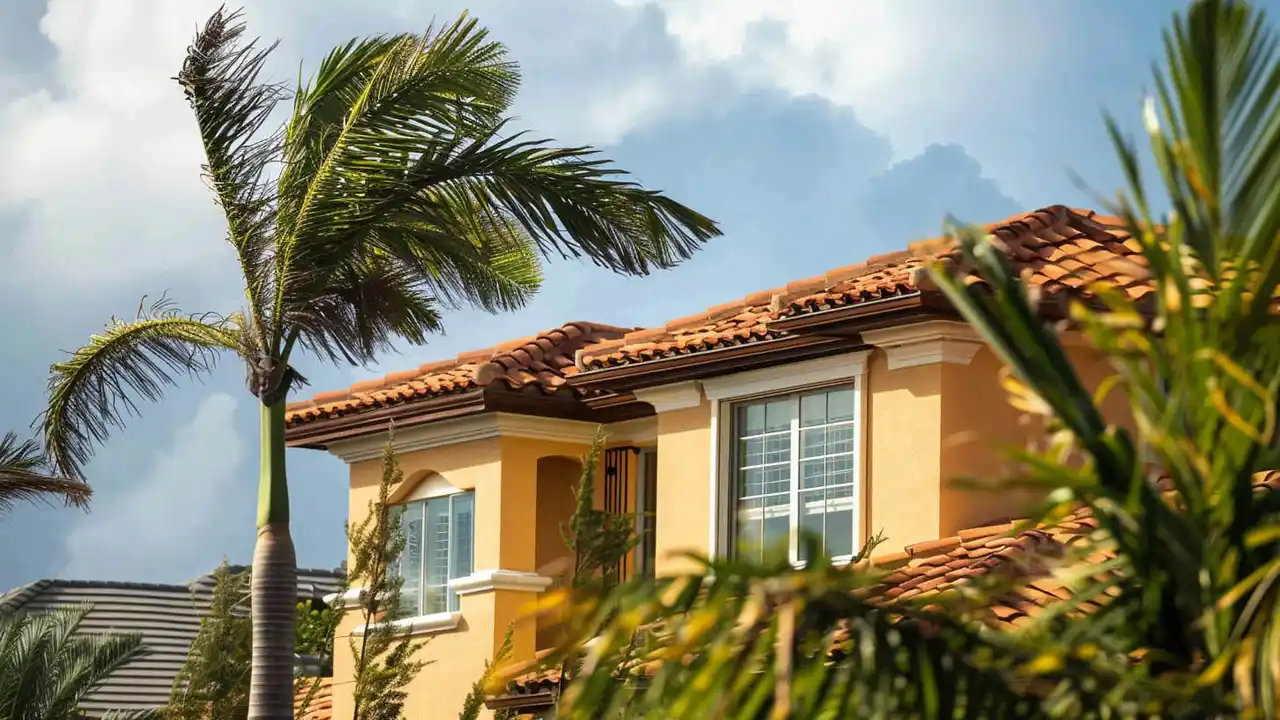
Tile roofs, whether concrete or clay, offer a beautiful aesthetic and can be very durable. However, their hurricane resistance largely depends on proper installation. Individual tiles can be vulnerable to wind uplift if not securely fastened. Modern installation techniques for hurricane zones involve mechanically fastening each tile, often with screws, and using foam adhesive to create a strong bond and seal.
* Recommended Products:
* Boral Roofing Clay and Concrete Tiles: Boral offers a wide range of profiles and colors, with specific installation guidelines and accessories designed for high-wind regions. Their 'Boral Tile Seal' underlayment and 'Boral Tile Lock' fasteners are key components.
* Eagle Roofing Products Concrete Tiles: Eagle is another major player, providing durable concrete tiles with various profiles. They emphasize proper fastening and underlayment systems for hurricane resistance.
* Use Cases: Ideal for homeowners who prioritize a specific aesthetic (Mediterranean, Spanish, etc.) and are willing to invest in the proper installation for hurricane protection. Often found in coastal luxury homes.
* Comparison: When properly installed, tiles can offer excellent wind resistance and a very long lifespan (50+ years). They are heavier than metal or asphalt, which can be an advantage in wind but requires a stronger roof structure. They can be more susceptible to breakage from direct impact (e.g., falling branches) than metal.
* Estimated Price Range (Materials only, per square): $250 - $800 (depending on tile type, profile, and manufacturer)
Other High Performance Options Synthetic and Composite Roofing
Synthetic and composite roofing materials are gaining popularity for their ability to mimic natural materials like slate or wood shakes while offering enhanced durability and hurricane resistance. They are typically lightweight, impact-resistant, and designed to withstand high winds.
* Recommended Products:
* DaVinci Roofscapes: Offers synthetic slate and shake tiles that are highly durable, impact-resistant, and come with high wind ratings (up to 110 mph or more). They are lightweight and don't absorb water.
* CeDUR Roofing Shakes: A composite shake product that looks like natural cedar but is fire-resistant, impact-resistant, and designed for high winds. It's much more durable than real wood in harsh weather.
* Use Cases: Great for homeowners who want the look of natural materials without the maintenance or vulnerabilities, and who need superior hurricane performance. Often a premium option.
* Comparison: Generally lighter than natural slate or concrete tiles, reducing structural load. Offers better impact and wind resistance than natural wood shakes. Can be more expensive than architectural asphalt but often less than premium metal or natural slate.
* Estimated Price Range (Materials only, per square): $350 - $700
Beyond Materials The Critical Role of Installation and Underlayment
Choosing the right material is only half the battle. The installation process and the components beneath your visible roof surface are equally, if not more, important for hurricane resistance.
Enhanced Underlayment Systems Secondary Water Barrier
Your underlayment acts as a secondary water barrier, protecting your home even if your primary roofing material is compromised. In hurricane zones, standard felt paper isn't enough. You need high-performance synthetic underlayments or, even better, self-adhering modified bitumen membranes.
* Self-Adhering Underlayments (SAU): These peel-and-stick membranes create a watertight seal directly to the roof deck. They are crucial for preventing water intrusion, especially around vulnerable areas like eaves, rakes, and penetrations. Some building codes in hurricane-prone areas mandate their use.
* Recommended Products:
* GAF StormGuard®: A self-adhering leak barrier designed for critical areas and full deck coverage in high-wind zones.
* Owens Corning WeatherLock® G: Granular surface self-sealing ice and water barrier, suitable for high-wind and heavy rain areas.
* CertainTeed WinterGuard®: A popular choice for ice and water protection, also effective as a secondary water barrier in hurricane regions.
* Use Cases: Essential for all roofs in hurricane zones, especially around eaves, valleys, and penetrations. Full deck coverage with SAU provides the ultimate secondary water barrier.
* Comparison: Far superior to traditional felt paper in terms of water resistance and adhesion. While more expensive, the protection they offer against water damage is invaluable.
* Estimated Price Range (Materials only, per square): $50 - $150
Proper Fastening Techniques Nailing Schedules and Adhesives
How your roofing material is attached to the roof deck is absolutely critical. For asphalt shingles, this means using the correct number of nails (often six per shingle in high-wind areas, instead of the standard four) and placing them precisely in the nailing strip. For metal and tile roofs, mechanical fasteners (screws) are typically used, often with specific patterns and lengths to ensure maximum pull-out resistance. Adhesives, like foam for tiles or specialized sealants for metal, also play a vital role in creating a monolithic, wind-resistant system.
Roof Deck Attachment Stronger Sheathing and Fasteners
The roof deck itself needs to be securely fastened to the rafters or trusses. In older homes, this might involve adding more nails or screws to the existing sheathing. For new construction or full replacements, using thicker plywood or OSB (e.g., 5/8-inch instead of 1/2-inch) and ensuring proper nailing patterns (e.g., 6 inches on center at edges and 12 inches in the field) can significantly increase the roof's ability to resist uplift.
Gable End Bracing and Reinforcement Structural Integrity
Gable ends are particularly vulnerable to wind damage. Reinforcing these areas with additional bracing or hurricane clips can prevent the entire gable wall from collapsing inwards or outwards during extreme winds. This is a structural improvement that goes beyond just the roofing material but is crucial for overall roof integrity.
Building Codes and Certifications Compliance for Peace of Mind
In hurricane-prone regions, building codes are often more stringent for roofing. Always ensure your contractor is familiar with and adheres to local codes, such as those in Florida (Florida Building Code) or other coastal states. Look for products and systems that have certifications like Miami-Dade NOA (Notice of Acceptance) or Texas Department of Insurance (TDI) approvals, which indicate they have been rigorously tested for hurricane performance.
Choosing the Right Roofing Contractor Experience and Reputation
This cannot be stressed enough: even the best materials will fail if installed incorrectly. When selecting a roofing contractor in a hurricane zone, prioritize experience with high-wind installations. Look for contractors who:
* Are licensed and insured.
* Have a strong track record and positive reviews, especially from clients in hurricane-affected areas.
* Provide detailed contracts outlining materials, installation methods (including specific fastening schedules), and warranties.
* Are knowledgeable about local building codes and hurricane-specific requirements.
* Offer comprehensive warranties on both materials and labor.
Maintenance and Inspection Post Hurricane Preparedness
Even with a hurricane-resistant roof, regular maintenance is key. After any significant storm, even if it wasn't a hurricane, it's wise to have your roof inspected for any potential damage. Look for loose or missing shingles, dents in metal, or cracked tiles. Addressing small issues promptly can prevent them from becoming major problems during the next big storm. Keep gutters clean to ensure proper drainage and prevent water from backing up under your roofing materials.
Investing in a hurricane-resistant roof is a significant decision, but it's one that offers invaluable peace of mind and protection for your home and family. By combining robust materials with expert installation and diligent maintenance, you can significantly enhance your home's resilience against the most powerful storms.
:max_bytes(150000):strip_icc()/277019-baked-pork-chops-with-cream-of-mushroom-soup-DDMFS-beauty-4x3-BG-7505-5762b731cf30447d9cbbbbbf387beafa.jpg)