How to Avoid Roofing Scams and Overcharging
Learn how to identify and avoid common roofing scams and prevent overcharging for services.
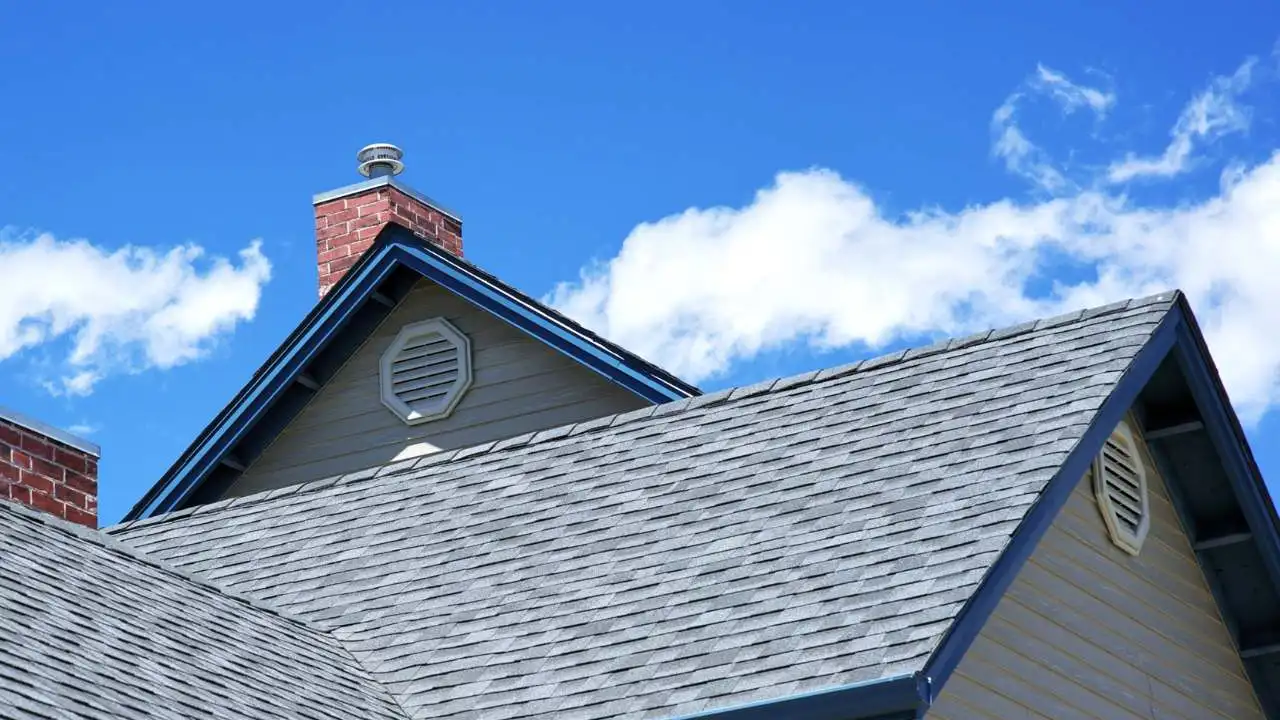
Learn how to identify and avoid common roofing scams and prevent overcharging for services. Protecting your home and your wallet from unscrupulous contractors is crucial, especially when dealing with significant investments like a new roof or major repairs. This guide will equip you with the knowledge and tools to navigate the roofing industry safely and confidently, ensuring you get quality work at a fair price.
How to Avoid Roofing Scams and Overcharging
Getting a new roof or having major repairs done is a big deal. It’s a significant investment in your home, and you want to make sure it’s done right and that you’re not getting ripped off. Unfortunately, the roofing industry, like many others, has its share of bad apples. These scammers often prey on homeowners, especially after major storms or when people are feeling vulnerable. But don't worry, with a little knowledge and some smart practices, you can protect yourself and ensure you get a fair deal.
Understanding Common Roofing Scams and Red Flags
Knowing what to look out for is half the battle. Scammers often use similar tactics, so recognizing these red flags can save you a lot of headaches and money.
The Storm Chaser Scam Identifying Door to Door Contractors
This is one of the most prevalent scams, especially after a severe weather event like a hurricane or hailstorm. Suddenly, contractors you've never heard of are knocking on your door, claiming to be in the area and offering 'free inspections.' They might even say they noticed damage on your roof that you weren't aware of. While some legitimate contractors do canvass, be extremely wary of those who show up uninvited, especially if they pressure you to sign a contract on the spot.
Red Flags:
- Unsolicited Visits: They appear out of nowhere, often right after a storm.
- High-Pressure Sales Tactics: They push you to sign a contract immediately, often claiming limited-time offers or that materials are running out.
- No Local Presence: They don't have a local office or a long-standing reputation in your community. Their vehicles might have out-of-state license plates.
- Asking for Full Payment Upfront: A reputable contractor will rarely ask for 100% of the payment before any work begins.
- Offering to Handle Insurance Claims Entirely: While they can assist, be cautious if they insist on being the sole point of contact with your insurance company or ask you to sign over your insurance check directly to them.
The Lowball Bid Scam Beware of Unrealistic Prices
Everyone loves a good deal, but if a quote seems too good to be true, it probably is. Scammers might offer an incredibly low price to get their foot in the door, only to hit you with hidden fees, shoddy workmanship, or demand more money later for 'unforeseen' issues.
Red Flags:
- Significantly Lower Than Others: If one bid is drastically lower than all others, question why.
- Vague Contracts: The contract lacks specific details about materials, scope of work, timelines, and payment schedules.
- No Itemized Costs: They provide a lump sum without breaking down labor, materials, and other expenses.
- Cash Only Deals: Insisting on cash payments to avoid taxes or leaving no paper trail.
The Disappearing Act Scam Unfinished Work and Vanishing Contractors
This scam involves contractors who take a deposit or even a significant portion of the payment, start some work (or none at all), and then disappear, leaving you with an unfinished roof and out of pocket.
Red Flags:
- Large Upfront Deposit: Asking for more than 10-30% upfront, especially for smaller jobs.
- No Fixed Business Address: They operate out of a P.O. Box or only a mobile phone.
- Poor Communication: Difficult to reach once the contract is signed and deposit is paid.
The Inferior Materials Scam Substandard Products and Hidden Costs
Some contractors might quote you for high-quality materials but then install cheaper, inferior products, pocketing the difference. This can lead to premature roof failure and costly repairs down the line.
Red Flags:
- Lack of Material Specifications: The contract doesn't clearly state the brand, type, and grade of materials to be used.
- No Manufacturer Warranties: They don't provide or mention manufacturer warranties for the materials.
- Refusal to Show Materials: They are hesitant to show you the actual materials before installation.
Protecting Yourself Best Practices for Homeowners
Now that you know what to look out for, let's talk about how to proactively protect yourself. These steps are crucial for any roofing project, big or small.
Researching Roofing Contractors Verifying Credentials and Reputation
This is perhaps the most critical step. Don't just pick the first contractor you find or the one with the lowest bid. Do your homework!
- Check for Licensing and Insurance: In many states and regions, roofing contractors must be licensed. Verify their license with your state's licensing board. Always ensure they have liability insurance and workers' compensation insurance. Ask for proof and call their insurance provider to confirm. This protects you if there's an accident on your property.
- Read Reviews and Testimonials: Look at online reviews on platforms like Google, Yelp, Better Business Bureau (BBB), and local community forums. Pay attention to both positive and negative feedback.
- Ask for References: A reputable contractor should be happy to provide you with a list of recent clients. Call these references and ask about their experience, the quality of work, adherence to budget and timeline, and communication.
- Verify Physical Address and Longevity: A contractor with a long-standing local presence is generally more reliable. Check if they have a physical office address, not just a P.O. Box.
Getting Multiple Bids Comparing Quotes and Specifications
Always get at least three detailed quotes from different contractors. This allows you to compare not just prices, but also the scope of work, materials, and warranties.
- Detailed Proposals: Insist on written, itemized proposals that clearly outline:
- The exact scope of work (e.g., tear-off, repairs to decking, installation of new underlayment, flashing, shingles).
- Specific materials to be used (brand, type, color, warranty information).
- Start and completion dates.
- Payment schedule.
- Cleanup procedures.
- Warranty information (both contractor's workmanship warranty and manufacturer's material warranty).
- Ask Questions: Don't be afraid to ask contractors to explain anything you don't understand in their proposal. A good contractor will be patient and transparent.
- Beware of Price Gouging: While you want quality, be aware of contractors who significantly inflate prices, especially after a natural disaster.
Understanding Contracts and Warranties Reading the Fine Print
Never sign a contract you haven't thoroughly read and understood. This document is your protection.
- Everything in Writing: Ensure all agreements, promises, and specifications are included in the written contract. Verbal agreements are difficult to enforce.
- Payment Schedule: A typical payment schedule involves a reasonable deposit (10-30%), progress payments, and a final payment upon satisfactory completion. Avoid contractors demanding full payment upfront.
- Lien Waivers: In some areas, if the contractor doesn't pay their suppliers or subcontractors, those parties can place a lien on your home. Ask for lien waivers from the contractor and all major suppliers/subcontractors, especially with final payment.
- Workmanship Warranty: Understand the contractor's warranty on their labor. How long is it? What does it cover?
- Manufacturer's Warranty: Ensure you receive the manufacturer's warranty for the roofing materials. This protects you against defects in the product itself.
- Cancellation Clause: Understand your rights if you need to cancel the contract.
Payment Practices Securing Your Investment
How you pay can also protect you from scams.
- Avoid Cash Payments: Always pay by check or credit card. This creates a paper trail.
- Staggered Payments: Tie payments to specific milestones in the project (e.g., deposit, materials delivered, roof deck complete, final inspection).
- Final Payment After Inspection: Withhold the final payment until the work is fully completed to your satisfaction and you've had a chance to inspect it (or have a third-party inspector look at it).
Recommended Products and Scenarios for Different Roofing Needs
While avoiding scams is crucial, choosing the right materials for your specific needs is equally important. Here are some popular roofing materials, their typical use cases, and general price ranges (note: prices are highly variable based on region, contractor, and specific product lines).
Asphalt Shingles The Versatile and Economical Choice
Use Case: Most residential homes in the US and increasingly popular in Southeast Asia due to their affordability and ease of installation. Good for sloped roofs.
Comparison:
- 3-Tab Shingles: Most basic, shortest lifespan (15-20 years), lowest cost. Less wind resistance.
- Architectural (Laminate) Shingles: More durable (25-30+ years), better aesthetic, better wind resistance. Mid-range cost.
- Designer (Luxury) Shingles: Mimic slate or wood shakes, longest lifespan (30-50 years), highest cost for asphalt. Excellent durability and curb appeal.
Recommended Products:
- GAF Timberline HDZ: A very popular architectural shingle in the US. Known for its good balance of cost, durability, and aesthetic appeal. Features LayerLock Technology for strong adhesion and a 25-year StainGuard Plus Algae Protection Limited Warranty.
- CertainTeed Landmark Pro: Another top-tier architectural shingle, offering a heavier shingle for enhanced durability and a wider array of color options. Comes with a 50-year limited transferable warranty.
- Owens Corning Duration Series: Features SureNail Technology for excellent wind resistance. Good value for money and widely available.
Estimated Price Range (Installed): $4.00 - $8.00 per square foot (US), $3.00 - $7.00 per square foot (Southeast Asia, depending on local labor and material sourcing).
Metal Roofing The Durable and Long Lasting Option
Use Case: Homes where longevity, energy efficiency, and extreme weather resistance are priorities. Excellent for both residential and commercial, and increasingly popular in coastal and high-wind areas, as well as for modern aesthetics.
Comparison:
- Standing Seam Metal: Premium option, concealed fasteners, sleek look, superior weather protection. Longest lifespan (50-70+ years).
- Corrugated Metal: More industrial look, exposed fasteners, more economical. Good for barns, sheds, but also residential.
- Metal Shingles/Tiles: Mimic traditional roofing materials like slate or wood, but with metal's durability.
Recommended Products:
- Classic Metal Roofing Systems (e.g., Oxford Shingle): Offers a variety of styles that mimic traditional shingles, slate, or wood, but with the benefits of aluminum. Excellent for residential applications.
- Fabral Standing Seam: A leading manufacturer of standing seam panels, offering various profiles and colors for both residential and commercial projects. Known for durability and weather resistance.
- BHP Steel (BlueScope Steel) Colorbond: Very popular in Southeast Asia and Australia. Offers pre-painted steel roofing with excellent thermal performance and corrosion resistance, suitable for tropical climates.
Estimated Price Range (Installed): $8.00 - $18.00+ per square foot (US), $7.00 - $15.00+ per square foot (Southeast Asia).
Tile Roofing Clay and Concrete for Aesthetics and Durability
Use Case: Homes seeking a distinctive aesthetic, excellent durability, and fire resistance. Very popular in Mediterranean, Spanish, and some Southeast Asian architectural styles. Good for hot climates due to thermal mass.
Comparison:
- Clay Tiles: Traditional, natural material, excellent longevity (50-100+ years), vibrant colors, but heavy and brittle.
- Concrete Tiles: More economical than clay, highly durable, available in many styles and colors, also heavy.
Recommended Products:
- Boral Roofing (e.g., ClayMax, Saxony): A major player in the US, offering a wide range of clay and concrete tile profiles and colors. Known for quality and extensive warranties.
- Eagle Roofing Products: Specializes in concrete roof tiles, offering a vast selection of styles, colors, and textures. Good for diverse architectural needs.
- SCG Cement-Building Materials (Thailand): A prominent manufacturer in Southeast Asia, offering various concrete roof tiles and accessories suitable for the region's climate and architectural preferences.
Estimated Price Range (Installed): $10.00 - $25.00+ per square foot (US), $8.00 - $20.00+ per square foot (Southeast Asia).
Synthetic Roofing Materials Modern Alternatives
Use Case: Homeowners wanting the look of natural materials (slate, wood shake) without the high cost, weight, or maintenance. Excellent durability and often made from recycled materials.
Comparison: These materials are designed to mimic others, offering enhanced performance.
- Composite Shingles: Made from recycled plastics and rubber, highly durable, impact-resistant, and often come with long warranties.
- Polymer Tiles: Lightweight, flexible, and resistant to cracking, fading, and insect damage.
Recommended Products:
- DaVinci Roofscapes (e.g., DaVinci Slate, DaVinci Shake): High-end synthetic roofing that perfectly replicates natural slate and cedar shakes. Offers superior impact and fire resistance, with a lifetime limited warranty.
- F Wave REVIA Synthetic Shingles: A newer entrant offering a durable, lightweight synthetic shingle that looks like asphalt but performs much better in terms of impact and wind resistance.
- Enviroshake: Made from 95% recycled materials, mimicking cedar shakes and slate. Very durable and environmentally friendly.
Estimated Price Range (Installed): $10.00 - $20.00+ per square foot (US), $9.00 - $18.00+ per square foot (Southeast Asia).
What to Do if You Suspect a Scam Reporting and Recourse
If you believe you've been targeted by a roofing scam or are experiencing issues with a contractor, don't just sit there. Take action!
Document Everything Keeping Records and Evidence
Keep meticulous records of everything: contracts, invoices, payment receipts, emails, text messages, photos of the work (before, during, and after), and notes from conversations. This documentation is crucial if you need to pursue legal action or file a complaint.
Contacting Relevant Authorities Consumer Protection and Licensing Boards
- State Attorney General's Office / Consumer Protection Agency: These agencies handle consumer complaints and can often mediate disputes or take legal action against fraudulent businesses.
- State Licensing Board: If the contractor is licensed, file a complaint with their licensing board. They can investigate and potentially revoke or suspend the contractor's license.
- Better Business Bureau (BBB): File a complaint with the BBB. While they don't have legal authority, they can help mediate and their ratings can impact a business's reputation.
- Local Law Enforcement: If you believe you've been a victim of outright fraud or theft, contact your local police department.
- Your Insurance Company: If the scam involves an insurance claim, immediately inform your insurance provider. They can offer guidance and protect your interests.
Seeking Legal Advice Consulting an Attorney
If the amount of money involved is substantial or if you're facing significant damages, it might be wise to consult with an attorney specializing in construction law or consumer protection. They can advise you on your legal options and help you navigate the process.
By being informed, diligent, and proactive, you can significantly reduce your risk of falling victim to roofing scams and overcharging. Your roof is a critical component of your home's protection, so invest wisely and protect yourself throughout the process.
:max_bytes(150000):strip_icc()/277019-baked-pork-chops-with-cream-of-mushroom-soup-DDMFS-beauty-4x3-BG-7505-5762b731cf30447d9cbbbbbf387beafa.jpg)