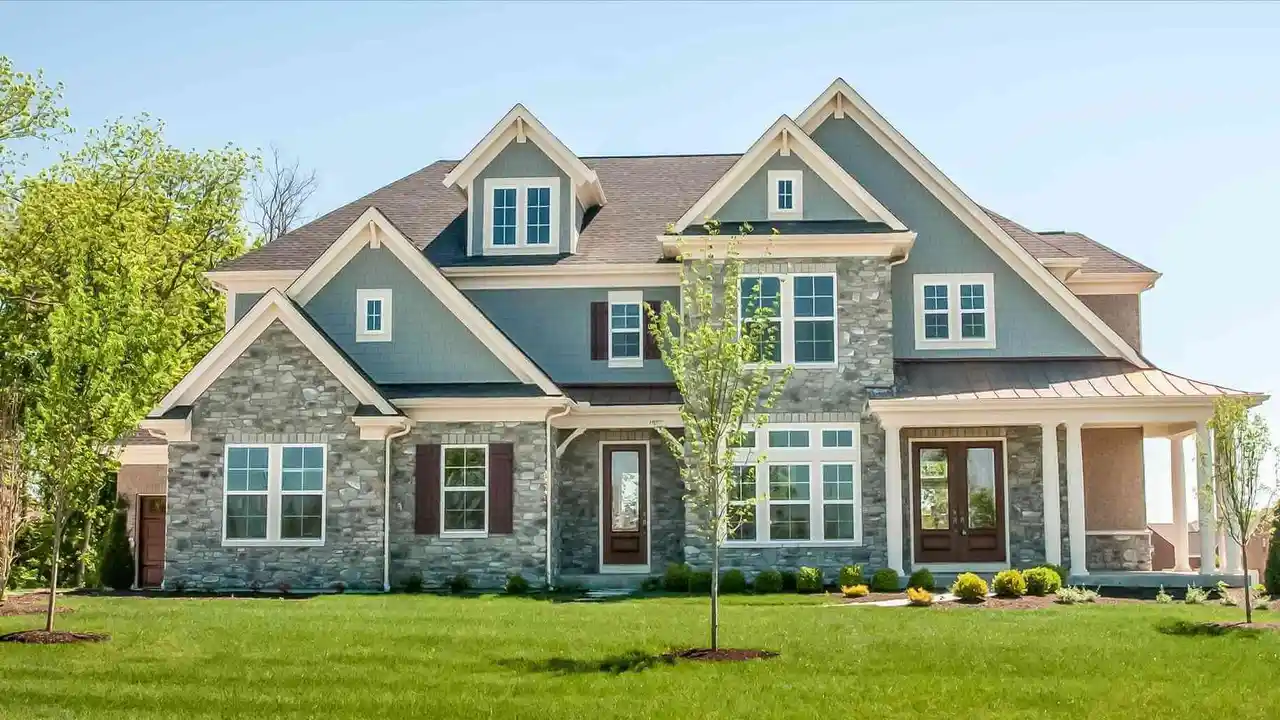
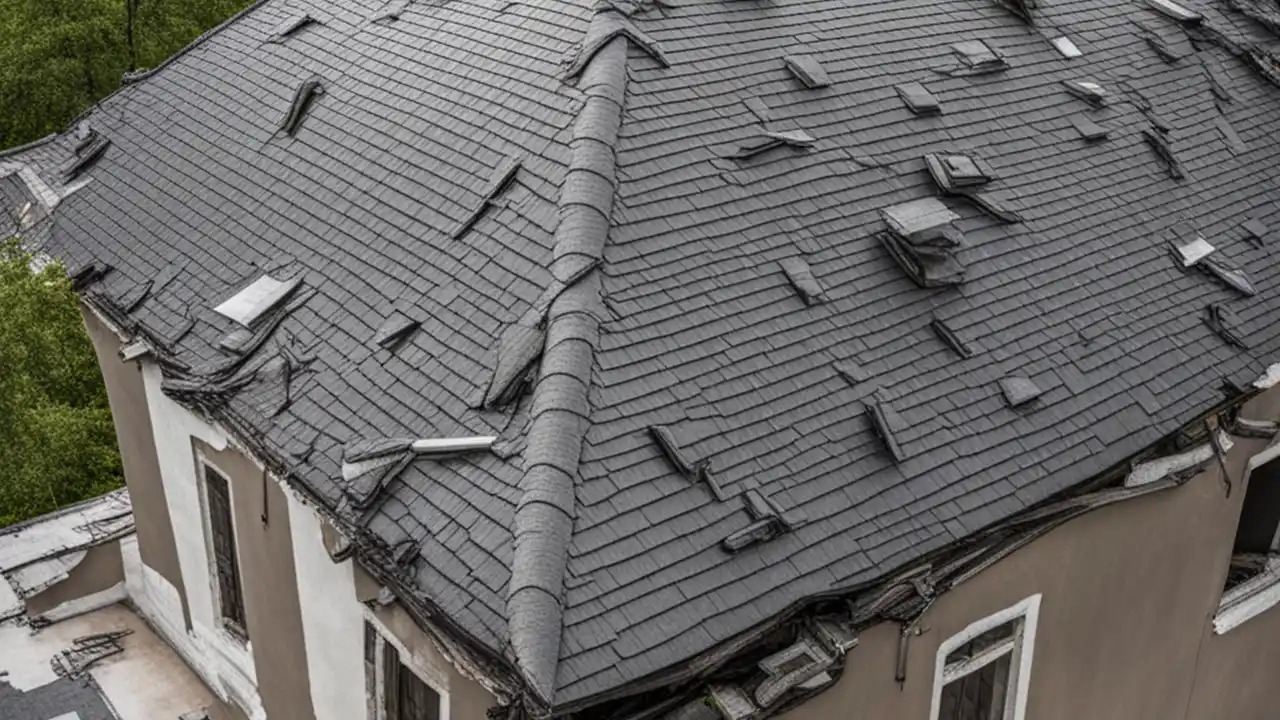
Copper Roofing The Ultimate Luxury Option
Delve into the world of copper roofing, known for its unparalleled longevity, beauty, and high-end appeal.
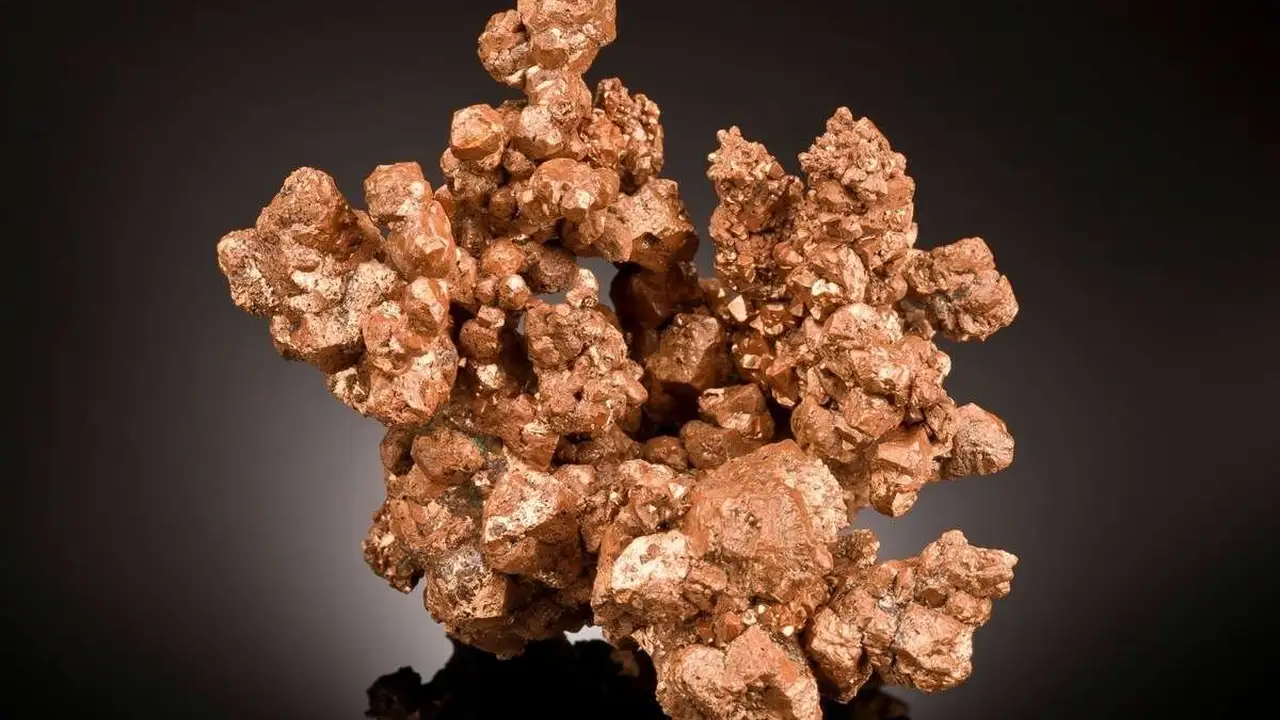
Delve into the world of copper roofing, known for its unparalleled longevity, beauty, and high-end appeal.
Copper Roofing The Ultimate Luxury Option
Hey there, homeowners! Are you dreaming of a roof that doesn't just protect your home but also elevates its aesthetic to a whole new level? Something that whispers elegance, screams durability, and practically guarantees a lifetime of worry-free protection? Well, let's talk about copper roofing. It's not just a roofing material; it's an investment in timeless beauty and unparalleled performance. While it might come with a higher upfront cost, the long-term benefits, stunning visual appeal, and incredible longevity make it a truly ultimate luxury option for discerning homeowners in both the US and Southeast Asia.
Why Choose Copper Roofing Unmatched Durability and Longevity
When we talk about roofing materials, durability is always a top concern. And when it comes to copper, it's in a league of its own. Copper roofs are renowned for their incredible lifespan, often lasting 100 years or even more with proper installation and minimal maintenance. Think about that for a second – a roof that could outlive you, your children, and even your grandchildren! This isn't just a claim; it's a proven track record. Many historical buildings around the world still boast their original copper roofs, standing strong against centuries of harsh weather conditions.
What makes copper so incredibly durable? It's a naturally corrosion-resistant metal. Unlike other metals that can rust or degrade over time, copper develops a protective layer called a 'patina.' This patina, which we'll talk more about in a bit, isn't just beautiful; it's a shield that protects the underlying metal from further oxidation and environmental damage. This inherent resistance to corrosion means copper roofs can withstand heavy rains, strong winds, extreme temperatures, and even saltwater exposure – making them an excellent choice for coastal properties in places like Florida, California, or the coastal regions of Southeast Asia where salt spray can be a major concern for other materials.
Beyond corrosion, copper is also incredibly resistant to fire, hail, and even mildew and algae growth. Its smooth surface doesn't provide a hospitable environment for organic growth, which is a common problem for shingle roofs in humid climates. This means less cleaning and fewer worries about unsightly stains or potential damage from biological invaders.
The Evolving Beauty of Copper Roofing Patina and Aesthetics
One of the most captivating aspects of copper roofing is its evolving beauty. When first installed, copper has a bright, shiny, reddish-gold appearance that is truly striking. It catches the light beautifully and instantly makes a statement. However, this isn't how it stays forever, and that's part of its charm.
Over time, as copper is exposed to the elements – oxygen, moisture, and pollutants – it undergoes a natural oxidation process. This process creates the famous 'patina.' The color transformation is gradual and mesmerizing. It typically starts with a dulling of the shine, then progresses through various shades of brown, eventually settling into a beautiful, distinctive blue-green or verdigris color. The exact shade and timeline of the patina development can vary depending on the local climate, humidity levels, and atmospheric conditions. For instance, in humid coastal areas, the patina might develop faster and be more pronounced than in dry, arid regions.
This patina isn't just a cosmetic change; it's a protective layer that enhances the copper's durability. It's also what gives copper roofs their iconic, classic look that is highly sought after for luxury homes, historic restorations, and architectural masterpieces. Some homeowners even opt for pre-patinated copper to achieve that aged look right from installation, though many prefer to let nature take its course and enjoy the gradual transformation.
The aesthetic versatility of copper is another huge plus. It complements a wide range of architectural styles, from traditional Victorian and Colonial homes to modern and contemporary designs. Its unique color and texture add a touch of sophistication and character that no other roofing material can quite replicate. Whether you're aiming for a rustic charm or a sleek, modern edge, copper can adapt and enhance your home's curb appeal significantly.
Types of Copper Roofing Systems and Their Applications
When you decide to go with copper, you'll find there are a few different systems and styles to consider, each with its own unique characteristics and ideal applications. Let's break down the most common ones:
Standing Seam Copper Roofing The Classic Choice
This is perhaps the most popular and recognizable form of copper roofing. Standing seam systems feature long, continuous panels that run from the eave to the ridge, with raised seams where the panels are joined. These seams are mechanically folded or crimped together, creating a watertight seal and a distinctive linear aesthetic. Standing seam copper is incredibly durable and offers excellent protection against water penetration. It's often used on both residential and commercial properties, especially those with a more modern or industrial-chic design, but it also looks fantastic on traditional homes. The clean lines and robust construction make it a favorite for those seeking maximum longevity and minimal maintenance.
Copper Shingles and Tiles For a Traditional Look
If you love the look of traditional shingles or tiles but want the benefits of copper, then copper shingles or tiles are a fantastic option. These are typically smaller, pre-formed pieces of copper that are installed in an overlapping pattern, similar to asphalt shingles or slate tiles. They offer a more textured and dimensional look than standing seam panels. Copper shingles can be flat, embossed, or even shaped to mimic other materials. They are particularly well-suited for homes where a more classic or intricate roof design is desired, and they can be a great way to incorporate copper's beauty without the bold linear statement of standing seam. They are also excellent for roofs with complex geometries or multiple dormers.
Copper Batten Seam Roofing A European Flair
Similar to standing seam, batten seam roofing uses raised seams, but instead of being crimped, the seams are covered with a metal cap or 'batten.' This creates a more pronounced, architectural look, often seen on European-style buildings. Batten seam copper offers excellent weather resistance and a very distinctive visual appeal, adding depth and shadow lines to the roof surface. It's a less common but highly elegant option for specific architectural styles.
Copper Flat Seam Roofing For Low Slope Applications
For low-slope or flat roof sections, flat seam copper roofing is often employed. This system involves smaller, flat copper sheets joined together with soldered seams. While it doesn't offer the same dramatic aesthetic as standing seam, it provides an incredibly durable and watertight solution for areas where water drainage is critical. It's often used for dormer tops, canopies, or specific architectural details where a seamless, flat appearance is desired.
Installation Considerations and Professional Expertise
Installing a copper roof is not a DIY project, nor is it a job for just any roofer. It requires specialized skills, tools, and experience. Copper is a unique material that expands and contracts significantly with temperature changes. A skilled installer understands these thermal dynamics and will incorporate proper expansion and contraction joints into the design to prevent buckling or stress on the panels. Improper installation can lead to serious issues, compromising the roof's integrity and longevity.
When choosing a contractor, look for one with extensive experience specifically in copper roofing. Ask for references, check their portfolio, and ensure they are familiar with local building codes and best practices for metal roofing. The quality of installation directly impacts the lifespan and performance of your copper roof, so don't cut corners here.
The installation process itself can be more labor-intensive than other roofing types, contributing to the higher cost. However, remember that this is a long-term investment, and a properly installed copper roof will pay dividends in terms of durability, low maintenance, and increased home value.
Cost of Copper Roofing A Luxury Investment
Let's address the elephant in the room: the cost. Copper roofing is undeniably one of the most expensive roofing materials on the market. Prices can vary significantly based on the type of system, the complexity of your roof, local labor rates, and the current market price of copper. Generally, you can expect to pay anywhere from $15 to $30 per square foot or even more for a fully installed copper roof. This is considerably higher than asphalt shingles (typically $4-8 per square foot) or even high-end metal roofing (around $8-15 per square foot).
However, it's crucial to look beyond the initial sticker price and consider the lifetime cost. When you factor in copper's incredible longevity (100+ years vs. 20-30 for asphalt, 40-70 for other metals) and its minimal maintenance requirements, the annual cost of ownership can actually be quite competitive, if not lower, than cheaper alternatives that require multiple replacements over the same period. A copper roof is often the last roof you'll ever need to buy.
Furthermore, a copper roof significantly boosts your home's resale value and curb appeal. It's a feature that immediately signals quality and luxury to potential buyers, often providing a strong return on investment.
Maintenance and Care for Your Copper Roof
One of the most appealing aspects of copper roofing, besides its beauty and durability, is its incredibly low maintenance. Once installed, a copper roof essentially takes care of itself. You won't need to worry about regular cleaning to prevent moss or algae, nor will you have to deal with frequent repairs due to cracking or warping.
However, 'low maintenance' doesn't mean 'no maintenance.' It's still a good idea to perform annual inspections, preferably by a professional, to check for any debris buildup in gutters, ensure flashing is intact, and address any potential issues early on. In areas with heavy tree cover, occasional cleaning to remove leaves and branches might be necessary to prevent water pooling, though copper's smooth surface generally sheds debris well.
If you prefer to maintain the bright, shiny appearance of new copper and prevent the patina from forming, you would need to regularly clean and polish the copper, and apply a clear protective coating. However, most homeowners embrace the natural patina as part of the copper's charm and character. If you have specific concerns about the patina development or want to accelerate or slow it down, consult with your roofing professional.
Comparing Copper with Other Premium Roofing Materials
Let's put copper in perspective by comparing it to a couple of other high-end roofing options you might be considering:
Copper vs Slate Roofing
Both copper and slate are considered top-tier, luxury roofing materials known for their longevity and aesthetic appeal. Slate can also last 100+ years and offers a natural, sophisticated look. However, slate is incredibly heavy, requiring significant structural reinforcement for your roof, which adds to the cost and complexity of installation. It's also brittle and can crack under impact, making repairs more challenging. Copper, while still substantial, is lighter than slate and offers superior impact resistance. The aesthetic is also different: slate offers a natural stone look, while copper provides a unique metallic sheen that evolves over time. For sheer durability and minimal structural demands, copper often has an edge.
Copper vs Zinc Roofing
Zinc is another excellent metal roofing option, sharing many similarities with copper, including a long lifespan (80-100 years) and the development of a protective patina. Zinc is generally less expensive than copper, making it a strong contender for those seeking a premium metal roof at a slightly lower price point. The patina on zinc is typically a soft, matte grey, which is different from copper's blue-green. Both are self-healing to some extent, meaning minor scratches can 'heal' over time as the patina reforms. The choice between copper and zinc often comes down to aesthetic preference and budget, with copper offering that distinct reddish-gold to verdigris transformation.
Recommended Copper Roofing Products and Manufacturers
While copper itself is a raw material, several reputable manufacturers produce high-quality copper roofing systems and components. When looking for products, you'll typically be looking at the gauge (thickness) of the copper, the type of system (standing seam, shingles), and the finish (natural, pre-patinated).
- Revere Copper Products: A long-standing and highly respected name in the copper industry, Revere offers a wide range of architectural copper products, including sheets and coils for roofing applications. They are known for their consistent quality and adherence to industry standards.
- Hussey Copper: Another major player, Hussey Copper provides high-quality copper sheets and strips suitable for various roofing systems. Their products are often favored by custom fabricators for standing seam panels.
- Zappone Copper Roofing: Specializing in copper shingles and tiles, Zappone offers pre-formed copper roofing systems that provide a distinct aesthetic and easier installation for certain applications. Their products are known for their craftsmanship and attention to detail.
- Classic Metal Roofing Systems (Copper Series): While known for various metal roofing types, Classic Metal Roofing Systems offers copper shingle and standing seam options. They often provide complete systems, including accessories, making it easier for contractors to source all components from one place.
- B&B Sheet Metal (Custom Fabrication): For truly bespoke copper roofing, especially standing seam, many high-end projects rely on local sheet metal fabricators who custom-form panels from large copper coils. Companies like B&B Sheet Metal (and similar local fabricators across the US and Southeast Asia) can create custom profiles and ensure a perfect fit for unique architectural designs.
Product Comparison and Usage Scenarios:
- For a sleek, modern look with maximum weather protection: Opt for standing seam copper panels, typically 16 oz or 20 oz copper. These are ideal for contemporary homes, commercial buildings, or any structure where a clean, linear aesthetic is desired. Manufacturers like Revere or Hussey provide the raw material, and a skilled fabricator will create the panels.
- For a traditional, textured appearance: Consider copper shingles or tiles. Zappone Copper Roofing is a great example of a company specializing in these. They are perfect for historic homes, craftsman-style houses, or properties where you want the beauty of copper but with a more classic shingle profile.
- For intricate architectural details or low-slope sections: Flat seam copper, often custom-fabricated, is the go-to. This allows for precise detailing around dormers, cupolas, or on specific architectural elements where a seamless, watertight finish is paramount.
Pricing Considerations (General Estimates, always get specific quotes):
- Raw Copper Material (sheets/coils): Expect to pay around $8-15 per square foot for the material alone, depending on gauge and market fluctuations.
- Fabricated Standing Seam Panels: This can range from $12-20+ per square foot for the fabricated panels, before installation.
- Copper Shingles/Tiles: Pre-formed shingles might be in the $10-18 per square foot range for the material.
- Full Installation Cost (Material + Labor + Accessories): As mentioned, this is where the price jumps significantly, typically $15-30+ per square foot. For a 2,000 sq ft roof, you could be looking at anywhere from $30,000 to $60,000 or more. This includes underlayment, flashing, fasteners, and the specialized labor required.
Remember, these are rough estimates. The final price will depend heavily on your specific project, location, and the chosen contractor. Always get multiple detailed quotes from experienced copper roofing specialists.
Environmental Benefits and Sustainability of Copper Roofing
Beyond its beauty and durability, copper is also an incredibly sustainable choice for roofing. It's a naturally occurring material that is 100% recyclable without any loss of quality. In fact, a significant portion of new copper produced today comes from recycled sources. This means that at the end of its incredibly long life, your copper roof can be recycled and repurposed, reducing waste and conserving natural resources.
Furthermore, copper's longevity means fewer resources are consumed over the lifespan of your home compared to materials that need frequent replacement. Its resistance to corrosion and biological growth also means fewer harsh chemicals are needed for maintenance. While the initial energy input for mining and processing copper can be higher than some other materials, its extended lifespan and recyclability often make it a more environmentally friendly option in the long run.
Is Copper Roofing Right for Your Home
So, after all this, is copper roofing the right choice for you? If you're looking for a roofing material that offers:
- Unmatched longevity and durability, potentially lasting over a century.
- A unique, evolving aesthetic that adds significant curb appeal and luxury.
- Exceptional resistance to corrosion, fire, hail, and biological growth.
- Minimal maintenance requirements.
- A strong return on investment through increased home value.
- An environmentally responsible and recyclable option.
And you're prepared for a higher upfront investment, then copper roofing is absolutely worth considering. It's a statement of quality, a testament to timeless design, and a practical choice for homeowners who want the very best for their property. Whether you're building a new custom home or undertaking a significant renovation, a copper roof will set your property apart and provide decades of reliable, beautiful protection. Talk to a specialized copper roofing contractor in your area to explore the possibilities and get a detailed quote tailored to your specific needs.
:max_bytes(150000):strip_icc()/277019-baked-pork-chops-with-cream-of-mushroom-soup-DDMFS-beauty-4x3-BG-7505-5762b731cf30447d9cbbbbbf387beafa.jpg)