Fire Resistant Roofing for Wildfire Zones
Identify highly fire-resistant roofing materials crucial for homes located in wildfire-prone regions.

Identify highly fire-resistant roofing materials crucial for homes located in wildfire-prone regions.
Fire Resistant Roofing for Wildfire Zones
Living in a wildfire-prone area can be absolutely breathtaking, with stunning natural landscapes and a sense of adventure right outside your door. But let's be real, it also comes with a significant responsibility: protecting your home from the very real threat of wildfires. When we talk about home protection, one of the most critical components is your roof. It's your first line of defense against embers and flames, and choosing the right fire-resistant roofing material isn't just a good idea; it's often a life-saving one.
Think about it: during a wildfire, embers can travel for miles, landing on roofs and igniting homes from the top down. A roof that can resist these embers, or even direct flame contact for a period, dramatically increases your home's chances of survival. This isn't just about the material itself, but also how it's installed and maintained. So, let's dive deep into what makes a roof fire-resistant, the best materials out there, and how you can make your home a fortress against wildfires.
Understanding Fire Ratings for Roofing Materials
Before we get into specific materials, it's super important to understand how roofing materials are rated for fire resistance. In the United States, the most common system is established by ASTM International (formerly the American Society for Testing and Materials) and Underwriters Laboratories (UL). These ratings classify roofing materials based on their ability to resist fire penetration from external sources and prevent the spread of flames.
Class A Roofing Materials The Gold Standard for Fire Resistance
When you're looking for fire-resistant roofing, Class A is the absolute best you can get. These materials offer the highest level of fire resistance, meaning they can withstand severe exposure to fire originating from outside the building. They're tested to resist flame spread, prevent flame penetration to the attic space, and remain intact for a significant period under fire conditions. If you live in a high-risk wildfire zone, Class A is what you should be aiming for.
Class B and Class C Roofing Materials What You Need to Know
While Class A is ideal, you might also encounter Class B and Class C ratings. Class B materials offer moderate fire resistance, capable of withstanding moderate fire exposure. Class C materials provide light fire resistance. In wildfire-prone areas, Class B and especially Class C are generally not recommended as primary roofing materials unless they are part of a larger, specifically engineered fire-resistant system. Always check local building codes, as many wildfire-prone regions mandate Class A roofing.
Top Fire Resistant Roofing Materials for Wildfire Zones
Now that we understand the ratings, let's explore the best roofing materials that typically achieve a Class A fire rating and are highly recommended for homes in wildfire zones.
Asphalt Shingles The Popular and Practical Choice
Asphalt shingles are incredibly popular, and for good reason. They're relatively affordable, widely available, and many types offer excellent fire resistance. Most fiberglass-mat asphalt shingles, especially those with a mineral granule surface, achieve a Class A fire rating. The fiberglass mat itself is non-combustible, and the mineral granules help to resist ignition and flame spread.
Pros of Asphalt Shingles for Fire Resistance:
- Cost-Effective: Generally one of the most budget-friendly Class A options.
- Wide Variety: Available in numerous colors and styles to match any home aesthetic.
- Easy Installation: Relatively straightforward to install, which can keep labor costs down.
- Good Performance: Proven track record in resisting ember ignition.
Cons of Asphalt Shingles:
- Durability: While fire-resistant, they might not last as long as some other premium options, especially in extreme weather.
- Heat Absorption: Darker shingles can absorb a lot of heat, potentially increasing cooling costs.
Recommended Asphalt Shingle Products:
- GAF Timberline HDZ: A very popular architectural shingle that consistently achieves a Class A fire rating. It's known for its durability and aesthetic appeal. Expect pricing around $100-$150 per square (100 sq ft) for materials.
- CertainTeed Landmark Pro: Another excellent architectural shingle with a Class A fire rating, offering a wide range of colors and a robust warranty. Material costs are similar to GAF, roughly $100-$160 per square.
- Owens Corning Duration Series: These shingles also boast a Class A fire rating and are known for their SureNail Technology, which enhances installation and wind resistance. Material pricing is typically in the $90-$150 per square range.
Usage Scenario:
Asphalt shingles are a fantastic choice for homeowners looking for a balance of affordability, aesthetics, and Class A fire protection. They are suitable for most residential applications in wildfire zones, especially where budget is a primary concern but safety cannot be compromised.
Metal Roofing The Ultimate in Non-Combustibility
Metal roofing is arguably one of the best choices for fire resistance. Steel, aluminum, copper, and zinc roofs are inherently non-combustible and typically carry a Class A fire rating without any special treatments. They don't ignite, and they don't provide fuel for a fire. This makes them incredibly effective against airborne embers and direct flame impingement.
Pros of Metal Roofing for Fire Resistance:
- Superior Fire Resistance: Naturally non-combustible, offering top-tier protection.
- Durability and Longevity: Can last 40-70 years or even longer with proper maintenance.
- Lightweight: Lighter than many other roofing materials, which can be beneficial for structural integrity.
- Energy Efficient: Many metal roofs are coated with reflective pigments, reducing heat absorption and cooling costs.
- Recyclable: Environmentally friendly option.
Cons of Metal Roofing:
- Higher Upfront Cost: Generally more expensive than asphalt shingles.
- Noise: Can be noisier during heavy rain or hail, though proper insulation can mitigate this.
- Denting: Some types of metal can dent from heavy impacts.
Recommended Metal Roofing Products:
- Standing Seam Metal Roofs (e.g., from Sheffield Metals, McElroy Metal): These systems feature interlocking panels with concealed fasteners, offering excellent weather and fire resistance. Material costs can range from $200-$600+ per square, depending on the metal type (steel, aluminum, copper) and finish.
- Metal Shingles (e.g., from Decra, Gerard Roofing): These are metal panels stamped to look like traditional shingles, shakes, or tiles, providing the aesthetic appeal with the fire resistance of metal. Pricing typically falls between $250-$500 per square for materials.
- Corrugated Metal Panels (e.g., from Fabral, Metal Sales): A more industrial look, often used for agricultural or commercial buildings, but also suitable for modern residential designs. More budget-friendly than standing seam, often $100-$300 per square for materials.
Usage Scenario:
Metal roofing is an excellent investment for homeowners in high-risk wildfire areas who prioritize maximum fire protection, long-term durability, and energy efficiency. It's particularly well-suited for modern homes or those seeking a distinctive aesthetic.
Tile Roofing Clay and Concrete for Classic Protection
Clay and concrete tiles have been used for centuries and are renowned for their inherent fire resistance. Both materials are non-combustible and provide a robust barrier against fire. They typically achieve a Class A fire rating, making them a strong contender for wildfire-prone regions.
Pros of Tile Roofing for Fire Resistance:
- Exceptional Fire Resistance: Naturally non-combustible and highly resistant to embers.
- Extreme Durability: Can last 50-100 years or more.
- Aesthetic Appeal: Offers a classic, elegant look that can significantly enhance curb appeal.
- Energy Efficient: The thermal mass and air circulation beneath tiles can help keep homes cooler.
Cons of Tile Roofing:
- Heavy: Tiles are very heavy, often requiring additional structural reinforcement for your roof deck.
- Fragile: Can be brittle and prone to breaking if walked on improperly or hit by heavy objects.
- Higher Cost: One of the more expensive roofing options, both for materials and installation.
Recommended Tile Roofing Products:
- Boral Roofing (now Westlake Royal Roofing Solutions) Clay and Concrete Tiles: Boral offers a vast selection of clay and concrete tiles in various profiles and colors, all with Class A fire ratings. Material costs for concrete tiles can range from $150-$300 per square, while clay tiles are typically $300-$800+ per square.
- Eagle Roofing Products Concrete Tiles: Eagle is a leading manufacturer of concrete roof tiles, known for their durability and wide range of styles. Expect material pricing similar to Boral's concrete tiles, around $150-$300 per square.
Usage Scenario:
Tile roofing is ideal for homeowners in wildfire zones who desire a long-lasting, highly fire-resistant roof with significant aesthetic value. It's a premium option often chosen for Mediterranean, Spanish, or traditional architectural styles, provided the home's structure can support the weight.
Slate Roofing The Timeless and Indestructible Option
Natural slate is another inherently non-combustible material that offers unparalleled fire resistance. It's essentially rock, so it won't burn, making it an excellent choice for wildfire protection. Slate roofs are known for their incredible longevity and distinctive appearance.
Pros of Slate Roofing for Fire Resistance:
- Unmatched Fire Resistance: Completely non-combustible.
- Exceptional Longevity: Can last 100-200 years, often outliving the house itself.
- Aesthetic Beauty: Provides a unique, sophisticated, and timeless look.
- Low Maintenance: Once installed, slate requires very little maintenance.
Cons of Slate Roofing:
- Extremely Heavy: Like tiles, slate requires significant structural reinforcement.
- Very Expensive: One of the most expensive roofing materials, both for materials and specialized installation.
- Fragile: Can break if walked on improperly.
Recommended Slate Roofing Products:
- Vermont Structural Slate Company: A well-known supplier of high-quality natural slate from North America. Material costs for natural slate can be very high, often $600-$1500+ per square, depending on the type and thickness.
- Greenstone Slate: Another reputable source for natural slate, offering various colors and sizes. Pricing is comparable to other premium natural slate suppliers.
Usage Scenario:
Slate roofing is for the homeowner in a wildfire zone who wants the absolute best in fire protection, durability, and luxury, and is prepared for a significant investment. It's often chosen for high-end custom homes or historic renovations where authenticity and longevity are paramount.
Synthetic and Composite Roofing Modern Solutions for Fire Safety
In recent years, synthetic and composite roofing materials have emerged as fantastic alternatives, often mimicking the look of natural materials like wood shakes or slate but with enhanced fire resistance. Many of these products are engineered to achieve a Class A fire rating.
Pros of Synthetic and Composite Roofing for Fire Resistance:
- Class A Fire Rating: Many products are specifically designed to meet this standard.
- Aesthetic Versatility: Can replicate the look of wood, slate, or tile without the associated fire risks.
- Lighter Weight: Often much lighter than natural slate or tile, reducing structural requirements.
- Durability: Resistant to rot, insects, and often impact damage.
- Eco-Friendly Options: Some are made from recycled materials.
Cons of Synthetic and Composite Roofing:
- Cost: Can be more expensive than asphalt shingles, though generally less than natural slate or high-end tiles.
- Newer Technology: While proven, some homeowners prefer materials with a longer track record.
Recommended Synthetic and Composite Roofing Products:
- DaVinci Roofscapes (Synthetic Slate and Shake): DaVinci offers premium synthetic slate and shake tiles that are Class A fire rated, highly durable, and come in a wide array of colors. Material costs typically range from $300-$600 per square.
- CeDUR Roofing Shakes (Synthetic Wood Shakes): CeDUR provides synthetic wood shakes that look incredibly realistic but are Class A fire rated and highly resistant to rot and insects. Material pricing is often in the $350-$700 per square range.
- Enviroshake (Recycled Composite Shakes): Made from recycled materials, Enviroshake offers a durable, Class A fire-rated composite shake that mimics natural cedar. Expect material costs around $400-$750 per square.
Usage Scenario:
Synthetic and composite roofing is perfect for homeowners in wildfire zones who love the aesthetic of natural wood shakes or slate but need superior fire resistance and lower maintenance. They offer a great balance of beauty, safety, and modern performance.
Beyond the Material Comprehensive Wildfire Home Hardening
Choosing a Class A fire-rated roof is a huge step, but it's just one piece of the puzzle when it comes to protecting your home from wildfires. A truly fire-resistant home involves a holistic approach, often referred to as 'home hardening.' Here are some other critical considerations:
Roof Edges and Eaves Preventing Ember Entry
Even with a Class A roof, embers can still get into your attic or eaves if these areas aren't properly protected. Make sure your roof edges are sealed, and any gaps are closed. Eaves and soffits should be enclosed with fire-resistant materials, and any vents should have fine mesh screens (1/8 inch or smaller) to prevent embers from entering.
Gutters and Downspouts Keeping Them Clear
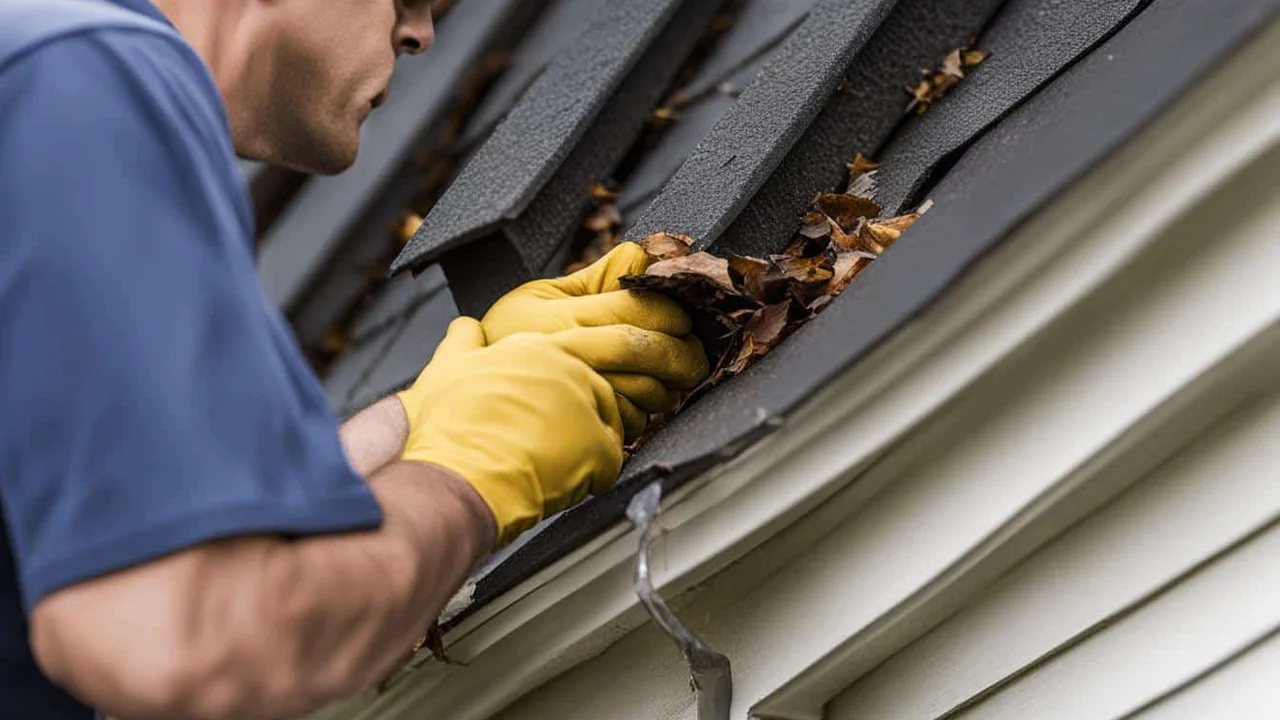
Gutters filled with dry leaves, pine needles, or other debris are a major fire hazard. Embers can easily ignite this fuel, and the fire can then spread to your roof and home. Regularly clean your gutters, especially during wildfire season. Consider installing gutter guards that prevent debris buildup while still allowing water to flow.
Attic and Foundation Vents Protecting Vulnerable Openings
Vents are essential for proper air circulation in your attic and crawl spaces, but they can also be entry points for embers. Ensure all vents are covered with 1/8-inch metal mesh screening. Plastic screens can melt, so metal is key here. There are also specialized fire-resistant vents designed to close automatically when exposed to extreme heat.
Skylights and Chimneys Sealing and Screening
Skylights should be made of tempered glass and properly sealed. Chimneys should have spark arrestors installed to prevent embers from escaping and landing on your roof or surrounding vegetation. Regularly inspect and clean your chimney.
Defensible Space Creating a Buffer Zone
This isn't directly about your roof, but it's absolutely crucial. Creating a defensible space around your home means clearing away flammable vegetation and materials. This typically involves three zones:
- Zone 1 (0-5 feet from home): This is your immediate zone. Remove all combustible materials, including dead plants, leaves, and firewood. Use hardscaping like concrete or gravel.
- Zone 2 (5-30 feet from home): This is your intermediate zone. Reduce and thin vegetation, remove lower branches from trees, and ensure plants are well-irrigated.
- Zone 3 (30-100 feet from home): This is your extended zone. Continue to thin and space out vegetation, creating breaks in fuel continuity.
Installation Matters The Role of a Qualified Contractor
Even the best fire-resistant material won't perform as intended if it's not installed correctly. This is where a qualified and experienced roofing contractor comes in. They should be familiar with local building codes for wildfire-prone areas, which often have specific requirements for underlayment, flashing, and ventilation.
A good contractor will:
- Ensure Proper Underlayment: Use fire-resistant underlayment where required.
- Correct Flashing: Install flashing correctly around chimneys, vents, and valleys to prevent ember entry.
- Seal Gaps: Make sure all gaps and openings are properly sealed.
- Adhere to Codes: Be up-to-date on all local fire-safety building codes and regulations.
Maintenance for Ongoing Fire Protection
Your fire-resistant roof isn't a set-it-and-forget-it solution. Regular maintenance is key to ensuring it continues to provide optimal protection:
- Regular Cleaning: Keep your roof free of leaves, pine needles, and other debris, especially in valleys and around chimneys.
- Gutter Cleaning: As mentioned, clean your gutters frequently.
- Inspect for Damage: Periodically check for damaged or missing shingles/tiles, cracks, or compromised flashing. Repair these immediately.
- Trim Overhanging Branches: Keep tree branches trimmed back from your roof to prevent them from becoming a fuel source or dropping debris.
Making the Right Choice for Your Home
Choosing the right fire-resistant roofing material is a critical decision for homeowners in wildfire zones. It's a balance of safety, budget, aesthetics, and long-term performance. While the initial investment for some of these premium materials might be higher, the peace of mind and enhanced protection they offer are truly invaluable.
Always consult with local fire authorities and building code officials to understand specific requirements in your area. Then, work with a reputable roofing contractor who specializes in fire-resistant installations. By combining a Class A fire-rated roof with comprehensive home hardening strategies and diligent maintenance, you can significantly increase your home's resilience against the devastating threat of wildfires. Stay safe out there!
:max_bytes(150000):strip_icc()/277019-baked-pork-chops-with-cream-of-mushroom-soup-DDMFS-beauty-4x3-BG-7505-5762b731cf30447d9cbbbbbf387beafa.jpg)