Explore roofing designs and materials that offer enhanced resistance to seismic activity for earthquake-prone areas. Living in an earthquake-prone region means constantly thinking about how to protect your home and, more importantly, your family. While the foundation and structural integrity of your house are paramount, the roof often gets overlooked. Yet, a well-designed and properly installed earthquake-resistant roof can make a significant difference in how your home withstands seismic activity. It's not just about preventing collapse; it's about minimizing damage, ensuring safety, and maintaining the integrity of your shelter when the ground starts to shake.
Understanding Seismic Forces and Roof Vulnerabilities
When an earthquake hits, your home experiences a complex set of forces. These include horizontal shaking, vertical movement, and torsional (twisting) forces. The roof, being at the top of the structure, is particularly susceptible to these forces. Its weight, how it's attached to the walls, and the flexibility of its materials all play a crucial role in its performance during an earthquake. Traditional roofing systems, especially those with heavy materials like clay tiles or slate, can become dangerous projectiles if not properly secured. The sheer mass can amplify seismic forces, leading to structural failure or detachment from the building frame. Lightweight materials, on the other hand, can reduce the overall seismic load on the structure, but they still need robust attachment methods to prevent them from being dislodged.
The Importance of a Strong Roof to Wall Connection for Seismic Safety
One of the most critical aspects of earthquake-resistant roofing is the connection between the roof and the walls. This is often referred to as the 'load path.' During an earthquake, forces are transferred from the ground, through the foundation, up the walls, and into the roof. If there's a weak link in this chain, the roof can separate from the rest of the house. This is where hurricane clips, seismic ties, and proper nailing schedules come into play. These connectors are designed to resist uplift and lateral forces, essentially tying the roof structure securely to the wall framing. For older homes, retrofitting these connections can be a highly effective way to improve seismic resilience without a full roof replacement.
Roof Diaphragm Action and Shear Walls in Earthquake Resistance
Beyond the connections, the roof itself needs to act as a rigid diaphragm. Imagine the roof as a horizontal beam that distributes seismic forces to the shear walls below. Shear walls are specially designed walls that resist lateral forces. If the roof isn't stiff enough, it can deform and fail to transfer these forces effectively, leading to uneven stress distribution and potential collapse. Plywood or OSB sheathing, properly nailed and blocked, creates this diaphragm action. The thicker the sheathing and the closer the nailing, the stronger the diaphragm. This is a fundamental principle in seismic design and is often a focus during new construction or major renovations in earthquake-prone areas.
Key Features of Earthquake Resistant Roofing Materials and Systems
When it comes to choosing materials for an earthquake-resistant roof, the primary considerations are weight, flexibility, and durability. Lighter materials generally perform better as they impose less seismic load on the overall structure. However, even heavy materials can be made more resilient with proper installation techniques and structural reinforcement.
Lightweight Roofing Materials for Reduced Seismic Load
Lightweight roofing materials are often the first choice for earthquake-prone regions. They reduce the inertial forces acting on the structure during shaking. Here are some of the best options:
- Asphalt Shingles: These are widely popular due to their affordability, ease of installation, and relatively low weight. Modern asphalt shingles are designed to be flexible and can withstand significant movement without cracking. They are typically secured with nails, and a proper nailing pattern is crucial for seismic resistance.
- Metal Roofing: Standing seam, corrugated, or metal tile roofs are excellent choices. They are incredibly lightweight, durable, and can be securely fastened to the roof deck. Metal roofs are also flexible, allowing them to move with the building during seismic events without fracturing. They are also fire-resistant, which is an added benefit in many regions.
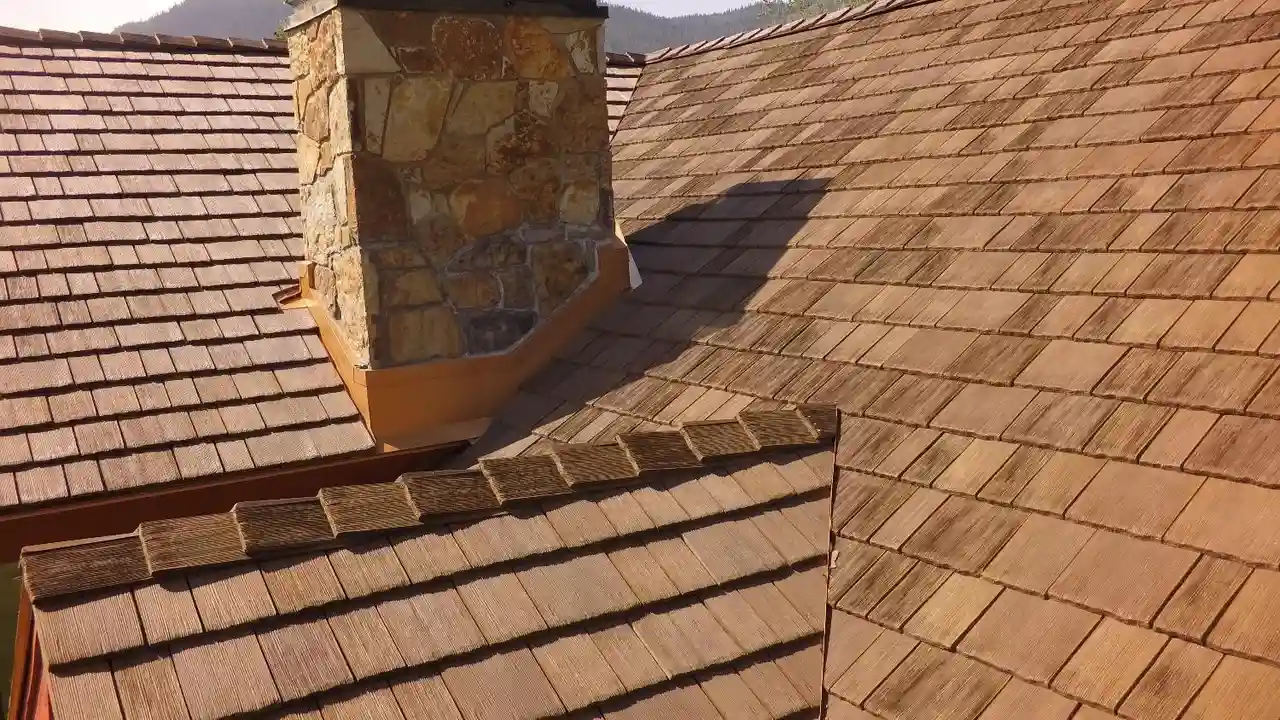
- Composite or Synthetic Shingles: These materials mimic the look of natural slate or wood shakes but are significantly lighter and more durable. Made from recycled plastics and rubber, they offer excellent flexibility and impact resistance, making them ideal for seismic zones.
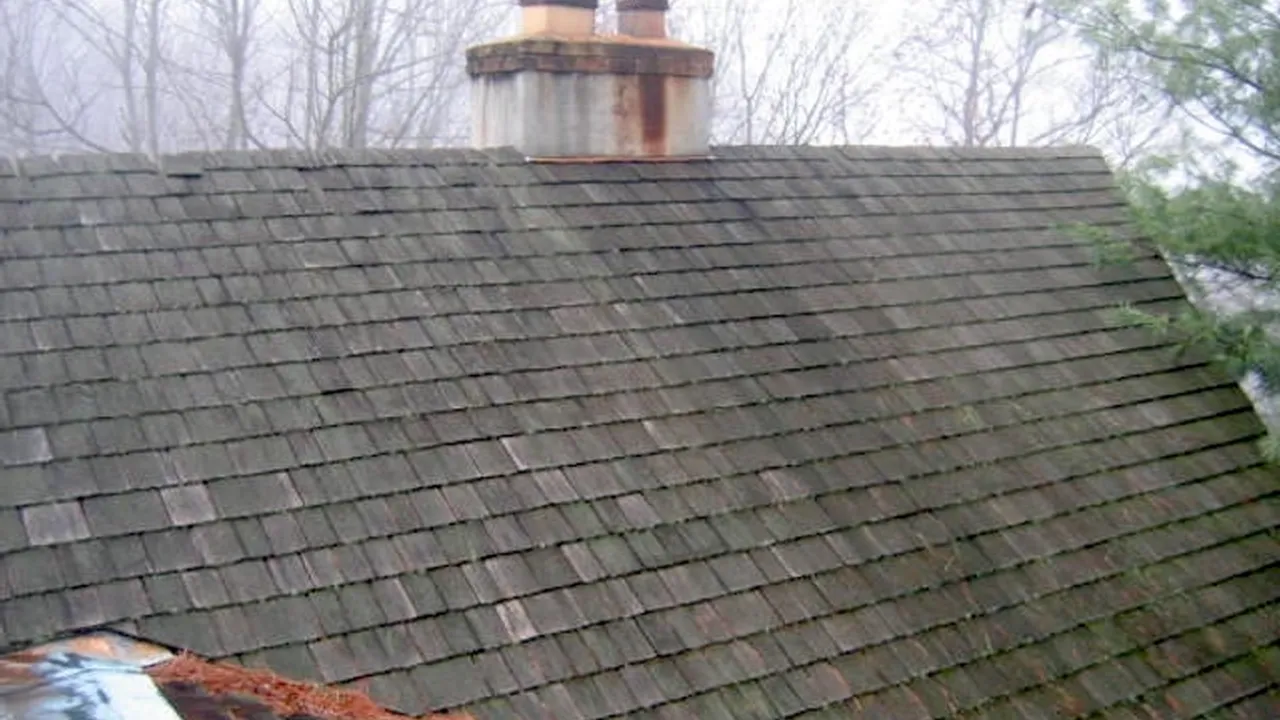
- Wood Shakes and Shingles: While heavier than asphalt or metal, wood shakes and shingles are still lighter than traditional clay or concrete tiles. Their natural flexibility can be an advantage, but proper fastening and maintenance are key to their seismic performance.
Enhanced Fastening and Connection Systems for Seismic Resilience
Regardless of the material, the way the roof is fastened is paramount. Standard nailing might be sufficient for wind resistance, but seismic forces require more robust connections. This includes:
- Hurricane Clips/Seismic Ties: These metal connectors are installed at the junction of the roof rafters/trusses and the wall top plates. They mechanically fasten the roof to the walls, preventing uplift and lateral displacement.
- Increased Nailing Schedules: Using more nails per shingle or panel, and ensuring they penetrate deep into the roof deck, significantly improves resistance to detachment.
- Blocking and Strapping: For roof sheathing, blocking between rafters/trusses and strapping can further enhance the diaphragm action, distributing forces more evenly.
- Continuous Load Path: The goal is to create a continuous load path from the roof down to the foundation, ensuring that all structural elements are securely connected.
Flexible Underlayment and Flashing for Movement Accommodation
The layers beneath your visible roofing material also play a role. Flexible underlayments, such as synthetic membranes, can accommodate minor structural movements without tearing. Similarly, flexible flashing materials around chimneys, vents, and skylights are essential. Rigid flashing can crack or detach during an earthquake, creating entry points for water. Modern, self-adhering, flexible flashing products are designed to maintain a watertight seal even with some building movement.
Specific Product Recommendations and Comparative Analysis for Earthquake-Prone Areas
Let's dive into some specific products and how they stack up for seismic resilience, keeping in mind the US and Southeast Asian markets.
GAF Timberline HDZ Shingles A Popular Choice for Durability and Seismic Performance
GAF Timberline HDZ shingles are a top-selling architectural shingle in the US and are increasingly popular in Southeast Asia due to their durability and aesthetic appeal. They are relatively lightweight compared to tiles and offer excellent wind resistance, which often correlates with good seismic performance. The 'LayerLock' technology and 'StrikeZone' nailing area enhance the shingle-to-shingle and shingle-to-deck adhesion, making them more resistant to detachment during shaking. They come with a 25-year limited warranty and are generally priced in the mid-range, around $100-$150 per square (100 sq ft) for materials, excluding installation. Their flexibility allows them to absorb some movement without cracking, a key advantage in seismic events. They are widely available through roofing distributors and contractors in both regions.
Boral Steel Stone Coated Metal Roof Tiles for Lightweight Strength and Aesthetics
Boral Steel, particularly their stone-coated metal roof tiles, offers an excellent combination of lightweight design, strength, and aesthetic versatility. These tiles are made from steel, pressed into various profiles (like wood shake, tile, or shingle), and then coated with stone granules. They are significantly lighter than traditional clay or concrete tiles, reducing the seismic load. The interlocking design and multiple fastening points per tile provide superior wind uplift and seismic resistance. Boral Steel products are premium options, typically costing $300-$600 per square for materials. They are highly durable, often coming with 50-year limited warranties, and are well-suited for both US and Southeast Asian markets where extreme weather is common. Their interlocking system is a major plus for seismic performance, as it prevents individual tiles from dislodging easily.
CertainTeed Landmark PRO Shingles Enhanced Adhesion for Seismic Zones
Similar to GAF, CertainTeed Landmark PRO shingles are another excellent architectural shingle option. They feature a heavier weight than standard 3-tab shingles, providing enhanced durability, but are still light enough to be seismically favorable. Their 'StreakFighter' algae resistance is a bonus for humid climates. What makes them particularly relevant for seismic zones is their strong adhesive strips and robust nailing area, designed to withstand high winds and, by extension, significant shaking. Material costs are comparable to GAF Timberline HDZ, in the $110-$160 per square range. They are widely distributed and installed by certified contractors, ensuring proper installation for seismic resilience.
Decra Metal Roofing Systems The Original Stone Coated Steel
Decra is often credited with inventing stone-coated steel roofing. Their systems offer exceptional durability, lightweight properties, and a wide range of profiles. Decra roofs are engineered to withstand extreme weather, including high winds and seismic activity. The interlocking panels and multiple fastening points create a robust roof system that resists uplift and displacement. Decra products are at the higher end of the price spectrum for metal roofing, often $400-$700 per square for materials, reflecting their premium quality and long-term performance. They are a fantastic choice for homeowners prioritizing maximum protection and longevity in earthquake-prone areas, with a strong presence in both US and Southeast Asian markets.
Polymer Composite Roof Tiles for Flexibility and Impact Resistance
Companies like DaVinci Roofscapes and Brava Roof Tile offer high-quality polymer composite roof tiles that are incredibly lightweight, flexible, and impact-resistant. These tiles are engineered to mimic the look of natural slate or wood shakes but without the weight or fragility. Their flexibility allows them to move with the building during seismic events without cracking or breaking. They are also highly durable, resistant to fire, wind, and insects. These are premium products, with material costs often ranging from $500-$1000+ per square, making them a significant investment. However, their superior performance in extreme conditions, including seismic activity, and long lifespan (often 50 years or limited lifetime warranties) can justify the cost for homeowners seeking the ultimate protection and aesthetic appeal. Their lightweight nature significantly reduces the seismic load on the structure.
Installation Best Practices for Maximizing Earthquake Resistance
Even the best materials won't perform optimally without proper installation. For earthquake-resistant roofing, certain best practices are non-negotiable.
Adhering to Local Building Codes and Seismic Requirements
This is the absolute foundation. Building codes in earthquake-prone regions (like California in the US or parts of Indonesia and the Philippines in Southeast Asia) have specific requirements for roofing. These often include stricter nailing schedules, requirements for seismic ties, and limitations on roof material weight. Always ensure your contractor is fully aware of and adheres to these local codes. Don't hesitate to ask for proof of compliance and permits.
Proper Nailing Schedules and Fastener Selection
As mentioned, increased nailing is crucial. For asphalt shingles, this might mean using six nails per shingle instead of the standard four. For metal panels, using approved fasteners at every designated fastening point is essential. The type of fastener also matters; corrosion-resistant nails or screws are necessary, especially in humid or coastal environments, to ensure the connections remain strong over time.
Reinforcing Roof to Wall Connections with Seismic Straps and Clips
This cannot be stressed enough. For new construction, seismic straps and clips should be integrated into the design. For existing homes, especially those built before modern seismic codes, retrofitting these connections is a highly recommended upgrade. These small metal connectors can prevent catastrophic roof separation during a major earthquake. They are relatively inexpensive compared to the overall cost of a roof, but their protective value is immense.
Ensuring a Continuous Load Path from Roof to Foundation
Work with your contractor to understand how the roof's forces will be transferred down to the foundation. This involves ensuring that the roof deck is properly sheathed and nailed (acting as a diaphragm), that the roof is securely connected to the walls, and that the walls themselves are adequately braced and connected to the foundation. A continuous load path ensures that seismic energy is dissipated throughout the structure rather than concentrating at weak points.
Retrofitting Existing Roofs for Enhanced Seismic Safety
If you live in an older home in an earthquake-prone area, a full roof replacement might not be immediately feasible. However, there are several retrofitting options to significantly improve your roof's seismic resistance.
Adding Seismic Clips and Straps to Existing Roof Framing
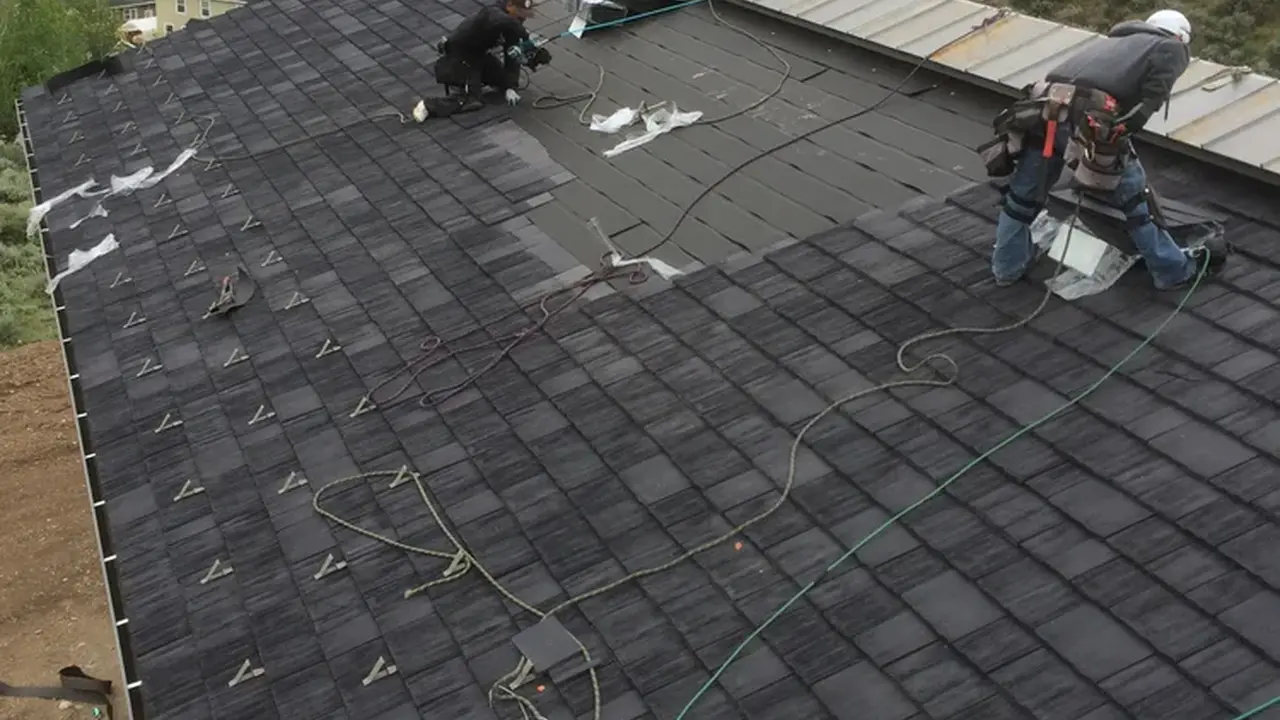
This is often the most cost-effective and impactful retrofit. A qualified contractor can access the roof framing from the attic or by carefully lifting some roofing materials to install seismic clips and straps that tie the rafters/trusses to the wall top plates. This dramatically improves the roof's ability to stay attached during shaking.
Reinforcing Roof Sheathing for Improved Diaphragm Action
If your roof has skip sheathing (common in older homes designed for wood shakes) or thin plywood, reinforcing it can enhance its diaphragm action. This might involve adding a new layer of plywood or OSB over the existing sheathing, ensuring it's properly nailed and blocked. This creates a stronger, more rigid roof plane that can better distribute seismic forces.
Replacing Heavy Roofing Materials with Lighter Alternatives
If your home currently has a very heavy roof, such as traditional clay tiles or slate that are not specifically designed for seismic zones, replacing them with a lightweight alternative (like metal, asphalt shingles, or composite tiles) can significantly reduce the seismic load on your entire structure. This is a more substantial project but offers a major improvement in seismic safety.
Inspecting and Repairing Damaged or Deteriorated Roof Components
Before any retrofitting, a thorough inspection is crucial. Any damaged or deteriorated roof components – rotten wood, rusted fasteners, cracked sheathing – must be repaired or replaced. A compromised roof structure will not perform well in an earthquake, regardless of other upgrades. This includes checking the condition of the fascia, soffits, and gutters, as they are all part of the overall roof system.
Maintenance and Inspection for Long Term Seismic Performance
Even after installing an earthquake-resistant roof, ongoing maintenance and regular inspections are vital to ensure its long-term performance.
Regular Roof Inspections for Wear and Tear
Schedule professional roof inspections at least once every 1-3 years, especially after any significant weather events. Inspectors can identify loose fasteners, damaged flashing, or any signs of material degradation that could compromise seismic resistance. Early detection and repair are key to maintaining your roof's integrity.
Checking Fasteners and Connections Periodically
If accessible, periodically check the visible fasteners and connections in your attic or crawl space. Look for any signs of loosening, rust, or damage. While not a DIY task for everyone, a professional can perform this check during a regular inspection.
Maintaining Gutters and Drainage Systems
Proper drainage prevents water accumulation, which can lead to wood rot and deterioration of roof components. Clogged gutters can cause water to back up under shingles, weakening the roof deck and fasteners over time. A well-maintained drainage system ensures the structural integrity of your roof remains intact.
Addressing Water Damage and Leaks Promptly
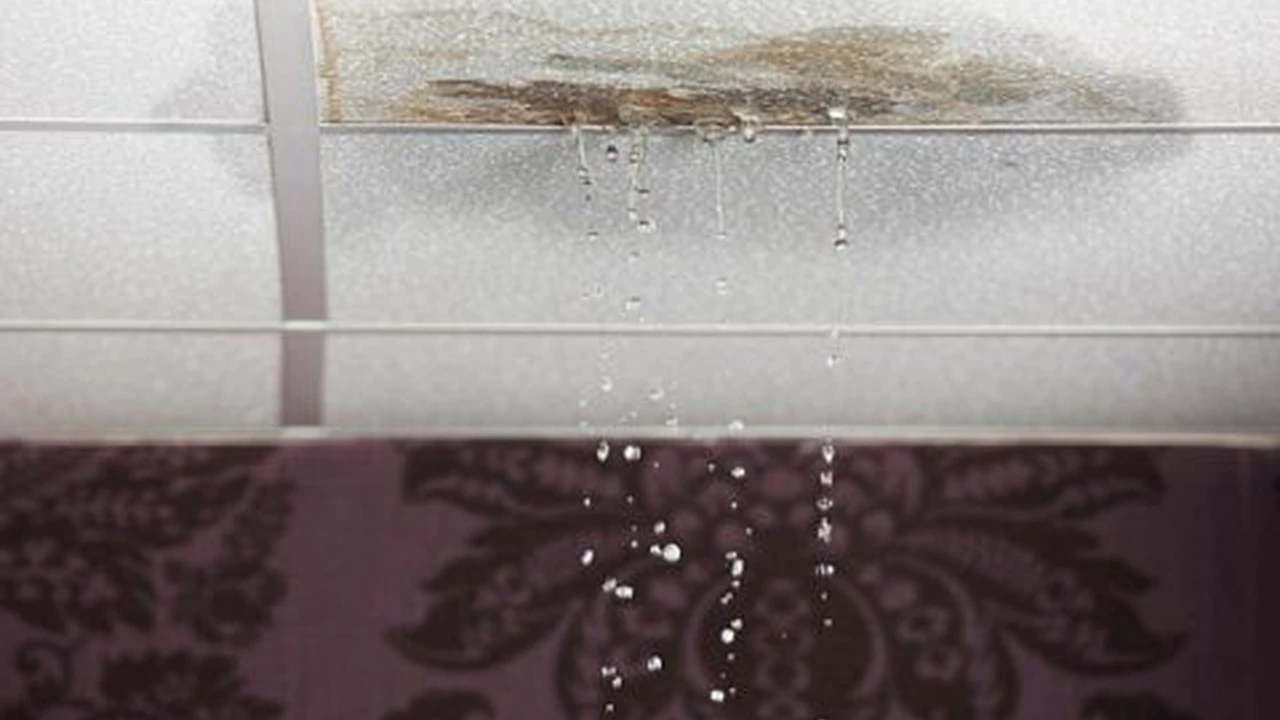
Any signs of water damage or leaks must be addressed immediately. Water intrusion can compromise the strength of your roof deck, rafters, and wall connections, making them vulnerable during an earthquake. Prompt repair prevents minor issues from becoming major structural weaknesses.
Choosing and maintaining an earthquake-resistant roof is a proactive step towards safeguarding your home and loved ones. By understanding the principles of seismic design, selecting appropriate materials, ensuring professional installation, and committing to regular maintenance, you can significantly enhance your home's resilience against the unpredictable forces of nature. It's an investment in peace of mind and the long-term safety of your property.
:max_bytes(150000):strip_icc()/277019-baked-pork-chops-with-cream-of-mushroom-soup-DDMFS-beauty-4x3-BG-7505-5762b731cf30447d9cbbbbbf387beafa.jpg)