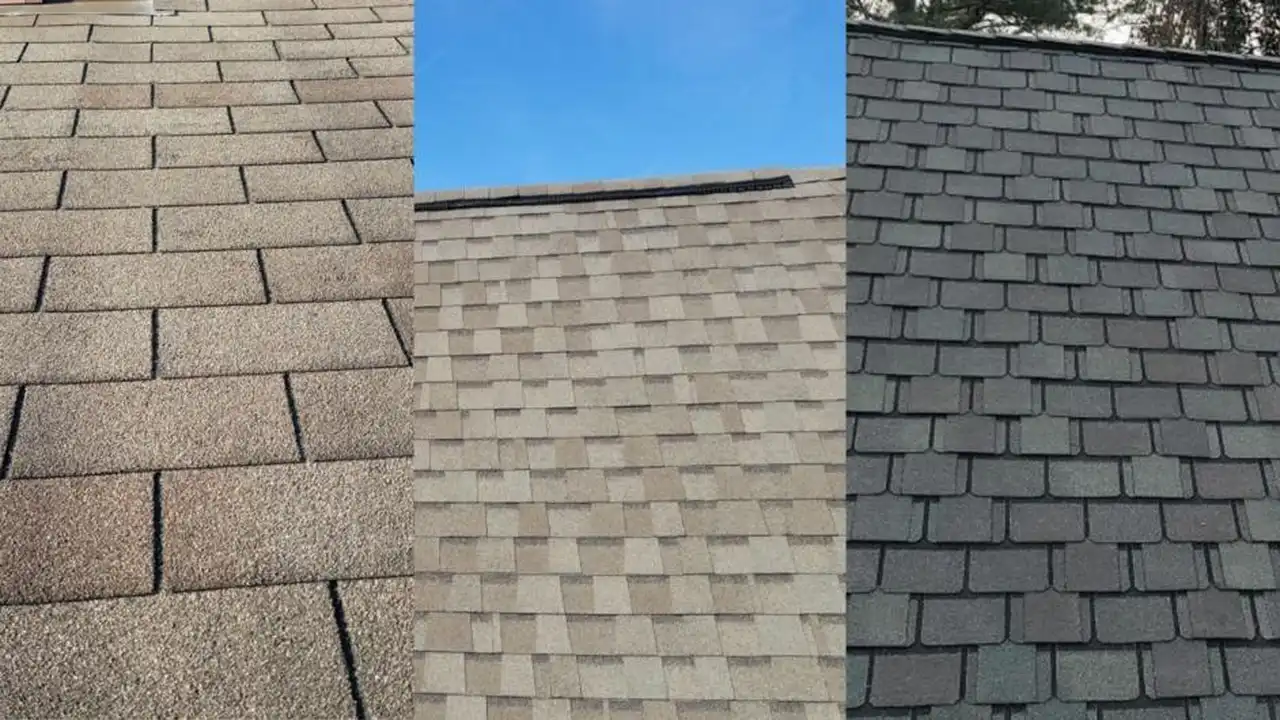
Humidity Resistant Roofing Materials
Explore roofing materials that excel in high-humidity environments, preventing mold and mildew growth.
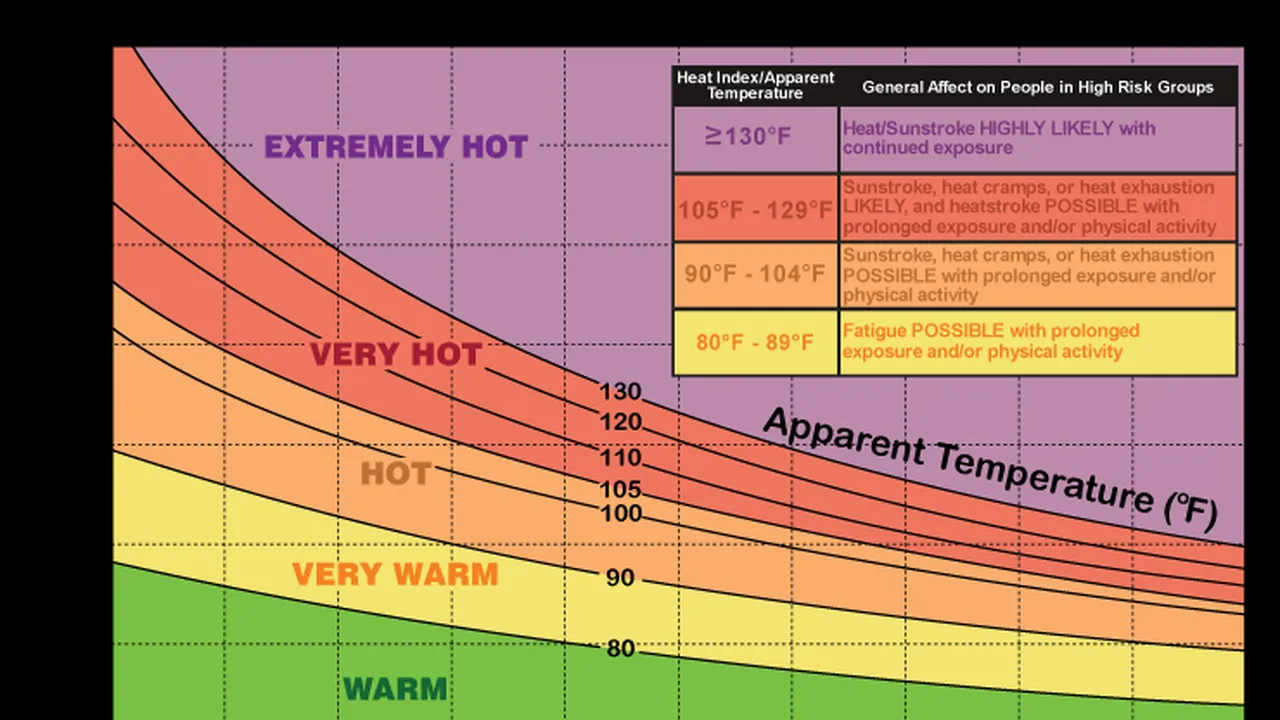
Explore roofing materials that excel in high-humidity environments, preventing mold and mildew growth.
Humidity Resistant Roofing Materials
Living in a high-humidity environment, whether it's the tropical climes of Southeast Asia or the muggy summers of the American South, presents unique challenges for homeowners, especially when it comes to their roofs. The constant presence of moisture in the air isn't just uncomfortable; it's a breeding ground for a host of problems that can compromise your roof's integrity, appearance, and lifespan. We're talking about relentless mold and mildew growth, wood rot, accelerated material degradation, and even structural damage if left unchecked. Choosing the right roofing material isn't just about aesthetics or initial cost; it's about selecting a system that can stand up to the relentless assault of moisture, keeping your home dry, healthy, and structurally sound for decades.
This guide dives deep into the world of humidity-resistant roofing materials. We'll explore the characteristics that make certain materials superior in damp conditions, compare popular options, and even recommend specific products that have proven their mettle in the face of persistent moisture. Our goal is to equip you with the knowledge to make an informed decision, ensuring your roof not only looks great but also provides unparalleled protection against the challenges of high humidity.
Understanding Humidity's Impact on Your Roof Materials
Before we delve into solutions, let's first understand the enemy: humidity. High humidity means there's a significant amount of water vapor in the air. When this vapor comes into contact with cooler surfaces, it condenses into liquid water. On a roof, this can happen on the surface of shingles, within the attic space, or even inside the roofing layers themselves. This constant dampness creates an ideal environment for several destructive processes:
Mold and Mildew Growth on Roofs
Mold and mildew are fungi that thrive in moist, warm conditions. They feed on organic materials found in many roofing components, such as asphalt shingles, wood shakes, and even dust and debris accumulated on any roof surface. Beyond being unsightly, these growths can degrade roofing materials over time, leading to premature aging, discoloration, and a reduction in the roof's reflective properties. In severe cases, they can even penetrate the roof structure, leading to indoor air quality issues.
Wood Rot and Structural Damage from Moisture
For roofs with wooden components like sheathing, rafters, or wood shakes, persistent moisture is a direct pathway to wood rot. Rot weakens the wood, compromising the structural integrity of the roof. This can lead to sagging, leaks, and eventually, catastrophic failure. Even materials that aren't wood-based can suffer if the underlying structure is compromised by rot.
Accelerated Material Degradation and Roof Lifespan
Many roofing materials, especially those with organic fillers or coatings, can break down faster when constantly exposed to moisture. Asphalt shingles, for instance, can lose their protective granules more quickly, leading to a shorter lifespan. Metal roofs, while generally durable, can be susceptible to corrosion if their protective coatings are compromised and moisture is allowed to sit. The constant expansion and contraction caused by moisture absorption and drying can also stress materials, leading to cracks and failures.
Heat Absorption and Energy Efficiency in Humid Climates
Damp roofs can also impact your home's energy efficiency. Wet materials conduct heat more readily than dry ones. A roof saturated with moisture can transfer more heat into your attic and living spaces, forcing your air conditioning system to work harder and increasing your energy bills. Mold and mildew can also darken roof surfaces, further increasing heat absorption.
Top Humidity Resistant Roofing Materials Compared
Now that we understand the challenges, let's explore the roofing materials best equipped to handle high-humidity environments. Each material has its own set of advantages and considerations.
Metal Roofing for High Humidity Environments
Metal roofing is arguably one of the best choices for humid climates. Its inherent properties make it highly resistant to moisture-related issues.
Advantages of Metal Roofs in Humidity
- Impermeable Surface: Metal panels are non-porous, meaning they don't absorb water. This prevents mold, mildew, and algae from taking root and growing on the surface.
- Durability and Longevity: Modern metal roofs, especially those made from steel, aluminum, or copper, are incredibly durable. They can last 40-70 years or even longer with proper installation and maintenance.
- Corrosion Resistance: High-quality metal roofs are treated with advanced coatings (like Galvalume or Kynar 500) that provide excellent protection against rust and corrosion, even in salt-laden coastal air.
- Low Maintenance: They generally require less maintenance than other roofing types, as they don't rot, crack, or warp due to moisture.
- Energy Efficiency: Many metal roofs come with reflective coatings that can significantly reduce heat absorption, keeping your home cooler and lowering energy costs, which is a huge plus in humid, warm regions.
- Wind Resistance: Metal roofs are typically installed with interlocking panels or secure fastening systems, offering superior resistance to high winds, often a concern in tropical storm-prone areas.
Considerations for Metal Roofing
- Initial Cost: Metal roofing tends to have a higher upfront cost compared to asphalt shingles. However, its longevity and low maintenance often result in a lower lifecycle cost.
- Noise: Some homeowners find metal roofs noisier during heavy rain or hail, though proper insulation and decking can mitigate this.
- Installation Expertise: Proper installation is crucial to prevent leaks and ensure longevity. It's essential to hire experienced metal roofing contractors.
Recommended Metal Roofing Products and Pricing
- Classic Rib or R-Panel Steel Roofing: A popular and cost-effective option.
- Features: Durable, available in various colors, often with Galvalume coating for corrosion resistance.
- Use Case: Residential, agricultural, and light commercial buildings. Excellent for shedding water quickly.
- Estimated Cost: $4.00 - $8.00 per square foot installed.
- Standing Seam Metal Roofing: A premium option known for its sleek appearance and superior weather resistance.
- Features: Concealed fasteners, excellent watertightness, available in steel or aluminum with Kynar 500 finishes.
- Use Case: High-end residential, commercial, and architectural projects where aesthetics and performance are paramount.
- Estimated Cost: $8.00 - $15.00+ per square foot installed.
- Aluminum Roofing: Lighter than steel and naturally corrosion-resistant, making it ideal for coastal areas.
- Features: Excellent rust resistance, lightweight, often available in shingle or panel profiles.
- Use Case: Coastal homes, areas with high salt exposure, or where weight is a concern.
- Estimated Cost: $7.00 - $14.00 per square foot installed.
Clay and Concrete Tiles for Tropical Climates
Clay and concrete tiles have been used for centuries, particularly in warm, humid regions like the Mediterranean and Southeast Asia. Their mass and composition make them excellent choices.
Advantages of Tiles in Humidity
- Non-Porous and Inorganic: Like metal, tiles are non-porous and inorganic, meaning they don't absorb water and don't provide a food source for mold or mildew.
- Exceptional Durability: Both clay and concrete tiles are incredibly durable and can last 50-100 years or more. They resist rot, insects, and fire.
- Thermal Mass: Their significant thermal mass helps to regulate indoor temperatures, keeping homes cooler in hot, humid climates.
- Aesthetics: Available in a wide range of colors, shapes, and profiles, offering a distinctive and often luxurious appearance.
- Wind Resistance: When properly installed, tiles can offer good wind resistance, though individual tiles can be dislodged in extreme storms.
Considerations for Tile Roofing
- Weight: Tiles are very heavy, requiring a robust roof structure to support them. This can add to construction costs.
- Fragility: While durable, individual tiles can be brittle and may crack if walked on improperly or struck by heavy objects.
- Initial Cost: Similar to metal, tiles have a higher upfront cost than asphalt shingles.
- Installation Complexity: Installation is labor-intensive and requires specialized skills.
Recommended Tile Roofing Products and Pricing
- Boral Roofing Clay Tiles: A leading manufacturer with a wide range of styles.
- Features: Natural clay, excellent color retention, superior resistance to salt air and humidity.
- Use Case: High-end residential, Mediterranean, Spanish, or modern architectural styles.
- Estimated Cost: $10.00 - $20.00+ per square foot installed.
- Eagle Roofing Concrete Tiles: Offers a vast selection of profiles and colors.
- Features: Durable, fire-resistant, available in flat, low-profile, and high-profile designs.
- Use Case: Residential and commercial, offering a cost-effective alternative to clay with similar benefits.
- Estimated Cost: $8.00 - $15.00 per square foot installed.
Synthetic and Composite Roofing Materials for Moisture Resistance
Synthetic and composite roofing materials are engineered products designed to mimic the look of natural materials like slate or wood but with enhanced performance characteristics, including superior humidity resistance.
Advantages of Synthetics in Humidity
- Non-Absorbent: Made from polymers, rubber, or other synthetic compounds, these materials do not absorb water, preventing mold, mildew, and rot.
- Lightweight: Often much lighter than natural slate or clay tiles, reducing structural requirements.
- Durability and Impact Resistance: Highly durable, resistant to cracking, fading, and impact damage. Many come with long warranties (50 years or more).
- Low Maintenance: Require minimal upkeep compared to natural counterparts.
- Aesthetics: Available in a wide array of styles and colors, convincingly replicating the look of premium materials.
Considerations for Synthetic Roofing
- Initial Cost: Can be more expensive than asphalt shingles, though generally less than natural slate or copper.
- UV Stability: Ensure the product has excellent UV inhibitors to prevent fading and degradation in intense sunlight.
Recommended Synthetic Roofing Products and Pricing
- DaVinci Roofscapes Composite Shingles: Known for replicating slate and shake with high fidelity.
- Features: Made from virgin resins, UV and impact resistant, Class A fire rating, 50-year limited warranty.
- Use Case: High-end residential, historic renovations, or anywhere a premium aesthetic is desired with superior performance.
- Estimated Cost: $10.00 - $18.00+ per square foot installed.
- CeDUR Synthetic Shakes: Designed to look like natural cedar shakes but without the maintenance issues.
- Features: Polyurethane-based, lightweight, Class A fire rating, resistant to rot, insects, and moisture.
- Use Case: Homes seeking the rustic charm of wood shakes without the susceptibility to mold and rot in humid climates.
- Estimated Cost: $8.00 - $15.00 per square foot installed.
Asphalt Shingles with Algae Resistance for Humid Areas
While traditional asphalt shingles are more susceptible to mold and mildew, manufacturers have developed specialized algae-resistant (AR) shingles that can perform better in humid conditions.
Advantages of AR Asphalt Shingles in Humidity
- Cost-Effective: Still one of the most affordable roofing options upfront.
- Algae Resistance: Infused with copper granules that inhibit algae growth, keeping the roof cleaner and extending its aesthetic life.
- Wide Availability: Easily accessible and installed by most roofing contractors.
- Variety: Available in a vast array of colors and styles.
Considerations for AR Asphalt Shingles
- Limited Lifespan: Even AR shingles typically last 20-30 years, less than metal or tile.
- Still Absorbent: While algae-resistant, the asphalt base can still absorb some moisture, potentially leading to granule loss and degradation over time.
- Less Durable: More susceptible to wind damage and impact than other humidity-resistant options.
Recommended AR Asphalt Shingle Products and Pricing
- GAF Timberline HDZ with StainGuard Plus: A popular architectural shingle with advanced algae protection.
- Features: LayerLock technology for superior wind resistance, StainGuard Plus for algae protection, wide color selection.
- Use Case: Residential homes where budget is a primary concern but enhanced algae resistance is desired.
- Estimated Cost: $3.50 - $6.00 per square foot installed.
- Owens Corning Duration Series with SureNail Technology and StreakGuard: Another strong contender in the AR shingle market.
- Features: Patented SureNail Technology for excellent wind resistance, StreakGuard for algae prevention, vibrant colors.
- Use Case: Similar to GAF, offering a balance of cost, performance, and aesthetics for residential applications.
- Estimated Cost: $3.50 - $6.00 per square foot installed.
Essential Roof System Components for High Humidity
Beyond the primary roofing material, several other components play a critical role in ensuring your roof performs optimally in a humid environment. A roof is a system, and each part must work in harmony to repel moisture effectively.
Underlayment and Moisture Barriers for Roof Protection
The underlayment is the layer directly beneath your primary roofing material. In humid climates, a high-quality synthetic underlayment or an ice and water shield is paramount.
- Synthetic Underlayment: Unlike traditional felt paper, synthetic underlayments are typically made from polypropylene or polyethylene, making them highly resistant to moisture absorption, tearing, and mold growth. They provide an extra layer of protection against wind-driven rain and condensation.
- Ice and Water Shield: This self-adhering, waterproof membrane is essential in valleys, around penetrations (chimneys, vents), and along eaves. It forms a watertight seal that prevents water from backing up under shingles or tiles, a common issue in heavy rainfall or areas prone to ice dams (though less common in tropical humidity, it's still a superior moisture barrier).
Proper Roof Ventilation Systems for Humidity Control
Adequate attic ventilation is non-negotiable in humid climates. Without it, warm, moist air gets trapped in the attic, leading to condensation, mold growth on rafters and sheathing, and accelerated degradation of insulation and structural components.
- Soffit and Ridge Vents: A balanced ventilation system typically involves intake vents at the soffits (under the eaves) and exhaust vents at the ridge (the peak of the roof). This creates a continuous airflow that draws in cooler, drier air from outside and expels hot, moist air from the attic.
- Powered Attic Fans: In particularly hot and humid regions, a thermostatically controlled powered attic fan can supplement passive ventilation, actively pulling hot, moist air out of the attic.
- Gable Vents: While less effective than a balanced soffit-and-ridge system, gable vents can provide some cross-ventilation in attics without soffits.
Gutter Systems and Downspouts for Water Management
Efficient water management starts with your gutters and downspouts. They are responsible for collecting rainwater from the roof and directing it away from the foundation of your home.
- Proper Sizing: Ensure your gutters are adequately sized for the expected rainfall in your area. In high-humidity regions with heavy downpours, larger gutters may be necessary.
- Regular Cleaning: Clogged gutters can cause water to back up onto the roof, leading to fascia rot, soffit damage, and even water intrusion into the attic or walls. Regular cleaning is crucial.
- Splash Blocks or Extensions: Downspouts should discharge water at least 5-10 feet away from the foundation to prevent water from pooling and seeping into the basement or crawl space.
Installation Best Practices for Humid Climates
Even the best materials can fail if not installed correctly. In humid environments, meticulous installation is even more critical.
Experienced Roofing Contractors for Quality Installation
Always choose a roofing contractor with proven experience in your specific climate zone. They will understand the nuances of working with different materials in high humidity, including proper fastening techniques, flashing details, and ventilation requirements.
Flashing and Sealing Techniques for Watertightness
Flashing around chimneys, skylights, vents, and in valleys is the most common point of failure for roof leaks. In humid conditions, any breach in the flashing can quickly lead to significant water damage and mold growth.
- Continuous Flashing: Ensure all flashing is continuous and properly integrated with the underlayment and roofing material.
- Sealants: Use high-quality, UV-resistant, and flexible sealants specifically designed for roofing applications. Regularly inspect and reapply sealants as needed.
Proper Fastening and Adhesion for Durability
Fasteners (nails, screws) must be corrosion-resistant, especially in coastal or highly humid areas. Proper fastening techniques ensure the roofing material stays securely in place, preventing wind uplift and water intrusion. For some materials, like certain synthetic shingles, specific adhesive patterns are required to ensure optimal performance.
Maintenance Tips for Roofs in High Humidity
Even with the best materials and installation, ongoing maintenance is key to maximizing your roof's lifespan in a humid environment.
Regular Roof Inspections for Early Problem Detection
Conduct visual inspections of your roof at least twice a year (spring and fall) and after any major storm. Look for:
- Missing, cracked, or damaged shingles/tiles.
- Signs of mold, mildew, or algae growth.
- Clogged gutters or downspouts.
- Damaged or lifting flashing.
- Debris accumulation.
Cleaning and Algae Removal for Roof Longevity
If mold or algae starts to appear, address it promptly. For asphalt shingles, a gentle cleaning solution (e.g., a mix of water and bleach or specialized roof cleaning products) can be applied, followed by a low-pressure rinse. Avoid high-pressure washing, which can damage granules. For metal or tile roofs, a soft brush and mild detergent are usually sufficient. Always follow the manufacturer's recommendations for cleaning.
Keeping Gutters Clear and Downspouts Functional
Regularly clear leaves, twigs, and other debris from your gutters and downspouts. This ensures water flows freely away from your roof and foundation, preventing water backups and potential damage.
Trimming Overhanging Branches to Prevent Moisture Traps
Trim any tree branches that overhang your roof. They can drop leaves and debris that trap moisture, create shade that encourages mold growth, and even scrape against the roof surface, causing damage. Overhanging branches also provide easy access for pests.
Making Your Final Roofing Decision for Humid Climates
Choosing the right humidity-resistant roofing material is a significant investment that will protect your home for decades. Consider these factors when making your final decision:
- Climate Specifics: How extreme is the humidity? Is there also heavy rainfall, strong winds, or salt exposure?
- Budget: Balance initial cost with long-term value, maintenance, and lifespan.
- Aesthetics: The roof contributes significantly to your home's curb appeal.
- Structural Capacity: Ensure your home's structure can support the weight of heavier materials like tile.
- Local Building Codes: Always check local regulations and requirements.
- Contractor Expertise: The quality of installation is just as important as the material itself.
By carefully evaluating these points and leveraging the information on humidity-resistant materials and best practices, you can select a roofing system that not only withstands the challenges of a damp environment but also enhances your home's beauty, efficiency, and long-term value. A well-chosen and properly maintained roof in a humid climate is a testament to smart homeownership, providing peace of mind and a dry, healthy living space for years to come.
:max_bytes(150000):strip_icc()/277019-baked-pork-chops-with-cream-of-mushroom-soup-DDMFS-beauty-4x3-BG-7505-5762b731cf30447d9cbbbbbf387beafa.jpg)