Is a Cheap Roof a Good Idea
Evaluate the risks and potential long-term costs associated with choosing the cheapest roofing option for your home.
Evaluate the risks and potential long-term costs associated with choosing the cheapest roofing option for your home.
Is a Cheap Roof a Good Idea Understanding the True Cost of Savings
Hey there, homeowner! So, you’re looking at getting a new roof, or maybe just some repairs, and you’ve stumbled upon a quote that seems almost too good to be true. It’s significantly cheaper than the others, and a little voice in your head is whispering, “Go for it! Save some cash!” But hold on a minute. Before you jump at the lowest bid, let’s have a real talk about whether a cheap roof is actually a good idea. Because, more often than not, what seems like a bargain upfront can turn into a financial nightmare down the line. We’re talking about your home’s primary defense against the elements here, so cutting corners isn’t just about saving a few bucks; it’s about protecting your biggest investment.
The Allure of Low Cost Roofing Initial Savings vs Long Term Value
It’s completely understandable why a cheap roof is so appealing. In today’s economy, everyone is looking to save money wherever they can. A new roof is a significant investment, often costing thousands of dollars, so finding a way to reduce that expense can feel like a huge win. You might think, “A roof is a roof, right? As long as it keeps the rain out, what’s the difference?” This line of thinking, while common, can be incredibly misleading. The initial savings you see on a cheap roof often come at the expense of quality, durability, and ultimately, your peace of mind. Think of it like buying a cheap pair of shoes versus a well-made pair. The cheap ones might look okay for a bit, but they’ll fall apart quickly, leaving you needing new ones sooner and potentially causing discomfort. Your roof is no different, but the stakes are much, much higher.
Hidden Dangers of Cheap Roofing Materials Quality Compromises
One of the primary ways contractors offer a significantly lower price is by using cheaper, lower-quality materials. This is where the real problems begin. Let’s break down what that often means:
Inferior Shingles and Tiles Durability and Lifespan Concerns
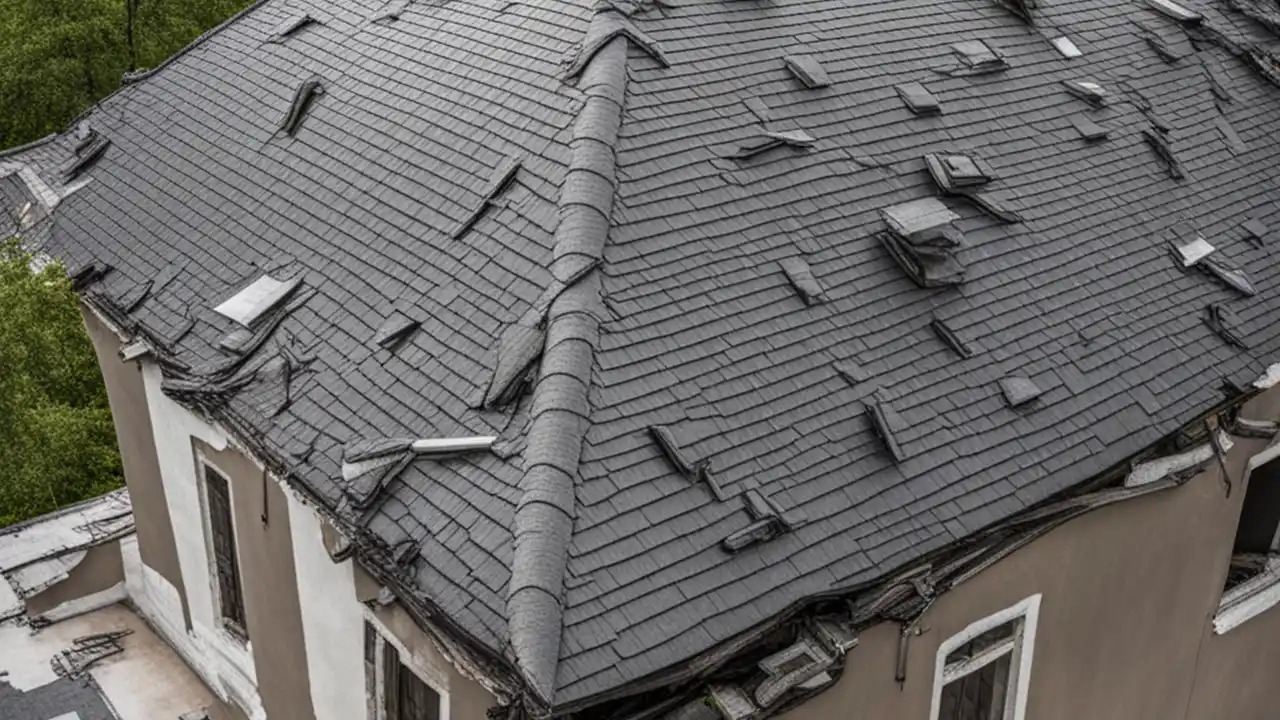
When it comes to asphalt shingles, cheaper options often have a thinner mat, less asphalt, and fewer granules. This translates directly to a shorter lifespan. Instead of getting 20-30 years out of your roof, you might only get 10-15, or even less in harsh climates like those found in parts of Southeast Asia or the extreme weather zones of the US. These shingles are more prone to cracking, curling, and granule loss, which exposes the underlying mat to UV rays and accelerates deterioration. For tile roofs, cheaper versions might be less dense, more porous, and prone to chipping or breaking, especially under thermal expansion and contraction or impact from debris.
Substandard Underlayment and Flashing Critical Protection Elements
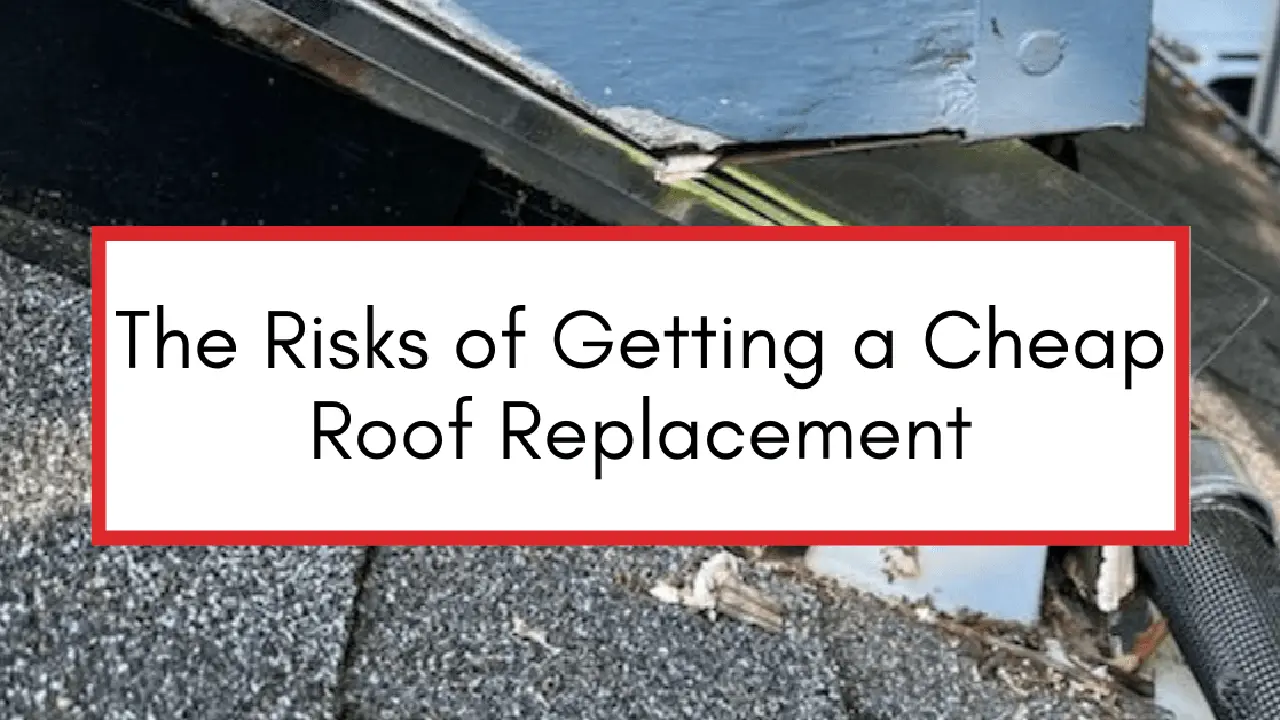
The underlayment is the waterproof barrier beneath your shingles or tiles. A cheap roof might use a basic felt paper that tears easily or degrades quickly, rather than a high-quality synthetic underlayment that offers superior protection against moisture. Flashing, which seals vulnerable areas like chimneys, skylights, and valleys, is another common area for cost-cutting. Using thin, low-grade metal or improper installation can lead to leaks almost immediately, or within a few years, causing significant water damage to your home’s interior.
Poor Quality Fasteners and Adhesives Structural Integrity Risks
It might seem minor, but the nails, staples, and adhesives used are crucial. Cheap roofs often use fasteners that are too short, improperly spaced, or made of materials that rust quickly. This can lead to shingles blowing off in high winds, especially in hurricane-prone regions of the US or typhoon-affected areas of Southeast Asia. Inferior adhesives might fail to properly seal shingles, making them vulnerable to wind uplift and water penetration.
The Pitfalls of Cheap Roofing Labor Unskilled Workers and Rushed Jobs
Materials are only half the equation. The quality of the installation is just as, if not more, important. A cheap roof often means cheap labor, and that comes with its own set of risks:
Inexperienced or Uncertified Crews Installation Errors and Safety Hazards
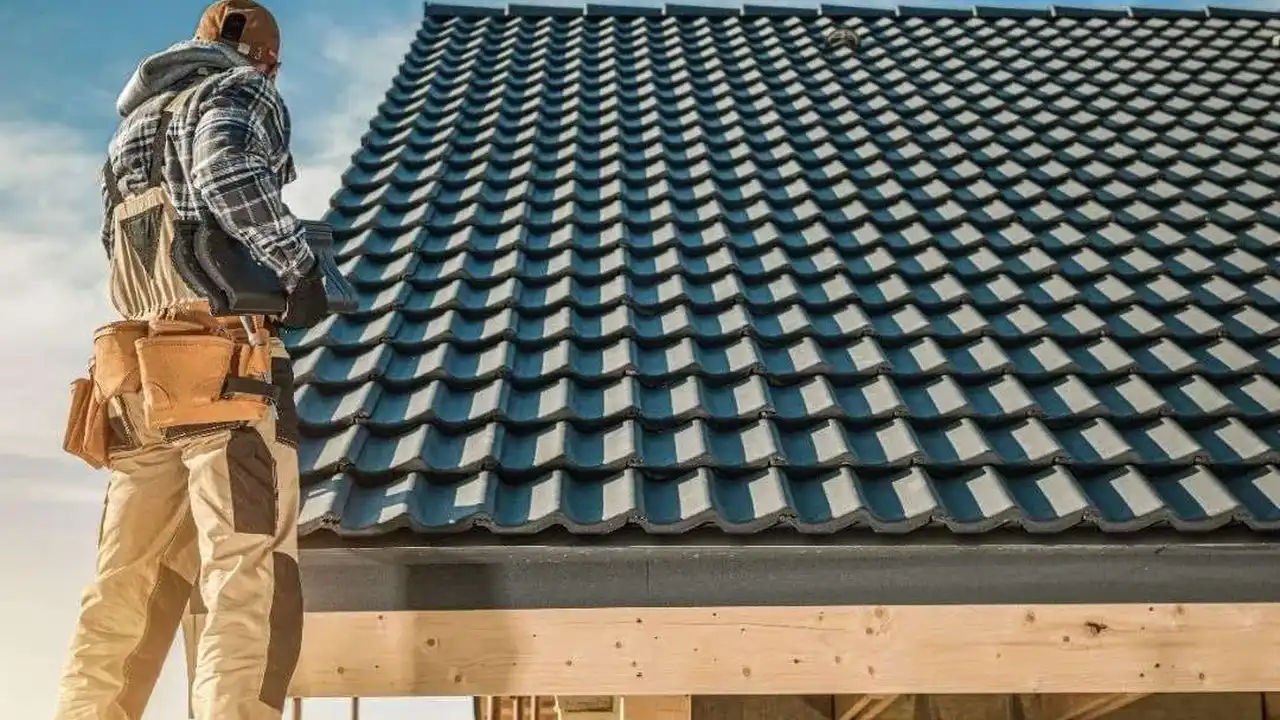
Reputable roofing companies invest in training and certifying their crews. Cheaper contractors might employ inexperienced workers who lack the proper skills and knowledge. This can lead to a host of installation errors: improperly nailed shingles, incorrect flashing techniques, poor ventilation setup, and even damage to your home during the process. These errors might not be immediately apparent but will manifest as leaks, premature wear, and structural issues over time. Furthermore, inexperienced crews might not adhere to safety protocols, putting themselves and your property at risk.
Lack of Proper Licensing and Insurance Consumer Protection Issues
This is a huge red flag. A contractor offering a significantly lower price might not be properly licensed or insured. If they’re not licensed, you have little recourse if something goes wrong. If they’re not insured, any injury to their workers on your property or damage to your home could become your financial responsibility. Always ask for proof of licensing and insurance, and verify it. This isn’t just about quality; it’s about protecting yourself legally and financially.
Rushed Work and Poor Attention to Detail Long Term Consequences
To complete jobs quickly and move on to the next, cheap contractors often rush the work. This means less attention to detail, skipped steps, and a general lack of care. Proper roof installation requires precision and patience. Rushed work can lead to misaligned shingles, improperly sealed seams, and overlooked vulnerabilities that will inevitably lead to problems down the road. It’s like building a house on a shaky foundation – it might stand for a bit, but it’s destined for trouble.
The True Cost of a Cheap Roof Unexpected Expenses and Headaches
So, you saved a few thousand dollars upfront. Great! But what happens when those hidden dangers start to surface? That’s when the true cost of a cheap roof becomes painfully clear.
Frequent Repairs and Maintenance Increased Out of Pocket Costs
A cheap roof is far more likely to require frequent repairs. Leaks, blown-off shingles, and premature deterioration mean you’ll be calling a roofer much more often than you anticipated. Each repair costs money, and these costs can quickly add up, negating any initial savings. You might find yourself in a cycle of patching and fixing, rather than enjoying a worry-free roof.
Premature Roof Replacement Double the Expense
If your cheap roof fails significantly earlier than expected, you’ll be facing a full roof replacement much sooner. This means paying for a new roof twice within a shorter period than if you had invested in a quality installation from the start. Essentially, you’re paying double for the same service, which is the opposite of saving money.
Interior Damage and Mold Growth Health and Property Risks
Leaks from a failing roof don’t just damage your attic. They can seep into your ceilings, walls, and flooring, causing extensive water damage, staining, and structural issues. Even worse, persistent moisture can lead to mold and mildew growth, which can be a serious health hazard and very expensive to remediate. The cost of repairing interior damage and addressing mold can easily dwarf the initial savings on a cheap roof.
Reduced Home Value and Curb Appeal Resale Implications
A visibly failing or poorly installed roof significantly detracts from your home’s curb appeal and can lower its market value. Potential buyers will notice a shoddy roof and factor in the cost of replacement or extensive repairs, often leading to lower offers or making your home harder to sell. A quality roof, on the other hand, is a selling point.
Voided Warranties and Insurance Claims Lack of Protection
Many manufacturers’ warranties require proper installation by certified professionals. If your cheap roof was installed incorrectly, your warranty could be voided, leaving you with no protection if the materials fail. Similarly, insurance companies might deny claims for damage if they determine the roof was installed improperly or with substandard materials, leaving you entirely responsible for the costs.
What to Look for in a Quality Roofing Contractor Avoiding the Cheap Trap
So, how do you avoid falling into the cheap roof trap? It comes down to doing your homework and choosing a reputable contractor. Here’s what to prioritize:
Proper Licensing and Insurance Verification is Key
Always, always, always verify that the contractor is properly licensed and insured. Ask for their license number and check with your state or local licensing board. Request proof of liability insurance and workers’ compensation insurance. A legitimate contractor will be happy to provide this information.
Strong References and Positive Reviews Reputation Matters
Check online reviews on platforms like Google, Yelp, and industry-specific sites. Ask the contractor for a list of recent clients you can contact for references. A reputable company will have a track record of satisfied customers and be transparent about their past work.
Detailed Contracts and Transparent Pricing Understanding the Scope
A good contractor will provide a detailed, written contract that outlines everything: the scope of work, materials to be used (including brand and type), payment schedule, warranty information, and cleanup procedures. Be wary of vague contracts or contractors who demand a large upfront payment. Transparent pricing means they can explain every line item.
Manufacturer Certifications and Warranties Assured Quality
Many top roofing material manufacturers offer certifications to contractors who have demonstrated expertise in installing their products. These certifications often come with extended warranties on materials and workmanship. For example, GAF Master Elite or Owens Corning Preferred Contractor status indicates a high level of training and commitment to quality. Always inquire about both material and workmanship warranties.
Experience and Expertise Proven Track Record
How long has the company been in business? Do they specialize in the type of roofing you need? Experience often translates to better problem-solving skills, efficient project management, and a deeper understanding of local building codes and climate challenges.
Recommended Roofing Products for Long Term Value Not Just Low Cost
Instead of focusing solely on the cheapest option, let’s look at some roofing products that offer excellent long-term value, balancing cost with durability and performance. These are widely available in both the US and Southeast Asian markets, though specific brands and pricing can vary regionally.
Asphalt Shingles The Workhorse of Roofing
Asphalt shingles are the most popular roofing material in the US due to their affordability and versatility. For long-term value, avoid the cheapest 3-tab shingles and opt for architectural (laminate) shingles. They offer a much better aesthetic, superior wind resistance, and a longer lifespan.
- GAF Timberline HDZ: A top-seller in the US. These architectural shingles come with a 25-year StainGuard Plus Algae Protection Limited Warranty and a Lifetime Limited Warranty. They feature LayerLock Technology for superior adhesion and wind resistance up to 130 mph.
- Owens Corning Duration Series: Another excellent choice, known for their SureNail Technology which provides a wide, highly visible strip for consistent, accurate fastening. They also offer a 130 mph wind resistance limited warranty and a Lifetime Limited Warranty.
- CertainTeed Landmark Pro: These shingles are heavier and thicker than standard architectural shingles, offering enhanced durability and a richer, more dimensional look. They come with a 15-year StreakFighter algae resistance warranty and a Lifetime Limited Warranty.
Typical Cost Range (Installed): $4.50 - $7.50 per square foot in the US, depending on region, complexity, and specific product. In Southeast Asia, prices can be slightly lower but vary significantly by country and import duties.
Metal Roofing Durability and Energy Efficiency
Metal roofs are a significant upfront investment but offer exceptional longevity (50+ years), superior wind and fire resistance, and excellent energy efficiency due to their reflective properties. They are increasingly popular in both regions, especially in areas prone to extreme weather.
- Standing Seam Metal Roofs: These are premium metal roofs with concealed fasteners, offering a sleek look and superior weather protection. Brands like Sheffield Metals and Fabral are well-regarded. They come in various metals like steel, aluminum, and copper.
- Metal Shingles/Tiles: These mimic the look of traditional shingles or tiles but offer the benefits of metal. Brands like Decra (stone-coated steel) are popular for their aesthetic appeal and durability.
Typical Cost Range (Installed): $8.00 - $18.00+ per square foot in the US, depending on metal type, profile, and complexity. In Southeast Asia, metal roofing is also gaining traction, with costs varying based on local manufacturing vs. imported materials.
Clay and Concrete Tiles Aesthetic Appeal and Longevity
Especially popular in warmer climates and Southeast Asia, clay and concrete tiles offer incredible durability, fire resistance, and a distinctive aesthetic. They are heavy, requiring a robust roof structure.
- Boral Roofing (US): Offers a wide range of concrete and clay tiles, known for their durability and variety of styles and colors. Their products are designed to withstand harsh weather conditions.
- Monier Roofing (Southeast Asia/Global): A leading manufacturer of concrete and clay roof tiles, with a strong presence in Southeast Asian markets. They offer products designed for tropical climates, focusing on heat reflection and water management.
Typical Cost Range (Installed): $10.00 - $25.00+ per square foot in the US, depending on tile type, color, and complexity. In Southeast Asia, concrete tiles can be more affordable due to local production, while imported clay tiles might be at the higher end.
Synthetic Roofing Materials Modern Alternatives
Synthetic (composite) shingles and tiles are engineered to mimic the look of natural materials like slate or wood shakes but with enhanced durability, lighter weight, and often better fire and impact resistance.
- DaVinci Roofscapes: Known for their high-quality synthetic slate and shake tiles. They offer a Class A fire rating, Class 4 impact rating, and a Lifetime Limited Warranty. They are an excellent choice for homeowners seeking the aesthetic of natural materials without the maintenance.
- CertainTeed Symphony: Another composite shingle option that replicates the look of natural slate with superior performance characteristics.
Typical Cost Range (Installed): $10.00 - $20.00+ per square foot in the US, comparable to or slightly less than natural slate or high-end wood shakes.
Making the Smart Investment Your Home Deserves
Ultimately, choosing a roof isn’t just about the immediate price tag. It’s about making a smart, long-term investment in your home’s safety, value, and your family’s comfort. While the allure of a cheap roof can be strong, the potential for hidden costs, frequent repairs, premature replacement, and even structural damage far outweighs any initial savings. Do your due diligence, choose a reputable contractor, and invest in quality materials and workmanship. Your home will thank you for it, and you’ll enjoy years of worry-free protection from the elements. Remember, a roof isn’t just a covering; it’s a critical component of your home’s integrity. Don’t compromise on it.
:max_bytes(150000):strip_icc()/277019-baked-pork-chops-with-cream-of-mushroom-soup-DDMFS-beauty-4x3-BG-7505-5762b731cf30447d9cbbbbbf387beafa.jpg)