Negotiating with Roofing Contractors
Tips and strategies for effectively negotiating with roofing contractors to get the best deal without compromising quality.
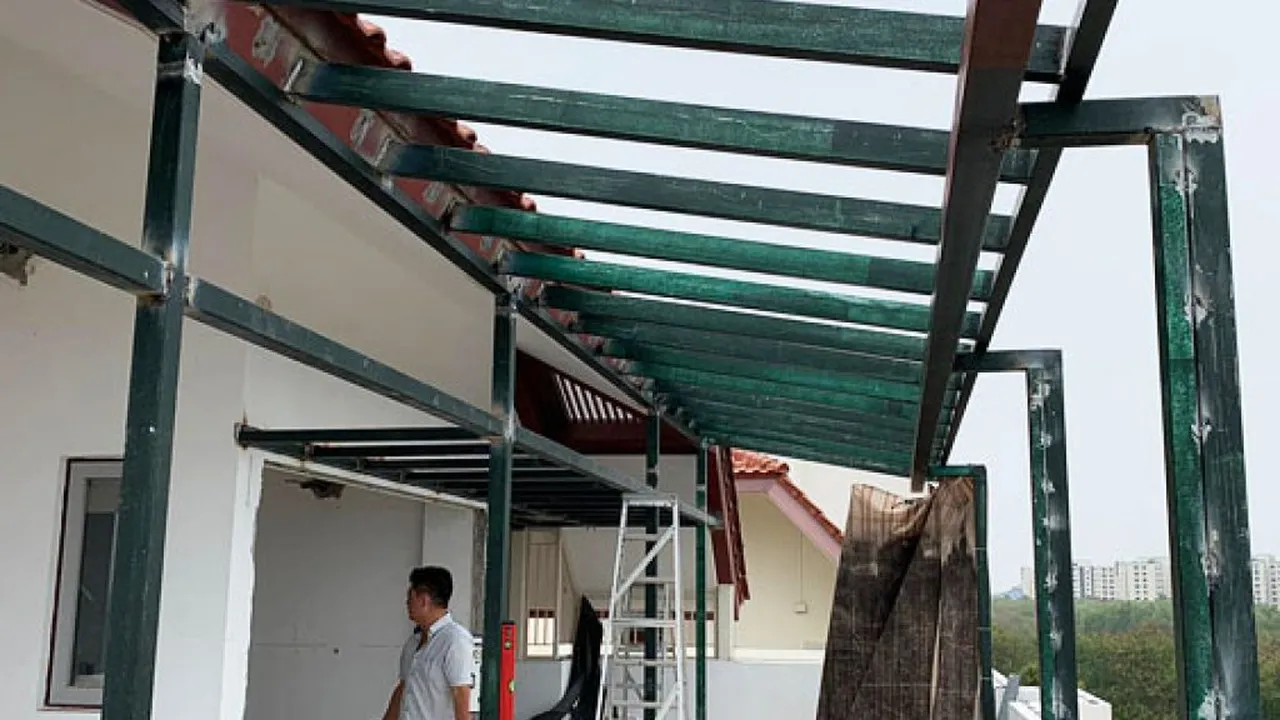
Tips and strategies for effectively negotiating with roofing contractors to get the best deal without compromising quality. Getting a new roof or undertaking a major repair can be a significant investment, and you want to make sure you're getting the best possible service for your money. This isn't just about finding the cheapest option; it's about securing a fair price for high-quality work and materials. Many homeowners feel intimidated by the negotiation process, but with the right approach, you can confidently discuss terms and ensure your roofing project is a success.
Negotiating with Roofing Contractors for Your Home Roofing Project
Understanding the Roofing Contractor Landscape and Your Project Needs
Before you even think about negotiation, you need to do your homework. This means understanding the local roofing market, the typical costs for your specific project, and what you genuinely need. Are you looking for a full roof replacement, or is it a repair? What type of roofing material are you considering – asphalt shingles, metal, tile? Each of these factors significantly impacts the overall cost and the scope of work. Researching average costs in your area (for both the US and Southeast Asian markets, if applicable) will give you a baseline. Websites like HomeAdvisor, Angi (formerly Angie's List), and local roofing associations can provide valuable insights into pricing trends. Don't forget to consider the complexity of your roof – steep pitches, multiple valleys, and skylights all add to labor costs.The Importance of Multiple Bids for Roofing Projects
This is perhaps the most crucial step in effective negotiation: always get multiple bids. We recommend at least three, but ideally five, detailed quotes from different reputable roofing contractors. Why so many? Because it gives you leverage. Each bid will likely vary, not just in price but also in the scope of work, materials proposed, and warranty offerings. This allows you to compare apples to apples (or at least understand the differences between the apples and oranges). When you have several bids in hand, you can identify outliers – bids that are too high or suspiciously low. A bid that's significantly lower than the others might indicate a contractor cutting corners, using inferior materials, or not including all necessary steps. Conversely, a very high bid might mean they're overcharging or simply not competitive.Preparing Your Detailed Project Scope for Accurate Roofing Quotes
To ensure you get comparable bids, you need to provide each contractor with the same detailed information about your project. Don't just say, 'I need a new roof.' Be specific. Include:- Type of roofing material: Specify if you want asphalt shingles (e.g., architectural or 3-tab), metal, tile, etc.
- Color and style preferences: If you have a specific aesthetic in mind.
- Square footage of the roof: If you know it, otherwise they will measure.
- Any existing damage: Point out leaks, missing shingles, or structural concerns.
- Desired timeline: When do you want the project completed?
- Specific requirements: Do you need new gutters, skylight replacement, or enhanced ventilation?
- Warranty expectations: Are you looking for a material warranty, a labor warranty, or both?
Key Elements to Review in Roofing Contractor Bids Beyond Price
When you receive bids, don't just look at the bottom line. Dive into the details. Here's what to scrutinize:- Materials: Are they specifying the brand and type of shingles, underlayment, flashing, and other components? Are they using quality materials? For example, GAF Timberline HDZ, Owens Corning Duration, or CertainTeed Landmark Pro are popular, high-quality architectural shingles in the US market. In Southeast Asia, brands like SCG (Thailand), Monier (global presence), or local manufacturers might be prevalent. Ask about the gauge of metal roofing if you're going that route.
- Labor Costs: Is labor itemized, or is it lumped into a single price? While you might not get a per-hour breakdown, understanding the labor component is important.
- Scope of Work: Does it clearly outline every step, from tear-off and disposal to installation of new materials, flashing, ventilation, and cleanup? Are permits included?
- Warranty: What kind of warranty are they offering? Is it a manufacturer's warranty on materials, a contractor's warranty on labor, or a comprehensive system warranty? Understand the duration and what it covers.
- Insurance and Licensing: Crucially, ensure the contractor is properly licensed and insured (liability and workers' compensation). Ask for proof. This protects you from financial responsibility if an accident occurs on your property.
- Payment Schedule: What are their payment terms? A reputable contractor typically asks for a deposit (often 10-30%) upfront, with subsequent payments tied to project milestones, and the final payment upon satisfactory completion. Be wary of contractors demanding a large upfront payment.
- Cleanup Plan: How will they handle debris removal and site cleanup?
Effective Negotiation Strategies for Your Roofing Investment
Now that you have your bids and have thoroughly reviewed them, it's time to negotiate. Approach this as a collaborative discussion, not a confrontation.Leveraging Competing Bids for Better Roofing Deals
This is where those multiple bids come in handy. If you have a preferred contractor whose bid is slightly higher than another, you can politely present the lower bid and ask if they can match or beat it. Say something like, 'I really like your company's reputation and the quality of your work, but I received a bid from [Contractor B] for [X amount] that includes similar materials and scope. Is there any flexibility in your pricing?' Be prepared for them to ask for a copy of the competing bid, so have it ready.Asking for Itemized Costs and Understanding Value
If a bid isn't itemized, ask for one. Understanding the cost breakdown for materials, labor, permits, and disposal gives you more points for negotiation. You might find that one contractor is using a slightly more expensive but superior underlayment, which justifies a higher overall price. Or, you might see an area where you can suggest a slight adjustment without compromising quality. For instance, if they've quoted a premium ventilation system, and you're on a tighter budget, you could ask if there's a slightly less expensive but still effective alternative.Negotiating on Scope and Materials for Cost Savings
Sometimes, direct price negotiation isn't possible, but you can negotiate on the scope of work or materials. For example:- Material Upgrades/Downgrades: If you're set on a particular shingle brand but it's pushing your budget, ask if there's a comparable line from the same manufacturer that's more affordable. Or, if you have some wiggle room, you might negotiate for an upgrade to a longer-lasting shingle or a better warranty package at a reduced additional cost.
- Add-ons: Perhaps you need new gutters, but they weren't included in the initial quote. You can negotiate to have them added at a discounted rate as part of the larger roofing project.
- Timeline: If you're flexible with your project timeline, you might be able to get a better price. Contractors often offer discounts during their slower seasons.
Discussing Payment Terms and Deposit Requirements
While a deposit is standard, you can sometimes negotiate the percentage or the payment schedule. If a contractor asks for 50% upfront, you might counter with 25-30%. Ensure the final payment is contingent upon your complete satisfaction with the finished work and a final inspection. This gives you leverage if any issues arise post-installation.Seeking Additional Value and Warranty Enhancements
Sometimes, a contractor can't budge much on the price, but they might be willing to offer additional value. This could include:- Extended Warranty: Can they offer an extended labor warranty or help you register for a premium manufacturer's warranty?
- Gutter Cleaning: A complimentary gutter cleaning service after installation.
- Minor Repairs: Offering to fix a small, unrelated issue on your property.
Specific Product Recommendations and Comparisons for Roofing Materials
When discussing materials, it's helpful to know some common options and their typical price points (these are general estimates and can vary wildly by region, supplier, and market conditions).Asphalt Shingles The Most Popular Choice
Asphalt shingles are the most common roofing material in the US and are gaining traction in parts of Southeast Asia due to their affordability and versatility. They come in various styles and quality levels.- 3-Tab Shingles: These are the most basic and economical. They offer a flat, uniform look.
- Architectural (Laminate) Shingles: These are thicker, more durable, and offer a dimensional look that mimics wood shakes or slate. They are the most popular choice for residential roofing.
- Premium Designer Shingles: These are even thicker and designed to replicate the look of natural slate or cedar shakes with enhanced durability and wind resistance.
- GAF Timberline HDZ: A very popular architectural shingle known for its good balance of cost, durability, and aesthetic appeal. Features include LayerLock Technology for strong adhesion and a wind warranty up to 130 mph.
- Owens Corning Duration: Another top-tier architectural shingle with SureNail Technology for excellent grip and wind resistance. Offers a wide range of colors.
- CertainTeed Landmark Pro: Known for its heavier weight and richer color blends, providing a premium look and enhanced durability.
- SCG (Siam Cement Group): A major player in the region, offering various concrete and fiber cement roofing tiles, and increasingly, asphalt shingles. Their products are designed for tropical climates.
- Monier: A global brand with a strong presence in Southeast Asia, known for its concrete and clay roof tiles, which are very popular in the region due to their durability and heat resistance.
- Local Manufacturers: Many countries have strong local manufacturers producing asphalt shingles and other roofing materials tailored to local conditions.
Metal Roofing Durability and Energy Efficiency
Metal roofs are gaining popularity due to their exceptional durability, longevity (50+ years), and energy efficiency. They come in various profiles like standing seam, corrugated, and metal shingles. Recommended Brands (Global/US Market):- Sheffield Metals: Known for high-quality standing seam metal roofing systems.
- Fabral: Offers a wide range of metal roofing and wall panels for residential and commercial use.
- Classic Metal Roofing Systems: Specializes in metal shingles and tiles that mimic traditional roofing materials.
- BlueScope Steel (Lysaght): A prominent supplier of steel roofing products, including corrugated and standing seam profiles, well-suited for tropical conditions.
- NS Bluescope Lysaght: Offers a range of metal roofing solutions, often used in commercial and residential projects across the region.
- Local Steel Manufacturers: Many countries have local steel mills producing roofing sheets.
Tile Roofing Aesthetic Appeal and Longevity
Clay and concrete tiles are very common in Southeast Asia and in certain architectural styles in the US (e.g., Spanish Colonial). They are heavy, durable, and offer excellent fire resistance. Recommended Brands (Global/US Market):- Boral Roofing: A leading manufacturer of clay and concrete roof tiles, offering a wide variety of styles and colors.
- Eagle Roofing Products: Specializes in concrete roof tiles, known for their durability and aesthetic options.
- Monier: As mentioned, a very strong presence with high-quality concrete and clay tiles.
- SCG: Offers a comprehensive range of concrete roof tiles designed for the region's climate.
- Local Artisans: In some areas, traditional handmade clay tiles are still produced and used.
Red Flags to Watch Out For During Roofing Negotiations
While negotiating, be vigilant for any red flags that might indicate a less-than-reputable contractor:- High-Pressure Sales Tactics: 'Sign today or the price goes up!' is a classic tactic. A good contractor will give you time to review the bid.
- Demanding Full Payment Upfront: As mentioned, a large upfront payment is a major red flag.
- No Written Contract: Never proceed without a detailed, written contract outlining everything discussed.
- Lack of Insurance or Licensing: Always verify these credentials.
- Unsolicited Door-to-Door Offers: Especially after a storm, be wary of contractors who show up uninvited.
- Cash-Only Deals: While some small contractors might prefer cash, it can be a way to avoid taxes and might indicate a lack of professionalism or accountability.
- Vague or Incomplete Bids: If a bid lacks detail, it's hard to compare and negotiate effectively.
:max_bytes(150000):strip_icc()/277019-baked-pork-chops-with-cream-of-mushroom-soup-DDMFS-beauty-4x3-BG-7505-5762b731cf30447d9cbbbbbf387beafa.jpg)