Thermal Imaging for Roof Leak Detection
Explore roofing designs and materials that offer enhanced resistance to seismic activity for earthquake-prone areas.
Explore roofing designs and materials that offer enhanced resistance to seismic activity for earthquake-prone areas. Living in an earthquake-prone region means constantly thinking about safety, and your home's roof is a critical component in protecting your family and property. It's not just about keeping the rain out; it's about ensuring your roof can withstand the violent shaking and forces exerted during a seismic event. This isn't a topic to take lightly, and thankfully, modern engineering and material science offer some fantastic solutions.
Understanding Seismic Forces on Your Roof
When an earthquake hits, your entire house moves. This movement creates inertial forces that push and pull on every part of your structure, including your roof. The heavier your roof, the greater these forces. Imagine a heavy object on a shaking table – it wants to keep moving in its original direction, creating stress at its connection points. For a roof, this means stress on the rafters, trusses, and the connections to the wall framing. If these connections aren't strong enough, or if the roof material itself is too brittle or heavy, you could face significant damage, or even collapse. Lightweight materials are generally preferred in seismic zones because they reduce the overall mass that needs to be resisted during shaking. Furthermore, the way your roof is attached to the rest of your house is paramount. It needs to act as a cohesive unit, transferring forces down through the walls and into the foundation. This concept is often referred to as the 'load path.' A broken load path means a compromised structure.Key Principles of Earthquake Resistant Roof Design
Designing a roof to resist earthquakes isn't about one magic bullet; it's a combination of smart choices in materials, connections, and overall structural integrity. Think of it as a system where every part plays a crucial role. The goal is to create a roof that is both strong and flexible enough to move with the building without failing. This often involves using materials that can absorb energy and connections that can withstand significant shear and uplift forces. It's also about redundancy – having multiple ways for forces to be transferred, so if one connection weakens, others can pick up the slack. This holistic approach ensures that the roof remains a protective shield, not a potential hazard, during an earthquake.Lightweight Roofing Materials for Seismic Safety
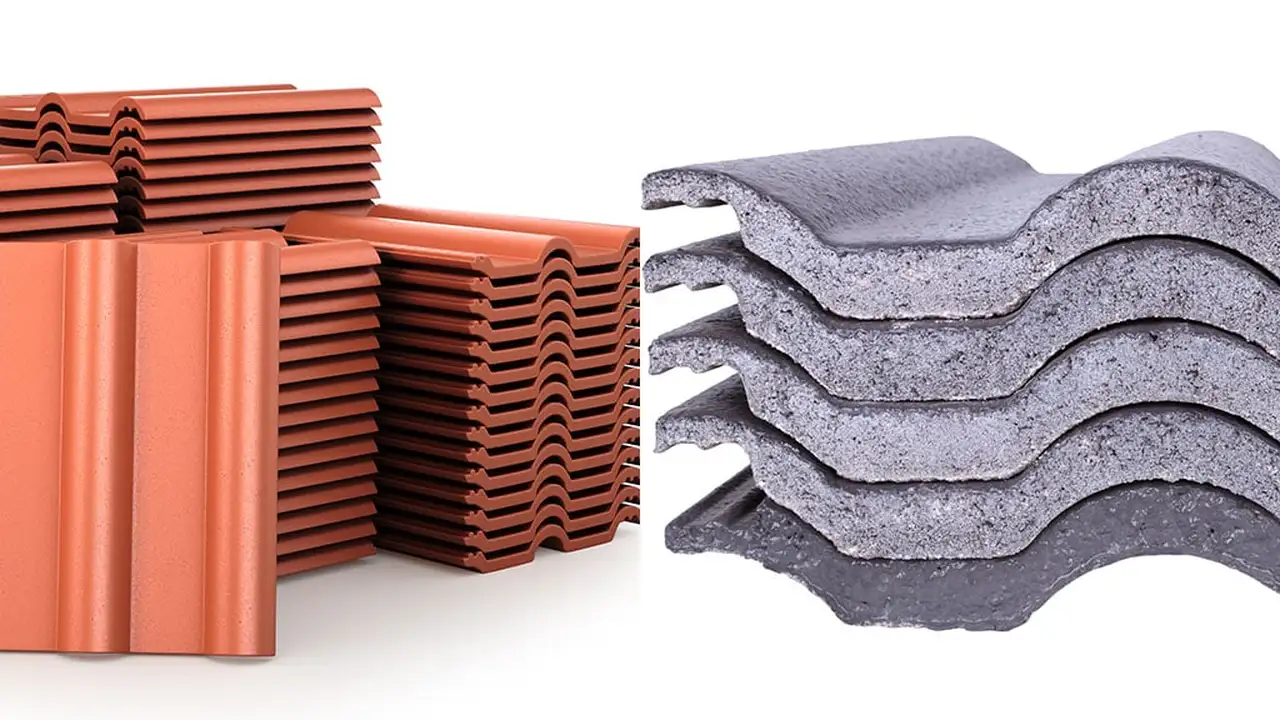
Reducing the weight of your roof is one of the most effective strategies for earthquake resistance. Less weight means less inertial force acting on the structure during shaking. This is why traditional heavy materials like clay tiles, while beautiful, can be a significant liability in seismic zones if not properly installed and reinforced. Modern alternatives offer both aesthetic appeal and superior seismic performance.- Asphalt Shingles: These are incredibly popular for a reason. They are relatively lightweight, affordable, and widely available. For seismic areas, look for architectural or laminate shingles which offer better wind resistance and a more robust construction than 3-tab shingles. They are also flexible, which helps them absorb some movement without cracking.
- Metal Roofing: Standing seam, corrugated, or metal shingle roofs are excellent choices for earthquake resistance. They are very lightweight, durable, and can be installed in large panels, which creates a strong, unified diaphragm. The interlocking panels and robust fastening systems help distribute forces evenly across the roof structure. Plus, metal roofs are fire-resistant, which is another bonus in many regions.
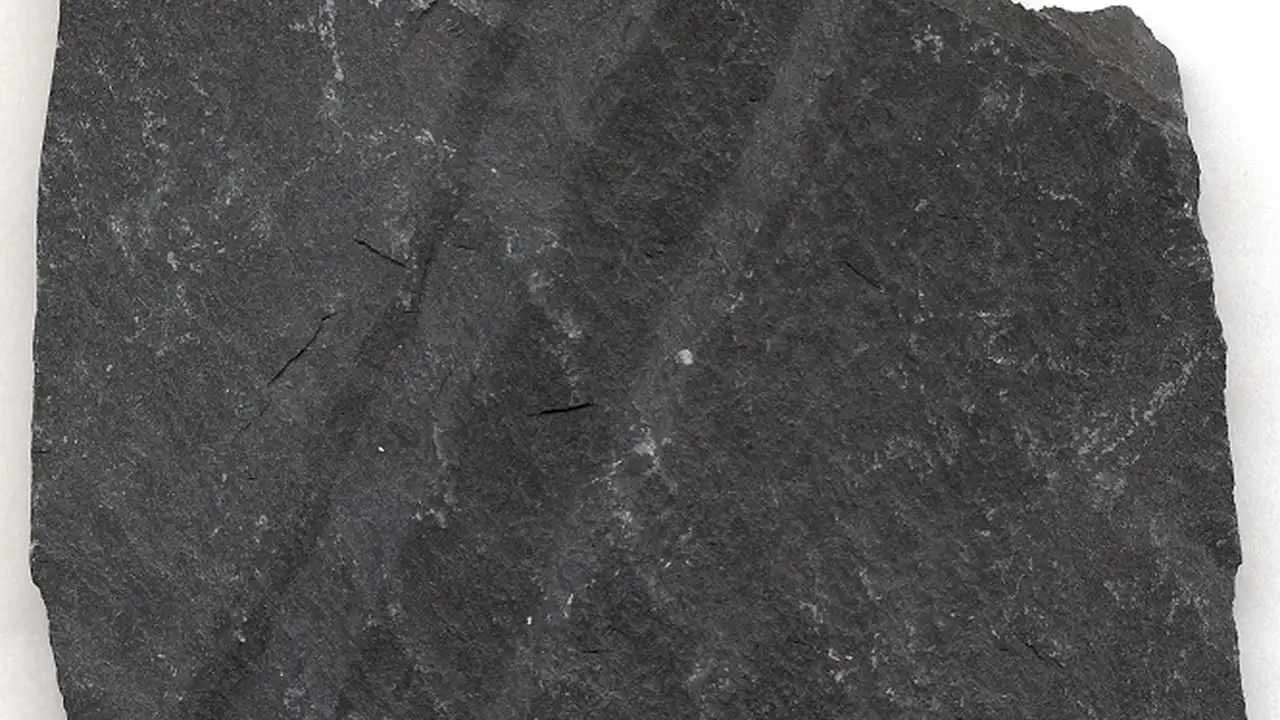
- Synthetic or Composite Shingles: These materials are designed to mimic the look of natural slate or wood shakes but are significantly lighter and more durable. They are often made from recycled materials, offering an eco-friendly option. Their flexibility and impact resistance make them a strong contender for seismic areas.
- Fiber Cement Shingles: While heavier than asphalt or metal, fiber cement can still be a good option if properly installed. It's durable, fire-resistant, and can mimic the look of wood or slate. The key here is ensuring robust fastening and a strong underlying structure to support its weight.
Strong Connections and Fastening Systems for Roof Stability
Even the lightest roof material won't help if it's not securely attached to the rest of your home. The connections between your roof decking, rafters/trusses, and wall plates are crucial. This is where the forces are transferred, and weak links can lead to catastrophic failure.- Hurricane Clips and Straps: Don't let the name fool you; these metal connectors are vital for earthquake resistance too. They securely fasten rafters and trusses to wall plates, preventing uplift and lateral movement. They essentially tie the roof to the walls, making the entire structure act as a single unit.
- Shear Walls and Diaphragms: Your roof decking, when properly installed and fastened, acts as a horizontal diaphragm. This means it helps distribute seismic forces across the entire roof plane and transfer them to the shear walls below. Plywood or OSB decking, nailed or screwed according to code, is essential for this.
- Continuous Load Path: This is a fundamental concept in seismic design. It means that there's an uninterrupted path for seismic forces to travel from the roof, through the walls, and into the foundation. Every connection along this path must be strong enough to resist the expected forces.
- Reinforced Ridge and Hip Connections: These areas are often vulnerable. Ensuring they are well-connected and reinforced can prevent sections of the roof from separating during intense shaking.
Flexible and Ductile Materials for Energy Absorption
Ductility refers to a material's ability to deform without fracturing. In earthquake engineering, ductile materials are preferred because they can absorb seismic energy through deformation, rather than breaking suddenly. While the primary roof covering itself might not be highly ductile, the underlying structure and connections can be designed with ductility in mind.- Engineered Wood Products: Laminated veneer lumber (LVL) or glulam beams can offer more consistent strength and ductility compared to traditional lumber, especially for larger spans.
- Steel Connectors: High-strength steel connectors, like those used in hurricane clips, are designed to yield (deform) before fracturing, absorbing energy in the process.
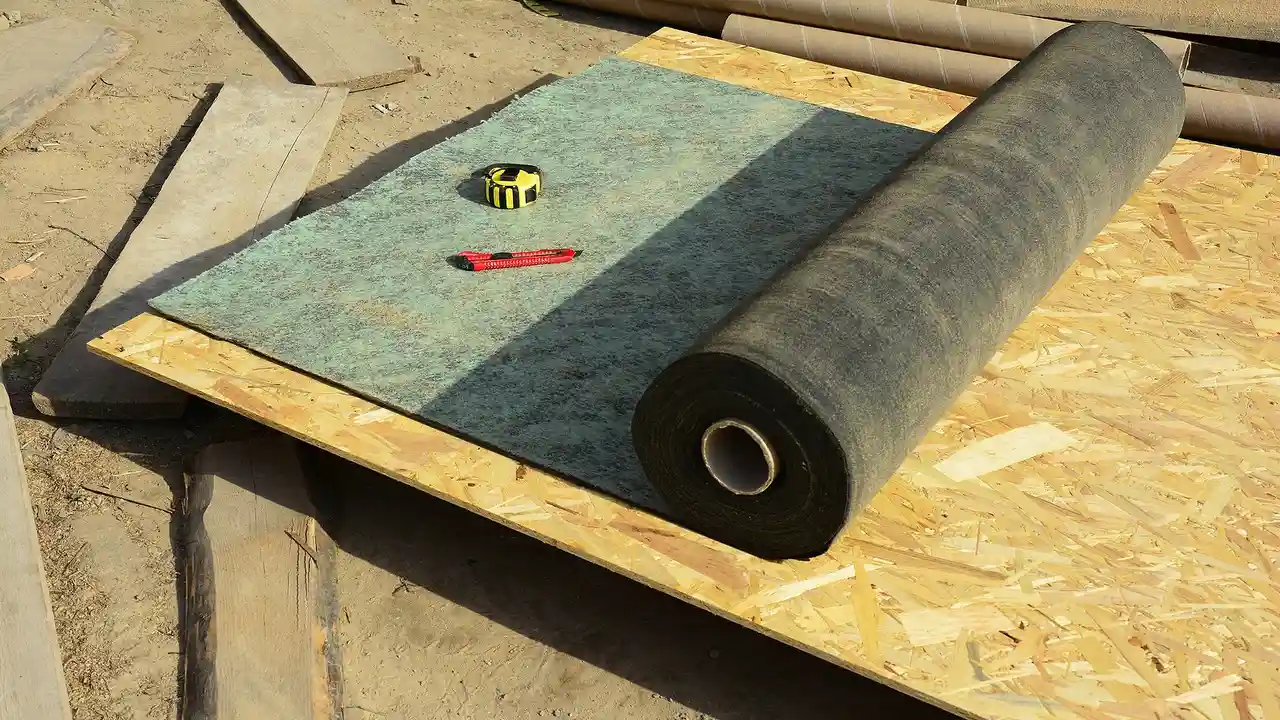
- Flexible Underlayments: While not directly structural, some advanced synthetic underlayments offer a degree of flexibility and tear resistance that can help maintain the integrity of the roof system even if the primary covering is damaged.
Specific Product Recommendations and Comparisons
Let's dive into some actual products you might consider, keeping in mind that local availability and building codes will always play a role. Prices are approximate and can vary wildly based on region, installer, and current market conditions.Metal Roofing Options
Metal roofs are a top-tier choice for seismic areas due to their lightweight nature and durability. They come in various profiles and materials.- Standing Seam Metal Roofs:
- Product Example: Berridge Manufacturing's Cee-Lock Standing Seam or Fabral's Standing Seam.
- Description: These systems feature interlocking panels with raised seams, offering superior weather resistance and a sleek, modern look. They are typically made from steel or aluminum.
- Seismic Benefit: Extremely lightweight, panels are securely fastened and interlocked, creating a strong, unified diaphragm that distributes forces effectively. The flexibility of metal allows it to move with the structure.
- Use Cases: Residential, commercial, and industrial buildings in high-seismic zones. Ideal for modern architectural styles.
- Approximate Cost: $8 - $15+ per square foot installed, depending on material (steel vs. aluminum), gauge, and finish.
- Metal Shingles/Tiles:
- Product Example: Decra Roofing Systems or Gerard Stone Coated Steel.
- Description: These are metal panels pressed into the shape of traditional shingles or tiles, often coated with stone granules for added aesthetics and durability.
- Seismic Benefit: Much lighter than traditional clay or concrete tiles, yet offer a similar aesthetic. The interlocking design and robust fastening provide excellent wind and seismic resistance.
- Use Cases: Homeowners wanting the look of traditional tiles or shakes without the weight penalty. Suitable for a wide range of architectural styles.
- Approximate Cost: $7 - $12+ per square foot installed.
Asphalt Shingle Options
While not as lightweight as metal, architectural asphalt shingles offer a good balance of cost, performance, and seismic resistance when properly installed.- Architectural (Laminate) Shingles:
- Product Example: GAF Timberline HDZ or Owens Corning Duration Series.
- Description: These are thicker, multi-layered shingles that create a dimensional look. They are more robust than traditional 3-tab shingles.
- Seismic Benefit: Their heavier weight compared to 3-tab shingles provides better wind resistance, and their flexibility allows them to absorb some movement. The key is proper nailing patterns and high-quality adhesive strips.
- Use Cases: Most residential applications where budget and traditional aesthetics are important.
- Approximate Cost: $4 - $7 per square foot installed.
Synthetic/Composite Roofing Options
These materials are gaining popularity for their blend of aesthetics, durability, and seismic performance.- Synthetic Slate/Shake:
- Product Example: DaVinci Roofscapes or CeDUR Synthetic Shakes.
- Description: Made from advanced polymers, these products replicate the look of natural slate or wood shakes without the weight, brittleness, or maintenance issues.
- Seismic Benefit: Extremely lightweight, highly durable, and flexible. They are designed to be impact-resistant and can withstand significant movement without cracking or breaking. Often come with high wind ratings.
- Use Cases: High-end residential and commercial projects where aesthetics are paramount but seismic safety and durability are also critical.
- Approximate Cost: $10 - $20+ per square foot installed, depending on the specific product and complexity.
Underlayment and Fastening System Recommendations
Don't forget the unsung heroes of your roof system – the underlayment and fasteners. These are crucial for seismic performance.- High-Performance Synthetic Underlayment:
- Product Example: Titanium UDL30/50 or RoofRunner HT.
- Description: These are woven polypropylene or polyester fabrics that are much stronger and more tear-resistant than traditional felt paper.
- Seismic Benefit: Provides an extra layer of protection against water intrusion if the primary roof covering is damaged. Their strength helps maintain the integrity of the roof deck.
- Use Cases: Recommended for all roofing types, especially in high-wind and seismic areas.
- Approximate Cost: $0.50 - $1.50 per square foot for material.
- Enhanced Fasteners and Connectors:
- Product Example: Simpson Strong-Tie Hurricane Ties (H1, H2.5, HGA10) or USP Structural Connectors.
- Description: These are galvanized steel connectors designed to resist uplift and lateral forces.
- Seismic Benefit: Absolutely critical for tying the roof structure to the wall framing, ensuring a continuous load path. They prevent the roof from separating from the rest of the house during an earthquake.
- Use Cases: Essential for all new construction and highly recommended for roof replacements in seismic zones.
- Approximate Cost: Varies widely based on the number and type of connectors needed, but typically a small percentage of the overall roofing cost.
:max_bytes(150000):strip_icc()/277019-baked-pork-chops-with-cream-of-mushroom-soup-DDMFS-beauty-4x3-BG-7505-5762b731cf30447d9cbbbbbf387beafa.jpg)