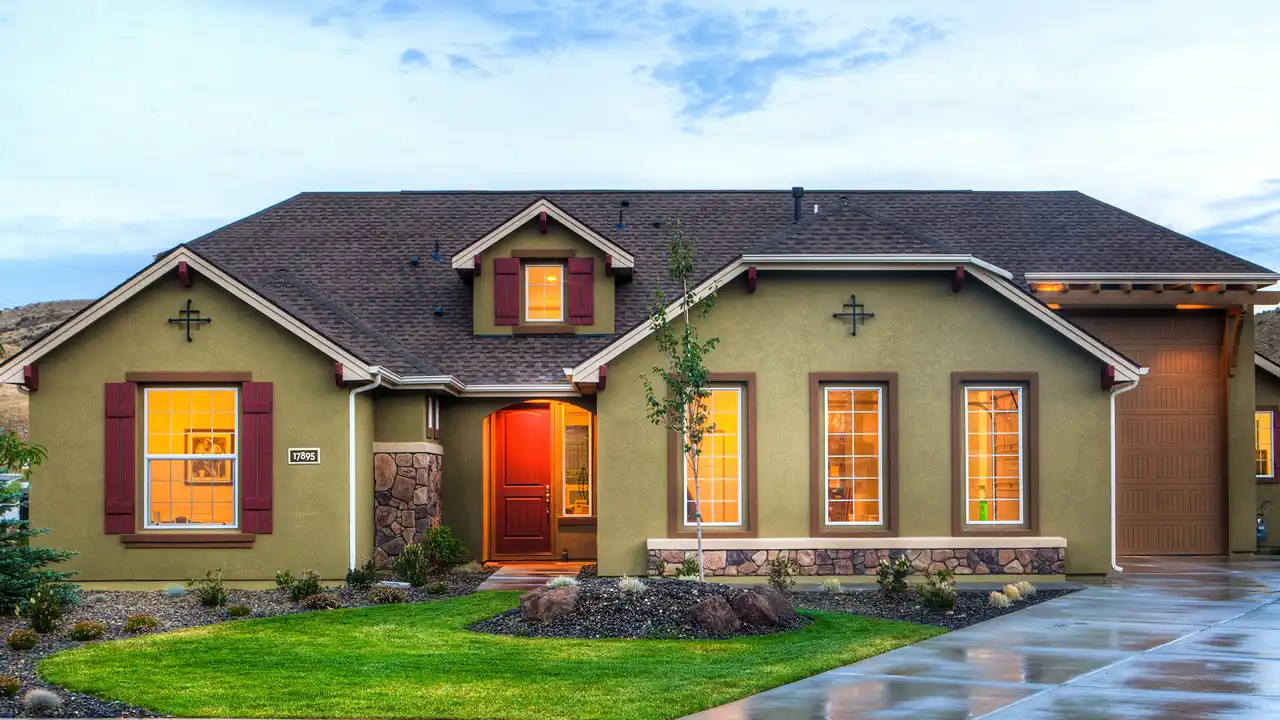
Slate Roofing The Ultimate Guide to Durability
Discover why slate roofing is considered one of the most durable and long-lasting options for luxury homes.
Discover why slate roofing is considered one of the most durable and long-lasting options for luxury homes.
Slate Roofing The Ultimate Guide to Durability
Hey there, homeowners! Are you dreaming of a roof that not only looks absolutely stunning but also lasts for centuries? Well, you've landed in the right place. Today, we're diving deep into the world of slate roofing – often hailed as the king of roofing materials. It's not just a roof; it's an investment, a statement, and a legacy. We're talking about unparalleled durability, timeless elegance, and a material that literally stands the test of time. So, let's unpack everything you need to know about slate roofing, from its incredible lifespan to the nitty-gritty of installation and maintenance, and even some specific product recommendations for your luxury home in the US or Southeast Asia.
What Makes Slate Roofing So Durable and Long Lasting
When we talk about durability in roofing, slate isn't just in a league of its own; it practically invented the league. But what exactly gives this natural stone its legendary resilience? It all comes down to its geological origins and inherent properties.
The Geological Marvel of Natural Slate
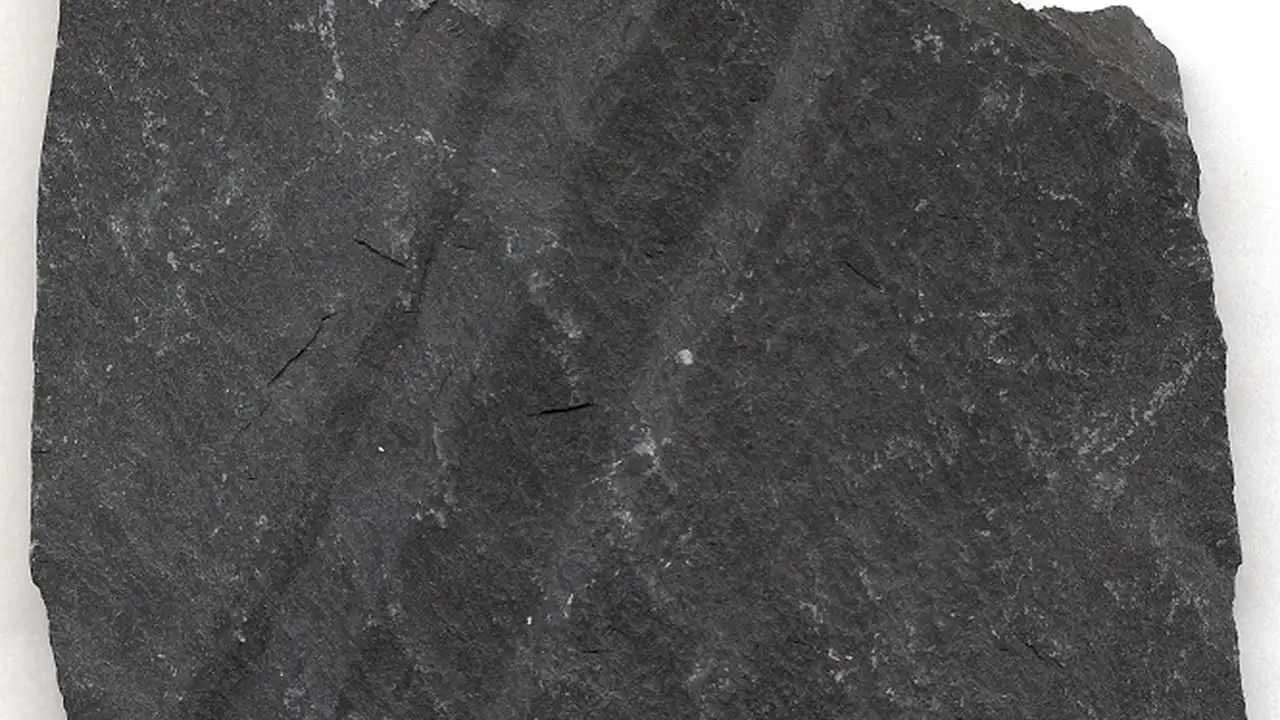
Slate is a fine-grained, foliated, homogeneous metamorphic rock derived from an original shale-type sedimentary rock composed of clay or volcanic ash through low-grade regional metamorphism. Sounds fancy, right? In simpler terms, it's rock that has been subjected to immense pressure and heat over millions of years, transforming it into an incredibly dense and stable material. This process gives slate its distinctive cleavage, allowing it to be split into thin, durable tiles.
Key Properties Contributing to Slate's Longevity
- Exceptional Density: Unlike many other roofing materials, slate is incredibly dense. This density makes it highly resistant to water absorption, preventing issues like freezing and thawing damage that can plague less dense materials.
- Low Water Absorption: With a water absorption rate typically less than 0.4%, slate is virtually waterproof. This means it won't rot, swell, or delaminate due to moisture, making it ideal for regions with heavy rainfall or high humidity, like parts of Southeast Asia.
- Fire Resistance: Being a natural stone, slate is completely non-combustible. This inherent fire resistance offers an unparalleled level of safety for your home, a significant advantage over many other roofing options.
- Resistance to Extreme Weather: From scorching sun in tropical climates to heavy snow loads and strong winds, slate handles it all. Its weight and interlocking installation method provide excellent wind uplift resistance, and its natural composition means it won't degrade under UV radiation.
- Fungal and Algae Resistance: The dense, non-porous surface of slate makes it highly resistant to the growth of moss, algae, and fungi, which can be a common problem for roofs in humid environments. This not only preserves its aesthetic appeal but also prevents biological degradation.
- Chemical Inertness: Slate is largely unaffected by atmospheric pollutants and acid rain, maintaining its integrity and appearance even in urban or industrial environments.
These combined properties are why a properly installed slate roof can last anywhere from 75 to 200 years, and sometimes even longer! It's not uncommon to see slate roofs on historic buildings that are hundreds of years old, still performing beautifully.
Types of Slate Roofing Materials and Their Characteristics
While all natural slate shares core characteristics, there are variations based on origin, color, and splitting characteristics. Understanding these differences can help you choose the perfect slate for your home.
North American Slate Varieties for Premium Homes
North America, particularly regions like Vermont, Pennsylvania, and Virginia, is renowned for producing some of the highest quality roofing slate in the world. These slates are known for their consistent quality and vibrant, unfading colors.
- Vermont Slate: Famous for its wide range of colors, including greens, grays, purples, and mottled blends. Vermont slates are typically hard and dense, offering excellent durability and unfading color.
- Pennsylvania Slate: Primarily known for its deep black and gray slates. These are often very hard and durable, providing a classic, sophisticated look.
- Virginia Slate: Offers a beautiful range of grays and blacks, often with a slightly smoother texture.
International Slate Options for Diverse Aesthetics
Beyond North America, several other regions produce high-quality roofing slate, each with its unique characteristics.
- Spanish Slate: Spain is currently the world's largest producer of natural slate. Spanish slates are typically dark gray or black, known for their consistent quality and competitive pricing. They are a popular choice for projects where cost-effectiveness is a consideration without compromising on natural slate's benefits.
- Welsh Slate: Historically revered, Welsh slate (particularly from quarries like Penrhyn and Ffestiniog) is famous for its rich blue-gray and purple hues. It's considered among the finest in the world, known for its exceptional durability and smooth texture, often commanding a premium price.
- Brazilian Slate: Emerging as a more affordable option, Brazilian slate typically comes in shades of black, gray, and green. While generally good quality, it's important to source from reputable suppliers as quality can vary.
Comparing Different Slate Types for Your Project
When choosing between these types, consider:
- Color and Aesthetics: Do you prefer the classic black/gray, the vibrant greens and purples, or a mottled blend?
- Texture: Some slates have a smoother finish, while others have a more rustic, textured appearance.
- Cost: Generally, North American and Welsh slates are at the higher end, while Spanish and Brazilian slates can offer more budget-friendly options.
- Availability and Lead Times: Especially for international slates, consider shipping times and availability in your region.
The Aesthetic Appeal of Slate Roofing for Luxury Homes
Beyond its incredible durability, slate roofing is synonymous with luxury, prestige, and timeless beauty. It's a material that instantly elevates the curb appeal of any home, from historic estates to modern architectural masterpieces.
Timeless Elegance and Architectural Versatility
Slate's natural variations in color, texture, and thickness create a roof that is visually dynamic and unique. No two slate roofs are exactly alike, giving your home a bespoke quality. It complements a wide range of architectural styles:
- Traditional and Historic Homes: Slate is the quintessential roofing material for Victorian, Colonial, Tudor, and Gothic revival homes, preserving their authentic character.
- Modern and Contemporary Designs: With its clean lines and natural texture, slate can also provide a sophisticated, grounding element to modern architectural designs, especially in darker shades.
- Luxury Estates: For high-end properties, slate signals quality, permanence, and an appreciation for natural materials.
Color Palettes and Blends for Unique Roofscapes
Slate comes in a surprisingly diverse palette of natural colors, which can be used individually or blended to create stunning effects:
- Black and Gray: The most common and classic choices, offering a sophisticated and understated elegance.
- Green: Ranging from deep forest green to lighter olive tones, green slates can add a touch of natural vibrancy.
- Purple: A unique and striking color, often seen in Vermont slates, adding a distinctive character.
- Red and Burgundy: Less common but incredibly rich, these colors can create a warm and inviting look.
- Mottled and Blended: Many quarries offer slates with natural color variations within a single piece, or you can blend different colors during installation for a truly custom roofscape.
The beauty of slate also lies in its ability to develop a subtle patina over time, enhancing its natural charm without compromising its integrity.
Installation Process and Considerations for Slate Roofing
Installing a slate roof is not a DIY project. It requires specialized skills, tools, and experience. The quality of installation is just as crucial as the quality of the slate itself for achieving that legendary lifespan.
Why Professional Slate Roof Installation is Essential
- Specialized Knowledge: Slate roofers understand the nuances of working with natural stone, including proper cutting, trimming, and fastening techniques.
- Correct Overlap and Exposure: Ensuring the correct headlap and side lap is critical for waterproofing and wind resistance.
- Proper Fasteners: Copper nails are typically used for slate due to their longevity and resistance to corrosion, which is vital for a roof designed to last centuries.
- Weight Considerations: Slate is heavy! A professional will assess your roof's structure to ensure it can support the weight and make any necessary reinforcements.
- Safety: Working on roofs, especially with heavy materials, poses significant safety risks that professionals are equipped to handle.
Key Steps in a Slate Roof Installation
- Structural Assessment: Before anything else, a structural engineer or experienced roofer will assess your home's framing to ensure it can bear the weight of the slate.
- Underlayment Installation: A high-quality, durable underlayment (often two layers of felt or synthetic membrane) is installed to provide an additional layer of waterproofing.
- Flashing Installation: Copper flashing is meticulously installed around chimneys, skylights, valleys, and other penetrations to prevent leaks.
- Slate Laying: Slates are laid in courses, starting from the eaves and working upwards, with each slate overlapping the ones below it. Each slate is individually fastened with copper nails.
- Ridge and Hip Caps: Special ridge and hip slates are installed to cover the peaks and angles of the roof, providing a watertight finish.
- Final Inspection: A thorough inspection ensures all slates are properly installed, fastened, and watertight.
Installation Challenges in Southeast Asia
While slate is incredibly durable, its weight and the need for specialized installers can present unique challenges in Southeast Asian markets:
- Logistics and Shipping: Importing natural slate can be costly and time-consuming.
- Skilled Labor: Finding experienced slate roofers might be more challenging than in regions with a long history of slate use.
- Structural Reinforcement: Many existing homes might require significant structural upgrades to support the weight of slate.
However, for luxury properties, these challenges are often overcome due to the desire for the ultimate in durability and aesthetics.
Maintenance and Repair for Your Slate Roof Investment
While slate roofs are incredibly low-maintenance compared to other materials, they are not entirely maintenance-free. Proper care ensures they reach their full potential lifespan.
Essential Slate Roof Maintenance Tips
- Regular Inspections: Annually, or after severe storms, inspect your roof for any slipped, cracked, or missing slates. Pay attention to flashing around chimneys and vents.
- Gutter Cleaning: Keep gutters clear of debris to ensure proper drainage and prevent water from backing up under the slates.
- Moss and Algae Control: While resistant, in very humid environments, some growth might occur. Gentle cleaning with appropriate solutions (never power wash!) can maintain its appearance.
- Tree Trimming: Keep overhanging branches trimmed to prevent damage from falling limbs and to reduce debris accumulation.
- Avoid Walking on the Roof: Unless absolutely necessary and performed by an experienced professional, avoid walking on a slate roof as slates can be brittle and easily damaged if stepped on incorrectly.
Common Slate Roof Repairs and How to Address Them
- Slipped or Missing Slates: These are the most common repairs. A professional can carefully remove the damaged slate and replace it with a new one, often using a slate hook or copper strap.
- Cracked Slates: If a slate is cracked but still in place, it can sometimes be repaired with a sealant, but replacement is usually the best long-term solution.
- Flashing Leaks: Over time, flashing can corrode or become damaged. Repair or replacement of copper flashing is crucial to prevent leaks.
- Snow Guards: In snowy regions, snow guards are essential to prevent large sheets of snow from sliding off and damaging gutters or injuring people. Ensure they are properly maintained.
Always hire a roofer experienced in slate repair. An inexperienced roofer can cause more damage than they fix.
Comparing Slate Roofing with Other Premium Materials
When considering a high-end roof, slate often comes up against other premium options. Let's see how it stacks up.
Slate vs Metal Roofing for Longevity and Aesthetics
- Longevity: Slate (75-200+ years) generally outlasts most metal roofs (40-70 years for standing seam, less for corrugated).
- Durability: Both are highly durable. Slate is impervious to fire and most weather. Metal is also fire-resistant and excellent for shedding snow, but can dent and scratch.
- Aesthetics: Slate offers a natural, classic, and often more textured look. Metal offers a sleek, modern aesthetic, available in many colors and profiles.
- Cost: Both are premium, but slate often has a higher upfront cost due to material and specialized installation.
- Weight: Slate is significantly heavier than metal.
Slate vs Clay Tile Roofing in Tropical Climates
- Longevity: Both are very long-lasting. Clay tiles can last 50-100+ years, while slate often exceeds that.
- Durability: Both are excellent for hot climates. Clay tiles are great for heat reflection and are non-combustible. Slate offers superior water resistance and density. Clay tiles can be more brittle and prone to breakage from impact.
- Aesthetics: Clay tiles offer a distinct Mediterranean or Spanish look, often in terracotta hues. Slate provides a more varied, natural stone aesthetic.
- Weight: Both are heavy materials, requiring robust structural support.
- Maintenance: Clay tiles can be more prone to moss and algae growth in humid climates if not treated, whereas slate is highly resistant.
Slate vs Composite Roofing for Performance and Value
- Longevity: Composite roofing (e.g., synthetic slate) typically lasts 30-50 years, significantly less than natural slate.
- Durability: Composites are designed to mimic slate's durability, offering good impact and wind resistance. However, they are not natural stone and may degrade differently over time.
- Aesthetics: High-quality composites can closely replicate the look of natural slate, but often lack the unique variations and depth of real stone.
- Cost: Composites are generally more affordable than natural slate, both in material and installation.
- Weight: Composites are much lighter than natural slate, making them suitable for homes that cannot support slate's weight.
Recommended Slate Roofing Products and Suppliers
Choosing the right slate involves selecting a reputable quarry and supplier. Here are a few well-regarded options known for their quality and service, suitable for both US and international markets, including Southeast Asia where logistics allow.
Top Slate Quarries and Brands for Quality Assurance
When you're investing in a slate roof, you want to ensure you're getting top-tier material. These quarries and brands have a long-standing reputation for excellence:
- Vermont Structural Slate Company (VSS): Based in Fair Haven, Vermont, VSS is one of the oldest and most respected slate producers in North America. They offer a wide range of unfading and semi-weathering colors, including their famous Vermont Green, Purple, and Mottled slates. Their slates are known for exceptional hardness and consistent quality.
- Evergreen Slate Company: Another prominent Vermont producer, Evergreen Slate offers a comprehensive selection of natural roofing slates. They are known for their commitment to quality and their ability to supply large projects. Their range includes various shades of gray, green, and purple.
- North Country Slate: While not a quarry themselves, North Country Slate is a leading North American supplier of premium roofing slate, primarily from Canadian and North American quarries. They are highly regarded for their rigorous quality control and extensive product knowledge, offering a wide array of colors and thicknesses.
- CUPA PIZARRAS (Spanish Slate): As the world leader in natural slate production, CUPA PIZARRAS offers a vast selection of high-quality Spanish slates. Their products are widely available internationally and are known for their consistent dark gray and black colors, excellent durability, and competitive pricing. They are a strong option for projects in Southeast Asia due to their global distribution network.
- Welsh Slate (Penrhyn and Ffestiniog): For those seeking the absolute pinnacle of slate quality and historical authenticity, Welsh Slate from quarries like Penrhyn and Ffestiniog is unmatched. Their 'Penrhyn Heather Blue' and 'Ffestiniog Purple' slates are legendary for their beauty and longevity. While premium priced, they are an investment in unparalleled heritage and performance.
Considerations for Sourcing Slate in Southeast Asia
For homeowners in Southeast Asia, sourcing natural slate will primarily involve imports. Here's what to keep in mind:
- Import Duties and Shipping Costs: These can significantly add to the overall project cost. Factor them in early.
- Local Distributors: Look for reputable local distributors who have established relationships with international quarries. They can handle the logistics and ensure quality control.
- Sample Verification: Always request samples to verify color, texture, and quality before placing a large order.
- Lead Times: International shipping can take time, so plan your project schedule accordingly.
Specific Product Recommendations and Use Cases
Let's look at some specific product types and where they shine:
- For the Classic, Timeless Look (US & SEA):
- Product: Evergreen Slate's 'Gray Black' or CUPA PIZARRAS 'H3' (Heavy 3).
- Use Case: Ideal for traditional homes, colonial revivals, or any property where a sophisticated, understated elegance is desired. The dark, consistent color provides a strong architectural statement.
- Approximate Cost (Material only, per square foot): US: $8-$15; SEA: $10-$20+ (due to import).
- For Vibrant Color and Character (US):
- Product: Vermont Structural Slate Company's 'Mottled Green and Purple' or 'Unfading Green'.
- Use Case: Perfect for homes that want to stand out with natural color variations, often seen on Victorian or Tudor-style homes. The unfading nature ensures the color remains vibrant for centuries.
- Approximate Cost (Material only, per square foot): US: $12-$20. (Less common for direct import to SEA due to higher cost and specific aesthetic preference).
- For a Rustic, Textured Appearance (US & SEA):
- Product: Certain 'Rough Texture' slates from various quarries, or slates with a more pronounced natural cleft.
- Use Case: Suited for homes aiming for a more rustic, natural, or European country aesthetic. The varied texture adds depth and character.
- Approximate Cost (Material only, per square foot): US: $10-$18; SEA: $12-$25+.
- For the Ultimate Luxury and Heritage (US & SEA):
- Product: Welsh Slate from Penrhyn Quarry (e.g., 'Penrhyn Heather Blue').
- Use Case: Reserved for the most prestigious properties, historic restorations, or homes where an uncompromising commitment to the finest materials is paramount. The smooth texture and unique color are instantly recognizable.
- Approximate Cost (Material only, per square foot): US: $20-$40+; SEA: $25-$50+ (highly dependent on specific quarry and shipping).
Remember, these are material costs only. Installation costs for slate are significant due to the specialized labor required, often doubling or tripling the material cost. Always get detailed quotes from experienced slate roofing contractors.
The Investment Value of a Slate Roof
Yes, a slate roof is a significant upfront investment. There's no getting around that. However, when you look at the long-term value, it often makes compelling financial sense, especially for luxury homes.
Return on Investment and Property Value Enhancement
- Increased Home Value: A slate roof significantly boosts your home's market value and curb appeal. It's a premium feature that discerning buyers recognize and are willing to pay for.
- Exceptional Lifespan: With a lifespan of 75 to 200+ years, a slate roof will likely outlast you and several subsequent owners. This means you'll never have to replace it, saving you the cost of multiple re-roofing projects over the decades.
- Low Lifetime Cost: While the initial cost is high, when amortized over its incredibly long lifespan, the annual cost of a slate roof can be surprisingly competitive, often lower than materials that need replacement every 20-30 years.
- Insurance Benefits: Its fire resistance and extreme durability can sometimes lead to lower home insurance premiums.
- Energy Efficiency: The density of slate provides excellent thermal mass, which can contribute to stable indoor temperatures, potentially reducing heating and cooling costs.
Long Term Savings and Peace of Mind
Think about it: with a slate roof, you're not just buying a covering for your house; you're buying peace of mind for generations. No worries about leaks, storm damage, or needing a costly replacement every few decades. It's a legacy product that protects your most valuable asset with unmatched elegance and resilience.
So, if you're building or renovating a luxury home and looking for a roofing material that offers the ultimate in durability, beauty, and long-term value, natural slate is undoubtedly a choice worth serious consideration. It's a commitment, yes, but one that pays dividends in protection, prestige, and enduring appeal for centuries to come.
:max_bytes(150000):strip_icc()/277019-baked-pork-chops-with-cream-of-mushroom-soup-DDMFS-beauty-4x3-BG-7505-5762b731cf30447d9cbbbbbf387beafa.jpg)