Wind Uplift Resistance in Roofing
Understand the importance of wind uplift resistance in roofing and how it protects your home in stormy conditions.

Understand the importance of wind uplift resistance in roofing and how it protects your home in stormy conditions.
Wind Uplift Resistance in Roofing Protecting Your Home from Storms
Hey there, homeowners! Let's talk about something super important, especially if you live in an area that sees its fair share of strong winds, hurricanes, or even just those unexpected severe thunderstorms. We're diving deep into wind uplift resistance in roofing. You might not think about it much, but your roof's ability to stay put when the wind tries to rip it off is absolutely critical for protecting your home and everything inside it. It's not just about the shingles; it's about the entire system working together to withstand those powerful forces of nature. We'll cover why it matters, how it works, what materials and installation techniques make a difference, and even recommend some specific products to help you achieve a truly wind-resistant roof.
Understanding Wind Uplift Forces How Wind Affects Your Roof
So, what exactly is wind uplift? Imagine a strong gust of wind hitting your house. It doesn't just push against the side; it also creates a complex set of forces on your roof. As wind flows over your roof, it creates a low-pressure zone, similar to how an airplane wing generates lift. This low pressure literally tries to suck your roof upwards. At the same time, wind can get under the eaves and push upwards from below, creating even more pressure. These combined forces are what we call wind uplift, and they can be incredibly powerful, especially at the edges and corners of your roof, which are often the most vulnerable spots. If your roof isn't properly secured, these forces can cause shingles to peel back, decking to detach, and in extreme cases, the entire roof structure to fail. This isn't just a minor inconvenience; it can lead to massive water damage, structural compromise, and a huge headache for you and your family.
Key Factors Influencing Roof Wind Resistance Material Choices and Design
When it comes to making your roof stand up to the wind, several factors play a crucial role. It's not just one thing; it's a combination of smart choices in materials, design, and installation. Let's break down the most important ones:
Roofing Material Type The Foundation of Wind Resistance
The type of roofing material you choose is perhaps the most obvious starting point. Different materials have inherent strengths and weaknesses when it comes to wind uplift. For instance:
- Asphalt Shingles: These are very common, but their wind resistance varies significantly by quality. Heavier, thicker shingles with stronger adhesive strips generally perform better. Look for shingles rated for higher wind speeds.
- Metal Roofing: Metal roofs, especially standing seam or screw-down panels, are excellent for wind resistance. They are typically installed in large sheets or panels that are mechanically fastened, making them very difficult for wind to lift.
- Tile Roofs (Clay or Concrete): While beautiful, tiles can be vulnerable if not properly installed. Each tile needs to be securely fastened, and the underlayment is critical. In high-wind areas, specific fastening methods and even foam adhesives are used.
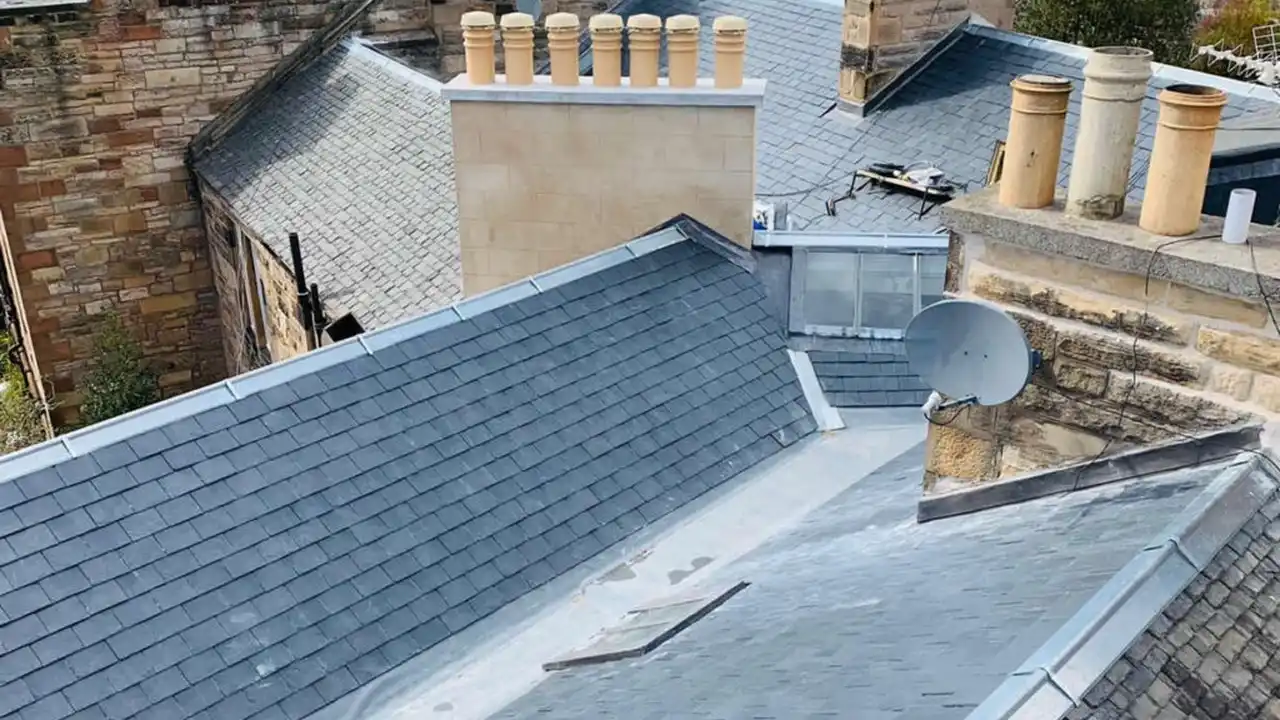
- Slate Roofing: Extremely durable and heavy, slate offers good wind resistance when properly installed with appropriate fasteners.
- Wood Shakes/Shingles: These can be more susceptible to wind uplift if not installed correctly, as individual pieces can be lighter and more prone to catching wind.
Roof Design and Shape The Aerodynamics of Your Home
Believe it or not, the shape of your roof has a big impact on how it handles wind. Some designs are inherently more wind-resistant than others:
- Hip Roofs: These roofs, which slope on all four sides, tend to perform better in high winds than gable roofs. The continuous slope reduces the amount of surface area for wind to catch and create uplift.
- Gable Roofs: While common, gable roofs have vertical end walls that can act like sails, creating significant uplift pressure. Proper bracing and overhang protection are crucial for gable roofs in windy areas.
- Low-Slope or Flat Roofs: These can also be vulnerable, especially at the edges. The type of membrane and how it's adhered or mechanically fastened is key.
Fastening Methods and Adhesives The Unsung Heroes
This is where the rubber meets the road, or rather, where the shingles meet the deck. How your roofing materials are attached is paramount:
- Nailing Patterns: For shingles, using the correct number of nails (often 4-6 per shingle, depending on wind rating) and placing them in the right spot is critical.
- Mechanical Fasteners: For metal or tile roofs, screws and clips are used to secure panels or tiles directly to the roof deck or battens.
- Adhesives: Many modern shingles have strong adhesive strips that activate with heat, sealing them to the shingle below. For flat roofs, specialized adhesives are used to bond membranes.
- Sealants: Around penetrations like vents and chimneys, proper sealants prevent wind-driven rain from entering.
Underlayment and Decking The Hidden Strength
Don't forget what's underneath! The underlayment and roof decking provide the foundation for your entire roofing system:
- Roof Decking: Plywood or OSB sheathing needs to be securely fastened to the rafters or trusses with appropriate nails or screws. If the decking isn't secure, nothing else will be.
- Underlayment: High-quality synthetic underlayments or self-adhering membranes provide an extra layer of protection against wind-driven rain, even if some shingles are lost.
Top Roofing Materials for Enhanced Wind Uplift Resistance Product Recommendations
Alright, let's get down to some specifics. If you're looking to build or replace a roof with superior wind uplift resistance, here are some excellent material choices and specific product recommendations that are well-regarded in the industry, along with their typical use cases and approximate price ranges (note: prices can vary wildly based on region, installer, and specific product features):
1. High-Performance Architectural Asphalt Shingles
These aren't your grandma's 3-tab shingles. Modern architectural shingles are designed with heavier mats, multiple layers, and enhanced adhesive strips to withstand significant wind forces.
- Why they're good for wind: Their weight, interlocking design, and strong factory-applied adhesive strips create a robust barrier against uplift. Many are rated for wind speeds up to 130 mph (209 km/h).
- Use Case: Ideal for residential homes in areas prone to strong winds but not necessarily extreme hurricanes. A great balance of cost, aesthetics, and performance.
- Product Recommendation:
- GAF Timberline HDZ Shingles: GAF is a leading manufacturer, and their Timberline HDZ line features what they call 'StrikeZone' nailing area, which is wider and easier for installers to hit, ensuring proper fastening. They also boast a 130 mph wind warranty with no maximum wind speed limitation when installed with GAF accessories.
- CertainTeed Landmark Pro Shingles: Another top-tier architectural shingle, known for its durability and aesthetic appeal. They offer a 130 mph wind resistance warranty.
- Approximate Price Range (Materials only, per square - 100 sq ft): $80 - $150 USD. Installation costs will add significantly to this.
- Comparison: These are a step up from standard 3-tab shingles in terms of wind resistance, offering better durability and a more dimensional look. They are generally less expensive than metal or tile but offer excellent protection for their price point.
2. Standing Seam Metal Roofing
Metal roofs are champions of wind resistance, and standing seam is arguably the best type for this purpose.
- Why they're good for wind: Large panels are mechanically fastened to the roof deck, and the raised seams interlock, preventing wind from getting underneath. They are incredibly durable and can withstand extreme wind speeds, often rated for 140 mph (225 km/h) or more.
- Use Case: Excellent for any home, especially in hurricane-prone coastal regions or areas with frequent severe storms. Also great for energy efficiency and longevity.
- Product Recommendation:
- Sheffield Metals Standing Seam Panels: Sheffield Metals offers a wide range of standing seam profiles and gauges, known for their quality and engineering. They provide detailed wind uplift test data for their systems.
- Fabral Standing Seam Systems: Fabral is another reputable manufacturer with various standing seam options, offering robust wind resistance and a long lifespan.
- Approximate Price Range (Materials only, per square): $250 - $600+ USD, depending on material (steel, aluminum, copper), gauge, and finish. This is a premium option.
- Comparison: Significantly more expensive than asphalt shingles upfront, but offers superior wind resistance, much longer lifespan (50+ years), and better energy efficiency. Less prone to hail damage than shingles.
3. Mechanically Fastened Tile Roofs (Clay or Concrete)
While individual tiles can be heavy, proper fastening is key to their wind resistance. In high-wind zones, tiles are often mechanically fastened with screws or clips, and sometimes even set in foam adhesive.
- Why they're good for wind: When each tile is securely fastened, their weight and interlocking design create a very stable roof system. They can be rated for very high wind speeds, often exceeding 150 mph (240 km/h) with proper installation.
- Use Case: Popular in warm climates, coastal areas, and regions where a Mediterranean or Spanish aesthetic is desired. Excellent for longevity and fire resistance.
- Product Recommendation:
- Boral Roofing (now Westlake Royal Roofing Solutions) Clay and Concrete Tiles: Boral offers a vast selection of tile profiles and colors. Their installation guides specifically address high-wind applications, often requiring specific fastening schedules and sometimes foam adhesive.
- Eagle Roofing Products Concrete Tiles: Eagle is another major player, known for durable concrete tiles. They also provide detailed installation specifications for high-wind zones.
- Approximate Price Range (Materials only, per square): $200 - $800+ USD, depending on type (clay vs. concrete), profile, and finish. Installation is labor-intensive.
- Comparison: Similar to metal in terms of upfront cost and longevity, but offers a distinct aesthetic. Can be heavier, requiring stronger roof framing. Excellent fire resistance.
4. TPO or PVC Single-Ply Membranes (for Low-Slope/Flat Roofs)
For homes with low-slope or flat roof sections, single-ply membranes like TPO (Thermoplastic Polyolefin) and PVC (Polyvinyl Chloride) are excellent choices for wind resistance when properly installed.
- Why they're good for wind: These membranes are typically either fully adhered (glued down) or mechanically fastened (screwed down with plates) to the roof deck. The seams are hot-air welded, creating a monolithic, watertight, and wind-resistant surface.
- Use Case: Residential flat roofs, low-slope additions, garages, or commercial properties.
- Product Recommendation:
- Firestone Building Products (now Holcim Elevate) TPO/PVC: Firestone is a well-known brand for commercial and residential low-slope roofing, offering robust TPO and PVC membranes with excellent wind uplift ratings.
- Carlisle SynTec Systems TPO/PVC: Carlisle is another industry leader, providing high-quality single-ply membranes designed for durability and wind resistance.
- Approximate Price Range (Materials only, per square): $150 - $300 USD. Installation is specialized.
- Comparison: Superior to traditional built-up roofs or modified bitumen for wind resistance due to welded seams and strong adhesion/fastening. Offers good energy efficiency with lighter colors.
Installation Techniques for Maximum Wind Uplift Protection The Devil is in the Details
Even the best materials won't perform if they're not installed correctly. This is where a skilled and knowledgeable roofing contractor makes all the difference. Here are some critical installation techniques that enhance wind uplift resistance:
Proper Nailing and Fastening Schedules
For asphalt shingles, this means using the right number of nails (often 6 nails per shingle in high-wind areas, instead of the standard 4) and placing them precisely in the manufacturer-specified nailing zone. For metal and tile, it means using the correct type and number of screws or clips, ensuring they penetrate the roof deck adequately. Over-driving or under-driving fasteners can compromise their holding power.
Enhanced Edge and Corner Protection
As mentioned, roof edges and corners are the most vulnerable to wind uplift. Specialized techniques are often employed here:
- Drip Edge and Gable Trim: Properly installed drip edge and gable trim (fascia) help secure the roof's perimeter and prevent wind from getting underneath the roofing material.
- Starter Shingles: Using a continuous starter shingle strip along the eaves and rakes provides a strong, sealed edge for the first course of shingles.
- Increased Fastening at Edges: Some codes or manufacturer specifications require additional fasteners along the perimeter of the roof for all material types.
Sealing and Adhesion
For asphalt shingles, ensuring the adhesive strips properly seal is vital. This often requires warm weather during installation or sufficient time for the sun to activate the adhesive. For single-ply membranes, hot-air welding seams correctly creates a continuous, impenetrable barrier. For tile roofs, using approved foam adhesives in addition to mechanical fasteners can significantly boost wind resistance.
Underlayment and Decking Fastening
The roof deck itself needs to be securely fastened to the rafters or trusses. Using ring-shank nails or screws for the decking provides superior pull-out resistance compared to smooth-shank nails. The underlayment should also be properly fastened, especially self-adhering membranes, which provide an excellent secondary water barrier even if the primary roofing material is compromised.
Ventilation Considerations
While not directly about fastening, proper roof ventilation helps equalize pressure between the attic and the outside, which can indirectly reduce some uplift forces. It also prevents moisture buildup, which can weaken the roof deck over time.
Building Codes and Certifications What to Look For
When you're planning a new roof or a replacement, it's super important to pay attention to local building codes and industry certifications. These are designed to ensure your roof meets minimum safety and performance standards, especially concerning wind resistance.
Local Building Codes
These vary by region, but in areas prone to high winds (like coastal regions in the US or typhoon-prone areas in Southeast Asia), codes will often specify:
- Minimum Wind Speed Ratings: Your roofing materials and system must be rated to withstand a certain wind speed (e.g., 130 mph, 150 mph).
- Fastening Schedules: Specific requirements for the number and type of fasteners for different roofing materials.
- Underlayment Requirements: Mandates for specific types of underlayment, especially self-adhering membranes, to provide a secondary water barrier.
- Decking Attachment: How the roof sheathing must be attached to the framing.
Always check with your local building department or a reputable contractor to understand the specific requirements for your area.
Industry Certifications and Standards
Look for products and systems that have been tested and certified by independent organizations:
- ASTM (American Society for Testing and Materials): Many roofing materials are tested to ASTM standards for wind resistance (e.g., ASTM D3161 for asphalt shingles).
- UL (Underwriters Laboratories): UL certifications often include wind resistance ratings.
- FM Approvals (Factory Mutual): FM Approvals are particularly stringent and are often sought for commercial and industrial roofing, but some residential products may carry FM ratings, indicating very high performance.
- Miami-Dade County NOA (Notice of Acceptance): For areas in Florida and other hurricane-prone regions, Miami-Dade NOA is a gold standard for wind resistance. Products with this certification have undergone rigorous testing.
A good contractor will be familiar with these codes and certifications and will be able to recommend products and installation methods that comply with or exceed them.
Maintaining Your Roof for Ongoing Wind Resistance Regular Inspections and Care
Even the most wind-resistant roof needs a little love and attention to maintain its integrity over time. Regular maintenance is key to ensuring your roof continues to protect your home effectively.
Annual Roof Inspections
It's a good idea to have your roof professionally inspected at least once a year, and especially after any severe weather event. A professional can spot:
- Loose or Missing Shingles/Tiles: These are prime targets for wind uplift.
- Damaged Flashing: Around chimneys, vents, and skylights, damaged flashing can allow wind-driven rain to penetrate.
- Cracked or Deteriorated Sealants: These need to be repaired or replaced to maintain a watertight seal.
- Debris Accumulation: Leaves, branches, and other debris can trap moisture and lead to deterioration.
Gutter and Downspout Maintenance
Clean gutters and downspouts are essential. Clogged gutters can cause water to back up under the roofing material, leading to rot and weakening the roof's attachment points, making it more vulnerable to wind.
Trim Overhanging Branches
Trees with branches overhanging your roof can cause damage during storms. High winds can break branches, which then fall onto your roof, potentially puncturing it or dislodging materials. Trimming these back is a simple preventative measure.
Address Minor Repairs Promptly
Don't let small issues become big problems. A single loose shingle can lead to a cascade of damage in a strong wind. Address any minor repairs as soon as you notice them to prevent further deterioration and maintain your roof's overall wind resistance.
The Investment in Wind Resistance Peace of Mind and Property Value
Investing in a roof with superior wind uplift resistance isn't just about meeting building codes; it's about protecting your most valuable asset and gaining peace of mind. While higher-performance materials and specialized installation techniques might come with a higher upfront cost, consider the long-term benefits:
- Reduced Risk of Damage: Less chance of costly repairs or even a full roof replacement after a storm.
- Lower Insurance Premiums: Some insurance companies offer discounts for homes with enhanced wind-resistant features.
- Increased Home Value: A durable, high-performance roof is a significant selling point and adds to your home's overall value.
- Safety and Security: Knowing your family and belongings are protected during severe weather is invaluable.
When you're talking to your roofing contractor, make sure to discuss wind uplift resistance as a priority. Ask about the wind ratings of the materials they recommend, their installation practices for high-wind areas, and any specific warranties related to wind damage. A knowledgeable contractor will be able to guide you through the best options for your specific location and budget, ensuring your home is well-prepared for whatever the weather throws its way.
So, next time you look up at your roof, remember it's doing more than just keeping the rain out. It's a complex system designed to stand strong against powerful wind forces. By understanding wind uplift resistance and making informed choices, you can ensure your roof continues to be a reliable shield for your home for many years to come.
:max_bytes(150000):strip_icc()/277019-baked-pork-chops-with-cream-of-mushroom-soup-DDMFS-beauty-4x3-BG-7505-5762b731cf30447d9cbbbbbf387beafa.jpg)